Updated
Spain is one of the easiest countries in Europe to travel alone. Cities are compact and walkable, trains and buses link them well, and a culture built around standing at a bar with a drink and a small plate means eating on your own rarely feels awkward. Life happens in public squares until late, so even a quiet evening alone has company around it.
This guide covers the practical side of a solo trip: which cities suit travelling alone, how to move between them, where to sleep, how to eat and meet people, how to keep your belongings safe and what a realistic ten-day route looks like.
Solo travel in Spain at a glance
- Best for: walkable cities, food, late evenings and an easy rail network.
- Best bases: Madrid, Seville, Valencia, Granada and San Sebastián.
- When to go: April to June and September to October; inland Andalusia gets very hot in July and August.
- Getting around: high-speed trains between big cities, Alsa buses for smaller routes.
- Where to sleep: sociable hostels, or a pensión or hostal for privacy at a modest price.
- Main hazard: pickpockets in busy tourist areas, not violent crime.
Why Spain suits solo travellers
Three things make the difference. First, the timetable: Spaniards eat lunch around 2pm and dinner from about 9pm, and streets stay busy well into the night, so walking back to your room at 11pm usually means walking past families, couples and groups of friends rather than through empty streets. Second, the bar counter. Ordering a drink and a tapa standing up is completely normal, which removes the table-for-one problem that makes solo dining hard in some countries. Third, distances. Most old towns can be crossed on foot in half an hour, so you rarely need taxis or night buses.
English is widely spoken in hotels and tourist businesses, less so in neighbourhood bars and in smaller towns. A few phrases go a long way: una caña (a small draught beer), la cuenta, por favor (the bill, please) and ¿me pone…? (could I have…) cover most of what you need at a counter.
The best cities for a solo trip
- Madrid: the easiest start. Excellent free and cheap museums, a huge hostel scene, busy evenings in La Latina and Malasaña, and fast trains to almost everywhere.
- Seville: intimate and atmospheric, with lanes made for wandering and plenty of standing-room tapas bars. Spring is the sweet spot; high summer is punishing.
- Valencia: relaxed, with a beach, a long riverbed park for running or cycling and a food scene built on rice dishes. Good for a slower few days.
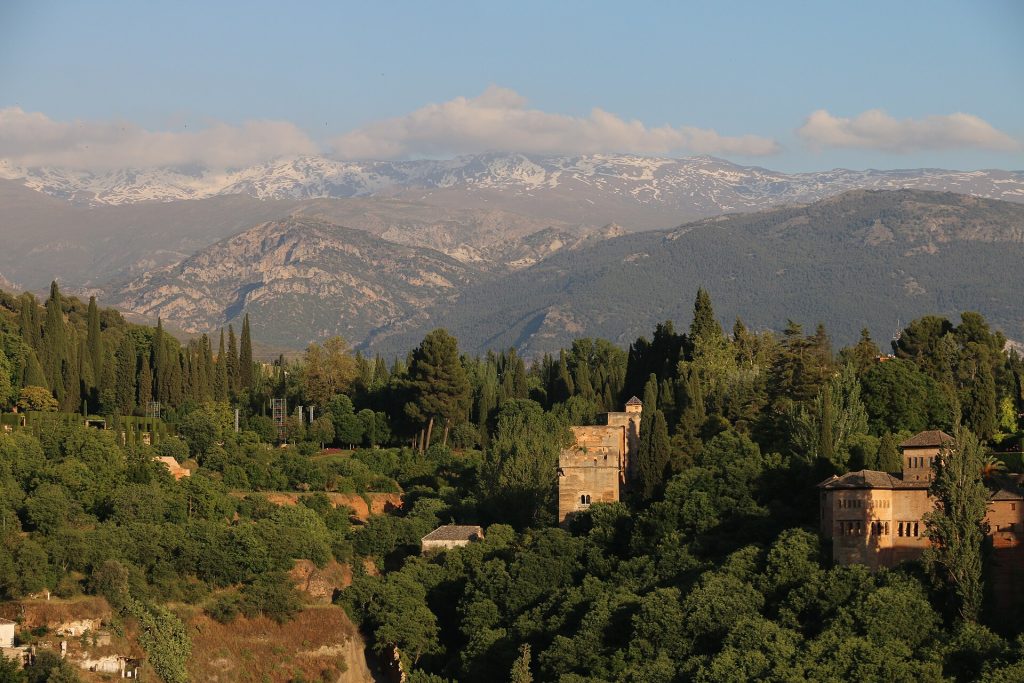
- Granada: a student city with a lively bar culture, the Alhambra and the hillside Albaicín. Many bars still serve a small free tapa with each drink, which makes evenings cheap and sociable.
- San Sebastián: compact, walkable and organised around pintxos bars in the Parte Vieja, where eating alone along a crowded counter is the norm. Accommodation is expensive, so book early.
Barcelona and Bilbao also work well alone; Barcelona simply needs more care with your belongings than anywhere else in the country.
Getting around: trains and buses
Spain’s high-speed network centres on Madrid. Renfe runs AVE and the cheaper Avlo services, and the private operators Ouigo and Iryo compete on the main lines, which helps keep fares down. Approximate fastest times: Madrid to Valencia in under two hours, Madrid to Seville in about two and a half, Madrid to Granada in a little over three, and Seville to Córdoba in around 40 to 45 minutes. Fares rise as departure approaches, and big stations run a quick luggage scan, so arrive 20 minutes early.
Buses fill the gaps. Alsa is the biggest intercity coach operator and covers routes the trains handle badly, such as Granada to Seville or many smaller towns. Coaches are comfortable and cheap, and on some routes as quick as the train; check which bus station you need.
Where to stay as a solo traveller
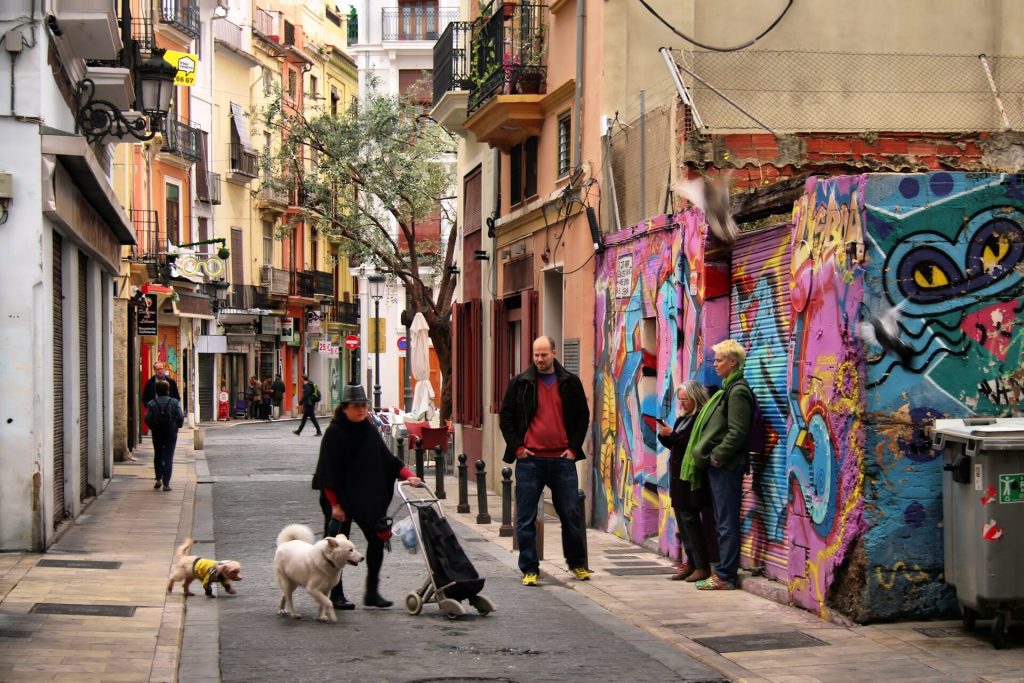
- Hostels: the main Spanish cities have many modern hostels, often with female-only dorms, lockers, bar areas and organised evenings such as tapas crawls or walking tours. Read recent reviews for the atmosphere you want: some are built for partying, others for sleep.
- Pensiones and hostales: despite the name, a hostal is a small, simple guesthouse with private rooms, not a hostel. These family-run places are often in old buildings in the centre, and a single room costs far less than a hotel.
- Apartments: fine for longer stays, but they cut you off from other travellers.
Whatever you book, prioritise location. A room in or near the old town lets you walk home after dinner without relying on night transport.
Eating alone in Spain
This is where Spain is kindest to solo travellers. In a tapas or pintxos bar, stand at the counter, order one drink and one or two small plates, then move on to the next bar. Nobody expects you to stay long, and staff are used to people dropping in on their own. In Granada, and in Jaén and Almería too, a free tapa often arrives with each drink; you usually do not choose it in Granada.
At lunchtime, look for the menú del día chalked on a board outside: a fixed-price weekday lunch, usually with a starter, a main, dessert or coffee, bread and a drink. It is the best-value meal in the country and filling enough that you can make do with tapas in the evening.
Central covered markets, where some stalls serve food at small counters, are another easy solo meal. For company, book a cooking class or a guided food tour.
Staying safe
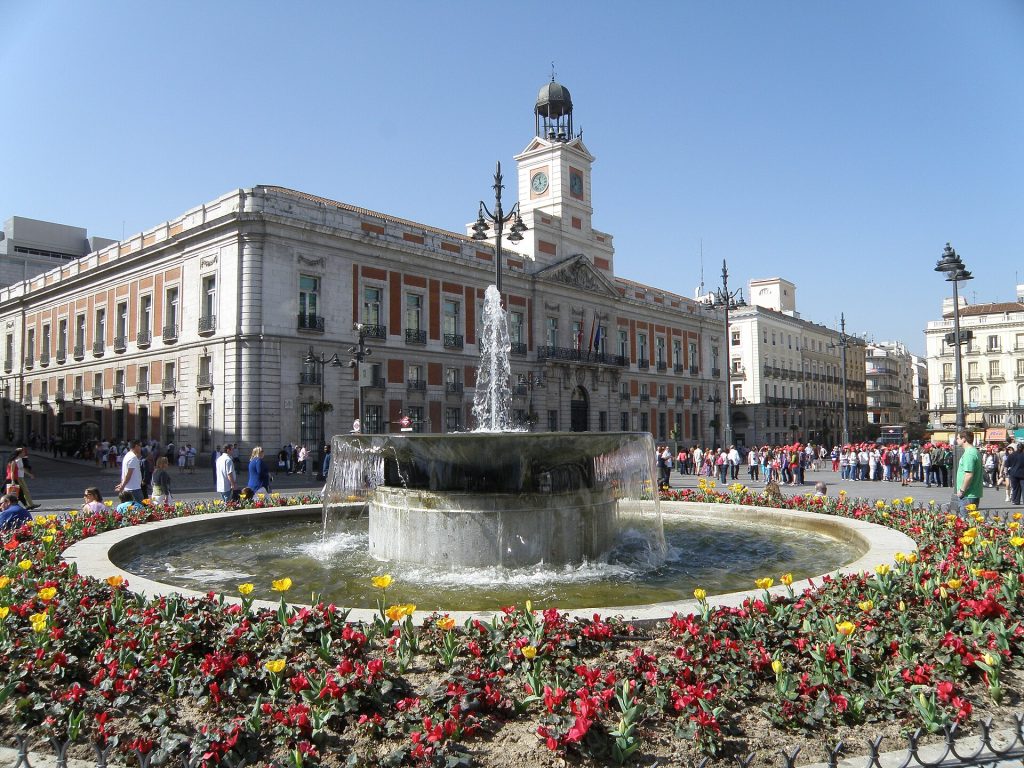
Spain is generally a safe country, and the main risk for visitors is petty theft. Pickpockets work busy metro lines, crowded squares such as Puerta del Sol, beaches and café terraces, with Barcelona the worst affected. Keep your phone off the table, wear a bag that closes and sits in front of you, and split cards and cash. Our guide to avoiding pickpockets in Europe covers the common tricks in more detail.
- Emergencies: dial 112, which connects to police, ambulance and fire services.
- Nights out: keep an eye on your drink, and use official taxis or ride-hailing apps rather than accepting lifts.
- Hiking alone: tell someone your route, carry plenty of water in summer and start early to avoid the afternoon heat.
Meeting people
The quickest route to company is a walking tour. Most cities have tip-based free walking tours that start from a main square once or twice a day, and they tend to attract other solo travellers who are happy to get a drink afterwards.
Language exchanges, known as intercambios, are a better way to meet Spaniards. They are regular evenings, often in bars, where locals practise English and visitors practise Spanish; Madrid, Valencia and Seville have several a week. Search social and meetup apps for “intercambio” plus the city name.
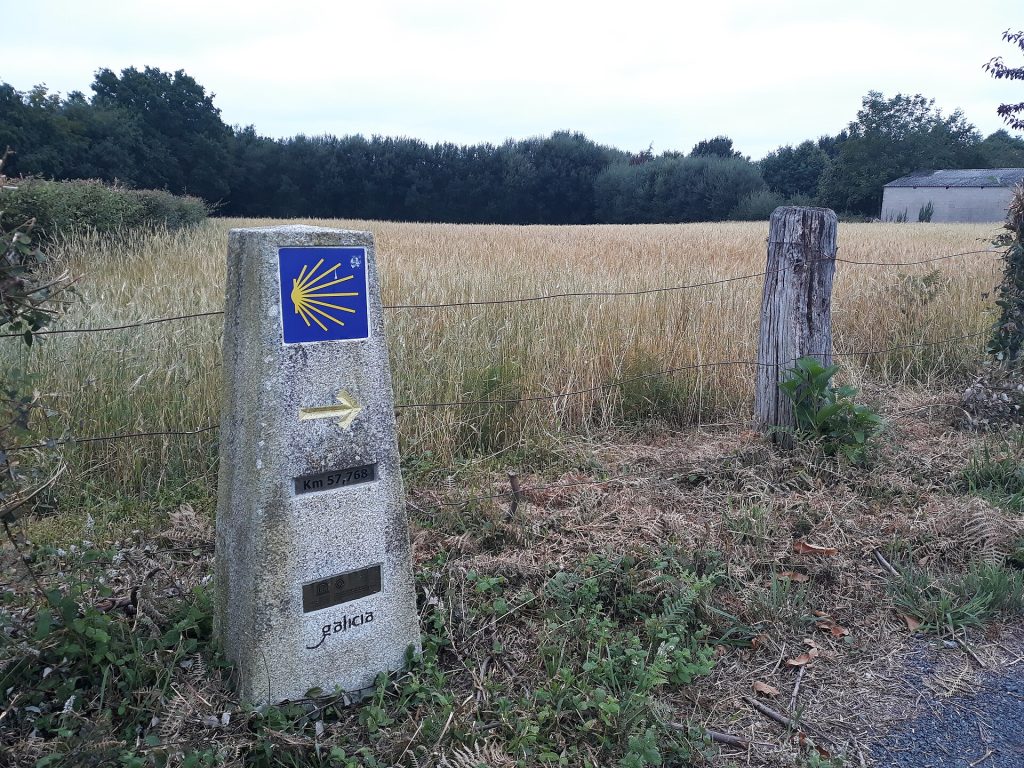
For a longer solo trip, the Camino de Santiago is the classic choice. The best-known route, the Camino Francés, runs about 780 km from Saint-Jean-Pied-de-Port in France to Santiago de Compostela and usually takes five weeks, but many people walk only the final stretch in Galicia. Pilgrims carry a credential stamped along the way and sleep in albergues, simple hostels where shared dinners make it hard to stay alone for long. To receive the Compostela certificate, pilgrims generally need to walk at least the last 100 km or cycle 200 km; check the current rules with the Pilgrim’s Office before you go.
Budget
Spain is mid-priced by Western European standards and cheaper than France, Italy or the UK for food and transport. Accommodation is the big variable for solo travellers, as there is no one to share a room with. San Sebastián, Barcelona and Madrid cost the most; Granada and smaller inland cities are noticeably cheaper.
- Save on sleep: dorm beds or a single room in a pensión, booked well ahead for weekends.
- Save on food: the menú del día at lunch and a few tapas in the evening.
- Save on sights: many state museums have free entry at certain times; check each museum’s website.
- Save on transport: book trains early and compare Renfe, Ouigo and Iryo with Alsa buses.
A sample 10-day solo route
This route flies into Valencia and out of Seville, so you never backtrack. Every leg is a train or bus of four hours or less.
- Days 1 and 2, Valencia: the old town, the Central Market, a bike ride through the Turia gardens and an evening on the beach. An easy, low-pressure start.
- Days 3 to 5, Madrid: train in under two hours. Join a walking tour on the first morning, spend a day on the Prado and the Retiro, and try a language exchange in the evening.
- Days 6 and 7, Granada: train of about three hours. Visit the Alhambra on a pre-booked ticket, walk up to the Mirador de San Nicolás at sunset, then work through the free tapas.
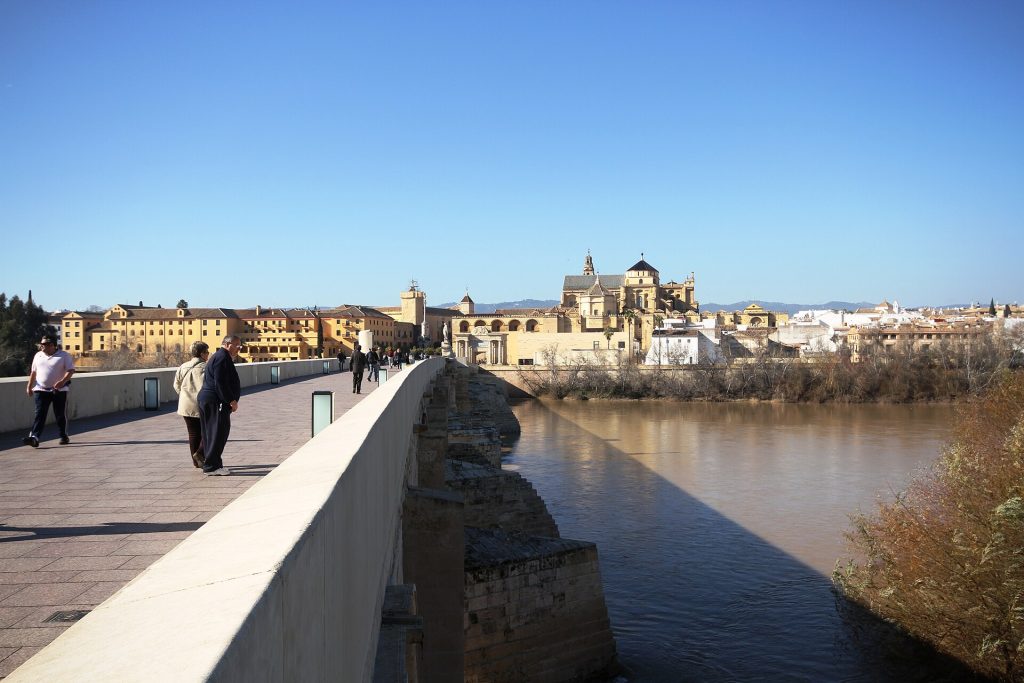
- Days 8 to 10, Seville: about three hours by Alsa bus or train. Explore the Cathedral and the Real Alcázar, cross the river to Triana, and take a day trip by train to Córdoba for the Mezquita.
For a northern variation, swap Granada and Seville for San Sebastián and Bilbao, linked by a regular bus of about an hour and a quarter.
Practical tips
- Book ahead: the Alhambra, the Sagrada Família and the Real Alcázar sell out, sometimes weeks in advance.
- Midday closures: some small shops close for a few hours in the afternoon, especially in the south and in smaller towns; big stores and chains stay open.
- Beach towns: some shops and supermarkets do not let customers in wearing only swimwear; cover up first.
- Festivals: Seville’s Feria and Holy Week, and Valencia’s Fallas in March, are spectacular but push up room prices; check dates before you book.
Plan your trip to Spain
- Tickets and tours in Spain: tickets and tours on Tiqets · activities on Klook
- Arriving by plane: pre-book an airport transfer with Welcome Pickups
- Road trip: compare car hire on Localrent
- Mobile data: get a travel eSIM from Airalo
Some of these are affiliate links: if you book through them we may earn a small commission, at no extra cost to you.
Planning a bigger trip? See our guide to the 25 best places to visit in Europe, from city breaks to fjords.
Keep exploring
- Travelling in Europe for the First Time: A Practical Guide
- The Environmental Benefits of Travelling by Train in Europe
- Europe’s Finest Food Markets: 10 Markets Worth Travelling For
Frequently asked questions
Is Spain safe for solo female travellers?
Spain is generally considered one of the safer countries in Europe for women travelling alone. The usual precautions apply: watch your drink, use licensed taxis at night and stay in central, well-reviewed accommodation. Female-only dorms are common in Spanish hostels.
Which Spanish city is best for a first solo trip?
Madrid is the easiest, thanks to its transport links, museums, hostels and walking tours. Granada is the most sociable for a smaller budget, and Valencia suits those who want a quieter pace with a beach.
Is it weird to eat alone in Spain?
No. Standing at a bar counter with a drink and a tapa is normal for anyone, alone or not. For a sit-down meal, the weekday menú del día at lunchtime is full of people eating on their own.
Photos: José Luiz, CC BY-SA 3.0, via Wikimedia Commons; Øyvind Holmstad, CC BY-SA 4.0, via Wikimedia Commons; Enric, CC BY 4.0, via Wikimedia Commons; Jorge Franganillo from Barcelona, Spain, CC BY 2.0, via Wikimedia Commons; Viennevi, CC BY-SA 3.0, via Wikimedia Commons; Simon Burchell, CC BY-SA 4.0, via Wikimedia Commons.