Updated
Europe is one of the easiest places in the world for a first big trip. Distances are short, trains link most major cities, and in much of the continent you can cross several borders without showing a passport. It also has more rules than first-timers expect: entry limits, new digital border checks, different currencies, and tickets that must be booked weeks ahead.
This guide covers the practical side of travelling in Europe for the first time: how the Schengen Area works, what the new EES and ETIAS systems mean, how to handle money, how to get around and what to book in advance. Rules change, so always confirm entry requirements on official government sites before you travel.
Travelling in Europe at a glance
- Entry rules: most visa-free visitors can stay up to 90 days in any 180-day period in the Schengen Area.
- Borders: since April 2026 the EES records non-EU visitors’ fingerprints and a facial image at Schengen external borders instead of stamping passports.
- Money: the euro is used in 21 EU countries, but the UK, Switzerland, Poland, Czechia, Hungary, Romania and the Nordic countries outside Finland have their own currencies.
- Getting around: trains for city-to-city trips under about five hours, budget flights for longer hops.
- When to go: April to early June and September to October for good weather with smaller crowds.
Step 1: Understand the Schengen Area
The Schengen Area is a group of 29 European countries that have removed routine passport checks at their shared borders. It includes most EU members plus Iceland, Liechtenstein, Norway and Switzerland. Bulgaria and Romania became full members in January 2025. Ireland and Cyprus are in the EU but not in Schengen (Cyprus is preparing to join, so check the latest), and the UK is outside both, so expect passport checks when travelling to or from them.
If you do not need a visa, you can usually stay in the Schengen Area for up to 90 days in any rolling 180-day period. This is a total across all Schengen countries, not per country. The days are counted backwards from each date you are in the area, so a long trip earlier in the year can limit a second trip later. Use the European Commission’s official short-stay calculator if your dates are close.
Your passport should have been issued within the last ten years and be valid for at least three months after the date you plan to leave. Some nationalities need a Schengen visa in advance; check with the embassy of the country you will visit first or spend the most time in.
Step 2: Know about EES and ETIAS
The Entry/Exit System (EES) is now fully operational. It began a phased roll-out in October 2025 and has run at all Schengen external borders since 10 April 2026. For non-EU nationals on short stays, it records your name, passport details, fingerprints and a facial image, plus the date and place of each entry and exit. It replaces passport stamps and automatically counts your 90 days. There is no fee and nothing to apply for, but your first crossing can take longer while your details are registered, so allow extra time at airports, ports and land borders.
The European Travel Information and Authorisation System (ETIAS) is different. It will be an online travel authorisation, linked to your passport, for visa-exempt visitors to most Schengen countries. As of late 2026 it is not yet in operation and has been postponed several times; the latest reports point to a launch in 2027, with a transition period after it starts. You do not need to apply now. When it does launch, apply only through the official EU website and be wary of look-alike sites that charge extra.
The UK runs its own scheme. Most visitors who do not need a UK visa, including Europeans and travellers from the USA, Canada and Australia, need an Electronic Travel Authorisation (ETA) before travelling to Britain.
Step 3: Sort out money
Bulgaria became the 21st EU country to use the euro in January 2026. Several countries that are popular with first-time visitors still use their own currency, including the UK (pound), Switzerland (franc), Czechia (koruna), Poland (złoty), Hungary (forint), Denmark, Norway and Sweden (krone and krona).
Contactless card payments are accepted almost everywhere in northern and western Europe, and widely in the south and east. Even so, carry a little cash for markets, small cafés, rural buses and public toilets. A few practical rules save money:
- Use a card with low or no foreign transaction fees.
- When a card machine or cash machine asks whether to pay in your home currency or the local one, choose the local currency. The conversion offered at the till is usually worse.
- Withdraw cash from bank-run machines; standalone machines in tourist areas often charge high fees.
- Service is often included in restaurant bills. Where it is not, rounding up or leaving around 5 to 10 percent is normal in most countries.
Step 4: Plan how to get around
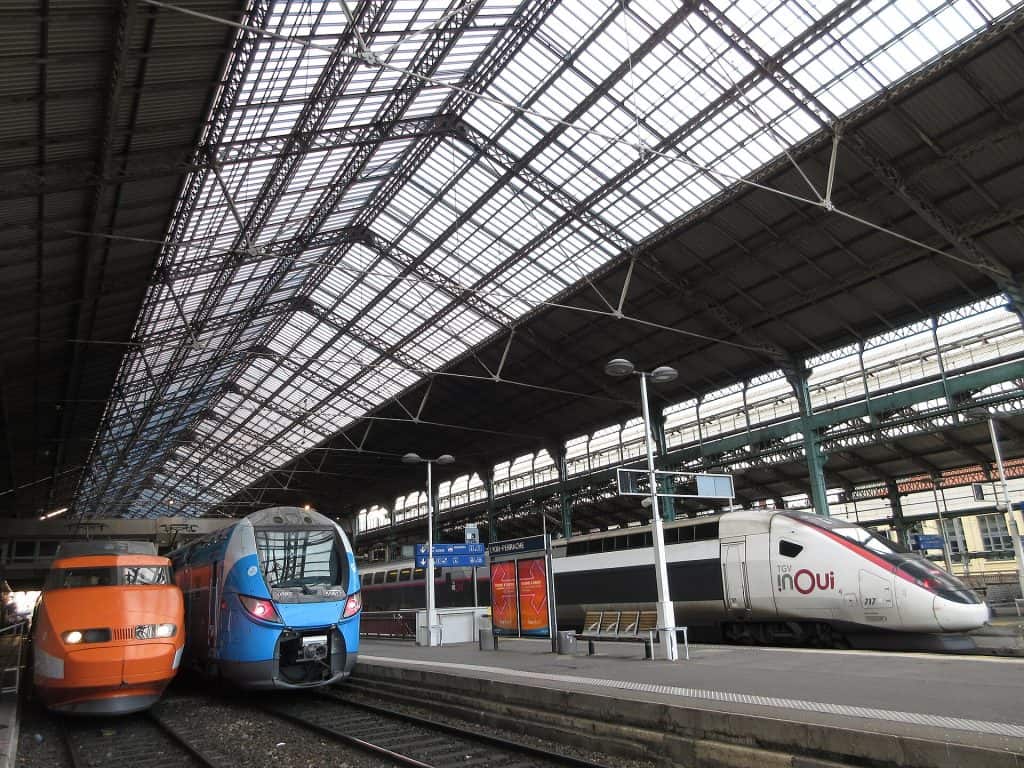
Trains are the most comfortable way to travel between nearby cities. High-speed lines link Paris, Brussels, Amsterdam, London, Cologne, Madrid, Barcelona, Milan, Rome and many more. City centre to city centre, a train is often as fast as flying for trips up to about four or five hours. Book high-speed trains such as Eurostar, TGV and Frecciarossa in advance for the best fares; regional trains are usually fixed-price and can be bought on the day.
Rail passes suit long, flexible trips. Eurail (for non-European residents) and Interrail (for European residents) cover more than 30 countries, but many high-speed and night trains need a paid reservation on top, so compare against point-to-point fares.
Budget airlines are useful for longer distances, such as London to Athens or Lisbon to Kraków. Read the baggage rules carefully, since cabin bags and checked luggage are often extra, and check how far the airport is from the city. Long-distance buses are the cheapest option and cover routes trains do not.
In cities, public transport is usually excellent. In some countries, Italy in particular, you must validate paper tickets in a machine before boarding. If you plan to drive, check whether you need an International Driving Permit, buy motorway vignettes where required (Austria, Switzerland and Czechia among them), and look out for low-emission zones in city centres.

Step 5: Book the right things in advance
You do not need to plan every day, but some things sell out. Timed tickets are essential for the Alhambra in Granada, the Sagrada Família in Barcelona, Leonardo’s Last Supper in Milan and the Vatican Museums, and strongly advised for the Louvre, the Uffizi and the Anne Frank House. Book these as soon as your dates are fixed, and buy only from the official site or authorised sellers.
Accommodation in summer and around big events fills fast, so book early and choose free cancellation where possible. Many cities charge a nightly tourist tax, often paid at check-in. Venice also charges day-trippers an access fee on selected peak days, so check the city’s official calendar if you plan a day visit.
Timing matters. July and August bring the highest prices and biggest crowds, especially in southern Europe. April to early June and September to October usually give the best balance of weather and value, while winter is quieter and cheaper except around Christmas markets and ski resorts.
Step 6: Stay safe and healthy
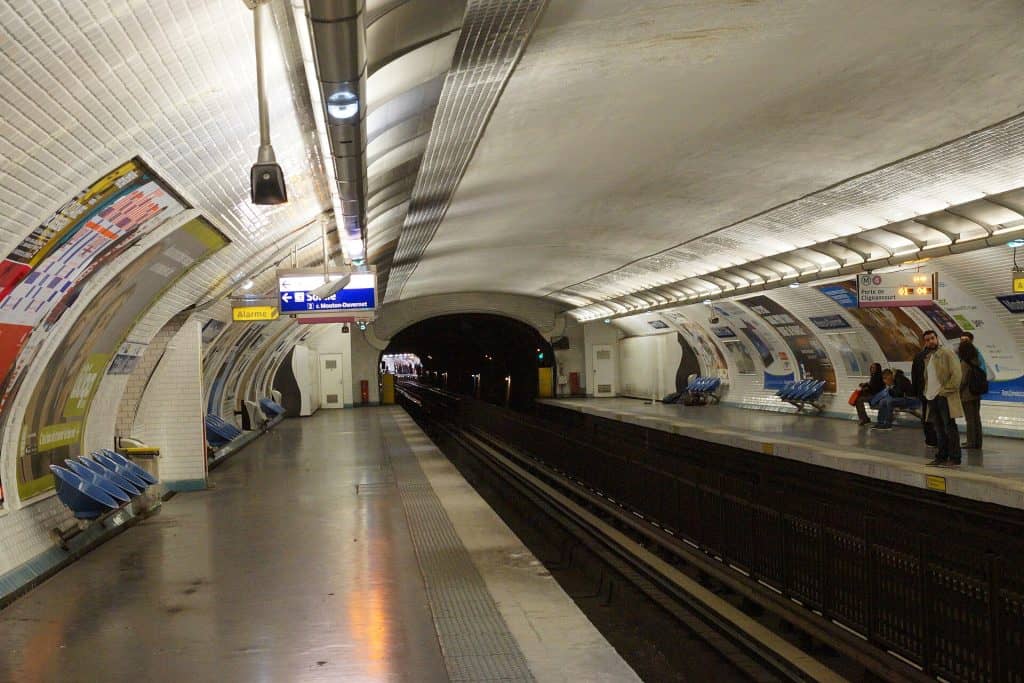
Europe is generally safe for visitors, and the most common problem is petty theft. Pickpockets work crowded metros, busy stations and major sights. Keep phones out of back pockets, use a zipped bag worn in front of you on public transport, and be wary of anyone asking you to sign a petition or offering a friendship bracelet.
The emergency number 112 works across the EU and in several other European countries. Take out travel insurance that includes medical cover. EU residents should carry a European Health Insurance Card, and UK residents a Global Health Insurance Card, though neither replaces insurance. Tap water is safe to drink in most of Europe; ask locally if in doubt.
Step 7: Phones, plugs and the little things
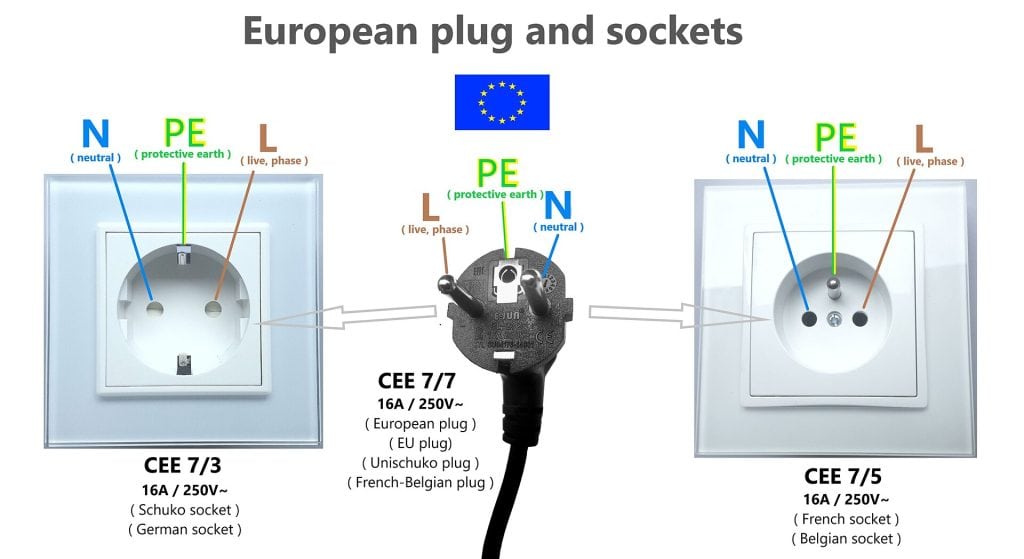
If your phone plan comes from an EU or EEA country, roaming within the EU is usually charged at domestic rates. Other plans can be expensive, so buy a local SIM or an eSIM data plan. Most of continental Europe uses 230-volt power and two-pin round plugs, but the UK and Ireland use three-pin plugs, and Switzerland and Italy have their own variants, so pack a universal adaptor.
Shops close early or all day on Sundays in parts of Germany, Austria and elsewhere, and many museums close one day a week, often Monday. Learning a few words of the local language, such as hello, please and thank you, goes a long way.
A simple first-timer route
For a first two-week trip, link three or four cities by train rather than trying to see ten. Two classic options:
- London, Paris, Amsterdam: high-speed trains connect all three, and each is worth at least three nights.
- Rome, Florence, Venice: Italy’s fast trains cover this route in a few hours per leg, with day trips to Siena or Verona.
Fly into one city and out of another to avoid backtracking.
Plan your trip
- Tickets and tours in Europe: tickets and tours on Tiqets · activities on Klook
- Arriving by plane: pre-book an airport transfer with Welcome Pickups
- Road trip: compare car hire on Localrent
- Mobile data: get a travel eSIM from Airalo
Some of these are affiliate links: if you book through them we may earn a small commission, at no extra cost to you.
Planning a bigger trip? See our guide to the 25 best places to visit in Europe, from city breaks to fjords.
Keep exploring
- Greece on a Budget: 9 Practical Tips for Ferries, Food and Rooms
- How to Avoid Pickpockets in Europe: Practical Tips for Travellers
- Solo Travel in Europe: Practical Tips for Travelling Alone
Frequently asked questions
Do I need a visa to travel to Europe?
It depends on your nationality. Citizens of many countries, including the USA, Canada, the UK and Australia, can visit the Schengen Area visa-free for up to 90 days in any 180-day period. Others need a Schengen visa in advance.
Do I need ETIAS to visit Europe now?
No. As of November 2026 ETIAS is not yet operating, and the EU has not confirmed a start date; it will announce it several months in advance. The EES border registration is already in use, but it needs no application.
Is it cheaper to travel Europe by train or by plane?
For short distances, trains booked early are often similar in price once you add baggage fees and airport transfers to a flight. For long hops across the continent, budget flights are usually cheaper.
Photos: Rikki Mitterer, CC BY-SA 4.0, via Wikimedia Commons; S23725, CC BY-SA 4.0, via Wikimedia Commons; Jebulon, CC0, via Wikimedia Commons; Chris Sampson, CC BY 2.0, via Wikimedia Commons; Electro-world-standard, CC BY-SA 4.0, via Wikimedia Commons.