Updated · Facts and prices checked against official sources
Albania has become one of Europe’s favourite summer surprises: turquoise water to rival Greece, mountains wilder than the Alps, Ottoman-era towns of white houses and prices well below the rest of the Mediterranean. It’s still developing, so roads, signs and services can be patchy, but that’s part of its charm.
Here’s where to go in Albania in summer, from the beaches of the Riviera to the mountains of the north, with practical tips on getting around.
Albania in summer at a glance
- Best beaches: the Albanian Riviera between Dhërmi and Ksamil.
- Best history: Butrint, Gjirokastër and Berat.
- Best mountains: the Theth to Valbona hike in the Accursed Mountains.
- When to go: June and September are ideal. July and August are hot and the Riviera gets very busy.
- Money: the currency is the lek; euros are widely accepted on the coast, but you’ll get better value paying in lek.
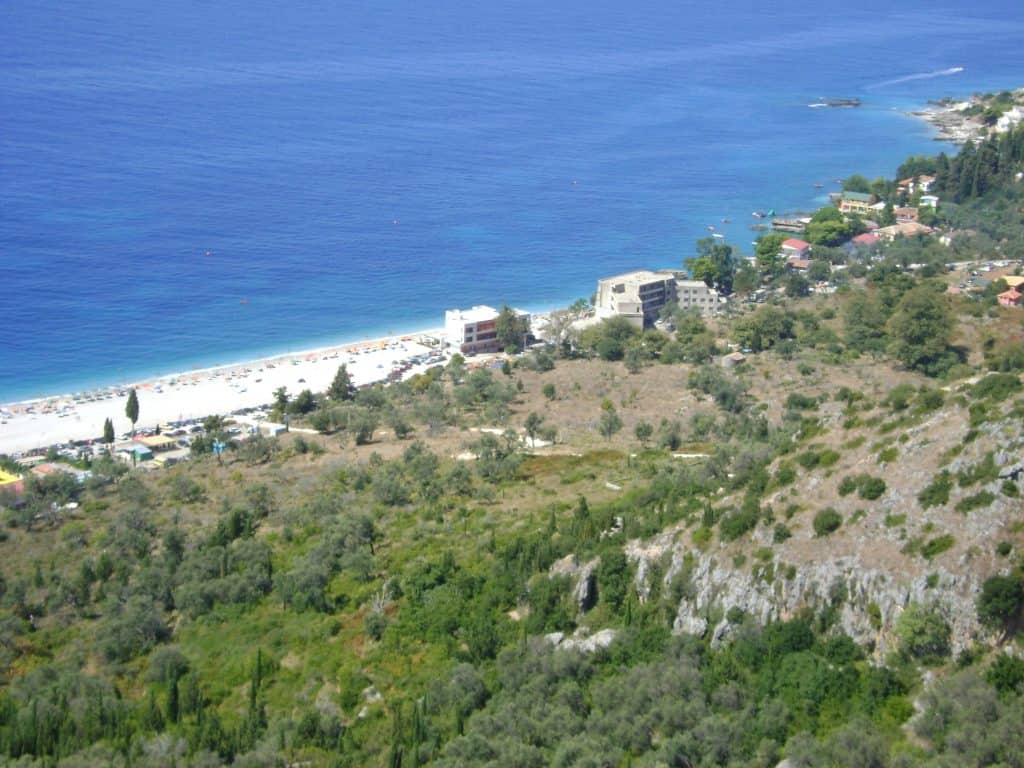
1. The Albanian Riviera: Dhërmi, Jale and Gjipe
South of the Llogara Pass, the coastal road drops more than 1,000 metres in a series of hairpins to a stretch of coast with pebbly beaches and very clear water. Dhërmi is the liveliest village, Jale is smaller, and Gjipe is a beach at the mouth of a canyon, reached by a short walk or by boat. Himarë, further south, is a relaxed small town with a castle above it.
Tip: the drive over the Llogara Pass is spectacular. Stop at the top for the view down the coast.
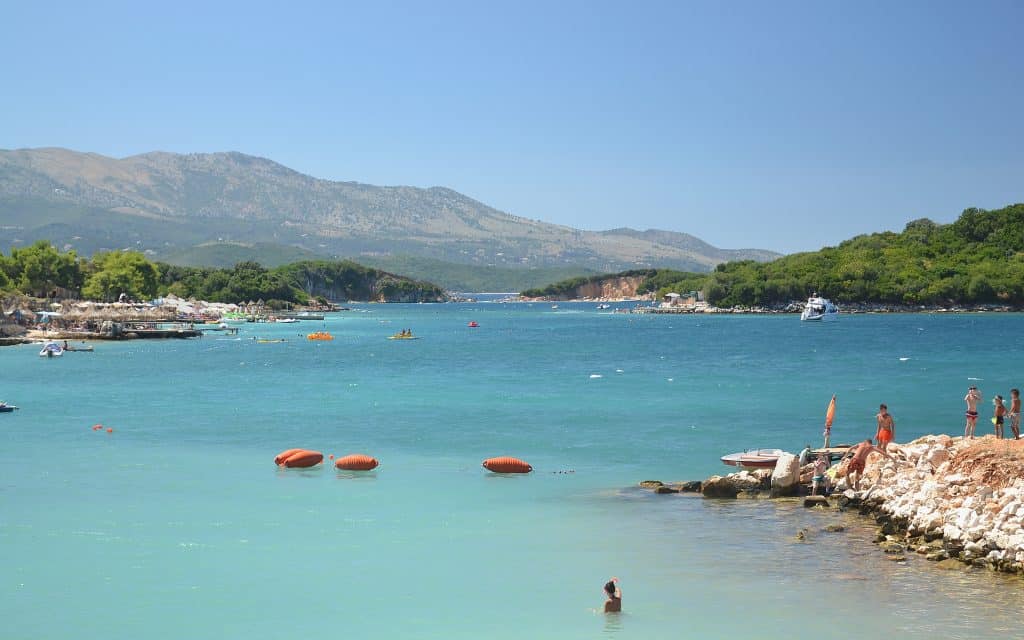
2. Ksamil and Sarandë
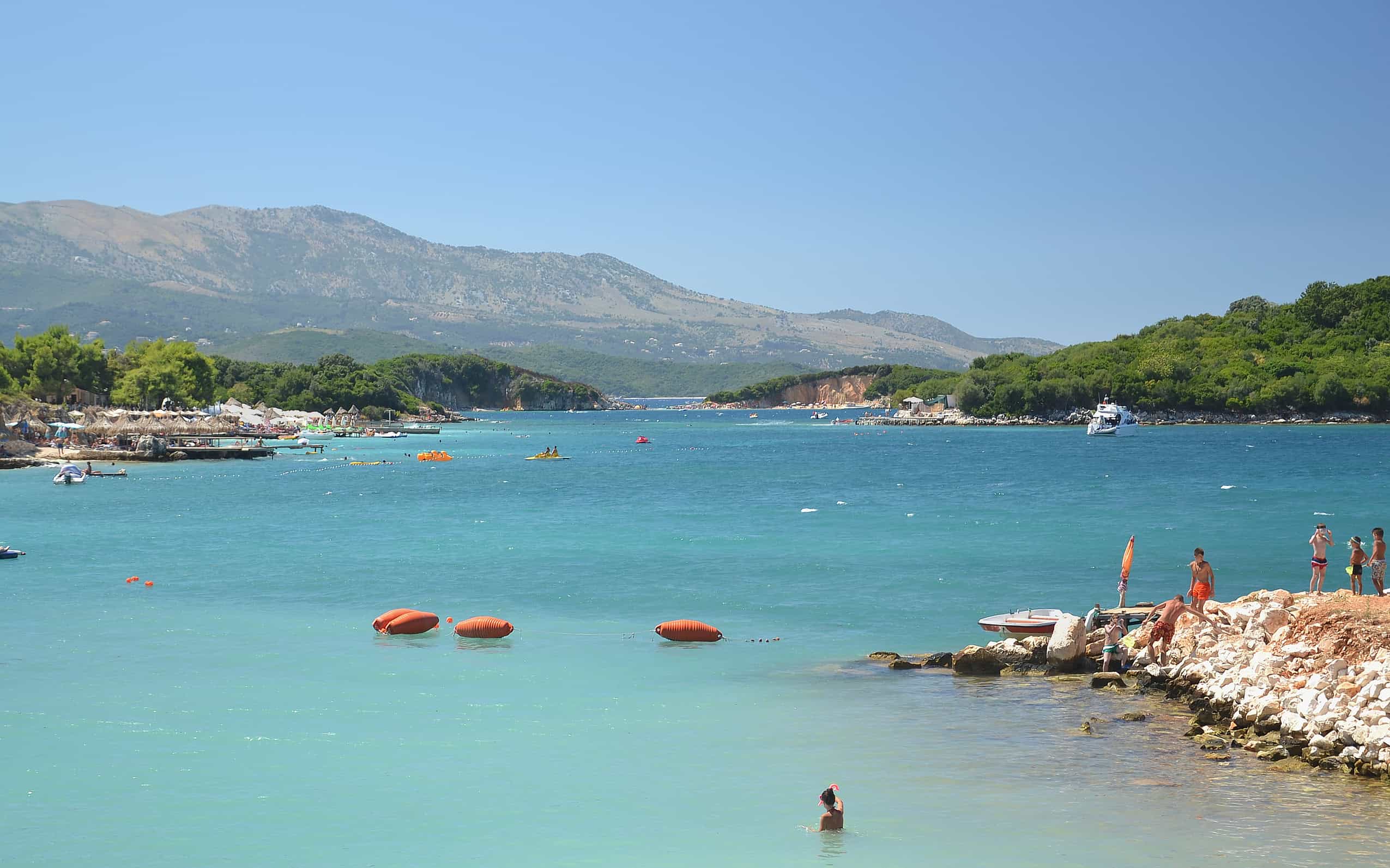
Ksamil, near the Greek border, has the most photographed water in Albania, with small wooded islands you can swim or paddle out to. In peak season the beaches fill with sunbeds, so come early or in June or September. Sarandë, 20 minutes north, is a bigger resort town with a long promenade and ferries to the Greek island of Corfu.
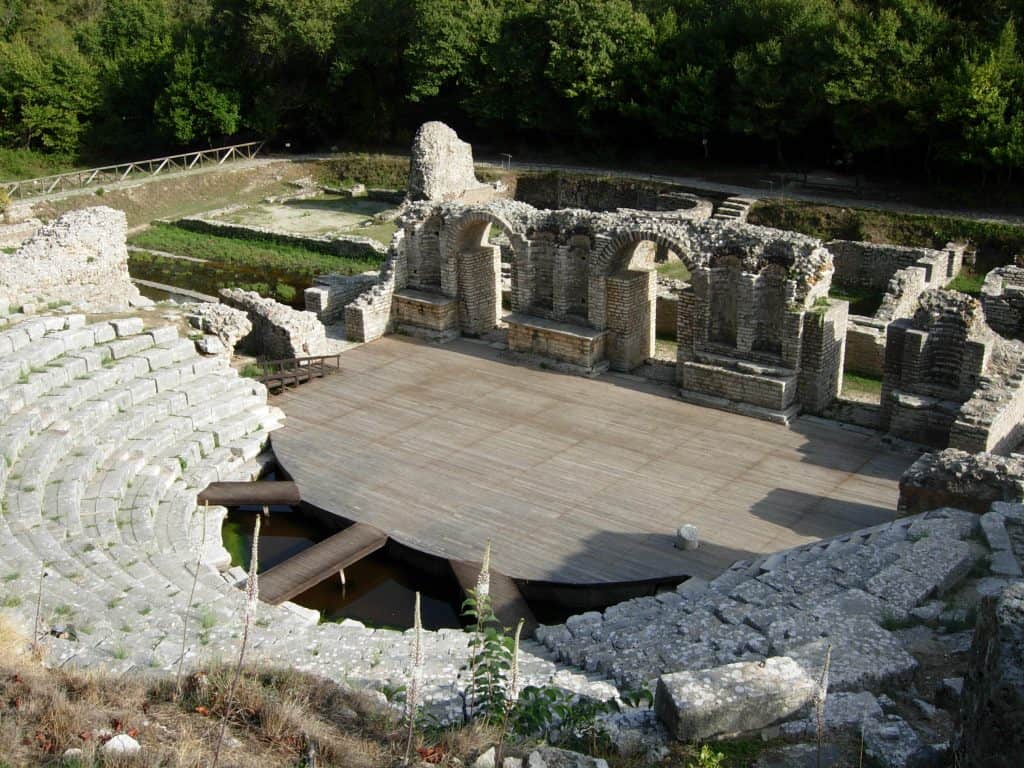
3. Butrint
A few kilometres from Ksamil, Butrint is one of the most important archaeological sites in the Balkans and has been on the UNESCO list since 1992. Greek, Roman, Byzantine and Venetian ruins are spread through a lush forest on a lagoon: a theatre, a baptistery with mosaic floors, city walls and a Venetian castle. Go early in the morning, before the heat and the tour buses.
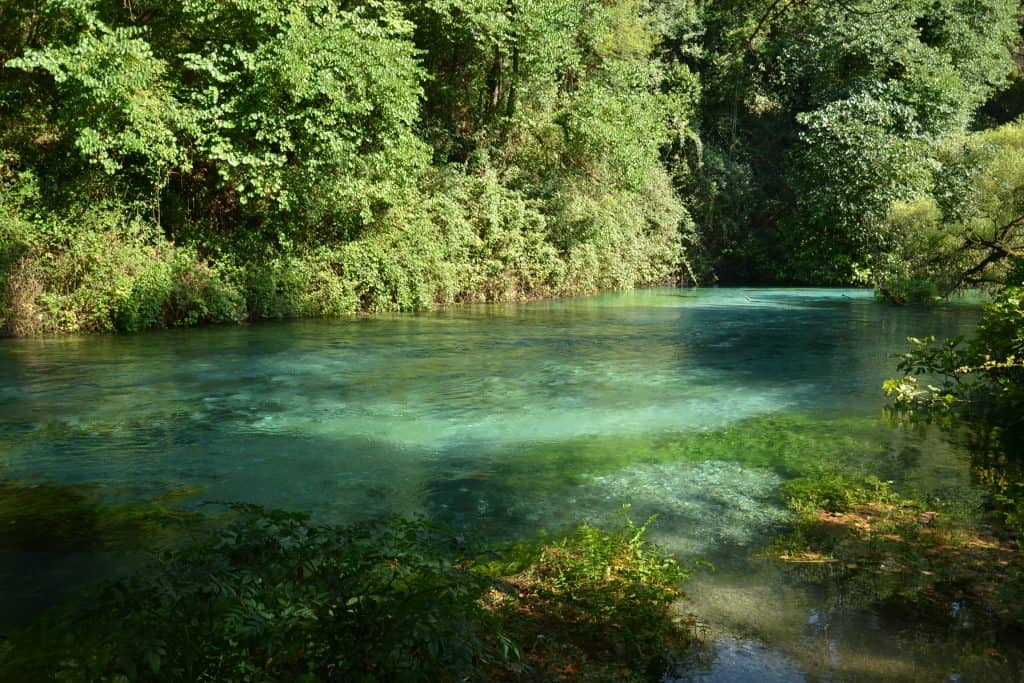
4. The Blue Eye (Syri i Kaltër)
Inland from Sarandë, a spring wells up from a deep hole in the riverbed, creating a circle of intense blue surrounded by green water. Swimming and jumping into the spring itself is no longer allowed, to protect it, but the short walk through the woods to see it is lovely. It’s an easy stop on the road between Sarandë and Gjirokastër.
5. Gjirokastër
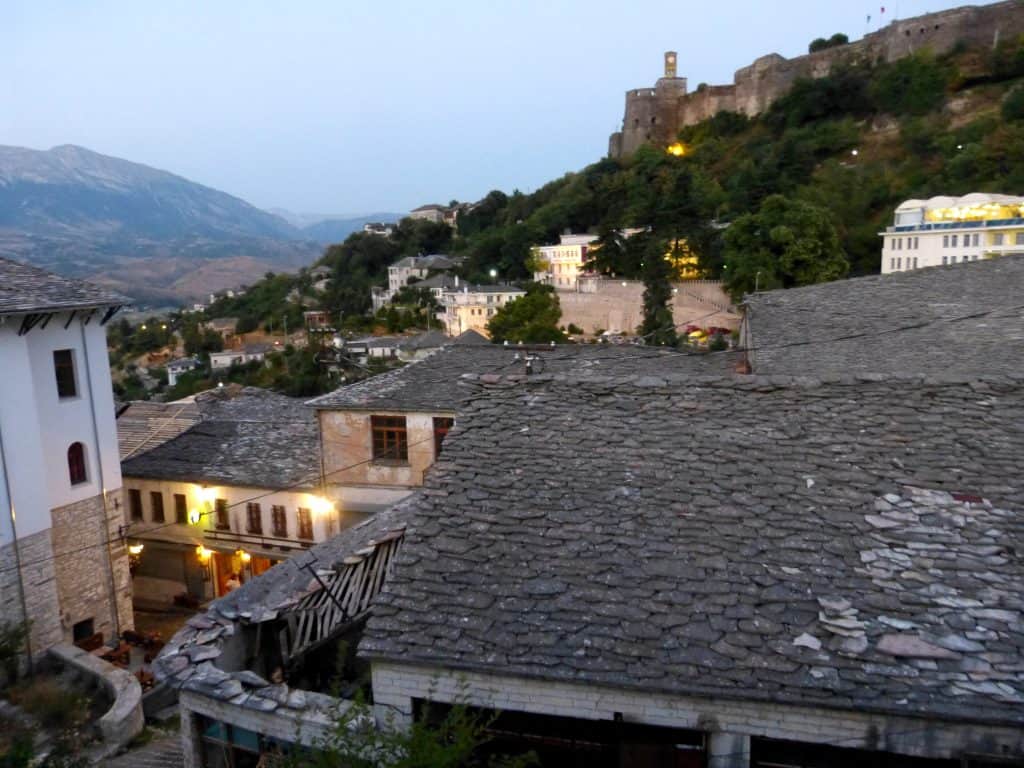
Known as the “city of stone”, Gjirokastër is a hillside town of Ottoman tower houses with grey stone roofs, below a huge castle. It has been a UNESCO World Heritage Site since 2005. Visit the Zekate House or the Skenduli House to see the traditional interiors, and walk the steep, cobbled bazaar quarter in the evening when it’s cooler.
6. Berat
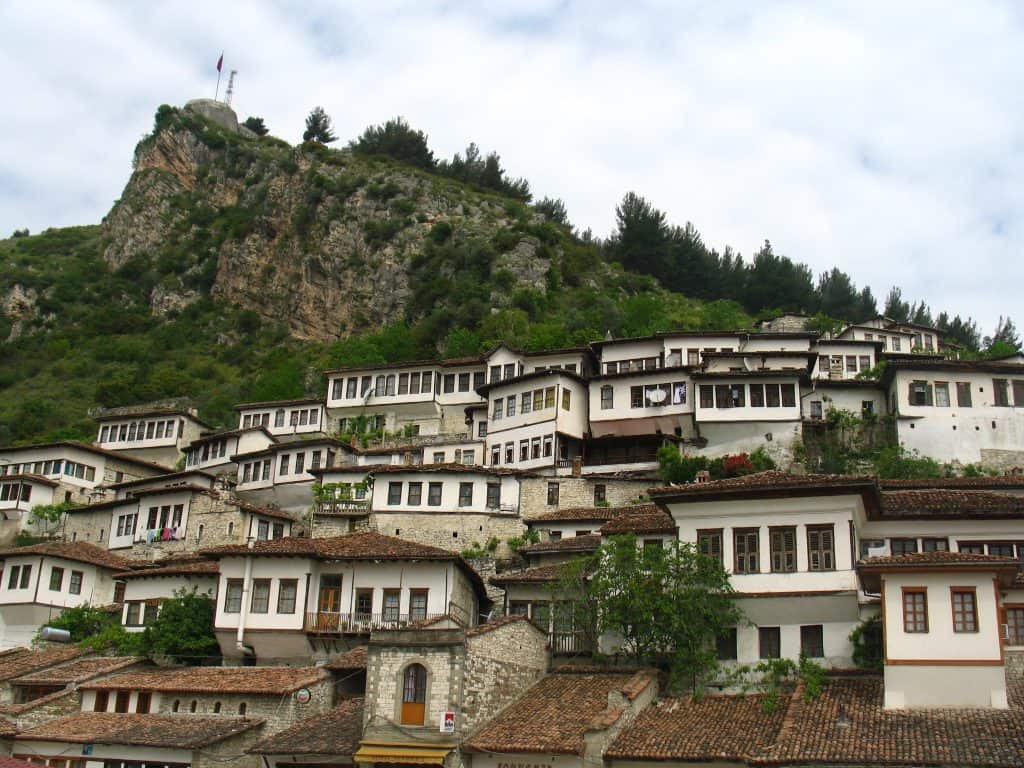
Berat’s white Ottoman houses, with rows of windows facing the river, gave it the nickname “the town of a thousand windows”. It was added to UNESCO’s list alongside Gjirokastër in 2008. The castle on the hill is still lived in, and its Onufri Museum has beautiful icons. The Osum Canyon nearby is good for rafting in spring.
7. Theth and Valbona
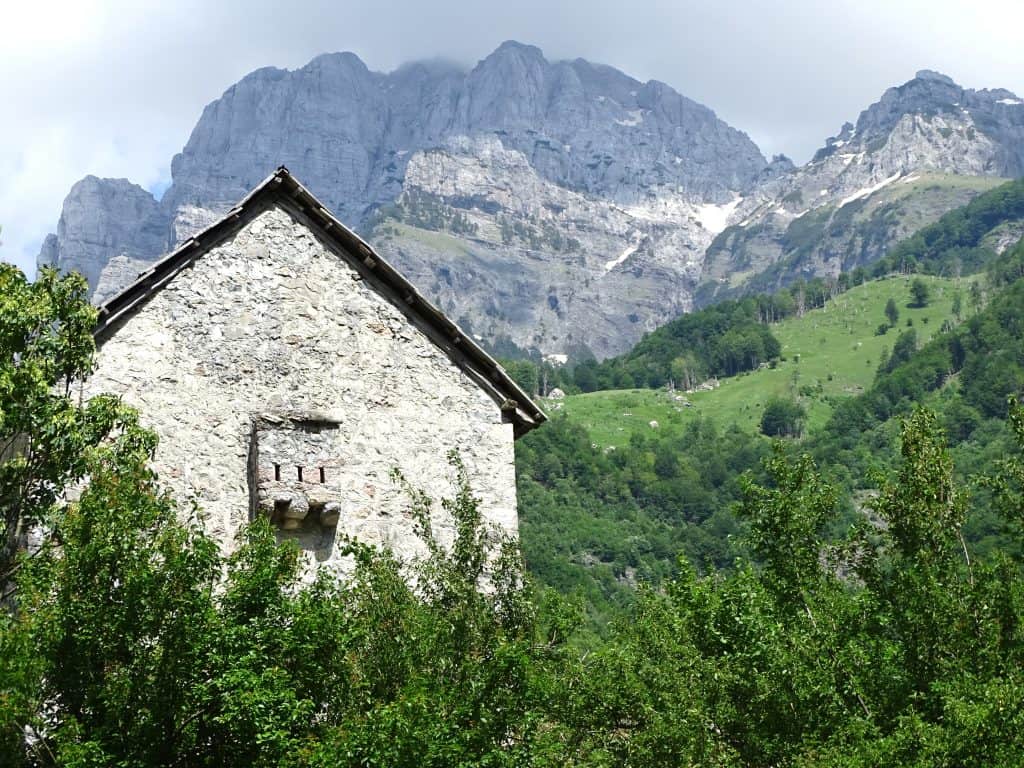
In the far north, the Accursed Mountains (also known as the Albanian Alps) are some of the wildest in Europe. The classic trip is the day hike over the Valbona Pass between the villages of Theth and Valbona, usually combined with the ferry across Lake Koman, which winds through a narrow, fjord-like gorge. Guesthouses in both villages serve home-cooked meals.
Tip: the hike takes six to eight hours. Go between late June and September and bring enough water.
8. Lake Ohrid
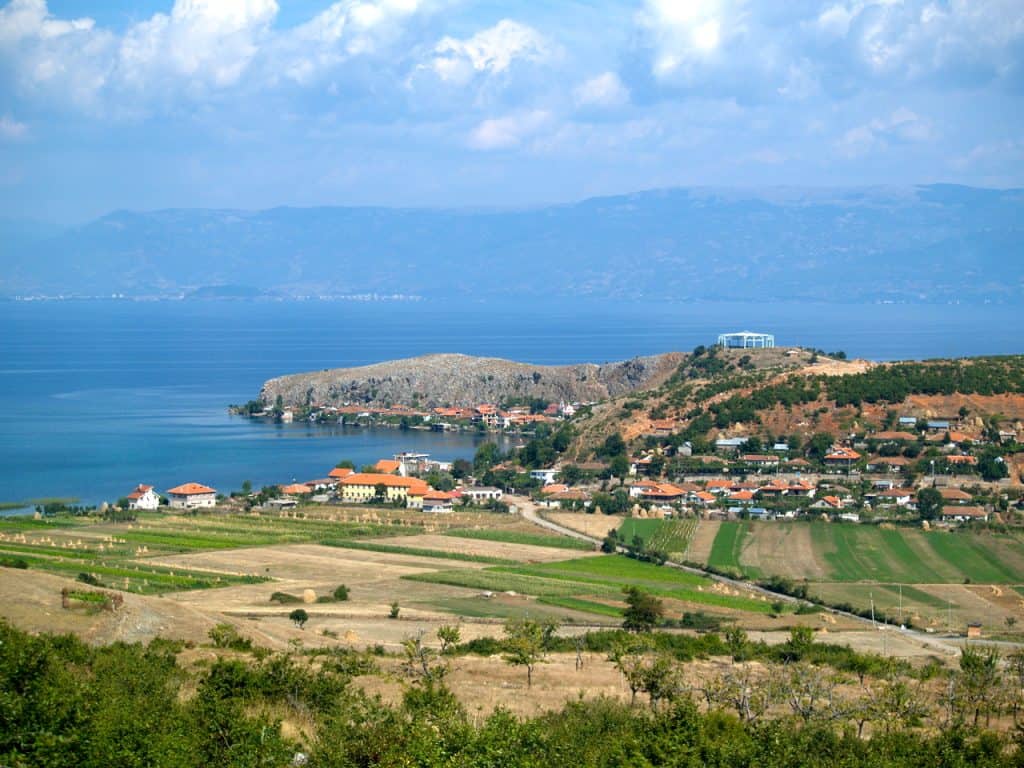
One of the oldest and deepest lakes in Europe is shared by Albania and North Macedonia, and both shores are on the UNESCO list. On the Albanian side, Pogradec is a low-key resort town, and the village of Lin, on a small peninsula, has an early Christian church with mosaic floors and lovely swimming spots.
Getting around Albania
- By car: the easiest way to see the country. Main roads are good, but mountain roads can be narrow and some drivers are bold. Avoid driving at night in rural areas.
- By bus and furgon: cheap buses and minibuses (furgons) link the main towns, but timetables are informal. Ask locally.
- Entry: Albania is not in the EU, but citizens of the EU, UK, US and many other countries can visit without a visa for short stays. Check the current rules for your passport.
A 10-day summer route
- Days 1 and 2: Tirana, then Berat.
- Days 3 and 4: Gjirokastër, with a stop at the Blue Eye.
- Days 5 to 7: Ksamil and Butrint.
- Days 8 to 10: the Riviera (Himarë, Jale or Dhërmi), then back to Tirana over the Llogara Pass.
With more time, add Lake Koman, Theth and Valbona in the north.
Keep exploring
- Albania’s most beautiful islands and how to reach them.
- The best Mediterranean vacation spots.
- The most beautiful places in Croatia, a short hop up the coast.
Frequently asked questions
Is Albania worth visiting in summer?
Yes. It offers some of the best beaches in the Mediterranean at lower prices than its neighbours. Avoid the first three weeks of August if you can, when the coast is busiest.
Where is the best beach in Albania?
Ksamil is the most famous; Gjipe, Jale and the coves around Himarë are quieter alternatives.
Is Albania safe for tourists?
Albania is generally considered safe for travellers, and Albanians have a strong tradition of hospitality. Take the usual precautions, especially on the roads.
Photos: Pudelek, CC BY-SA 4.0, via Wikimedia Commons; Igiann, public domain, via Wikimedia Commons; Valerie M, CC BY 2.0, via Wikimedia Commons; Pudelek (Marcin Szala), CC BY-SA 4.0, via Wikimedia Commons; Wolfgang Sauber, CC BY-SA 4.0, via Wikimedia Commons; Martin Brož, CC BY 3.0, via Wikimedia Commons; Adam Jones, CC BY-SA 2.0, via Wikimedia Commons; d_proffer, CC BY 2.0, via Wikimedia Commons.