Updated
These five places have little in common on paper: a lake village in Austria, a Basque port city, a car-free Swiss mountain village, a palace town outside Lisbon and an entire French region. What they share is that each rewards a little planning far more than a quick visit, and the most famous sight is rarely the best use of your time.
So this guide gives each place one practical angle, from a pilgrims’ path above the Wolfgangsee to Normandy’s apple country. Four of the five work well without a car.
The five at a glance
- St Gilgen, Austria: lake walks, Mozart family history and the Zwölferhorn, about 50 minutes by bus from Salzburg.
- Bilbao, Spain: the old town’s pintxo bars, a funicular from 1915 and San Juan de Gaztelugatxe on the coast.
- Wengen, Switzerland: a car-free base for short, rewarding walks above the Lauterbrunnen valley.
- Sintra, Portugal: the town palace and Moorish walls, with a plan that avoids the worst queues; about 40 minutes by train from Lisbon.
- Normandy, France: Bayeux, the Pays d’Auge cider route and the tiny river at Veules-les-Roses.
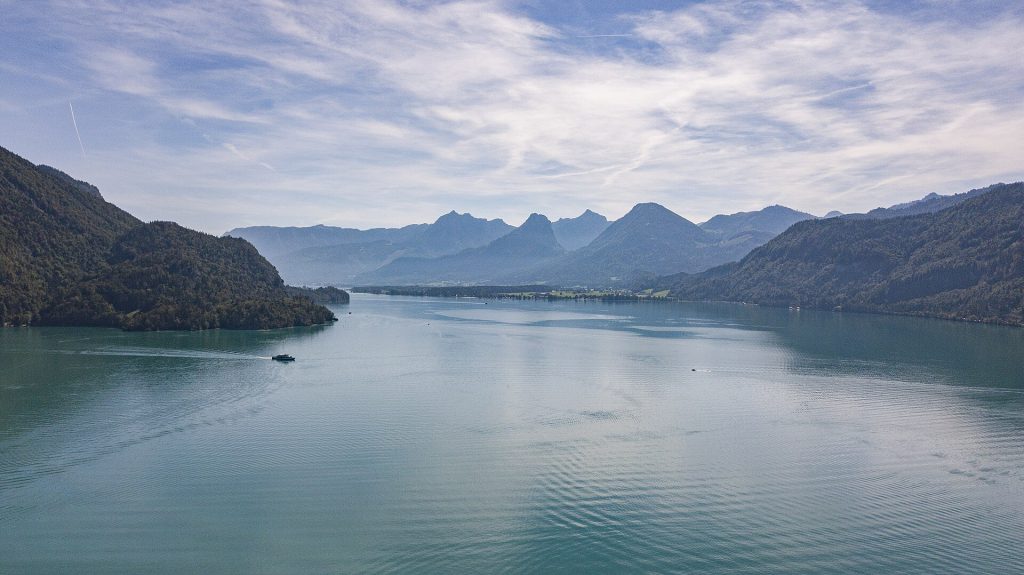
1. St Gilgen, Austria: the quiet end of the Wolfgangsee
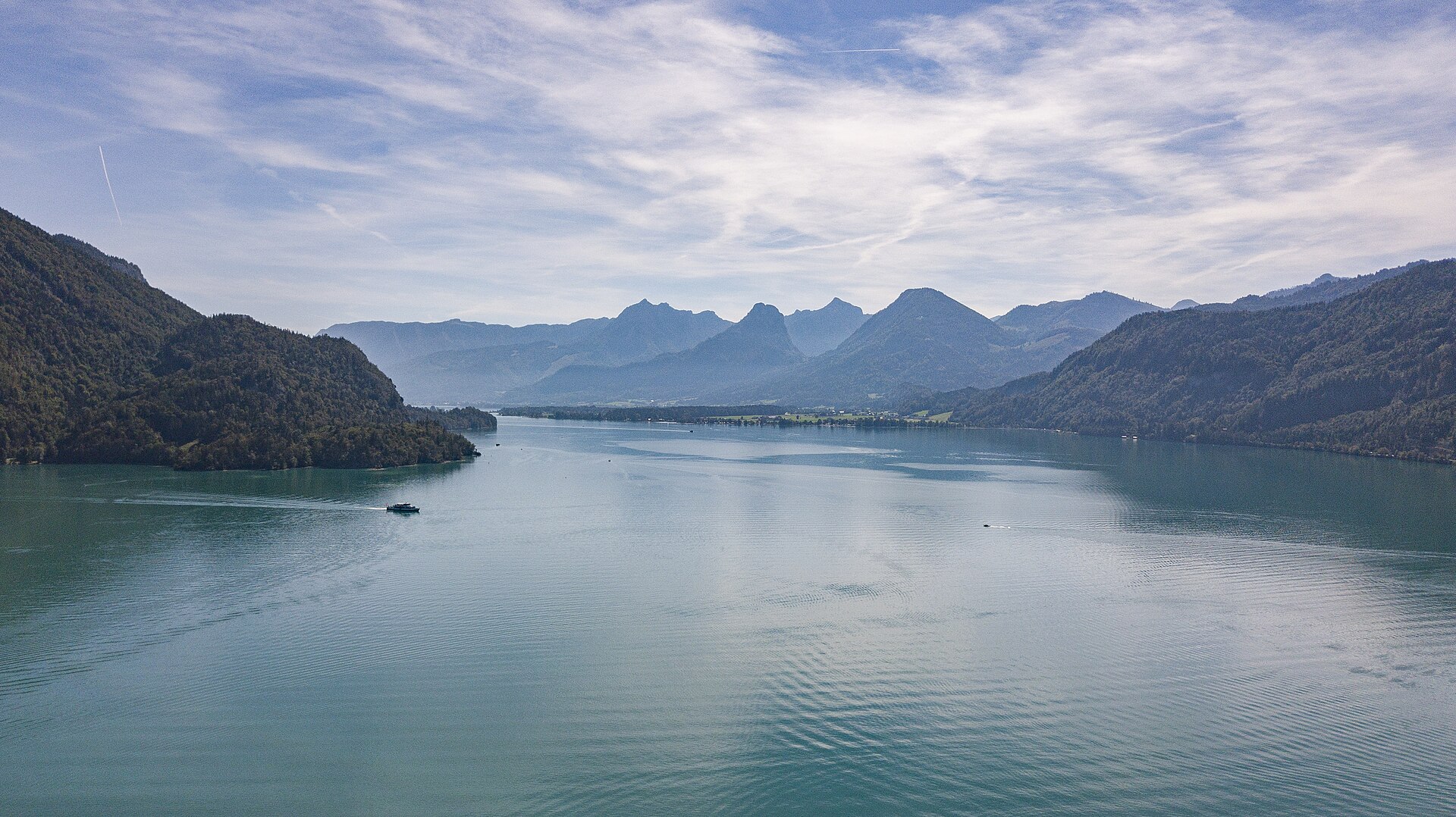
St Gilgen sits at the western tip of the Wolfgangsee, in the Salzkammergut lake district east of Salzburg. Postbus 150 from Salzburg Hauptbahnhof takes around 50 minutes and carries on along the shore towards Bad Ischl. The village is small and tidy, with painted houses and a lakefront promenade, and far calmer than Hallstatt.
The Mozart link is real, if indirect. Anna Maria Pertl, the composer’s mother, was born here on 25 December 1720 in the old district court building, where her father served as magistrate. Decades later her daughter Nannerl married the local magistrate and lived in the same house for 17 years. Mozart himself never came. The building is now a cultural centre known as the Mozarthaus; check whether it is open inside before planning around it.
For the view, take the Zwölferhorn cable car from the edge of the village to the summit at 1,522 metres, an 11-minute ride. The whole lake opens up below.
Our pick for a half-day is the old pilgrims’ way to St Wolfgang. It runs from Fürberg, on the north shore, over the Falkenstein and down through the hamlet of Ried, about two hours with one short, steep climb. Walk it one way and catch the lake boat back, which runs in the warmer months. The Schafberg cog railway leaves from St Wolfgang if you have another day.
2. Bilbao, Spain: pintxos, a funicular and a chapel on a rock
Many visitors arrive for the Guggenheim and leave the same evening. Stay two nights and Bilbao shows a different side. The Casco Viejo, the old town, grew up around seven parallel streets known as the Siete Calles, and it is still where the city goes out to eat. Bar counters are lined with pintxos, small bites on bread or skewers. Order two or three with a small glass of wine or cider, pay, and move on. Start around the arcaded Plaza Nueva.
For the layout of the city, ride the Artxanda funicular, which has climbed the hill on the north side since 1915. The trip takes about three minutes, and the viewpoint at the top looks down the river towards the Guggenheim and the mountains beyond. Down at the river mouth, the Vizcaya transporter bridge at Portugalete, a UNESCO World Heritage Site, is an easy metro ride away.
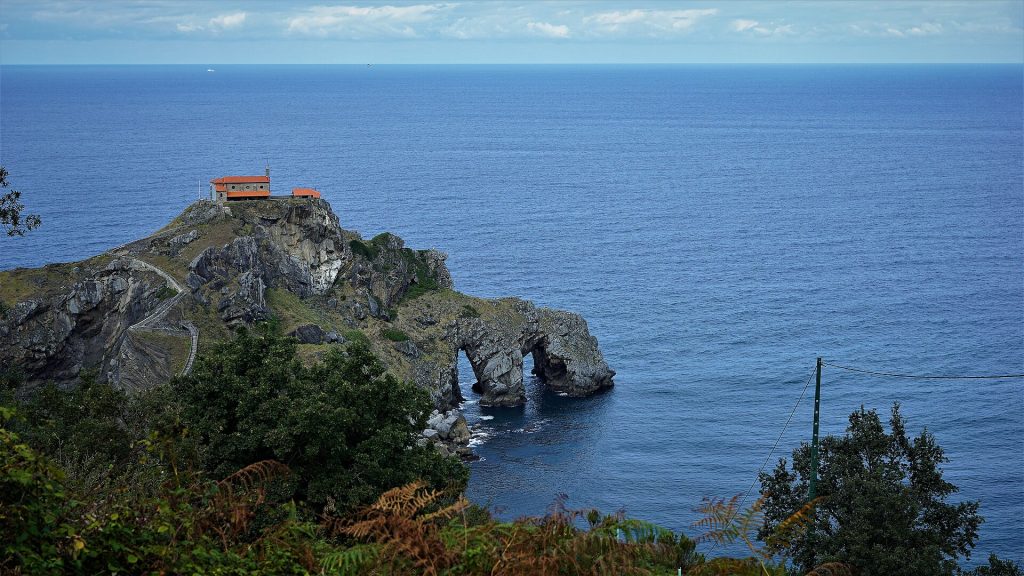
San Juan de Gaztelugatxe
About 35 km north-east of the city, near Bermeo, a small hermitage stands on top of a rocky islet joined to the coast by a narrow stone bridge and a long stepped path. It became famous as a Game of Thrones filming location. Access is free, but on busy days you need a free timed ticket booked online in advance, and weekend slots often run out.
Bizkaibus line A3527 from Bilbao’s Termibus station towards Bermeo stops at the site. Car parks fill early in summer, so drivers may have to park in Bakio or Bermeo. Allow two hours or more for the walk down and back up, wear proper shoes, and avoid the hottest part of the day.
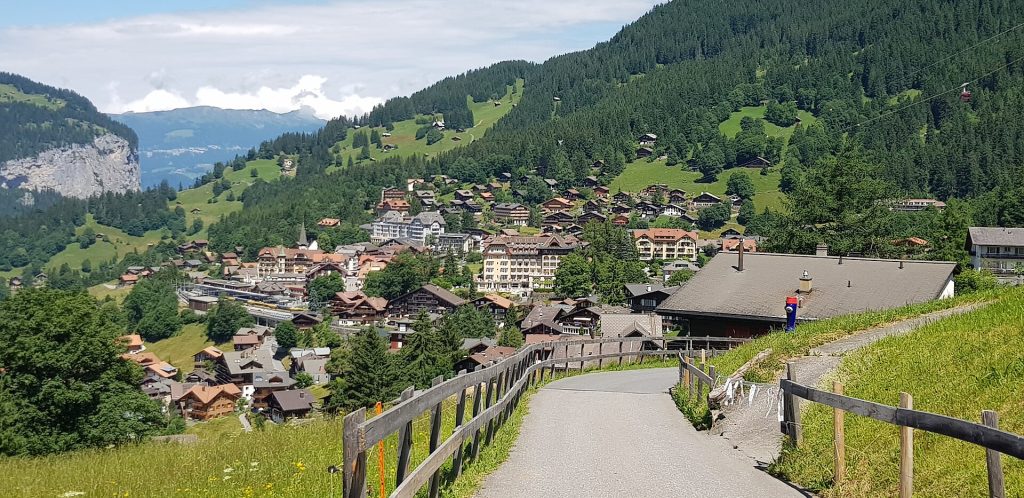
3. Wengen, Switzerland: a car-free base for high walks
Wengen sits on a sunny terrace at about 1,270 metres on the side of the Lauterbrunnen valley. There is no road up; you take the rack railway from Lauterbrunnen. The walks start from the village and the trains bring you back.
- The Royal Walk: the cable car from the village centre rises to Männlichen. From the top station a signposted path climbs for 20 to 30 minutes to a viewing platform shaped like a crown, with the Eiger, Mönch and Jungfrau lined up across the valley. In summer you can pay a supplement to ride on an open balcony on the cable car roof.
- Down to Lauterbrunnen: a signposted path drops steadily from Wengen to the valley floor in well under an hour, through meadows and woodland, with the Staubbach Falls, close to 300 metres high, falling from the cliffs opposite. Take the train back up.
- Männlichen to Kleine Scheidegg: the classic easy panorama path along the ridge below the Eiger, returning to Wengen by train.
The Männlichen cable car runs a summer season from late spring to late October, and all mountain lifts can stop in strong wind, so keep a lower-level option for poor days. Two or three nights is the right stay.
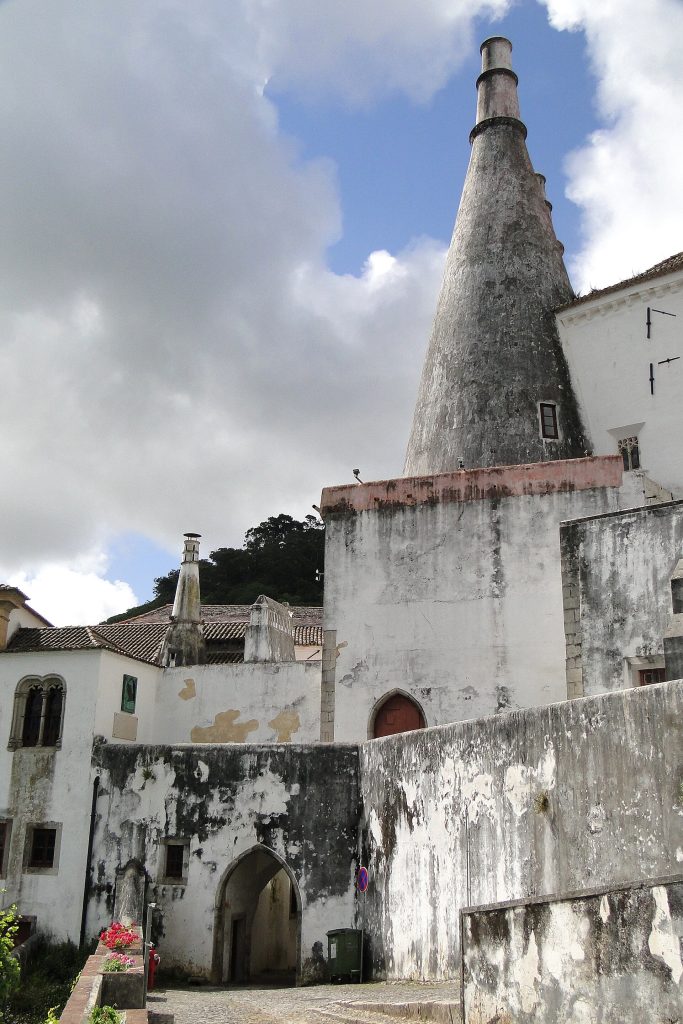
4. Sintra, Portugal: the town palace, the Moorish walls and a smarter plan
Sintra’s hills have been a UNESCO World Heritage cultural landscape since 1995, and most visitors give them a single rushed day: train from Lisbon’s Rossio station (around 40 minutes), a long queue at Pena, and back. Two of the most rewarding sights are often skipped.
The National Palace of Sintra stands right in the town centre and is easy to spot by its two enormous white conical chimneys, which belong to the kitchens. It was a royal residence for centuries, and its rooms and courtyards mix Gothic, Manueline and Mudéjar styles with some of the finest tilework in Portugal. Visit at midday, when the hilltop sights are busiest.
Above the town, the Moorish Castle follows the ridge with walls and towers that date from the Muslim period and were heavily restored in the 19th century. You can walk long stretches of the ramparts, with views over the forest to Pena and out to the Atlantic.
A plan that works: book timed tickets online in advance, choosing the first slot of the day for the hill sights, and be at the gate on time, as late arrivals can lose their entry. Use the 434 bus loop from the station rather than a car; the roads are narrow and parking is scarce. Stay the night if you can. Quieter extras include the gardens of Monserrate and the Convento dos Capuchos, and Cabo da Roca, mainland Europe’s westernmost point, is a short drive or bus ride west.
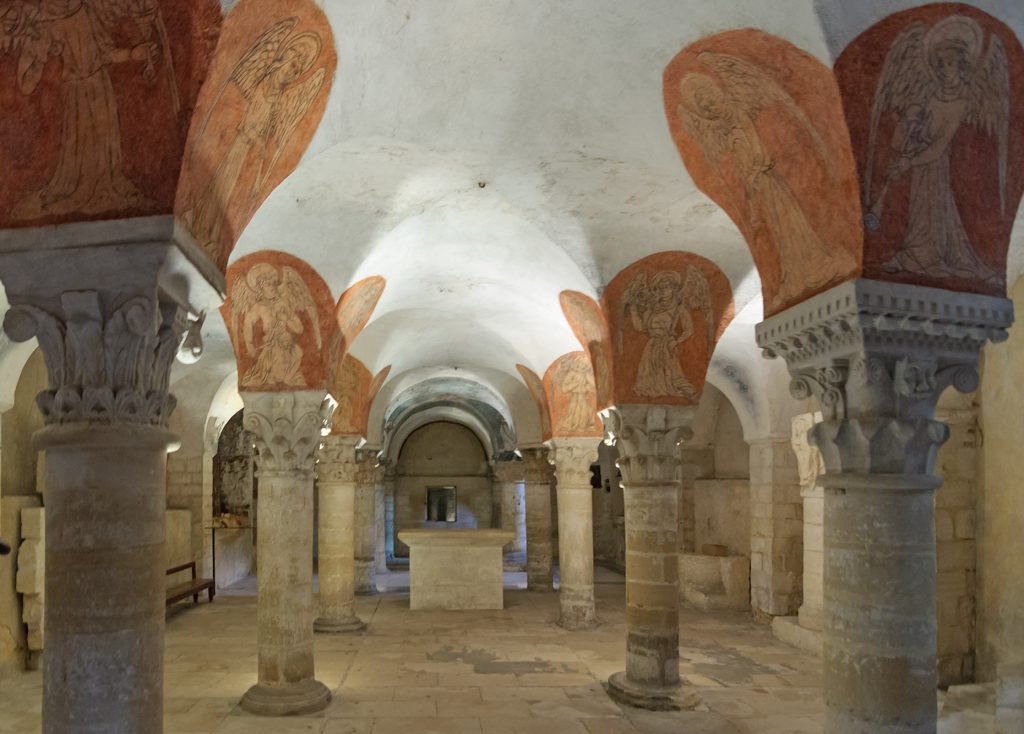
5. Normandy, France: Bayeux, apple country and the smallest river
Normandy’s D-Day beaches, Mont-Saint-Michel and Étretat get most of the attention. Its food and quieter villages reward a longer trip.
Bayeux
Bayeux came through the Second World War largely undamaged, and its old centre of stone houses, water mills and the great Gothic cathedral is one of the most attractive in Normandy. Direct trains run from Paris. Note that the Bayeux embroidery, the 11th-century embroidered cloth telling the story of the Norman Conquest, has been lent to the British Museum in London while its museum in Bayeux is renovated. Check that it is back on display in Bayeux before planning a visit around it.
The Pays d’Auge cider route
East of Caen, the Route du Cidre is a signposted loop of about 40 km through orchards and lanes, marked with apple signs. It links Beuvron-en-Auge, listed among the most beautiful villages in France, with Cambremer, Bonnebosq and Beaufour-Druval. Farms showing the Cru de Cambremer sign sell cider, pommeau and calvados direct, usually with a tasting. Look out too for the cheeses named after places in the Pays d’Auge: Pont-l’Évêque, Livarot and Camembert. You need a car or bike, and drivers should go easy on the tastings.
Veules-les-Roses
On the Alabaster Coast between Dieppe and Saint-Valery-en-Caux, Veules-les-Roses is built along the Veules, often described as the shortest river in France at a little over 1 km. A footpath follows it from the spring to the sea, past thatched cottages, old watermills and watercress beds. The village joined the list of the most beautiful villages in France in 2017. Pair it with Honfleur, on the Seine estuary, for a coast-and-harbour weekend.
Getting there and around
- St Gilgen: fly or take the train to Salzburg, then Postbus 150. Lake boats link St Gilgen, Fürberg, St Wolfgang and Strobl in the warmer months.
- Bilbao: the airport is north of the city with buses into the centre. San Sebastián is about an hour and a quarter away by bus.
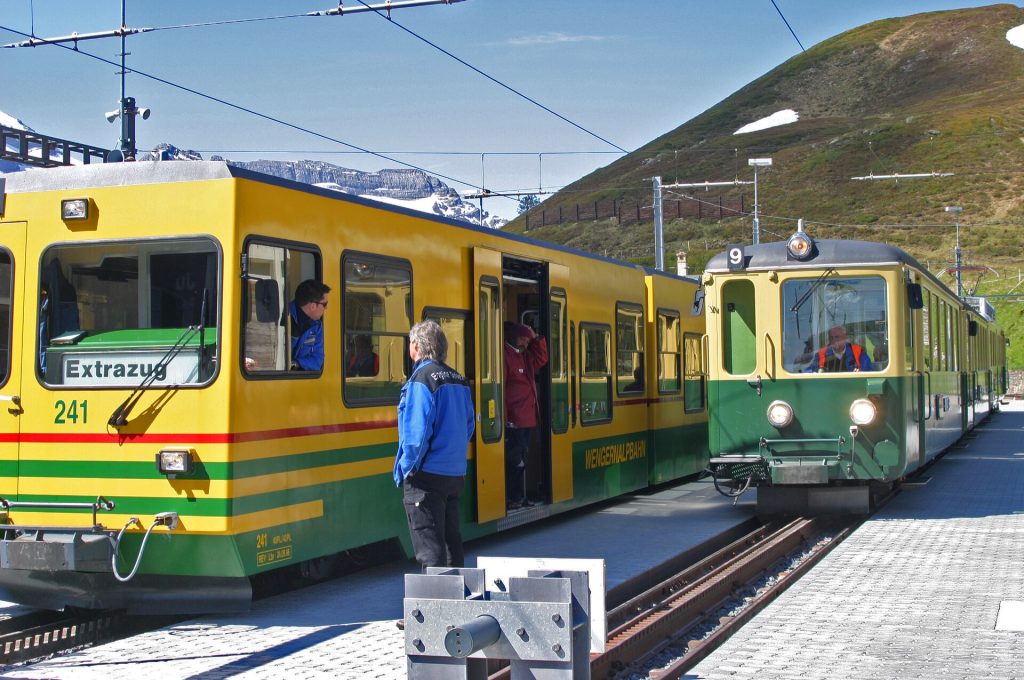
- Wengen: train to Interlaken Ost, then to Lauterbrunnen and up on the rack railway. Drivers leave the car in the paid car parks at Lauterbrunnen.
- Sintra: frequent suburban trains from Lisbon Rossio. The 434 bus links the station with the castle and Pena.
- Normandy: direct trains from Paris reach Bayeux. For the cider route and the coast, hire a car in Caen or Bayeux.
When to go and practical tips
- Season: mountain lifts at Wengen and St Gilgen run mainly from late spring to October. Sintra and Bilbao are mild all year but often damp in winter.
- Book ahead: Sintra’s hill sights and San Juan de Gaztelugatxe at weekends and in summer.
- Stay over: St Gilgen, Wengen and Sintra are at their best early and late in the day, once day visitors have gone.
Plan your trip
- Austria: tickets and tours on Tiqets · activities on Klook
- Bilbao: tickets and tours on Tiqets · activities on Klook
- Switzerland: tickets and tours on Tiqets · activities on Klook
- Arriving by plane: pre-book an airport transfer with Welcome Pickups
- Road trip: compare car hire on Localrent
- Mobile data: get a travel eSIM from Airalo
Some of these are affiliate links: if you book through them we may earn a small commission, at no extra cost to you.
Planning a bigger trip? See our guide to the 25 best places to visit in Europe, from city breaks to fjords.
Keep exploring
- Healing Travel in Europe: 8 Restorative Trips by Water and Forest
- Remote Places in Europe: 8 Hard-to-Reach Corners for the Curious
- Halloween Travel in Europe: 8 Places for All Saints’ Traditions
Frequently asked questions
Do you need to book San Juan de Gaztelugatxe?
Access is free, but on controlled-access days, which include busy weekends and much of the summer, you need a free timed ticket booked online in advance. Check the official calendar before you go.
Can you see Sintra in a day trip from Lisbon?
Yes, if you plan it. Book timed tickets online, take an early train from Rossio, and limit yourself to two or three main sights, such as Pena, the Moorish Castle and the National Palace.
Which of these destinations is easiest without a car?
Wengen, which is car-free anyway, and Sintra, reached by suburban train. St Gilgen and Bilbao are both easy by bus. Normandy is the hardest: Bayeux has direct trains, but the cider route and the smaller coastal villages are much easier with your own wheels.
Photos: Arne Müseler, CC BY-SA 3.0 de, via Wikimedia Commons; Coralma*, CC0, via Wikimedia Commons; Armineaghayan, CC BY-SA 4.0, via Wikimedia Commons; Adam Jones from Kelowna, BC, Canada, CC BY-SA 2.0, via Wikimedia Commons; Myrabella, CC BY-SA 3.0, via Wikimedia Commons; W. Bulach, CC BY-SA 4.0, via Wikimedia Commons.