Updated
Austria packs a remarkable amount of scenery into a small, landlocked country. In a single week you can photograph a lakeside village under limestone cliffs, a Baroque abbey above the Danube, glaciers seen from a high mountain road and a city skyline backed by 2,000-metre peaks. Good railways and well-kept roads link it all together.
This guide picks out the most photogenic places in the country and explains when and how to see them at their best, which often means arriving early, staying overnight or choosing the right season. It works as a checklist for a first trip or a road trip plan.
Picture-perfect Austria at a glance
- Best for: lakes and mountains, Baroque towns, Alpine drives and Danube wine country.
- When to go: late May to early October for mountain roads and lakes; December for Christmas markets and snow.
- Getting there: fly into Vienna, Salzburg or Innsbruck; trains link all three.
- Getting around: trains for cities and the Danube; a car for the Grossglockner road and smaller Alpine valleys.
- Top tip: stay overnight in Hallstatt or St. Wolfgang to see them before and after the day visitors.
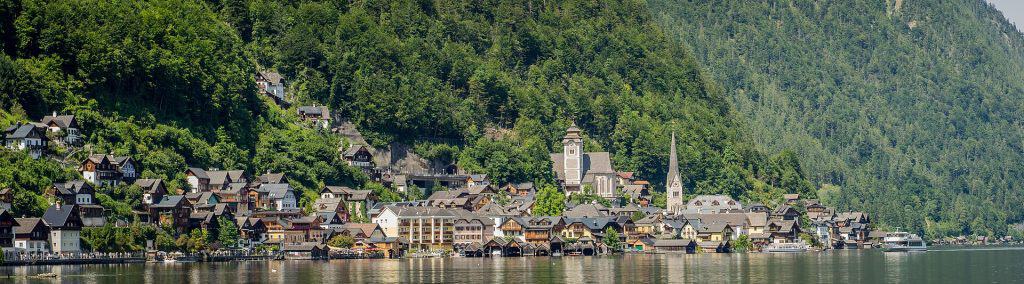
1. Hallstatt and the Hallstätter See
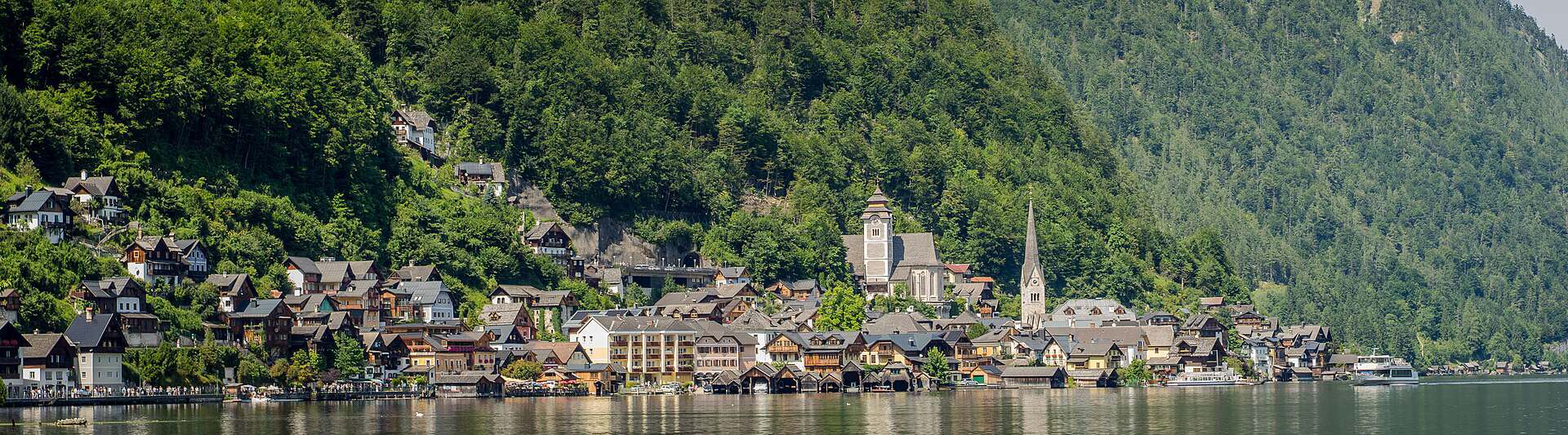
Hallstatt is the image most people have of Austria: pastel houses and a slim church spire squeezed between a lake and a mountainside. It is part of the Hallstatt-Dachstein / Salzkammergut Cultural Landscape, a UNESCO World Heritage Site since 1997, and salt has been mined in the mountain above the village since prehistoric times. Its name even means salt settlement.
The classic photo is taken from the lakeside road at the north end of the village. For a view from above, ride the funicular to the Skywalk platform beside the salt mine. Across the lake at Obertraun, a cable car climbs the Dachstein to the 5fingers viewing platform and the Giant Ice Cave. Hallstatt is small and very busy from late morning, so come early, stay a night or visit out of season. A short drive away, the Vorderer Gosausee reflects the Dachstein glacier on still mornings.
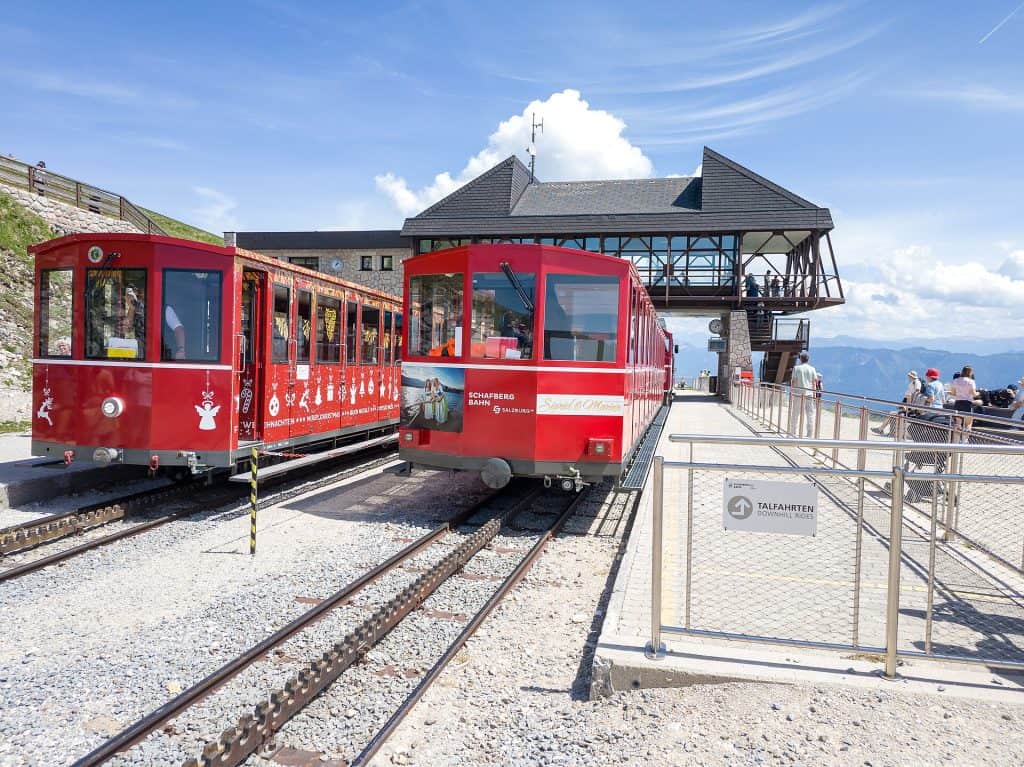
2. St. Wolfgang and the Schafberg
The Salzkammergut has dozens of lakes, and the Wolfgangsee is among the prettiest. The village of St. Wolfgang has a pilgrimage church, painted houses and the White Horse Inn of operetta fame on its lakefront.
From the village, the Schafbergbahn, a cog railway opened in 1893, climbs 5.85 kilometres to just below the Schafberg summit at 1,783 metres. On a clear day the view takes in several lakes at once, including the Mondsee and Attersee. The railway runs from spring to autumn; book a seat for summer weekends. Nearby Bad Ischl, the spa town where Emperor Franz Joseph spent his summers at the Kaiservilla, makes a good second stop.
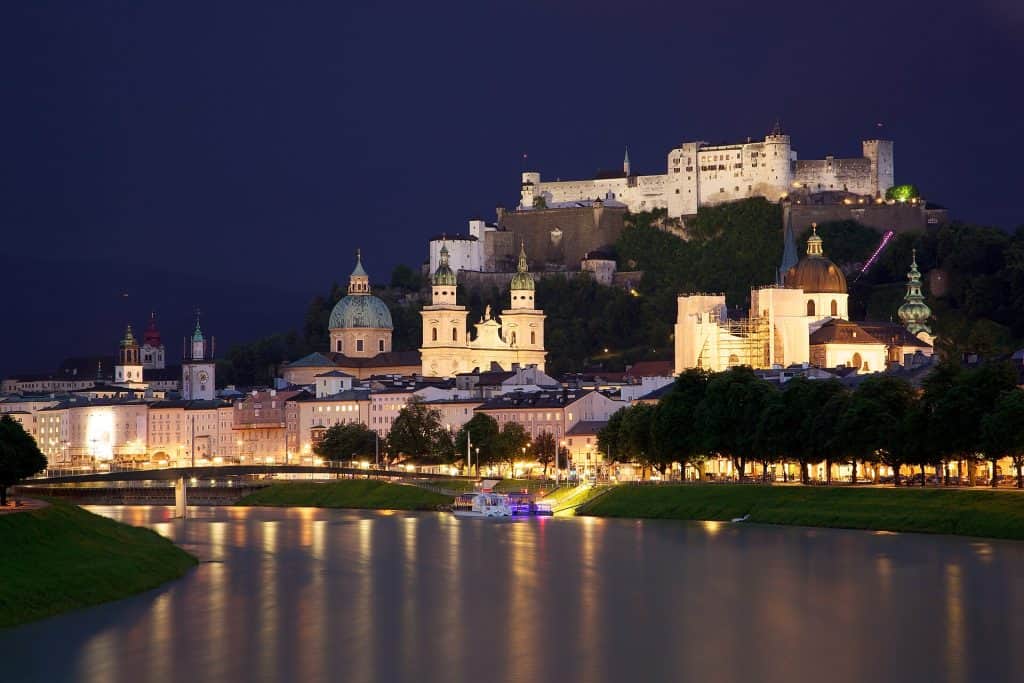
3. Salzburg
Salzburg’s historic centre, a UNESCO World Heritage Site since 1996, is a skyline of copper domes and church towers below the white walls of Hohensalzburg Fortress. Mozart was born here in 1756, in a yellow house on Getreidegasse that is now a museum.
For the best photos, cross the river to the Mirabell Gardens, where the formal flower beds frame the fortress, or climb the Kapuzinerberg or Mönchsberg for views over the rooftops. The funicular to the fortress saves a steep walk. Salzburg gets crowded in summer and during the festival season in July and August, so book accommodation well ahead.
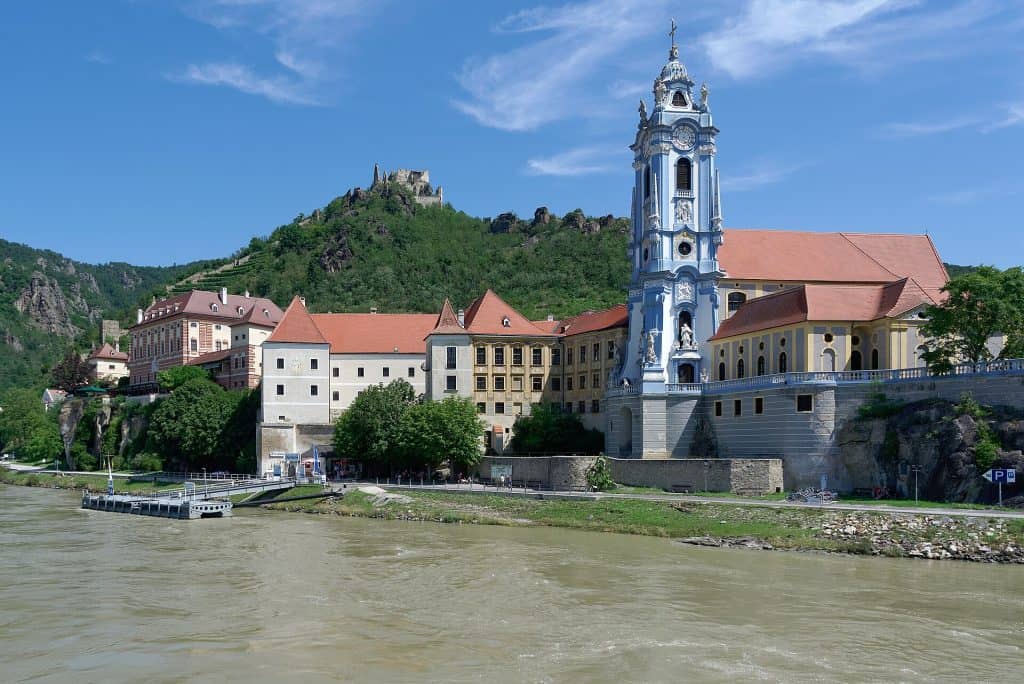
4. The Wachau valley
The Wachau, the stretch of the Danube between Melk and Krems in Lower Austria, was inscribed by UNESCO in 2000 as a cultural landscape. Terraced vineyards, apricot orchards, castle ruins and small wine villages line both banks.
At the western end, the golden-yellow Melk Abbey sits high above the river; its library and church are among the finest Baroque interiors in Austria. Halfway along, Dürnstein has the blue-and-white tower of its abbey church and the ruined castle where Richard the Lionheart was held captive in 1192. The best way to see it all is by river boat or by bike on the Danube Cycle Path. Visit in spring for apricot blossom, or in autumn for the grape harvest and the wine taverns known as Heurigen.
5. Vienna
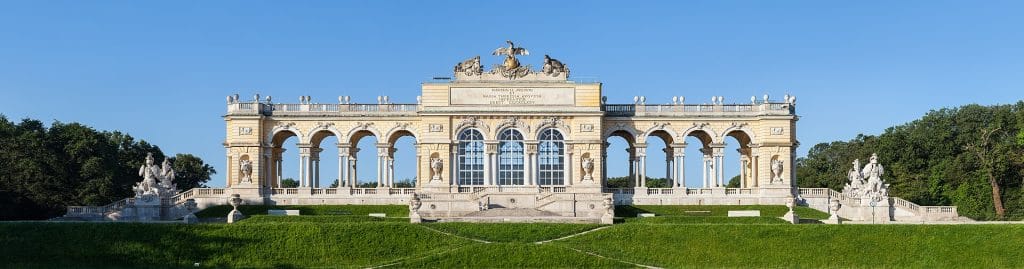
Austria’s capital is built for grandeur. Its historic centre is a UNESCO World Heritage Site, as is Schönbrunn Palace, the former summer residence of the Habsburgs. Walk up through the palace gardens to the Gloriette for the classic view back over the palace with the city beyond.
In the centre, St. Stephen’s Cathedral has a patterned tiled roof best seen from the north tower. For something less formal, the colourful, uneven Hundertwasserhaus in the 3rd district is one of the city’s most photographed buildings, though it is a private apartment block, so admire it from the street. Leave time for a traditional coffee house: Viennese coffee house culture is on Austria’s national list of intangible heritage, and the marble tables and newspapers on wooden holders are part of the picture.
6. Grossglockner High Alpine Road
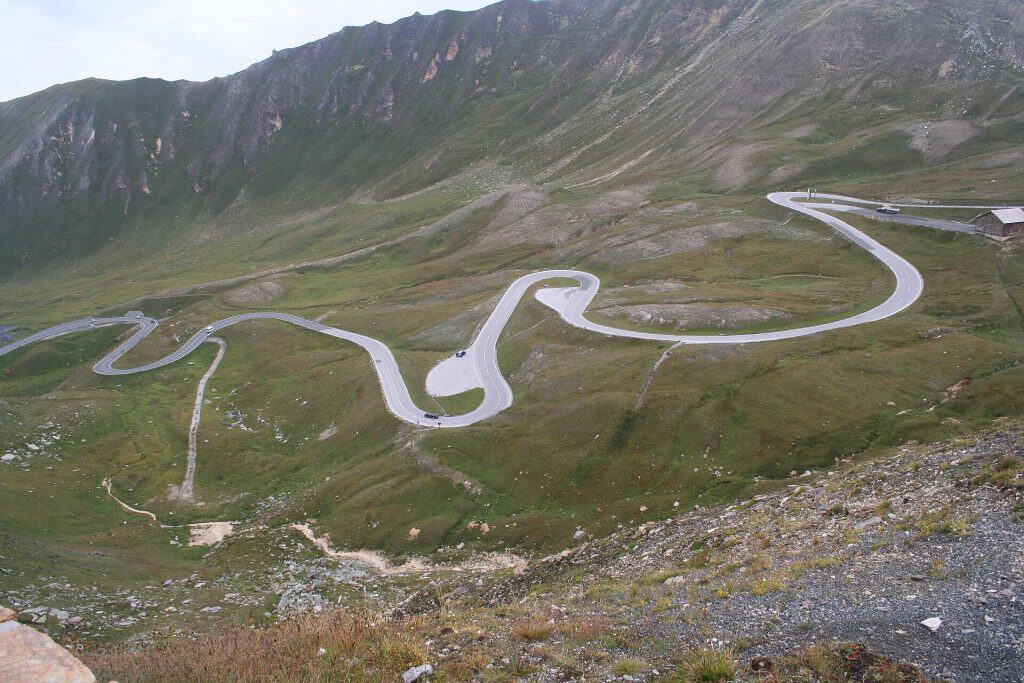
Opened in 1935, the Grossglockner High Alpine Road is Austria’s most famous scenic drive. Its 48 kilometres cross the Hohe Tauern between Fusch in Salzburg state and Heiligenblut in Carinthia, climbing through 36 hairpin bends to 2,504 metres at the Hochtor pass.
The highlight is the Kaiser-Franz-Josefs-Höhe at 2,369 metres, a viewpoint facing the Grossglockner, Austria’s highest mountain at 3,798 metres, and the Pasterze glacier below it. Look out for marmots along the paths. The road is a toll road and usually open from early May until late October or early November, depending on snow. Start early to avoid traffic and cloud, which often builds in the afternoon.
7. Krimml Waterfalls
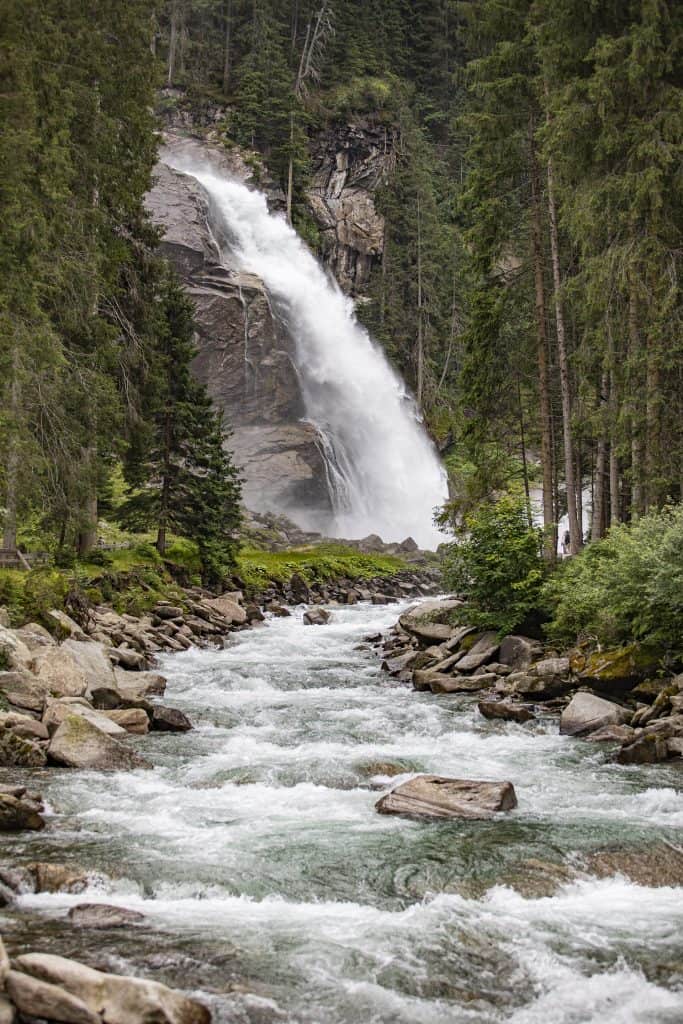
At the head of the Salzach valley, the Krimml Waterfalls are the highest in Austria, falling 380 metres in three stages. They lie in the Hohe Tauern National Park, close to the village of Krimml.
A well-made path climbs beside the falls, with viewpoints at each stage; allow two to three hours to walk to the top and back. The spray is heavy at the lower falls, so protect your camera. Early summer, when snowmelt is at its peak, is the most dramatic time. Combine the falls with the Gerlos Alpine Road, a scenic toll road over to the Zillertal in Tyrol.
8. Bad Gastein
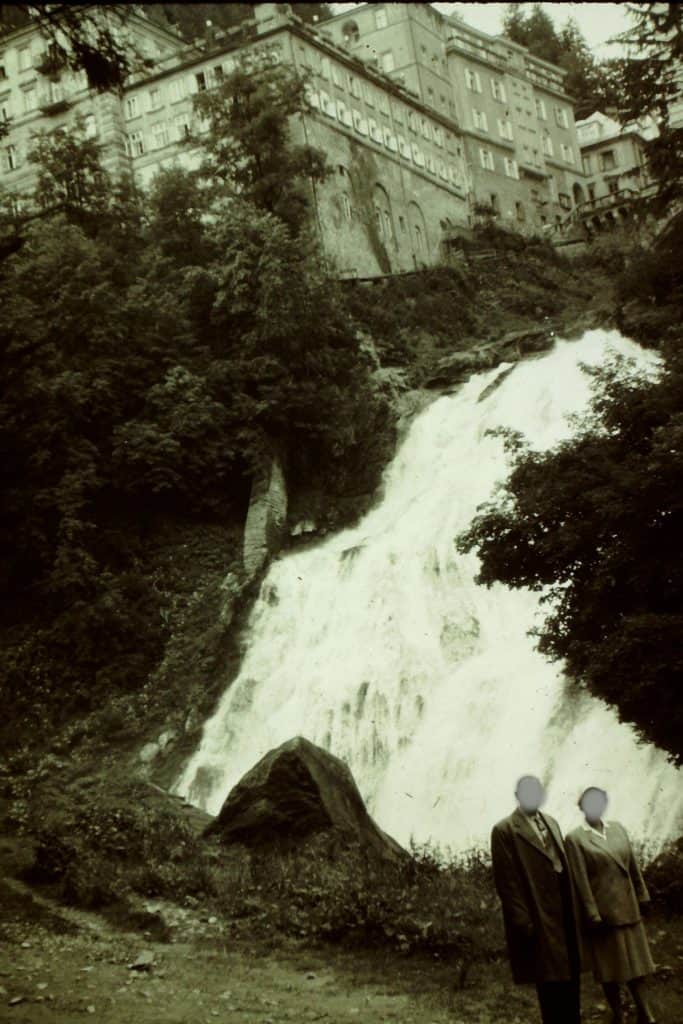
Bad Gastein is one of the most unusual towns in the Alps. Grand 19th- and early 20th-century hotels stack up the steep sides of a gorge at about 1,000 metres, and the Gastein waterfall thunders straight through the middle of town.
The town grew rich as a spa thanks to its thermal springs, and you can still bathe in warm water at the Felsentherme or try the radon treatments of the Gasteiner Heilstollen, a former mining tunnel. In winter the Gastein valley is a ski area; in summer it is a base for hiking in the Hohe Tauern. Bad Gastein is on the Tauern railway, so it is easy to reach by train from Salzburg.
9. Innsbruck and the Nordkette
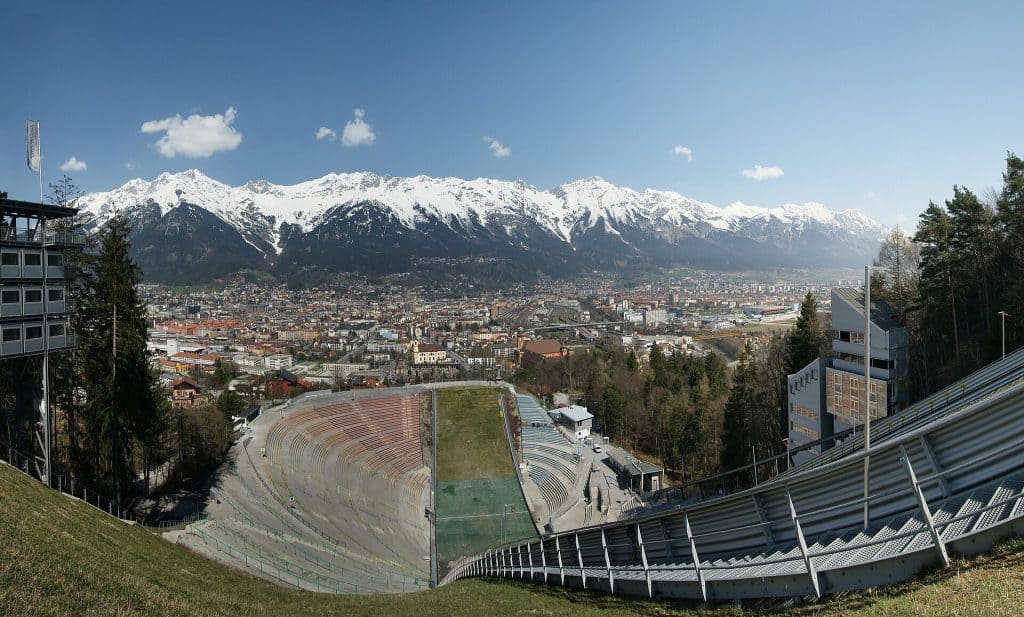
Tyrol’s capital sits in the Inn valley with the Nordkette mountains rising directly behind the old town. The row of colourful houses along the Inn at Mariahilf is the city’s classic photo, best from the riverbank opposite in the morning light.
In the old town, the Goldenes Dachl, a balcony roof covered in gilded tiles, was built around 1500 for Emperor Maximilian I. From the centre, the Hungerburgbahn funicular, with stations designed by Zaha Hadid and opened in 2007, connects to the Nordkette cable cars. Within about half an hour you can go from street level to the Hafelekar ridge above 2,000 metres, with views over the city and south towards the high Alps.
10. Mostviertel in blossom
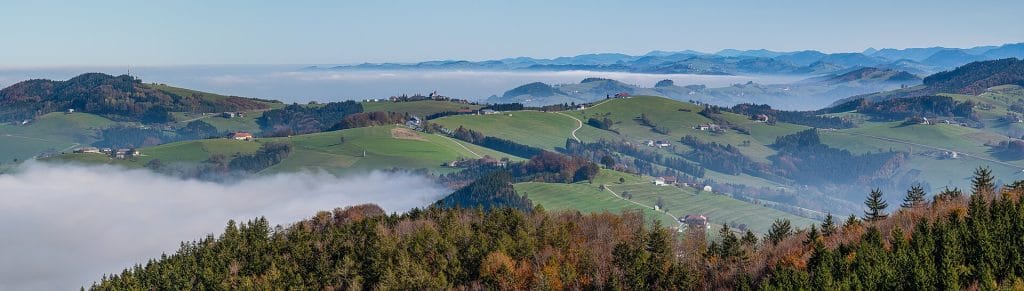
For quieter countryside, the Mostviertel in the south-west of Lower Austria is named after Most, the local cider and perry. Its rolling hills are dotted with large four-sided farmhouses and old pear trees that turn white with blossom in spring, usually in April.
Follow the signposted Moststraße, a scenic route through orchard villages with farm taverns serving Most and cold platters. The Sonntagberg basilica, on a hilltop above the Ybbs valley, gives a wide view over the region. It is an easy detour on the way between Vienna and Salzburg.
Getting around Austria
- By train: ÖBB Railjet trains link Vienna, Linz, Salzburg and Innsbruck quickly and comfortably. Regional trains and buses reach Hallstatt, Bad Gastein and the Wachau.
- By car: useful for the Grossglockner and Gerlos roads, the Salzkammergut lakes and the Mostviertel. Motorways require a vignette, which you can buy digitally before you travel.
- By boat: river boats run along the Wachau, and lake steamers operate on the Wolfgangsee and Hallstätter See, mainly in the warmer months.
When to go
Late May to early October is the best time for mountain roads, cable cars and lakes, though July and August are busiest. September is our favourite month: settled weather, harvest season in the Wachau and thinner crowds. December brings Christmas markets in Vienna and Salzburg and the first snow in the Alps, while many high mountain roads close from November to April.
Plan your trip to Austria
- Tickets and tours in Austria: tickets and tours on Tiqets · activities on Klook
- Arriving by plane: pre-book an airport transfer with Welcome Pickups
- Road trip: compare car hire on Localrent
- Mobile data: get a travel eSIM from Airalo
Some of these are affiliate links: if you book through them we may earn a small commission, at no extra cost to you.
Planning a bigger trip? See our guide to the 25 best places to visit in Europe, from city breaks to fjords.
Keep exploring
- Salzburg City Guide: Old Town, Mozart, Viewpoints and Day Trips
- Lesser-Visited Austria: 10 Quieter Regions, Province by Province
- Austrian Destinations Beautiful All Year: 8 Places Season by Season
Frequently asked questions
When is the best time to visit Hallstatt?
Early morning or evening at any time of year, ideally with an overnight stay. Spring and autumn are calmer than summer, and winter has fewer visitors and a snowy setting.
Is the Grossglockner High Alpine Road open in winter?
No. It closes for the winter, usually from late October or early November until early May, because of snow. Check the official website for opening dates and current conditions before you drive.
How many days do you need to see Austria?
A week covers Vienna, the Wachau, Salzburg and Hallstatt by train. With ten days to two weeks and a car, you can add the Grossglockner road, Krimml and Innsbruck.
Photos: David Kernan, CC BY 4.0, via Wikimedia Commons; Tsungam, CC BY-SA 4.0, via Wikimedia Commons; Jiuguang Wang, CC BY-SA 3.0, via Wikimedia Commons; Jakub Hałun, CC BY-SA 4.0, via Wikimedia Commons; Thomas Wolf, www.foto-tw.de, CC BY-SA 3.0 de, via Wikimedia Commons; Iamthestig, CC BY-SA 3.0, via Wikimedia Commons; Arne Müseler, CC BY-SA 3.0 de, via Wikimedia Commons; colling-architektur, CC BY-SA 3.0, via Wikimedia Commons; böhringer friedrich, CC BY-SA 2.5, via Wikimedia Commons; Isiwal, CC BY-SA 4.0, via Wikimedia Commons.