Updated
Slovakia is small enough to cross by train in a day, yet it packs in alpine peaks, limestone gorges, Gothic towns and more castles than most visitors manage to count. For a first trip, the challenge is less about finding things to see than about choosing a route that does not leave you doubling back across the country.
The eight places below give a balanced first look, running roughly west to east from Bratislava on the Danube to Košice and the cave country of the south-east. They follow the main rail line for much of the way, so you can see most of them without a car, and the route section at the end shows how they fit into a week.
Slovakia for first-timers at a glance
- Best for: mountain hiking, castles, UNESCO-listed towns and caves, good value travel.
- When to go: late June to September for high mountain trails; May, June and September for towns with fewer crowds; December to March for skiing.
- Getting there: Bratislava airport, or fly into Vienna, which is about an hour from Bratislava by bus or train.
- Getting around: trains along the Bratislava to Košice main line, buses for smaller places, a car for the caves and villages.
- Money: Slovakia uses the euro and is part of the Schengen area.
1. Bratislava
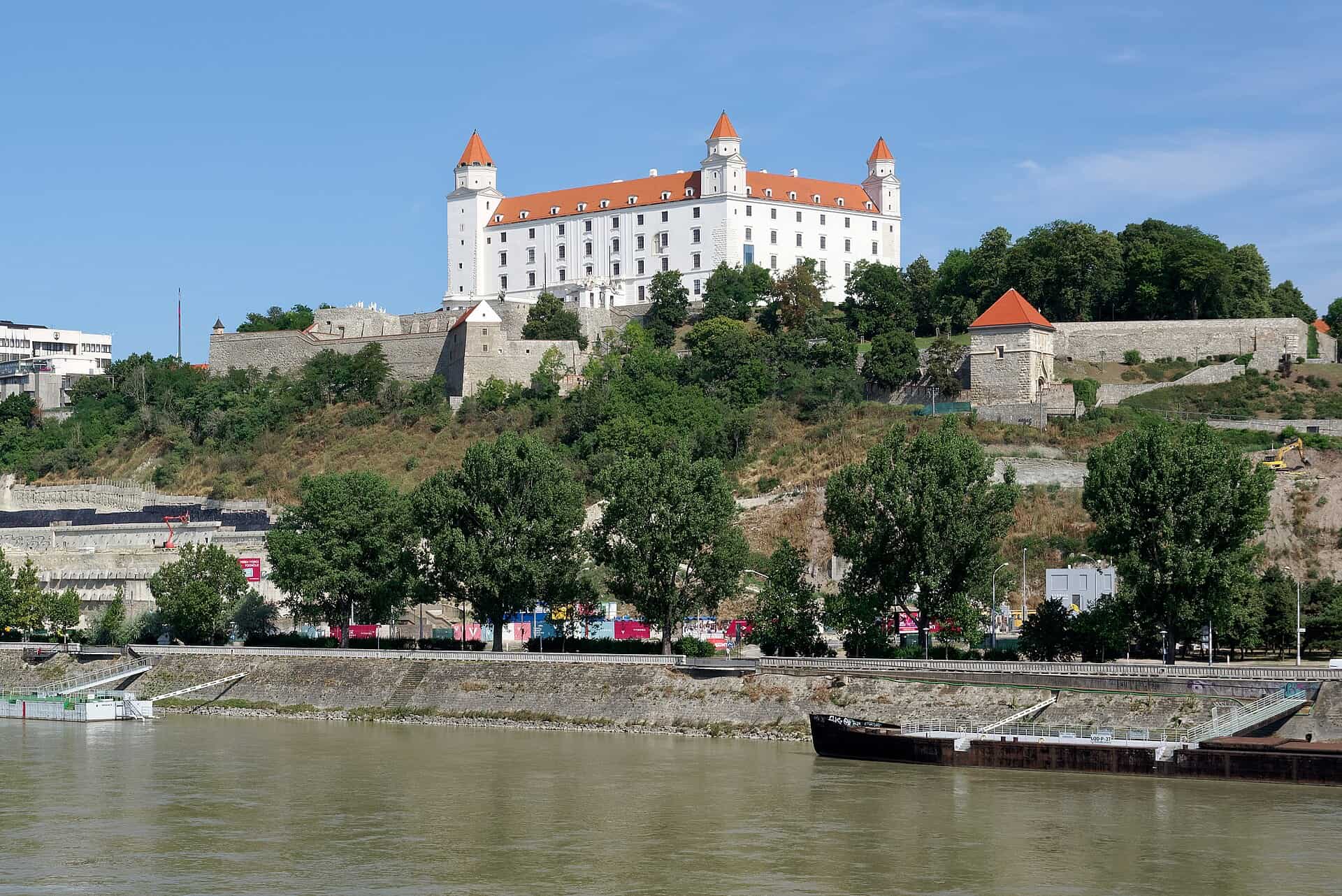
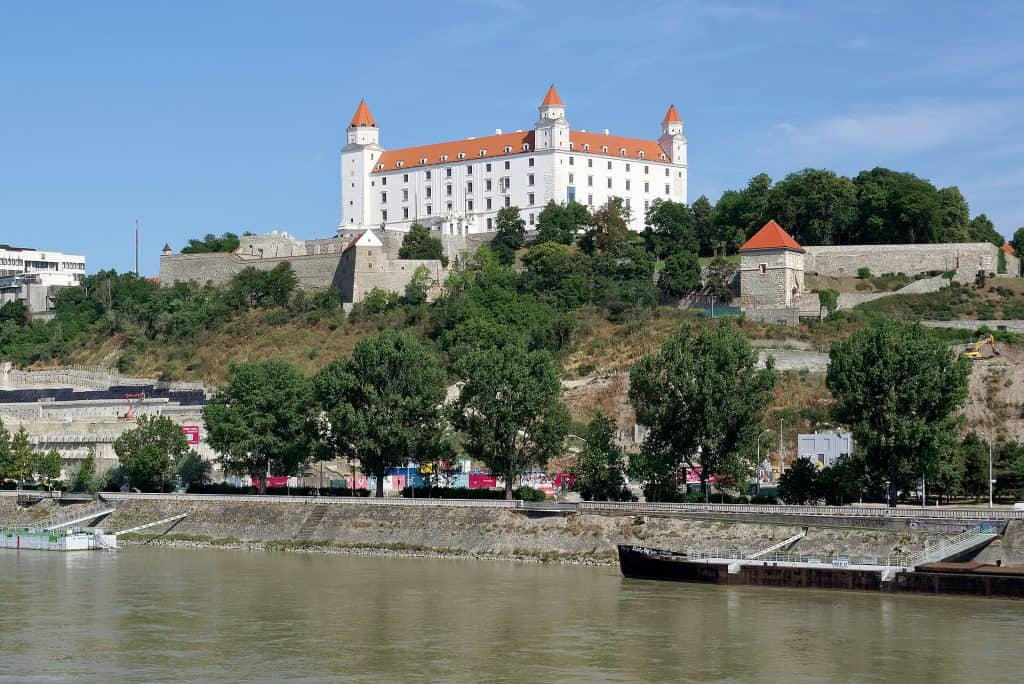
The capital is compact and easy to like. The Old Town is mostly pedestrianised, with pastel baroque palaces, small squares and plenty of cafés packed into a few streets between Michael’s Gate and the river. St Martin’s Cathedral was the coronation church of the Kingdom of Hungary from 1563 to 1830, and a gilded crown still sits on top of its spire. Above it, the rebuilt Bratislava Castle, square with four corner towers, has the best views over the Danube.
Cross the Danube on Most SNP, the bridge with a saucer-shaped observation deck at the top of its pylon, for a view back over the city. Then take a bus out to the ruins of Devín Castle, on a cliff where the Morava meets the Danube, about 10 km west of the centre. One full day covers the highlights, two lets you add a wine tavern or two in the nearby Small Carpathian villages.
2. Banská Štiavnica
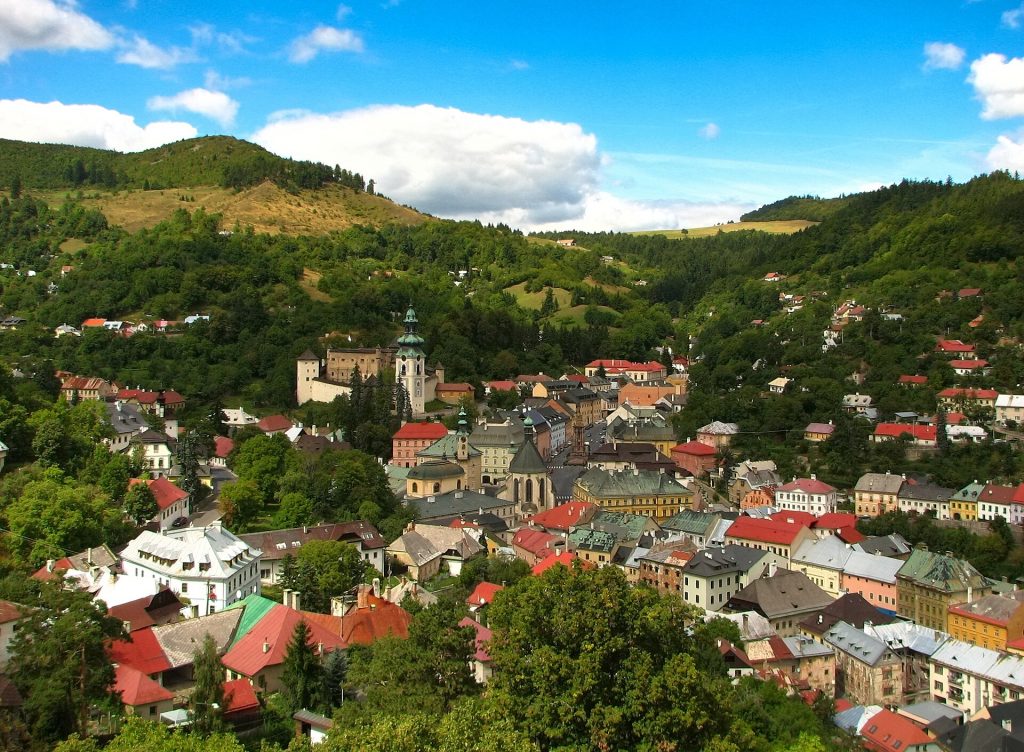
This former silver and gold mining town is one of the most charming in Central Europe. It climbs the sides of an ancient volcanic caldera, and its streets of burghers’ houses, churches and two castles grew rich on the ore beneath them. The historic town and the mining monuments around it were listed by UNESCO in 1993, and the town was home to one of Europe’s earliest mining academies in the 18th century.
Start in Holy Trinity Square with its plague column, then visit the Old Castle and New Castle, both now museums. Walk up to the Calvary, a hillside complex of baroque chapels built by the Jesuits in the 18th century. In summer, swim in one of the tajchy, artificial mining reservoirs built between the 15th and 18th centuries that are now used for recreation.
3. Vlkolínec and the Liptov region
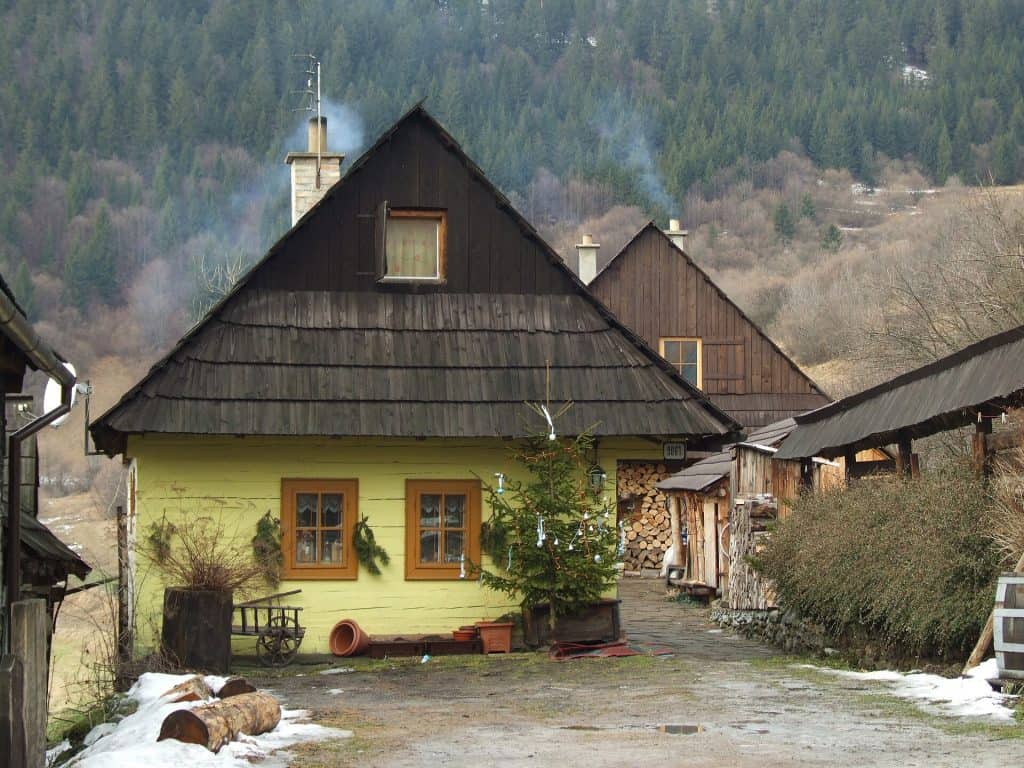
Above the town of Ružomberok, Vlkolínec is a small mountain village of log houses, most dating from the 19th century, with a wooden bell tower and a church. It was inscribed by UNESCO in 1993 as one of the best-preserved villages of its type in the region, and people still live here, so keep to the lane and respect private gardens.
The village takes an hour or so to see, which makes it a good stop on the way east. The wider Liptov region around it has the Low Tatras, show caves in the Demänovská valley and thermal water parks, so it is worth a night if you have the time.
4. The High Tatras
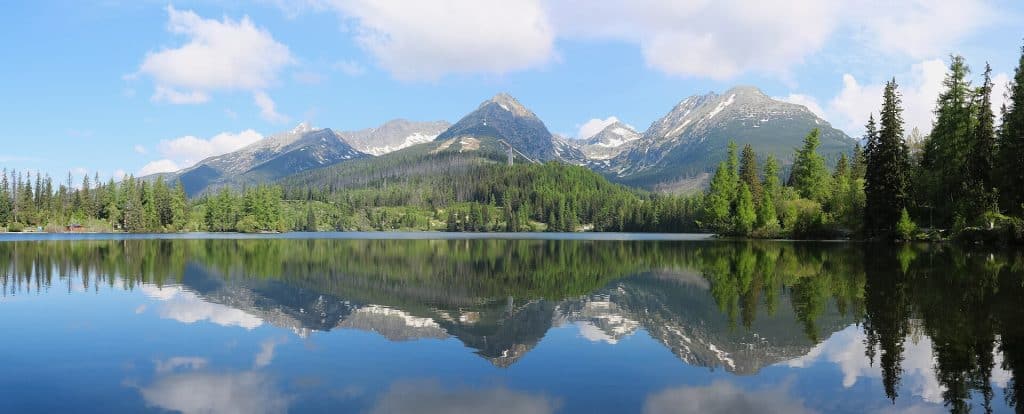
The High Tatras are the highest mountains of the Carpathians, with Gerlachovský štít reaching 2,655 m. They rise abruptly from the plain above Poprad, and the Tatra Electric Railway connects the resorts strung along their base, including Štrbské Pleso, Starý Smokovec and Tatranská Lomnica. For an easy first walk, follow the trail from Štrbské Pleso to the lake at Popradské pleso, or ride the funicular from Starý Smokovec to Hrebienok and walk down past the Studený potok waterfalls.
For the big view, a cable car climbs from Tatranská Lomnica towards Lomnický štít at 2,634 m. Time on the summit is limited and places sell out in summer, so book ahead. Note that the higher trails in Tatra National Park close each winter, usually from 1 November to 15 June, and that Gerlachovský štít can only be climbed with a licensed mountain guide.
5. Slovak Paradise National Park
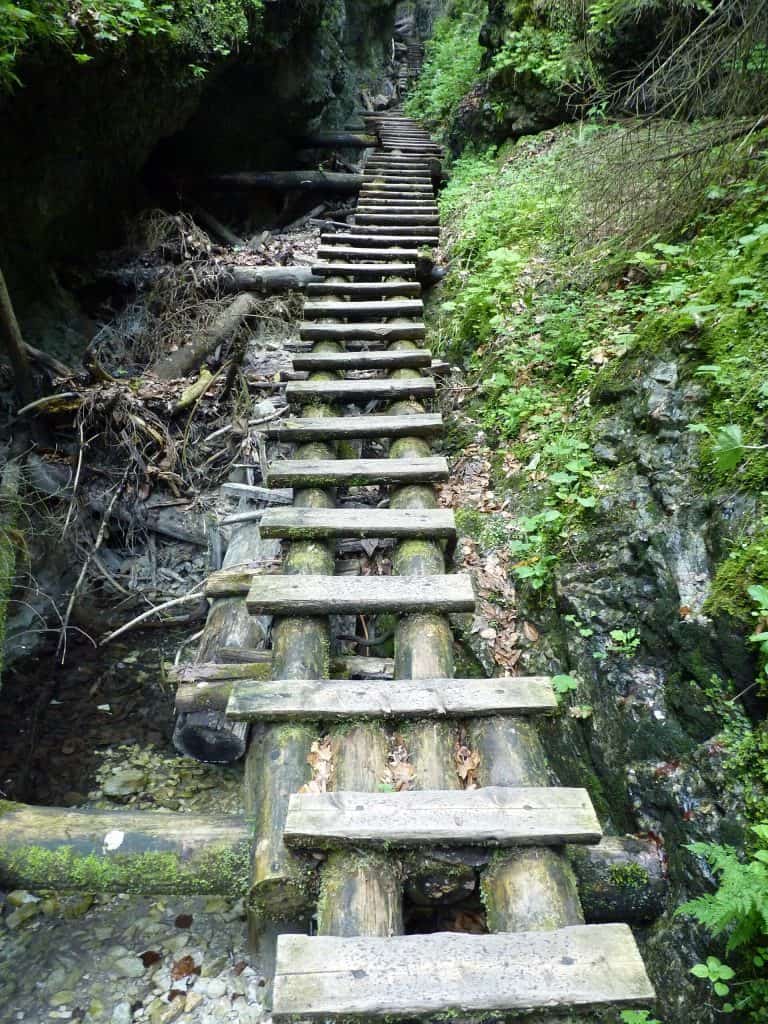
Slovak Paradise is a different kind of hiking from the Tatras: narrow limestone gorges where the trail climbs ladders, metal steps and chains beside waterfalls. The area became a national park in 1988 and has around 300 km of marked trails. The Prielom Hornádu canyon, 11.7 km long, is the best-known route, followed by a path between the trailheads at Čingov and Podlesok with footbridges and chains bolted into the rock.
Suchá Belá, a gorge of wooden ladders and small cascades, is the other classic. Several of the ladder gorges are one-way, uphill only, so check the direction on the trail map before setting off. In the south of the park, the Dobšinská Ice Cave has been part of a UNESCO World Heritage site since 2000 and is open in the warmer months. Wear proper boots; the ladders are often wet.
6. Spiš Castle and Levoča
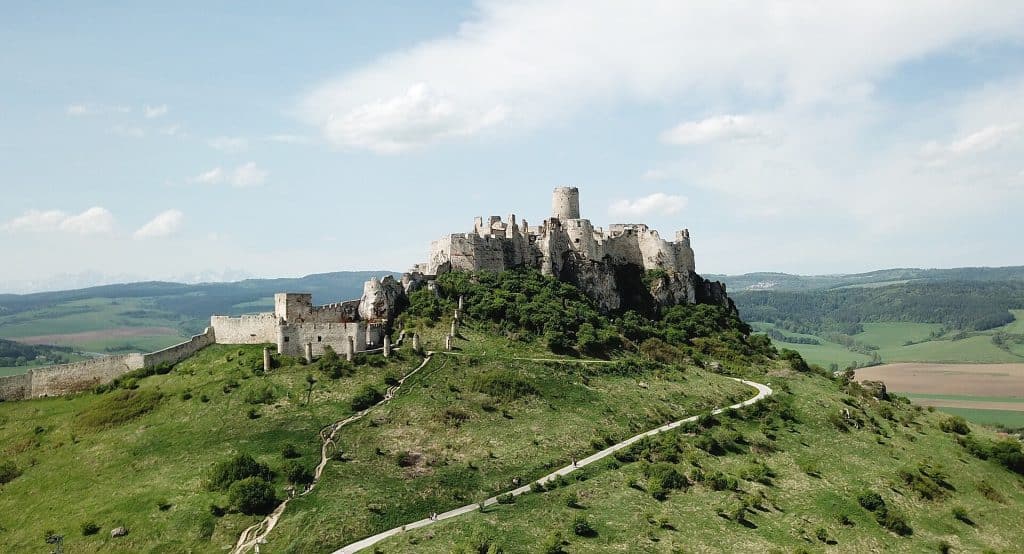
The ruins of Spiš Castle spread across a limestone hill above the village of Spišské Podhradie, and they are one of the most memorable sights in the country. The castle is first recorded in 1120, covers roughly 4 hectares and is one of the largest castle sites in Slovakia. It burnt down in 1780 and was never rebuilt, so what you explore today is a vast walled shell with towers and courtyards and wide views over the Spiš countryside. Below it, Spišská Kapitula is a small walled church town grouped around St Martin’s Cathedral.
About 15 km to the west, the walled town of Levoča has one of Slovakia’s finest town squares. Inside the Basilica of St James, the carved altar by Master Paul of Levoča, completed in 1517 and 18.62 m tall, is often described as the tallest wooden altar in the world. Levoča and the castle share a single UNESCO listing, first inscribed in 1993 and extended in 2009.
7. Košice
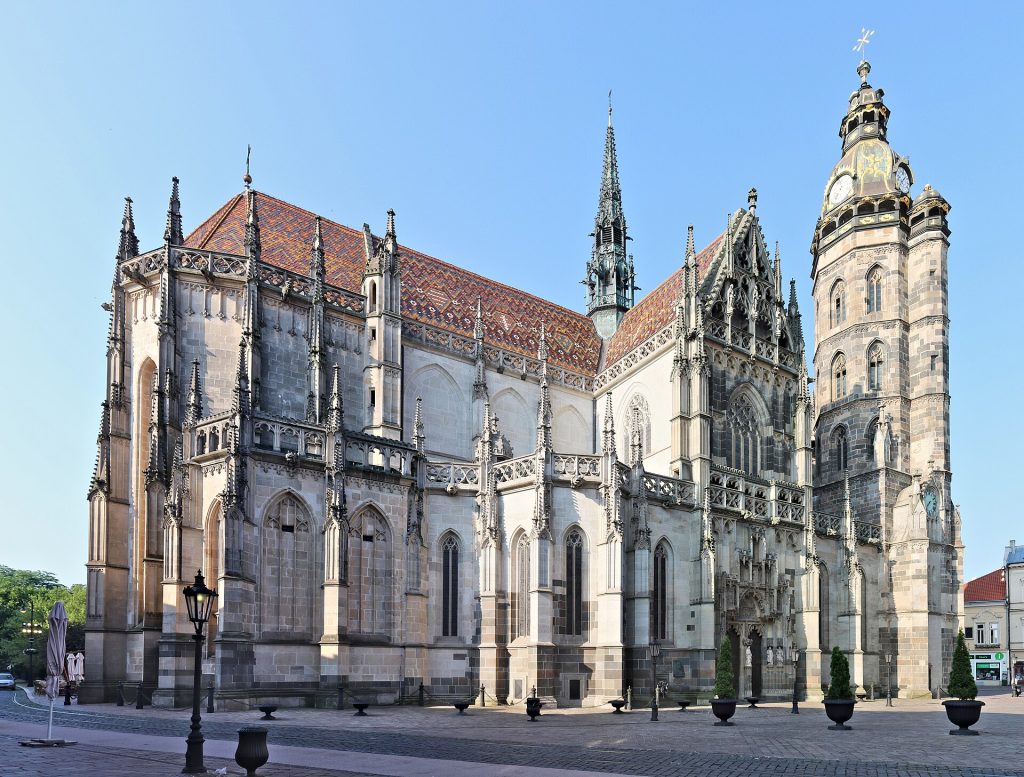
Slovakia’s second city was European Capital of Culture in 2013, and its long main street, Hlavná, is lined with restored buildings, cafés and a musical fountain. In the middle stands St Elisabeth Cathedral, the largest church in Slovakia and a fine example of Gothic architecture, largely built from around 1380 to 1508. Climb the 160 steps of the north tower for a view over the old town, and visit the crypt of the Hungarian prince Francis II Rákóczi, whose remains were brought here in 1906.
Košice is also the best base for north-eastern Slovakia. Bardejov, with its Gothic square and old fortifications, was listed by UNESCO in 2000, and the region is home to several of the wooden churches of the Carpathians, inscribed in 2008.
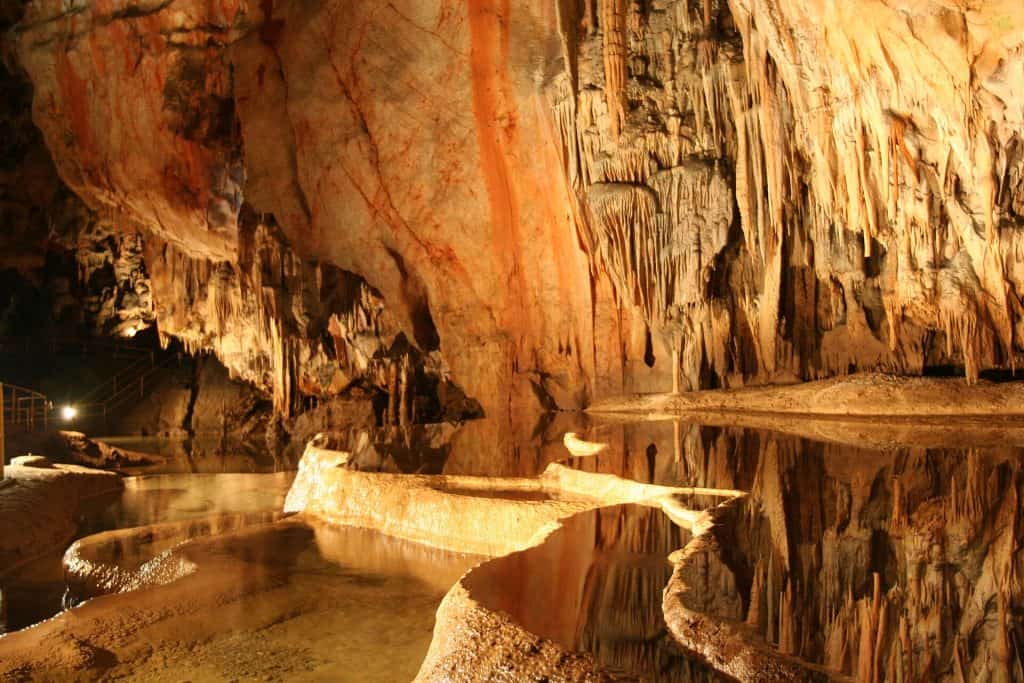
8. The caves of the Slovak Karst
The karst plateaus around Rožňava hide one of Europe’s great cave systems, shared with Hungary and listed by UNESCO in 1995 as the Caves of Aggtelek Karst and Slovak Karst. Domica, discovered in 1926, has about 1,600 m open to visitors and, when water levels allow, a short boat ride on the underground Styx river. It connects with the Baradla cave on the Hungarian side.
Nearby, the Ochtinská Aragonite Cave is one of the few aragonite caves in the world open to the public, with white, needle-like crystal formations. Cave tours run at set times and mostly between spring and autumn, so check current schedules and bring a warm layer; caves stay cool year-round.
A first-timer’s one-week route
- Days 1 and 2: Bratislava and Devín Castle.
- Day 3: Banská Štiavnica, by car or bus via Zvolen.
- Day 4: Vlkolínec on the way to the High Tatras; stay in Štrbské Pleso or Starý Smokovec.
- Day 5: a hike in the High Tatras or the Lomnický štít cable car.
- Day 6: Slovak Paradise, then Levoča and Spiš Castle.
- Day 7: Košice, with the Slovak Karst caves as an extra day if you have a car.
Getting around Slovakia
The main railway runs from Bratislava through Žilina and Poprad to Košice, and the journey end to end takes roughly five hours on the faster trains. Trains are comfortable and reasonably priced, and seat reservations are worth making at busy times. Buses fill the gaps to places such as Banská Štiavnica and Levoča. A hire car makes the most sense for the Slovak Karst, Vlkolínec and Spiš, where public transport is infrequent.
Practical tips
- Check the weather before any Tatra hike; conditions change fast above the treeline.
- Book the Lomnický štít cable car and popular mountain huts in advance in July and August.
- Many castles, caves and museums close on Mondays or have shorter winter hours, so check current times.
- Carry some cash for mountain huts and village restaurants.
Plan your trip to Slovakia
- Tickets and tours in Slovakia: tickets and tours on Tiqets · activities on Klook
- Arriving by plane: pre-book an airport transfer with Welcome Pickups
- Road trip: compare car hire on Localrent
- Mobile data: get a travel eSIM from Airalo
Some of these are affiliate links: if you book through them we may earn a small commission, at no extra cost to you.
Planning a bigger trip? See our guide to the 25 best places to visit in Europe, from city breaks to fjords.
Keep exploring
Frequently asked questions
How many days do you need in Slovakia?
A week is ideal for a first visit, covering Bratislava, the High Tatras, Slovak Paradise, Spiš and Košice. With four days, focus on the Tatras and the east.
When is the best time to visit the High Tatras?
July to September, when all the high trails are open and the weather is most settled. From November to mid-June the higher trails are closed, though lower walks and the ski areas stay open.
Can you visit Bratislava as a day trip from Vienna?
Yes. Trains and buses take about an hour, and the Old Town is small enough to see in a day, though staying a night gives you time for Devín Castle.
Photos: Jakub Hałun, CC BY-SA 4.0, via Wikimedia Commons; Adrian Tync, CC BY-SA 4.0, via Wikimedia Commons; Pudelek (Marcin Szala), CC BY-SA 4.0, via Wikimedia Commons; Ingo Mehling, CC BY-SA 4.0, via Wikimedia Commons; Michal Klajban, CC BY-SA 3.0, via Wikimedia Commons; VargaA, CC BY-SA 4.0, via Wikimedia Commons; Ingo Mehling, CC BY-SA 3.0, via Wikimedia Commons; Jojo, en:Jojo_1, pl:Jojo, CC BY-SA 3.0, via Wikimedia Commons.