Updated
Bath is a small city that packs in a surprising amount: a Roman temple and bathing complex built around natural hot springs, a late Gothic abbey, and whole streets of honey-coloured Georgian stone. It is one of very few places with two World Heritage listings, once for the city itself in 1987 and again in 2021 as one of the Great Spa Towns of Europe.
This guide covers the sights most worth your time, a one-day walking route, what changes through the year, the best day trips and the practical side of getting there and staying. The centre is compact, so almost everything below is within a 20-minute walk of Bath Spa station.
Bath at a glance
- Best for: Roman history, Georgian architecture, spa days and an easy weekend from London.
- How long: one full day covers the essentials; two lets you add Prior Park, a walk and a day trip.
- When to go: April to June and September for milder crowds; late November and December for the Christmas market.
- Getting there: direct trains from London Paddington, Bristol and Cardiff to Bath Spa.
- Getting around: on foot. The centre is small but hilly, so wear comfortable shoes.
- Book ahead: the Roman Baths in summer and at weekends, Thermae Bath Spa and any Christmas market weekend stay.
1. The Roman Baths
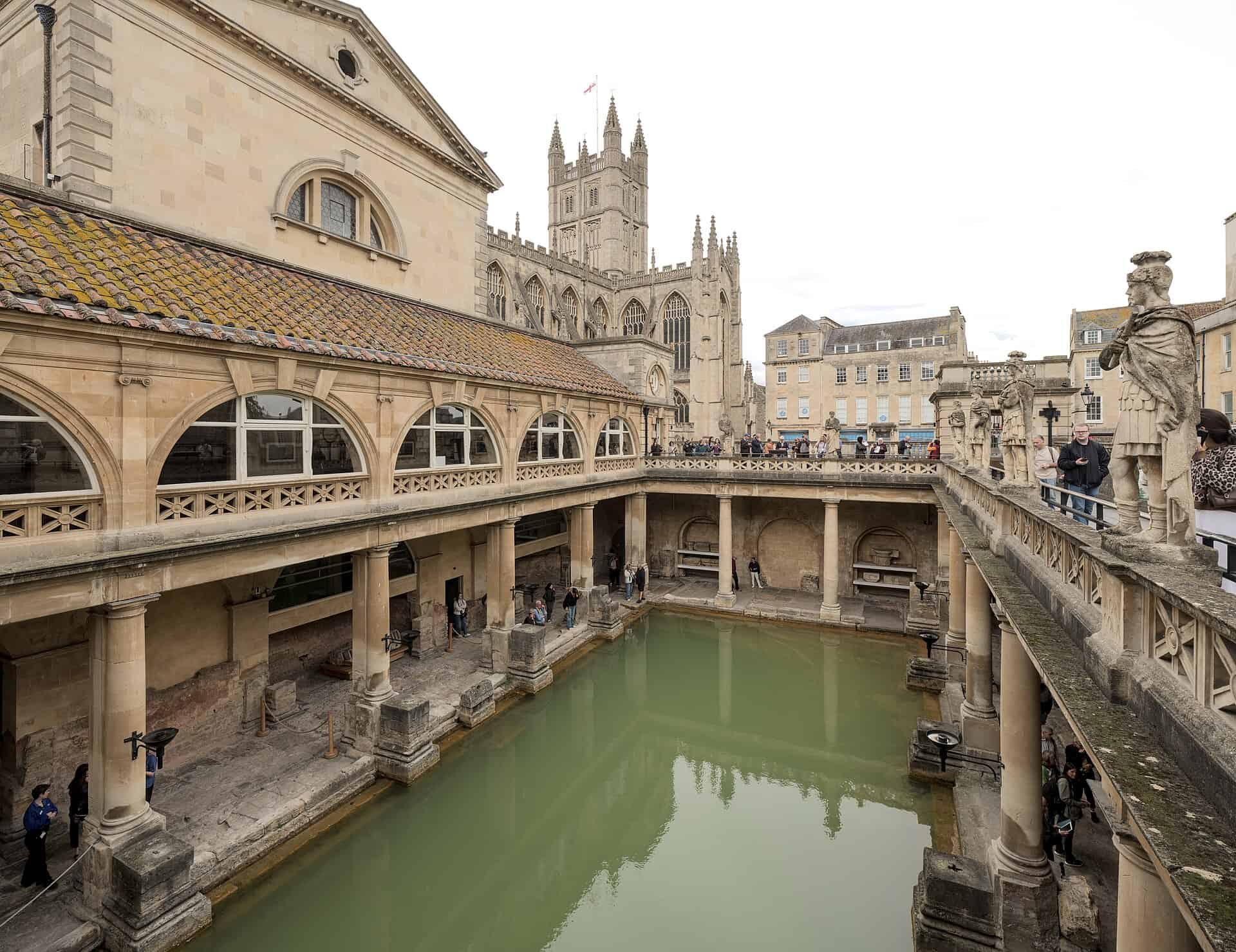
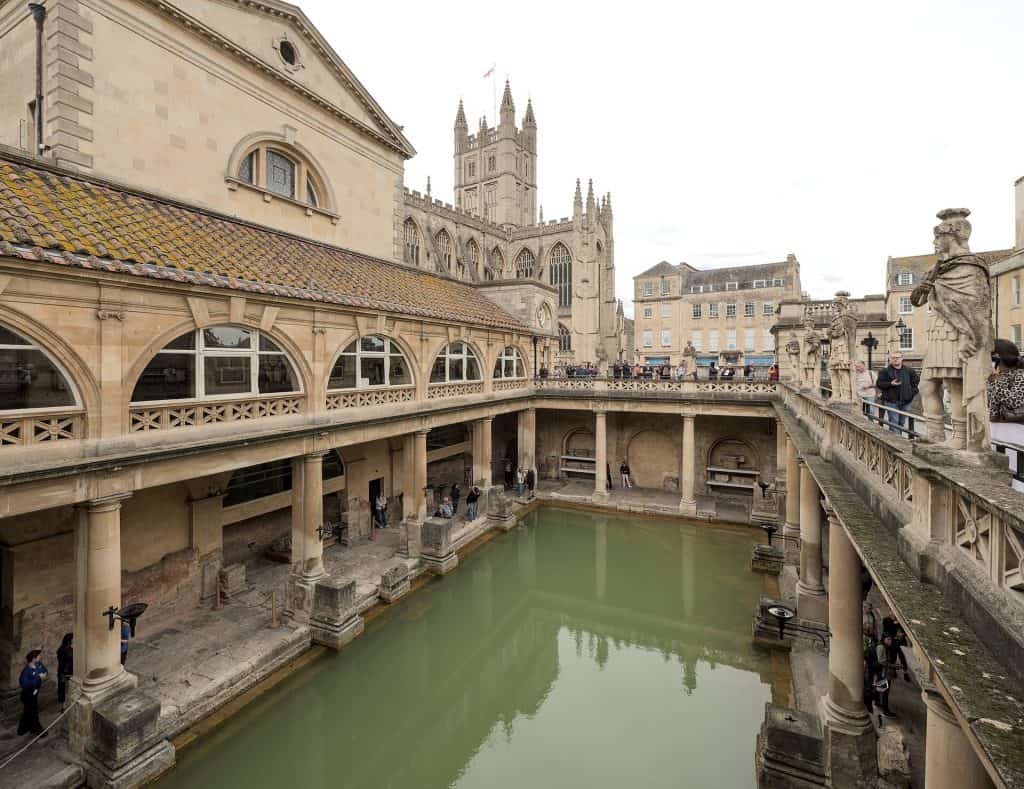
The reason Bath exists is the hot water. Around 1.17 million litres rise from the ground here every day at about 46°C, and the Romans built a temple to the goddess Sulis Minerva and a bathing complex around the spring from around 60 AD. The town they called Aquae Sulis grew up around it.
The visit takes you along the terrace above the steaming, green Great Bath, still lined with Roman lead, then down through the museum and the remains of the temple, changing rooms and heated rooms. Highlights include the carved Gorgon’s head from the temple pediment, the gilt bronze head of Sulis Minerva and the curse tablets thrown into the spring, many of them asking the goddess to punish someone who stole a bather’s clothes. The statues on the terrace look Roman but are Victorian.
The Roman Baths are among the busiest attractions in the south-west, so book a timed ticket and go first thing or late in the day. You cannot bathe in the Roman water; for that, see Thermae Bath Spa below. Next door, the Grade I listed Pump Room is a Georgian salon where you can still taste the spa water or book a sit-down tea.
2. Bath Abbey
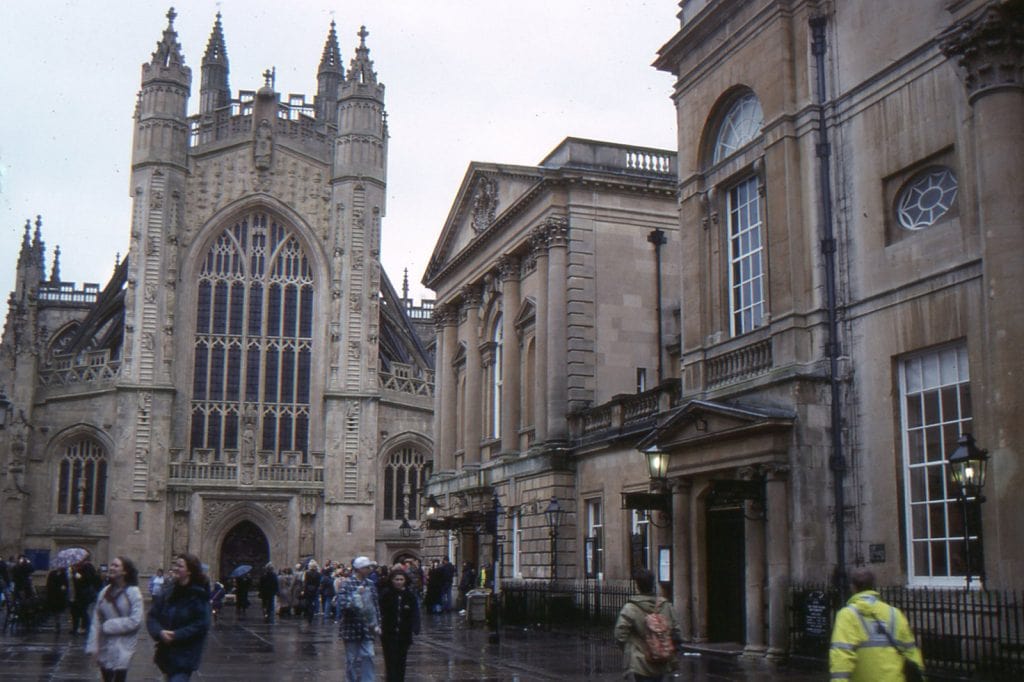
A church has stood on this site since the 7th century, and King Edgar was crowned here in 973. The building you see today was begun in the early 16th century and is one of the last great churches of the English Middle Ages. Look up at the west front before you go in: stone angels climb ladders to heaven on either side of the great window.
Inside, the fan-vaulted ceiling and the wall of clear and stained glass make it unusually bright. Tower tours climb the spiral stairs to the bell chamber and the roof, with views straight down into the Roman Baths and across the city. Tours run at set times and fill up, so book on the day or ahead.
3. Pulteney Bridge and the River Avon
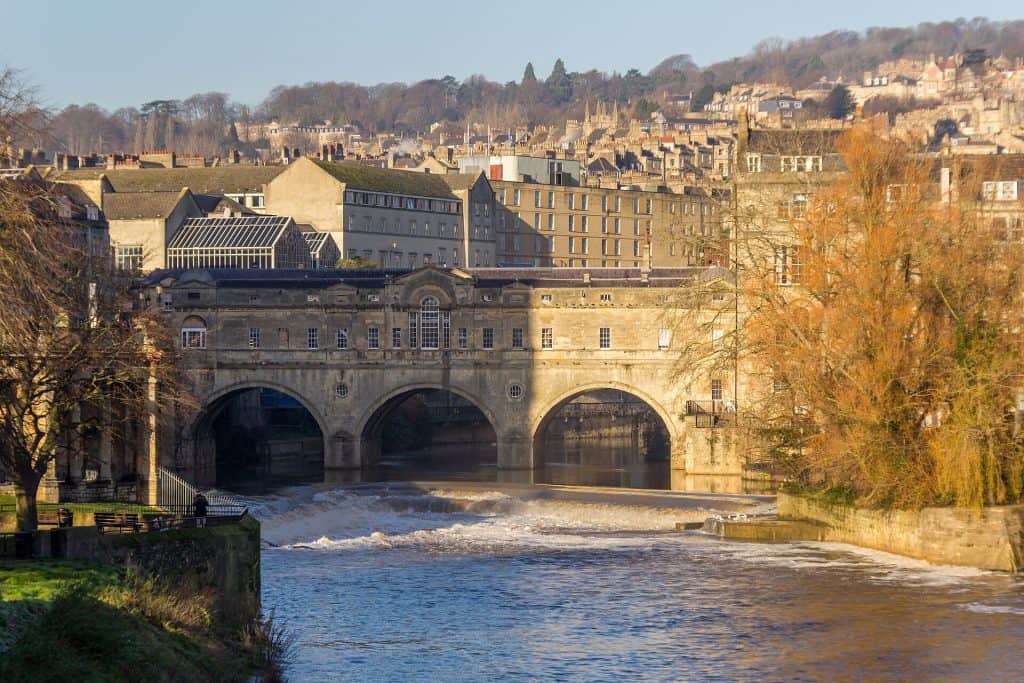
Designed by Robert Adam and completed by 1774, Pulteney Bridge is one of only four bridges in the world with shops across its full span on both sides; the others are the Ponte Vecchio in Florence, the Rialto in Venice and the Krämerbrücke in Erfurt. From the street you barely notice you are on a bridge, so the best view is from Grand Parade or the riverside below, looking across the horseshoe-shaped weir.
On the far side, Great Pulteney Street runs dead straight to the Holburne Museum, a fine-art collection in a Georgian building at the entrance to Sydney Gardens. In summer, river cruises leave from near the bridge, and you can join the Kennet and Avon Canal towpath at the edge of Sydney Gardens.
4. The Royal Crescent and the Circus
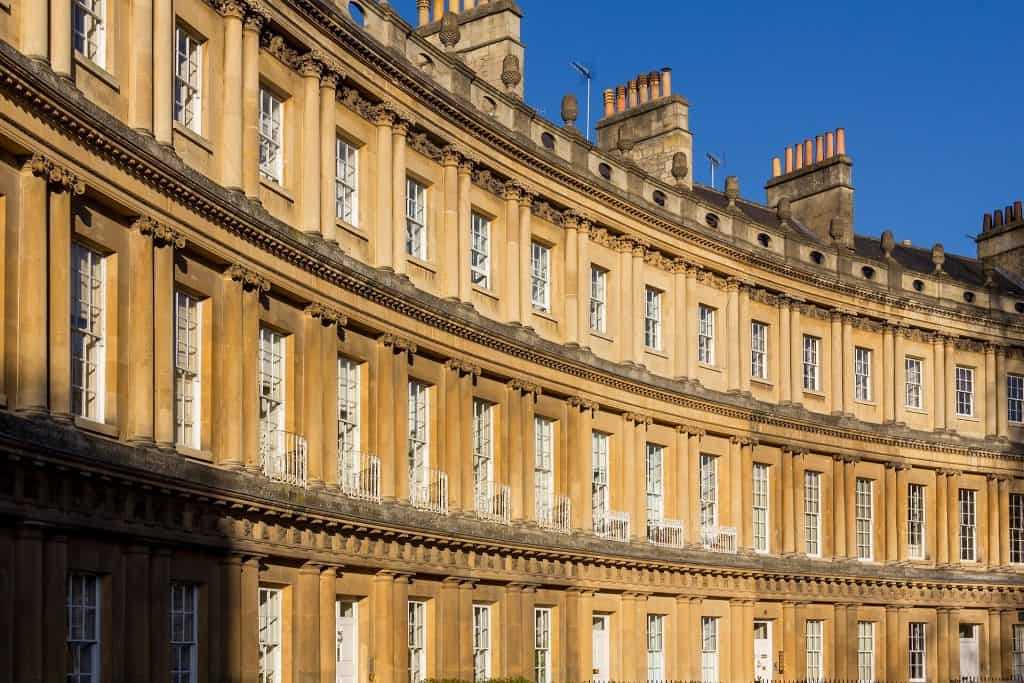
The architects John Wood the Elder and his son John Wood the Younger shaped much of Georgian Bath, and two of their best works are linked by a short street. The Circus, by the elder Wood, is a ring of three curved terraces begun in 1754, with a different classical order on each floor and a frieze of carved symbols running round it. Wood died days after the foundation stone was laid.
A short walk west down Brock Street, the Royal Crescent, built between 1767 and 1774 by the younger Wood, is a sweeping arc of about 30 houses facing a lawn and Royal Victoria Park. The grand, uniform front hides an untidy mix of different rear elevations, which you can see from the lane behind. No. 1 Royal Crescent is a museum run by the Bath Preservation Trust, furnished to show how a wealthy household lived in the late 18th century.
Between the two, the Assembly Rooms, run by the National Trust, were the centre of Georgian social life. The Fashion Museum, long housed here, has left the building and is preparing a new home in the city, so check its current status before planning a visit.
5. Thermae Bath Spa
Opened in 2006 after long delays, Thermae Bath Spa is the place to actually bathe in the natural thermal water. The highlight is the open-air rooftop pool, with views of the abbey tower and the hills, which is at its most atmospheric after dark or on a cold day. Sessions are timed and it gets busy at weekends; book ahead or go on a weekday morning. The nearby Cross Bath, a smaller open-air pool in a Georgian building, is run by the same spa and can be booked separately for a quieter soak.
6. Prior Park Landscape Garden
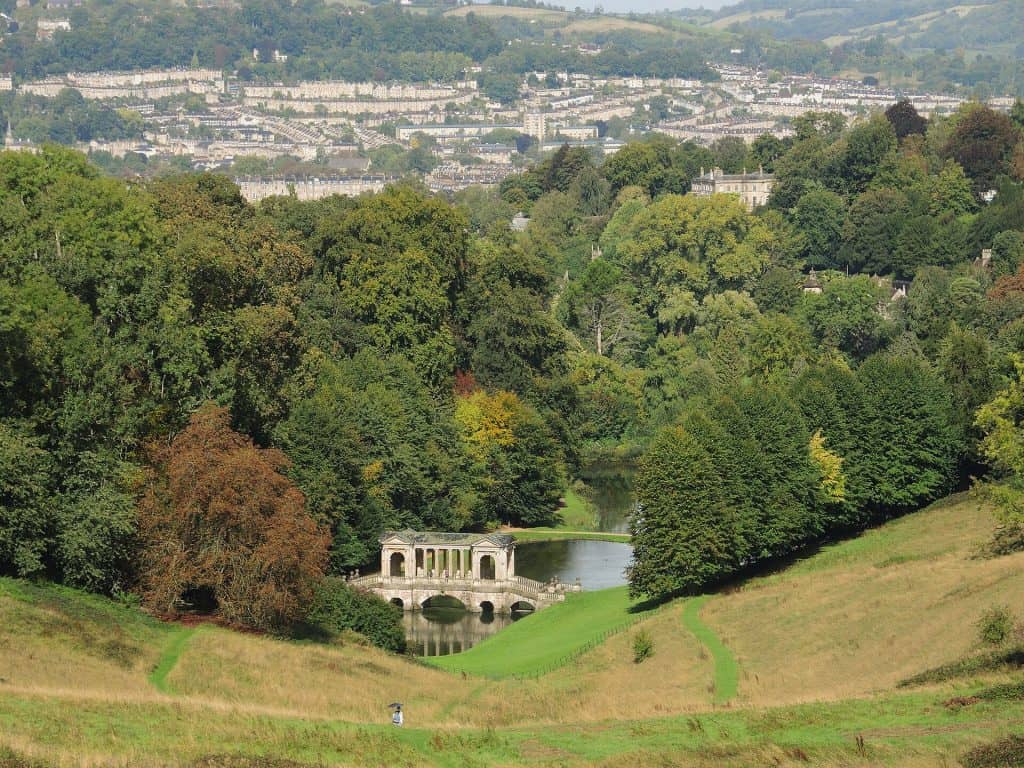
On a steep hillside south of the centre, Prior Park was built for Ralph Allen, who made his fortune from the Bath stone quarries and the postal service. The poet Alexander Pope advised on the garden and Capability Brown later reshaped it. Its centrepiece is a Grade I listed Palladian bridge over a lake, with the city laid out in the valley beyond.
The garden belongs to the National Trust; the mansion is a school and not open to visitors. There is no visitor car park, so take a local bus from the centre or walk up, which takes about half an hour and is steep. Paths are muddy after rain.
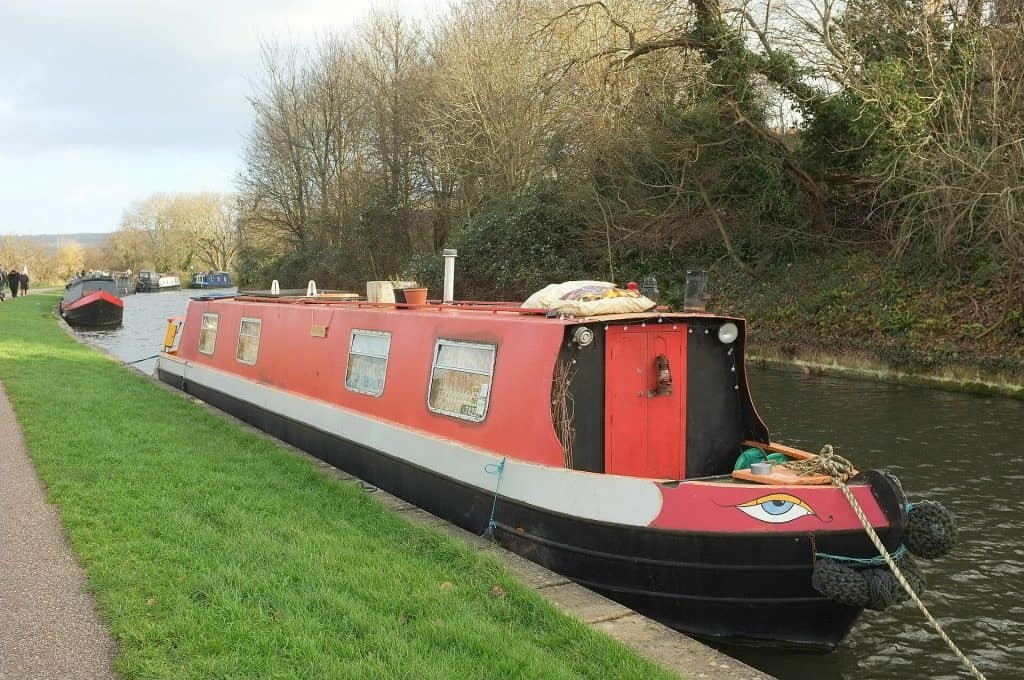
7. Walks along the canal and the Bath Skyline
Bath sits in a bowl of hills, and two easy walks show it off. The Kennet and Avon Canal towpath leaves the city through Sydney Gardens and runs east past narrowboats, locks and cottages; walking or cycling to the village of Bathampton makes a gentle half-day with a pub at the end. Keen walkers can carry on to the aqueducts and Bradford on Avon.
For views, the National Trust’s Bath Skyline is a waymarked circular walk of around six miles through meadows and woodland on the hills to the east, with several shorter loops. Allow half a day and wear boots outside summer.
A one-day route in Bath
- Morning: start at the Roman Baths at opening time, then cross the square to Bath Abbey and book a tower tour.
- Late morning: walk along the river to Pulteney Bridge and the weir, then down Great Pulteney Street to the Holburne Museum.
- Lunch: head back over the bridge to the lanes around Milsom Street and the Guildhall Market.
- Afternoon: climb Gay Street to the Circus, then Brock Street to the Royal Crescent and No. 1 Royal Crescent. Walk down through Royal Victoria Park.
- Evening: a twilight session in the rooftop pool at Thermae Bath Spa, then dinner in the centre.
Bath through the year
- Spring: good walking weather and blossom in the parks, with crowds building from Easter.
- Summer: the busiest time, with day-trippers and coach tours. Visit the Roman Baths early, book accommodation well ahead and use the canal and Skyline paths to escape the centre.
- Autumn: the annual Jane Austen Festival in September brings Regency costume and events; Austen lived in the city between 1801 and 1806, though she reportedly never cared for it. The Jane Austen Centre on Gay Street tells her Bath story at any time of year.
- Winter: the Christmas market fills the streets around the abbey from late November into December, and weekends are extremely busy. January and February are quiet and the best time for a spa break.
Day trips from Bath
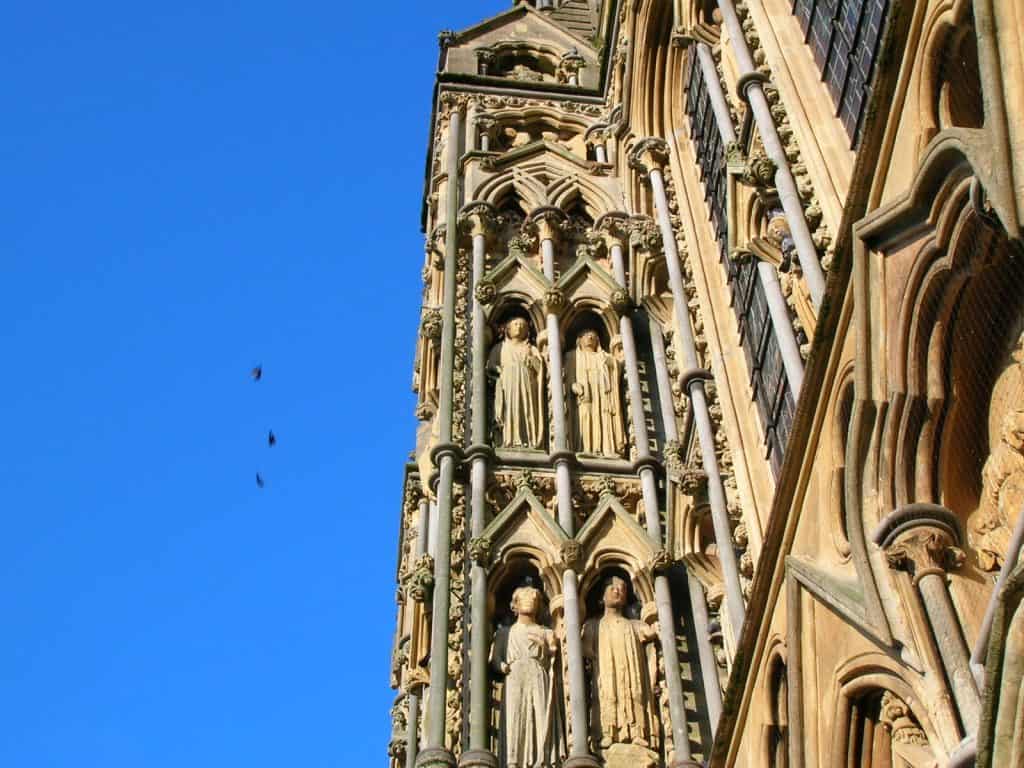
- Wells: this small cathedral city has a superb medieval cathedral and the moated Bishop’s Palace, about 45 minutes by road. Combine it with Cheddar Gorge.
- Lacock and Castle Combe: two very pretty Wiltshire villages. Lacock, owned largely by the National Trust, has an abbey and a museum of photography.
- Bradford on Avon: a small stone town a short train ride away, with a Saxon church and a medieval tithe barn, or a long walk or cycle along the canal.
- Stonehenge: around an hour’s drive. Without a car, the easiest option is an organised minibus tour from Bath.
- Bristol: about 15 minutes by train, with its harbourside, Clifton Suspension Bridge and the SS Great Britain.
Where to stay
The centre is the most convenient base, with everything on foot, but rooms are expensive and some streets are noisy late on Friday and Saturday. Bathwick, across Pulteney Bridge, is quieter and full of Georgian townhouse guesthouses. Widcombe, just south of the station, is handy for trains and Prior Park. Lansdown and the streets above the Royal Crescent are elegant and calm but uphill. Book well ahead for summer weekends and Christmas market dates, when many places impose minimum stays.
Getting there and around
Bath Spa station is on the Great Western main line, with direct trains from London Paddington taking around an hour and a half, and frequent services from Bristol and Cardiff. The nearest airport is Bristol, with an airport bus to the city. National Express coaches run from London Victoria.
Driving into the centre is slow and parking is limited. If you arrive by car, use one of the park and ride sites on the edge of the city. Once there, walk: the station to the Royal Crescent takes about 20 minutes.
Plan your trip
- Tickets and tours in Bath: tickets and tours on Tiqets · activities on Klook
- Arriving by plane: pre-book an airport transfer with Welcome Pickups
- Road trip: compare car hire on Localrent
- Mobile data: get a travel eSIM from Airalo
Some of these are affiliate links: if you book through them we may earn a small commission, at no extra cost to you.
Planning a bigger trip? See our guide to the 25 best places to visit in Europe, from city breaks to fjords.
Keep exploring
- Historic Thermal Baths in Europe You Can Still Bathe In
- Waterfall Swimming in Europe: 7 Natural Pools Where You Can Still Swim
- Hot Springs in Europe: 12 of the Best Thermal Baths and Natural Pools
Frequently asked questions
Is one day enough in Bath?
One full day is enough for the Roman Baths, the abbey, Pulteney Bridge and the Royal Crescent. Stay a night if you want an evening at Thermae Bath Spa, a walk or a day trip to Wells or Lacock.
Can you swim in the Roman Baths?
No. The water in the Roman Baths is not safe for bathing and the site is a museum. To bathe in the thermal water, book a session at Thermae Bath Spa or the Cross Bath, a few minutes’ walk away.
Is Bath worth visiting from London?
Yes. It makes an easy day trip by train, though a day is tight once you add the journey. An overnight stay lets you see the city once the day-trippers leave and enjoy the spa after dark.
Photos: Daniel Lu (dllu), CC BY-SA 4.0, via Wikimedia Commons; Christopher Hilton, CC BY-SA 2.0, via Wikimedia Commons; Photograph by Mike Peel (www.mikepeel.net)., CC BY-SA 4.0, via Wikimedia Commons; Neil Owen, CC BY-SA 2.0, via Wikimedia Commons; Derek Harper, CC BY-SA 2.0, via Wikimedia Commons; Tony Grist, Public domain, via Wikimedia Commons.