Updated
Estonia is small, flat and half covered in forest, which suits outdoor travel well. Raised bogs, empty islands and long coastal trails all lie within a few hours’ drive of Tallinn, and the state forest agency runs a network of free campsites and trails. There are no mountains to climb, so the adventure here is gentler and stranger: walking across a bog on wide snowshoe-like boards, paddling through flooded forest in spring, or sweating in a smoke sauna before a swim in a cold lake.
This guide is built around those experiences, with Tallinn only as a base: national parks, the western islands, the camping network and sauna, plus practical notes on seasons and safety.
Estonia outdoors at a glance
- Best for: bog walks, canoeing, island cycling, easy multi-day hikes, wild camping and sauna.
- When to go: late May to early September for hiking and camping; late March to April for the Soomaa floods; January to March for snow, frozen lakes and, in some years, ice roads.
- How long: a week covers Lahemaa, Soomaa and Saaremaa; add three or four days for Hiiumaa or a long-distance trail.
- Getting around: a hire car gives the most freedom; buses reach the main towns, but trailheads are often far from a stop.
- Sleeping out: free state forest campsites with fire rings and shelters, plus farm stays and guesthouses.
- Bring: insect repellent in summer, waterproof footwear and a head torch outside the white nights.
Tallinn as a base
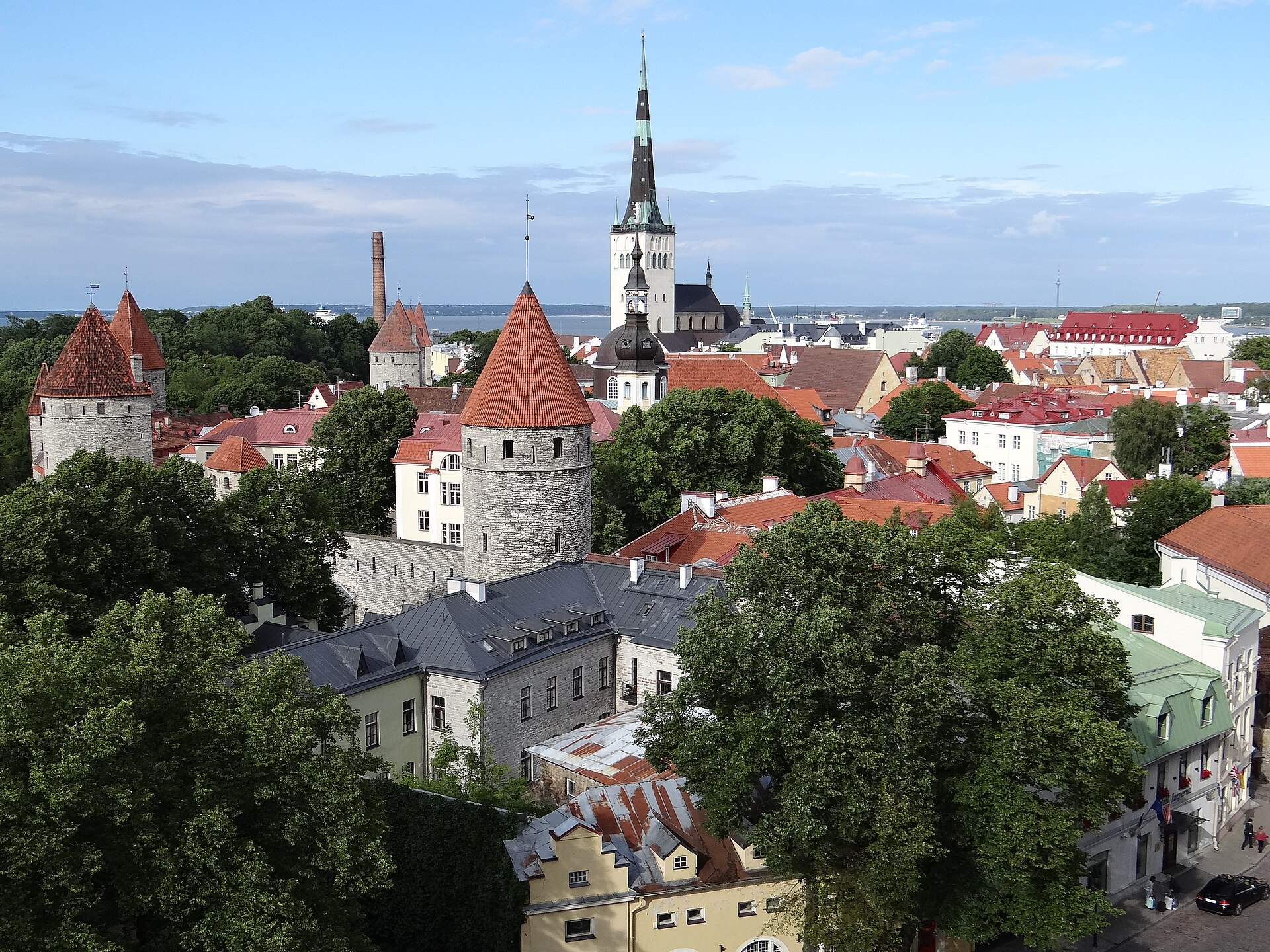
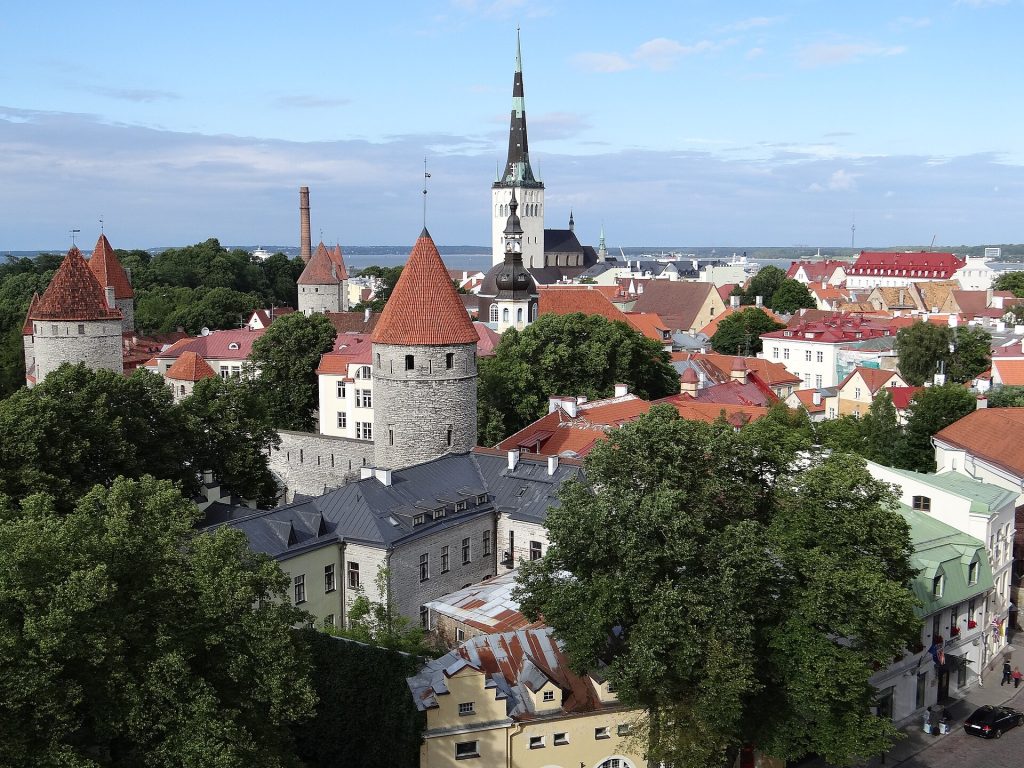
Most trips start in Tallinn, which has the main airport and ferry links to Helsinki and Stockholm. Its UNESCO-listed Old Town, with the upper town on Toompea hill and the merchants’ lower town below, is compact enough to see in a day. Spend that day, stock up on camping gas, then head out: everything else in this guide is out in the countryside.
Walking the bogs: Viru Bog and Soomaa
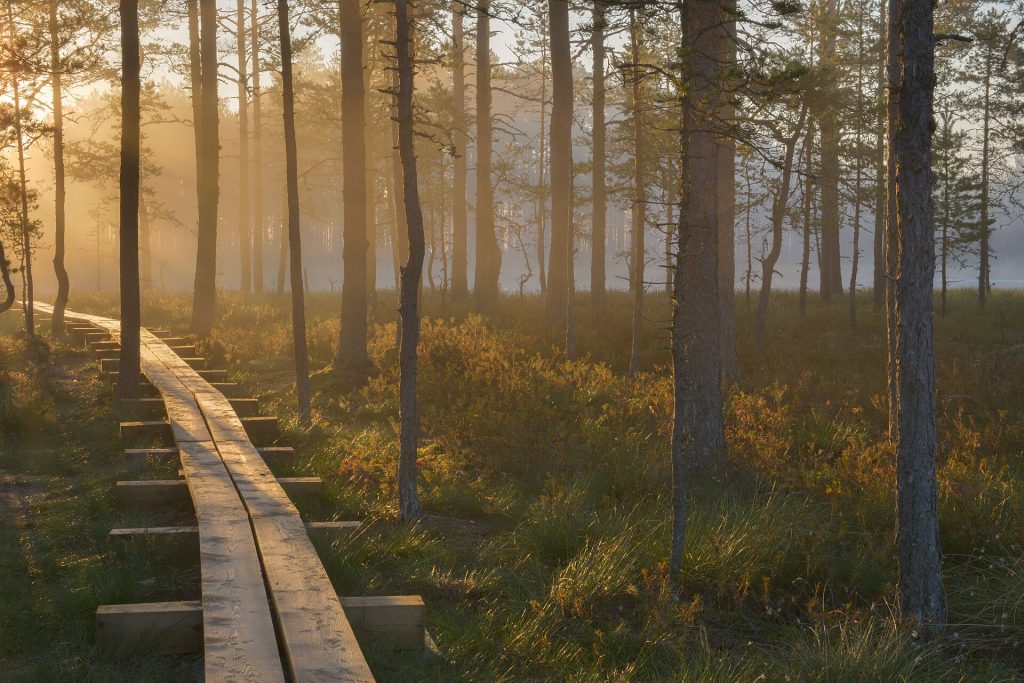
Raised bogs cover a large share of Estonia, and they are the country’s signature landscape: open, quiet expanses of sphagnum moss, dwarf pines and dark pools, rising slightly above the surrounding forest. You can walk them in two ways.
The easy way is a boardwalk. The Viru Bog study trail in Lahemaa National Park is about 3.5 km one way, or around 6 km as a full loop, with an observation tower in the middle of the bog. It is the busiest bog walk in the country, so come early or late in summer. In Soomaa National Park, the Riisa study trail (about 4.8 km) has a wheelchair-accessible first section out to a bog pool, and the Hüpassaare trail (about 4.4 km) leads to the edge of Kuresoo, one of Estonia’s largest bog systems. Hüpassaare was closed for reconstruction until August 2026, so check its status with RMK before you go.
The more adventurous way is bog-shoeing. Local guides in Soomaa hand out bog shoes, wide frames strapped over your boots that spread your weight, and lead small groups off the boardwalk across the open bog. Some trips include a swim in a peaty bog pool. Go with a guide rather than alone: the surface varies, and the guides know where it is safe to step.
Soomaa and the fifth season
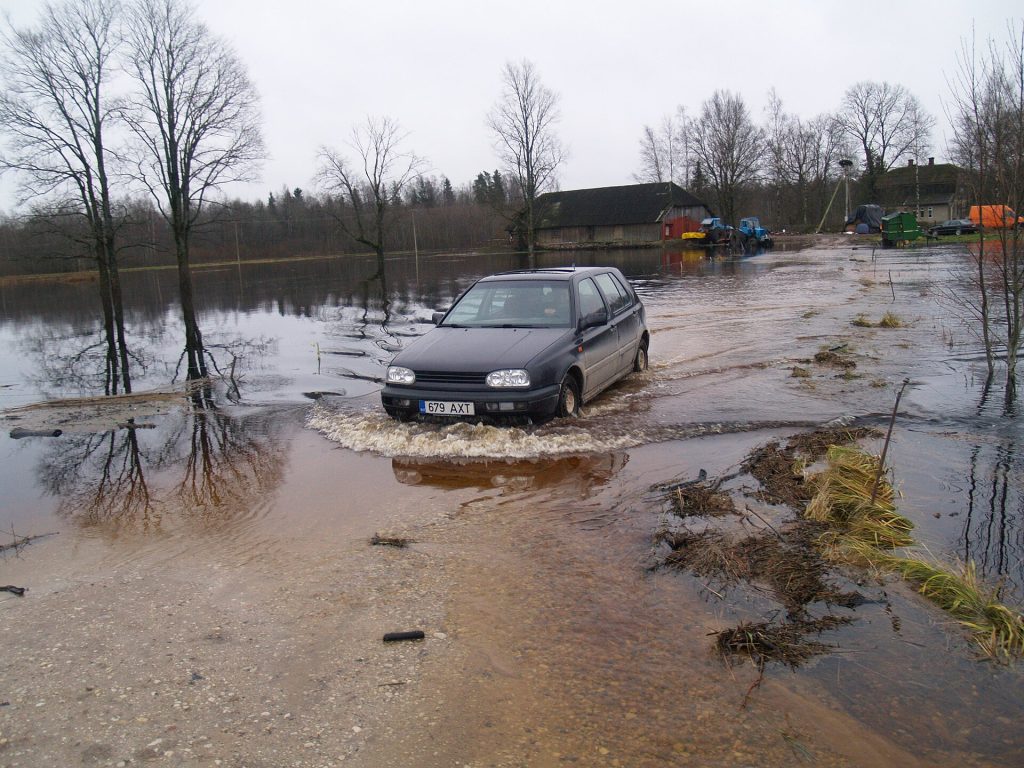
Soomaa, whose name means “land of bogs”, was established as a national park in 1993 and sits in south-western Estonia, roughly between Pärnu and Viljandi. When the snow melts in spring, its rivers overflow. Meadows, forest and minor roads go under water, sometimes over thousands of hectares. Locals call this the fifth season, and it usually arrives around late March and April, though the timing and depth change from year to year.
For a few weeks the best way to get around is by boat. Outfitters in the park run canoe trips over flooded meadows and between the trees, often starting near Riisa. Soomaa also keeps the tradition of the haabjas, a dugout canoe hollowed from a single aspen trunk, which was for a long time the main transport for local families during high water. Workshops in the area still make them.
Outside flood season, Soomaa is good for summer canoeing on the slower rivers and beaver spotting at dusk. Book flood trips early, as outfitters fill up once the water rises.
Lahemaa: manors, fishing villages and coast
Lahemaa, about an hour east of Tallinn, was founded in 1971 and is often described as the first national park in the Soviet Union. It combines forest, bog and a ragged north coast of peninsulas and bays, scattered with large glacial boulders.
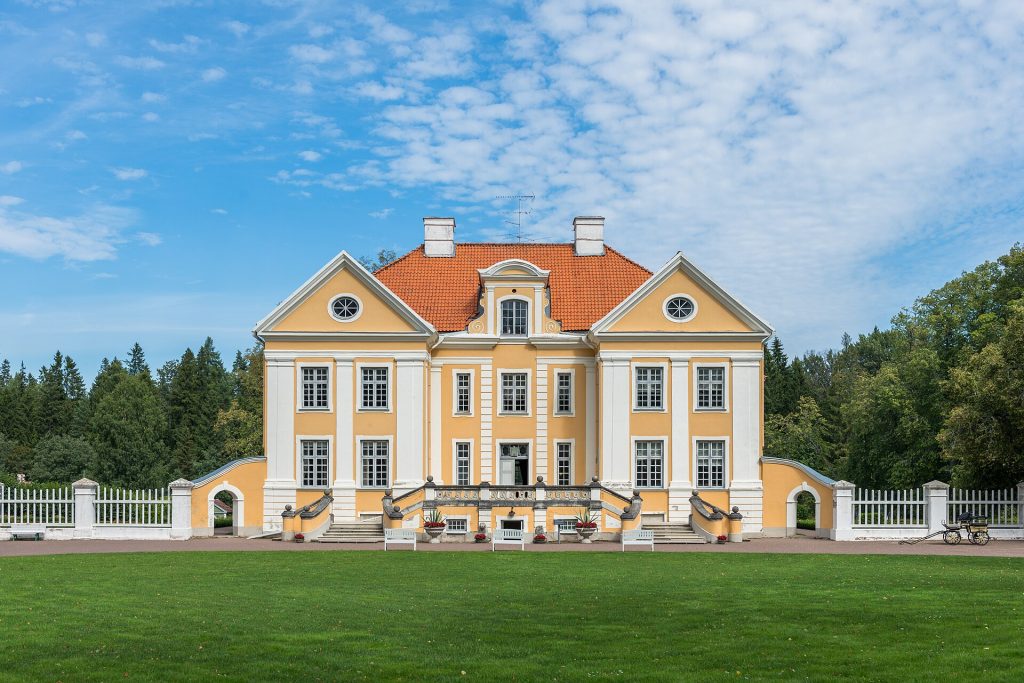
The park’s visitor centre is in the former stable and coach house of Palmse Manor, which makes Palmse the natural place to start. Sagadi, Vihula and Kolga are other manors in and around the park; some are now hotels, others partly ruined.
On the coast, Käsmu is a former captains’ village with wooden houses and a boulder-strewn forest walk on its peninsula, while Altja is a small, carefully preserved fishing village with net sheds by the shore. Cycling between them on quiet roads makes an easy summer day.
Saaremaa: craters, cliffs and juniper
Saaremaa is Estonia’s largest island, reached by a car ferry from Virtsu to Muhu that takes roughly half an hour, followed by a causeway onto Saaremaa itself. Its juniper scrub, stone walls and empty roads make it ideal for cycling.
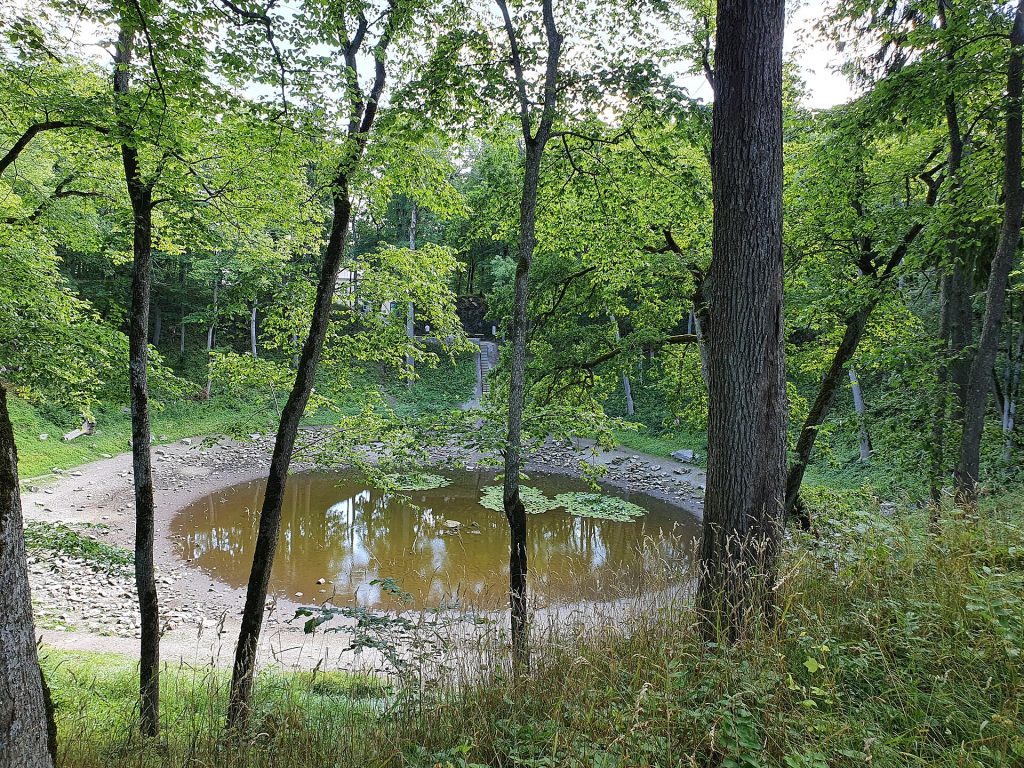
The best-known natural sight is the Kaali crater field, formed by a meteorite impact a few thousand years ago. The main crater is about 110 metres across and holds a round, green pond; eight smaller craters lie within a kilometre of it. Its exact age is still debated.
On the north coast, Panga cliff rises about 20 metres above the sea, the highest on the islands, with a path along the top. In the south, Kuressaare is the island’s only town, and its castle of the bishops of Ösel-Wiek is one of the best-preserved medieval fortresses in the Baltics.
Hiiumaa and its lighthouses
Hiiumaa, the second-largest island, is quieter and more forested than Saaremaa. Ferries run from Rohuküla on the mainland to Heltermaa, and a seasonal ferry links Hiiumaa with Saaremaa in summer.
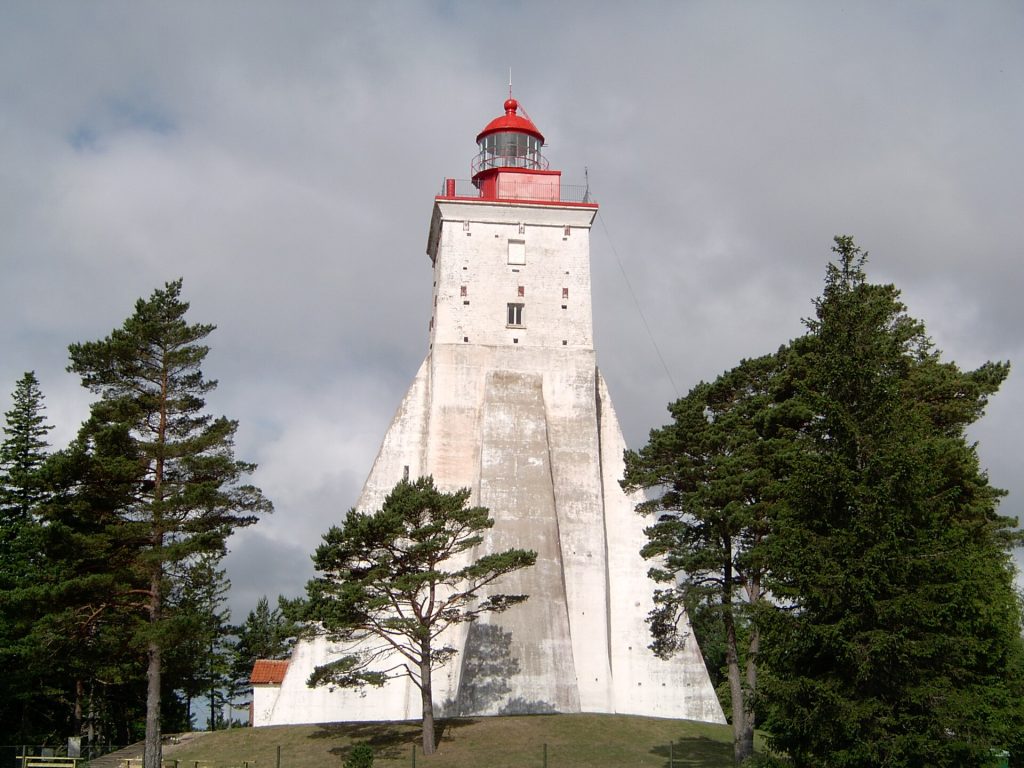
The island’s landmark is Kõpu Lighthouse, a heavy, square-based stone tower completed in 1531 and in use ever since. It is one of the oldest working lighthouses in the world, and because it stands on a hill, its light sits more than 100 metres above sea level. Visitors can usually climb the tower in season for a view over the forested Kõpu peninsula. Further west, Ristna has a red iron lighthouse and a coast popular with surfers when the wind is up, while Tahkuna, in the north, has another tall lighthouse and a stretch of rocky shore.
RMK trails and free campsites
RMK, the State Forest Management Centre, runs one of the best free outdoor networks in Europe. Across the state forest it maintains hiking and nature study trails, campsites with fire rings, shelters and dry toilets, and simple forest huts. Campsites and huts are free and cannot be booked; forest houses, which offer more privacy, carry a key fee and need reserving. The RMK website and app list them all.
The most ambitious route is the RMK hiking trail from Oandu in Lahemaa through Aegviidu to Ikla on the Latvian border, about 370 km across the whole country. It divides into stages linking campsites, so a two- or three-day section is very doable; the southern Kopra to Ikla section, around 74 km, is a popular choice.
Estonia’s right of public access lets you walk on most land and stay a night in many places, but rules apply. At RMK huts the usual expectation is a single night, and you leave dry firewood for the next visitors. Light fires only in marked fire rings, follow any fire-risk warnings in dry summers, and take all your rubbish out with you.
Sauna culture and the Võru smoke sauna
Sauna is part of daily life in Estonia, and almost every guesthouse, farm stay and campsite has one. A proper session alternates heat with a cold plunge into a lake, the sea or, in winter, a hole cut in the ice, and often includes a whisk of birch branches.
The most distinctive form is the smoke sauna of Võrumaa in south-eastern Estonia. It has no chimney: a stove of stones is heated for hours, the smoke fills the room and is then let out, leaving soft, intense heat and a smell of woodsmoke. The smoke sauna tradition in Võromaa was added to UNESCO’s Representative List of the Intangible Cultural Heritage of Humanity in 2014. Several farms around Võru offer sessions to visitors by advance booking.
Winter adventures and ice roads
Winter turns Estonia into a cross-country skiing, snowshoeing and ice-fishing destination, with Otepää in the south the main centre for skiing. In cold winters, the authorities can also open official ice roads across frozen sea to some islands, including the long route between Rohuküla and Hiiumaa. These depend entirely on conditions: in mild winters they do not open at all, and they can close at short notice.
When an ice road is open, follow the posted rules exactly. They typically restrict travel to daylight, prohibit stopping and require keeping to set speeds and distances. Check the Estonian Transport Administration for current status, and never drive or walk on sea ice that has not been officially opened.
Getting around and practical tips
- Car: the simplest option for bogs, manors and trailheads; roads are quiet and well signed. Book island ferries ahead in summer.
- Bus: intercity buses link Tallinn with Pärnu, Viljandi, Kuressaare and Võru, but you will need a taxi or bike for the last stretch.
- Insects: mosquitoes and ticks are common from late spring; use repellent and check for ticks after forest walks.
- Guides: book bog-shoeing, flood canoeing and smoke sauna visits in advance; they run in small groups.
Plan your trip to Estonia
- Tickets and tours in Estonia: tickets and tours on Tiqets · activities on Klook
- Arriving by plane: pre-book an airport transfer with Welcome Pickups
- Road trip: compare car hire on Localrent
- Mobile data: get a travel eSIM from Airalo
Some of these are affiliate links: if you book through them we may earn a small commission, at no extra cost to you.
Planning a bigger trip? See our guide to the 25 best places to visit in Europe, from city breaks to fjords.
Keep exploring
- Best Towns to Visit in Estonia: Culture, Castles and Festivals
- Wild Travel in Europe: 8 Off-Grid Adventures Where the Wild Still Wins
- Adventure Travel in Europe: 8 Challenges That Test Your Nerve
Frequently asked questions
What is the best time for outdoor travel in Estonia?
June to August is best for hiking, cycling and camping, with long days and warm water for swimming. Late March and April bring the Soomaa floods, and January to March suits skiing and snow walks.
Is wild camping allowed in Estonia?
Estonia has a right of public access, and RMK campsites are free to use without booking. Stick to marked campsites where possible, use only designated fire rings, check any local restrictions in protected areas and leave no trace.
Can you walk on the bogs without a guide?
Yes, on the boardwalk study trails at Viru, Riisa and Hüpassaare, which are clearly marked. Walking off the boards across open bog is best done with a guide and bog shoes, as the ground can be unstable around pools.
Photos: Adam Jones, CC BY-SA 2.0, via Wikimedia Commons; Abrget47j, CC BY-SA 3.0, via Wikimedia Commons; Ruukel, Public domain, via Wikimedia Commons; Treehill, CC BY-SA 4.0, via Wikimedia Commons; Aet and Margus Sõmer (margus.s6mer (at) gmail.com), CC BY-SA 4.0, via Wikimedia Commons.