
When you think of Europe, you might picture castles, mountains, or bustling cities. But hidden among its landscapes are aquatic communities that seem straight out of a dream. These villages built on stilts stand right above lakes, rivers, lagoons, and even the sea. Life here flows with the water, creating traditions, stories, and lifestyles that feel worlds apart from the mainland. Exploring aquatic communities is not just about sightseeing. It’s about stepping into a way of life that has existed for centuries, blending human ingenuity with natural rhythms.
1. Aquatic Communities in the Balkans: Where Tradition Meets the Lake

The Balkans are full of surprises, and their aquatic communities are among the most fascinating. Take Mali Ston Bay in Croatia, or the tiny fishing huts along Lake Ohrid between North Macedonia and Albania. Here, wooden stilts rise from the water, supporting modest homes where fishermen have lived for generations.
Visitors love strolling along the narrow wooden walkways, often built to connect homes or fish farms. The smell of fresh fish being grilled over open flames mixes with the lake breeze. It creates an atmosphere that feels both rustic and timeless. Moreover, these places are not just relics. Locals still rely on fishing and aquaculture, keeping the traditions alive.
Because tourism is slowly growing in these regions, travelers can stay overnight in stilt houses. Imagine waking up to the sound of water gently lapping beneath your room. That’s an experience you won’t find in a typical hotel. Transitioning from land to water becomes effortless, and it’s exactly this blending of worlds that makes aquatic communities in the Balkans so memorable.
2. Aquatic Communities in Northern Europe: Living With the Tide

Northern Europe has its fair share of aquatic communities, too. In places like the Wadden Sea along the coasts of Germany and Denmark, stilt houses rise above mudflats and tidal waters. They might look fragile, but their design is incredibly clever. They allow locals to withstand the shifting moods of the sea.
Here, life revolves around the tide. At high tide, boats float directly below the homes. At low tide, mudflats stretch for miles, revealing a completely different world. Travelers love to take guided walks across the seabed, exploring this unique environment. And afterward, nothing beats climbing back to a cozy stilt café and enjoying a steaming bowl of seafood soup while the water slowly returns.
These communities are reminders of resilience. People have always adapted to water, not fought against it. And in Northern Europe, the connection between locals and their aquatic surroundings remains strong. From birdwatchers to hikers, everyone who visits gets a taste of this watery rhythm.
3. Aquatic Communities in Italy: Romance on the Lagoon

When talking about Italy, Venice usually dominates the conversation. But the country hides many other aquatic communities that deserve attention. Think about Burano and Torcello, tiny islands in the Venetian Lagoon, or the fishermen’s huts on stilts in Emilia-Romagna known as “trabucchi.”
These structures are not just houses; they are tools for fishing. With massive nets suspended over the sea, the trabucchi offer a glimpse into centuries-old techniques. Many have been transformed into restaurants where you can enjoy fresh catch while sitting right above the waves.
Meanwhile, Burano enchants visitors with its colorful houses that seem to float on the canals. Although not built entirely on stilts, its lifestyle is undeniably aquatic. Narrow bridges, tiny boats, and lagoon views make it one of the most photogenic corners of Italy. Walking here feels like stepping into a painting. And the best part? Each turn hides another story about how people carved a life directly from the water.
4. Aquatic Communities in France: From Oyster Farms to Seaside Havens

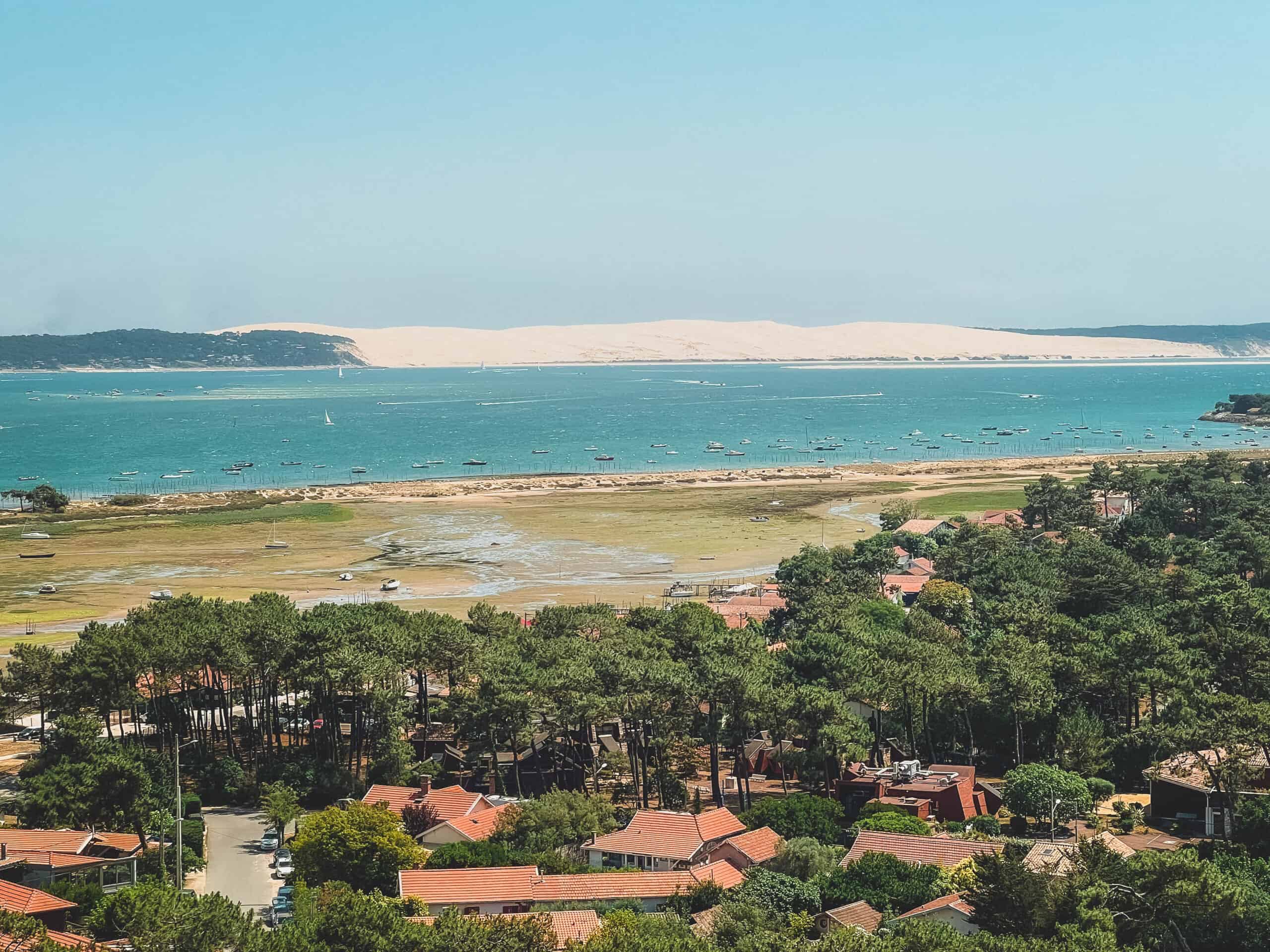
France might surprise you with its variety of aquatic communities. Along the Atlantic coast, especially in Arcachon Bay, wooden stilt cabins dot the shallow waters. Once used by oyster farmers, these “cabanes tchanquées” have become iconic symbols of the region. Their rustic charm attracts photographers, artists, and travelers looking for something different from the usual Riviera glitz.
In Brittany, another region tied to the sea, fishing huts on stilts called “carrelets” stand proudly along estuaries. Each one is equipped with square nets that locals lower into the water with pulleys. It’s a lifestyle deeply connected to tidal rhythms.
Visitors often join in the fun, learning to fish with carrelets while enjoying panoramic views of the French coastline. It’s not just about food. It’s about experiencing a culture where the sea is both neighbor and provider. Spending a day in these communities leaves you with the salty breeze in your hair and the taste of the ocean on your lips.
5. Aquatic Communities in Spain and Portugal: Sun, Sea, and Stilts

Southern Europe brings a sunnier flavor to aquatic communities. In Spain, the Galician coast is dotted with fishing huts raised above the water. Here, seafood is more than a meal—it’s an identity. Mussel farms, oyster beds, and clams thrive in the calm estuaries, and the stilt houses play a key role in sustaining them.
Across the border, Portugal’s Aveiro, often called the “Venice of Portugal,” also offers aquatic traditions. Moliceiros, brightly painted boats, glide through the canals. Fishermen’s huts stand above tidal marshes, completing the picture. Aveiro is a paradise for those who love mixing culture with cuisine. A day might start with a boat ride, continue with fresh seafood, and end with a walk along stilt bridges that lead to hidden salt pans.
Because the Iberian Peninsula enjoys a mild climate, these communities thrive year-round. Travelers enjoy the slower pace of life, where afternoons stretch lazily into evenings and the horizon is always filled with shimmering water.
Conclusion
Across Europe, aquatic communities tell a powerful story of human adaptation. From the tidal flats of the north to the sunlit lagoons of the south, people have always found ways to live with water rather than against it. These villages built on stilts are more than just picturesque destinations. They are living museums, places where tradition, resilience, and beauty come together.
Visiting them is like stepping into another rhythm—slower, gentler, and deeply tied to nature. And whether you wander through Burano, explore the Wadden Sea, or dine in a trabucco restaurant, you’ll see how aquatic communities continue to inspire and amaze. They prove that life on the water is not just possible but wonderfully rich.


