Updated
Spring is when many European cities are at their most pleasant to walk around, and when some of their oldest traditions take over the streets. The far south is warm by late March, the big summer queues have not yet formed, and the calendar fills with Easter rites, saints’ processions and civic holidays that locals actually turn out for.
This guide is organised by month rather than by scenery. Each of the eight picks below pairs a city with something that only happens, or is at its best, in March, April or May. Several of the dates move with Easter, so check the year’s calendar before you book flights.
Spring city breaks at a glance
- March: Athens for Independence Day and comfortable sightseeing, Granada for the Alhambra with snow still on the Sierra Nevada.
- April: Florence for its Easter Sunday cart, Corfu for Orthodox Easter, Amsterdam for King’s Day.
- May: Cagliari for the Sant’Efisio procession, Syracuse for ancient plays in the Greek Theatre, Venice for its old maritime festivals.
- Weather: mild to warm days, cool evenings and the odd shower; the south heats up quickly from late May.
- Book ahead for: any city around Easter, and accommodation in Corfu Town, Cagliari and Amsterdam on their big days.
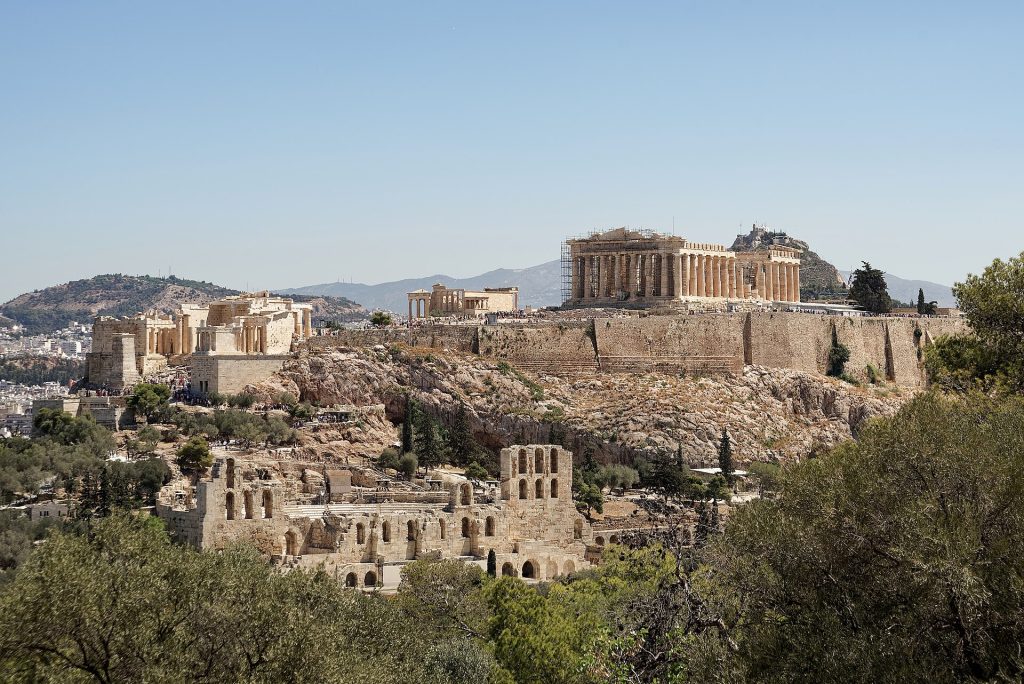
1. Athens, Greece (March)
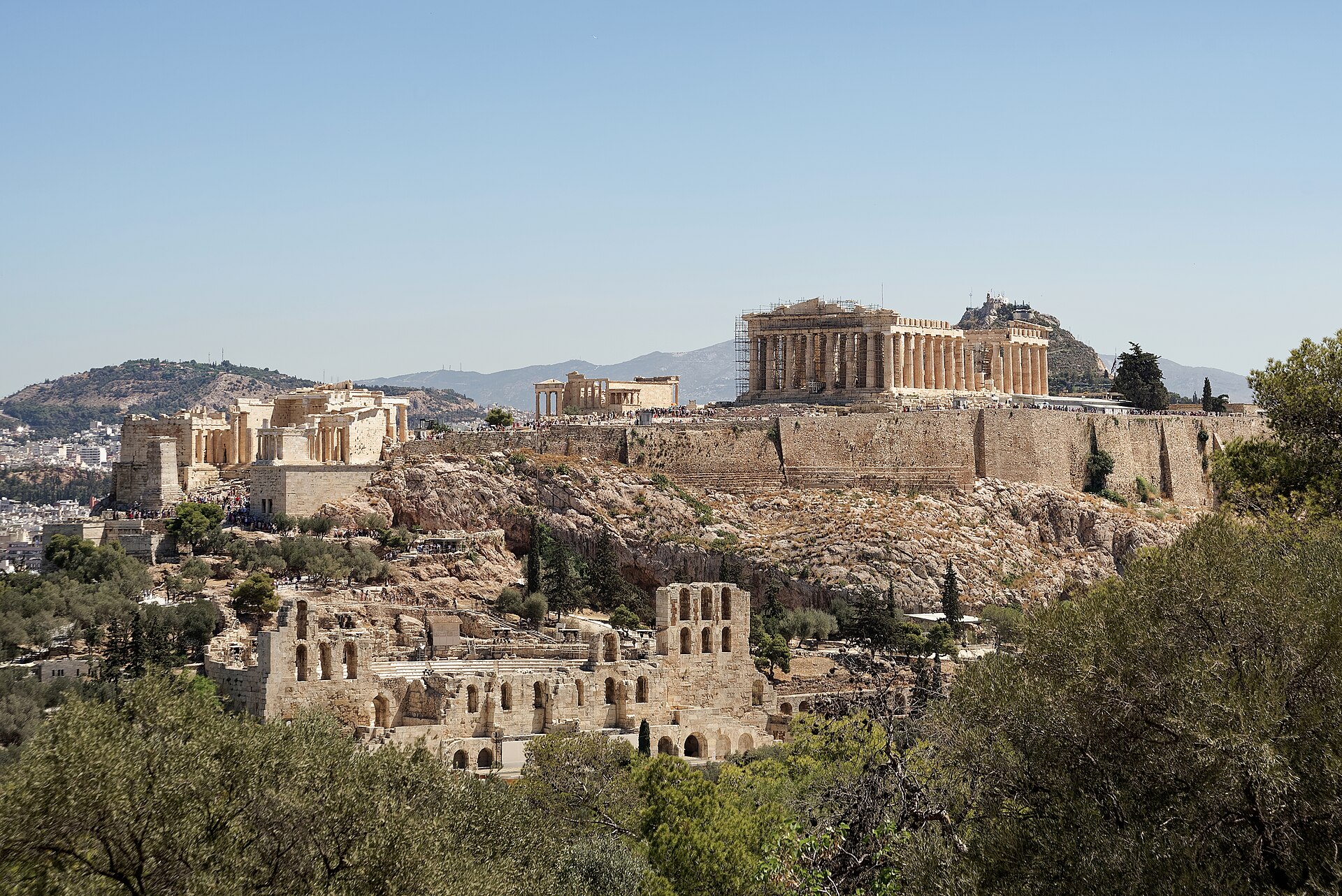
Athens in March is a different city from Athens in July. Daytime temperatures are usually mild enough to climb to the Acropolis at midday, the ancient sites are far quieter than in summer, and the pine-covered hills around the centre are green after the winter rain.
Two dates are worth planning around. On 25 March, Greek Independence Day, a large military parade runs past Syntagma Square and the Parliament, with a schoolchildren’s parade the day before. Expect road closures around the centre. Earlier in the season, Clean Monday (Kathara Deftera), the first day of Orthodox Lent, sends Athenians up Filopappou Hill and other green spaces to fly kites and picnic on Lenten food such as lagana bread. It falls in February or March, depending on the date of Orthodox Easter.
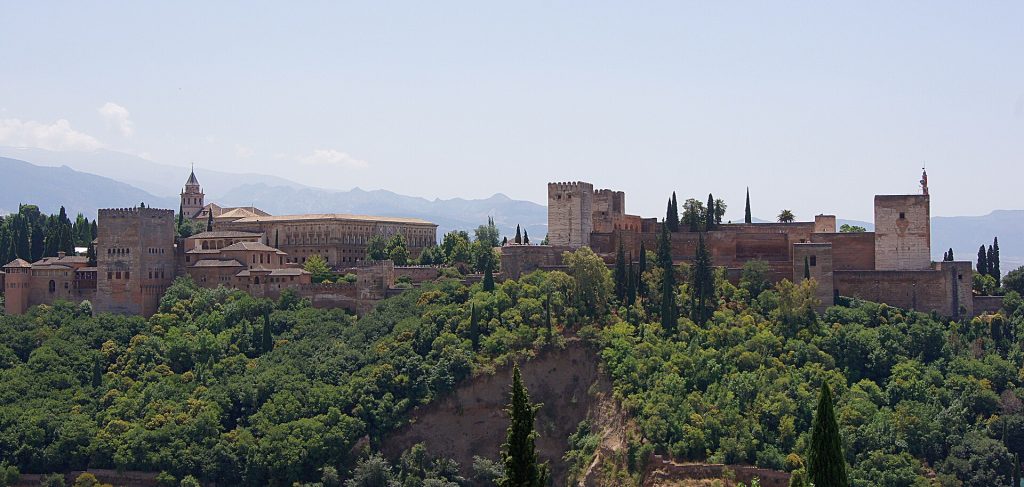
2. Granada, Spain (March)
Granada is one of the few cities in Europe where you can see a Moorish palace in the morning and ski in the afternoon. The Sierra Nevada ski area at Pradollano sits about an hour’s drive from the city and usually stays open until around late April, snow permitting. In March the peaks behind the Alhambra are still white, which makes for the classic view from the Mirador de San Nicolás in the Albaicín.
The weather is good for walking: the steep lanes of the Albaicín and Sacromonte are hard work in summer heat but a pleasure in spring. Book Alhambra tickets well ahead, as timed entry to the Nasrid Palaces sells out.
When Holy Week falls in March or early April, Granada’s processions have a setting no other Andalusian city can match. On the night of Holy Wednesday, the Cristo de los Gitanos procession climbs from the centre to Sacromonte, where bonfires are lit along the route outside the cave houses and the image reaches the Sacromonte Abbey in the small hours.
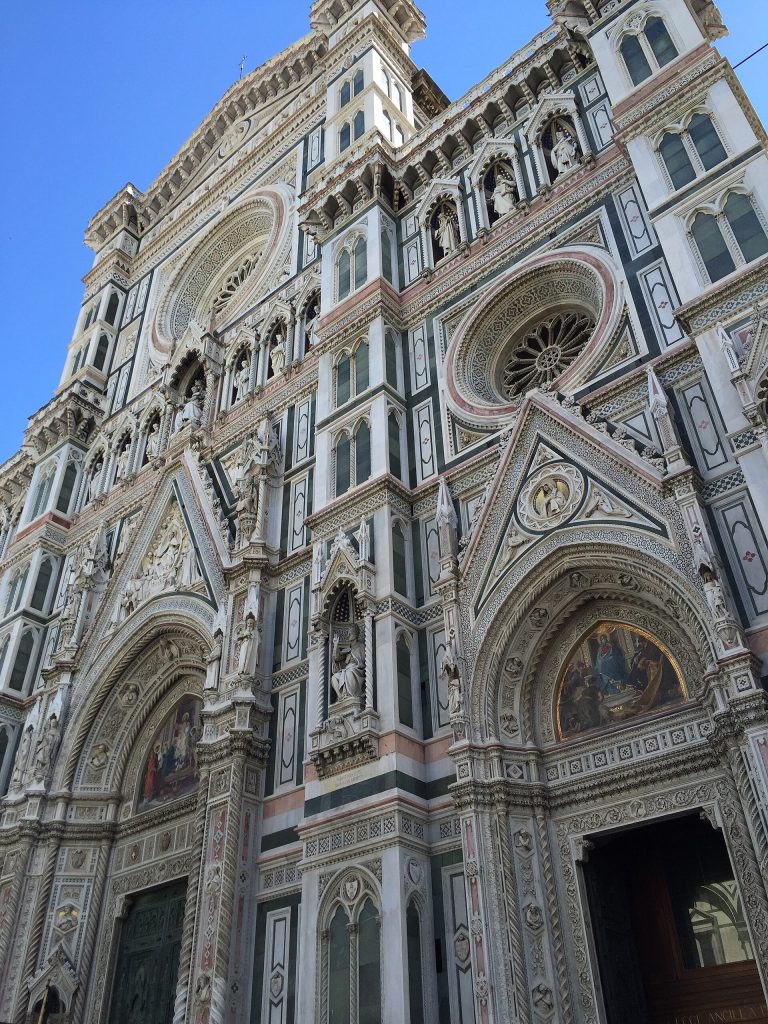
3. Florence, Italy (Easter, March or April)
Florence celebrates Easter Sunday with the Scoppio del Carro, the “explosion of the cart”. The Brindellone, a tall wooden cart packed with fireworks, is drawn by oxen through the streets to the square between the cathedral and the Baptistery. During the Easter morning Mass, the archbishop lights a dove-shaped rocket, the colombina, which runs along a wire out of the cathedral and sets off the cart. A smooth flight is traditionally read as a good omen for the year’s harvest.
The fire used is said to be struck from flints that a Florentine, Pazzino de’ Pazzi, brought back from the Holy Sepulchre in Jerusalem during the First Crusade. That part is legend, but the ceremony itself has taken more or less its present form since the late 15th century.
The square is packed, so arrive early, or watch the procession on its way rather than the explosion itself. Spring also suits the climb to San Miniato al Monte, which is hard going in summer heat.
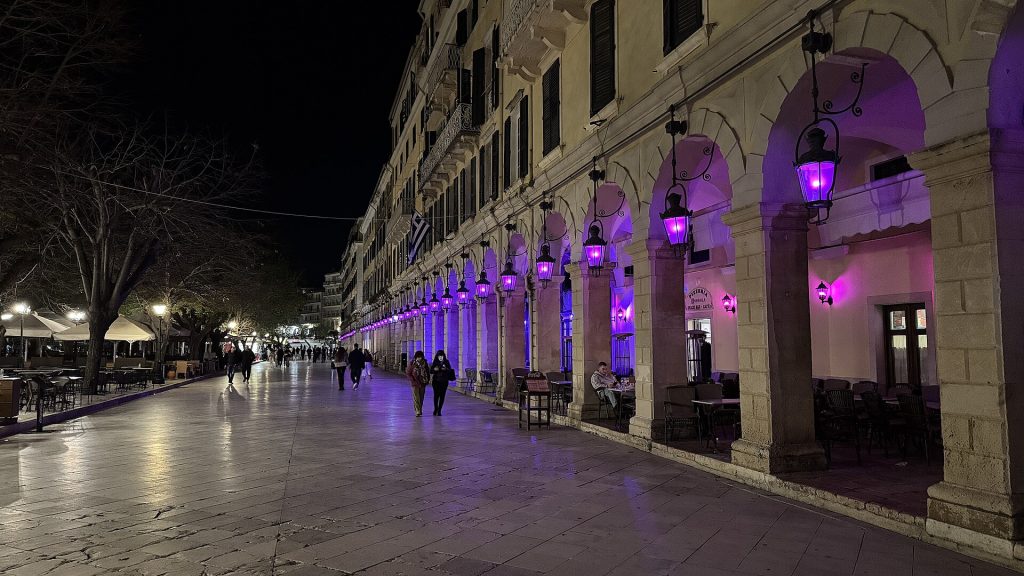
4. Corfu Town, Greece (Orthodox Easter, April or early May)
Orthodox Easter is the biggest celebration of the Greek year, and Corfu Town marks it in its own way. Brass bands play in the processions, and the relics of Saint Spyridon, the island’s patron saint, are carried through the old town.
The moment most visitors come for is at around 11 in the morning on Holy Saturday. Shortly after the Saint Spyridon procession, residents throw clay pots, many filled with water, from balconies and windows onto the streets below. The custom, known as botides, is said to recall the earthquake that followed the Resurrection, and onlookers pick up shards afterwards for luck. The best views are around the Liston and the streets of the old town. At midnight that evening, the Resurrection is announced with candles, church bells and fireworks.
Orthodox Easter usually falls later than Western Easter, and in some years on the same day. Hotels in Corfu Town fill early for the long weekend, so book well in advance.
5. Amsterdam, Netherlands (King’s Day, late April)
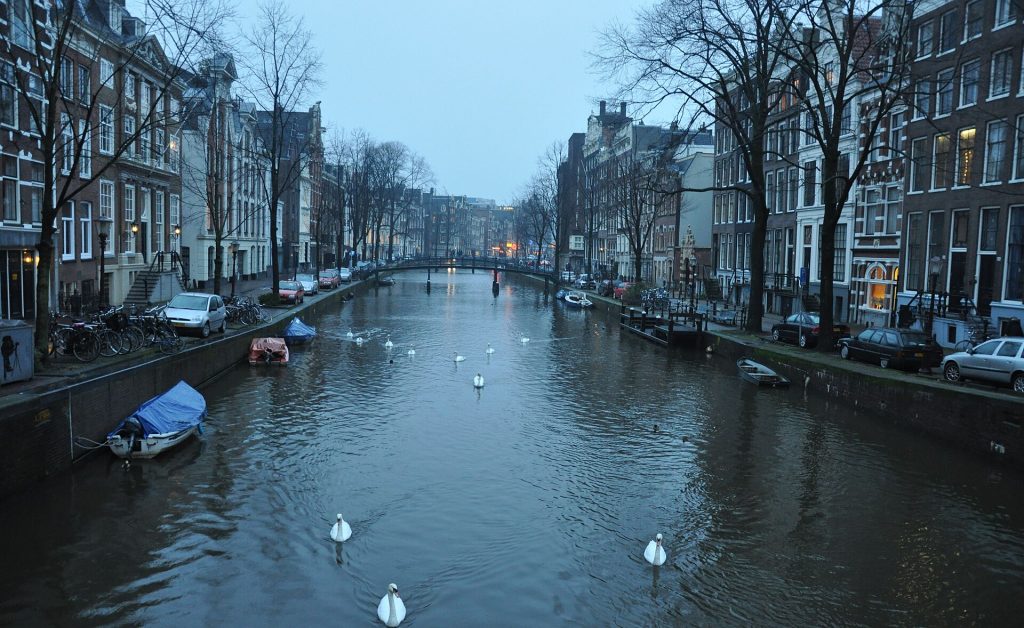
For one day a year, Amsterdam turns orange. King’s Day (Koningsdag) celebrates the birthday of King Willem-Alexander on 27 April, or on 26 April when the 27th is a Sunday. The canals fill with decorated boats, bands play on street corners and bridges, and almost everyone wears orange.
The heart of the day is the vrijmarkt, a citywide street market where anyone can sell second-hand goods on the pavement without a permit. The Jordaan and the streets of the canal belt are the busiest, while Vondelpark has a market for children.
It is a crowded, loud and cheerful day. Public transport is limited in the centre and hotel prices rise, so if you prefer a calm Amsterdam, come a week earlier or later.
6. Cagliari, Sardinia (1 May)
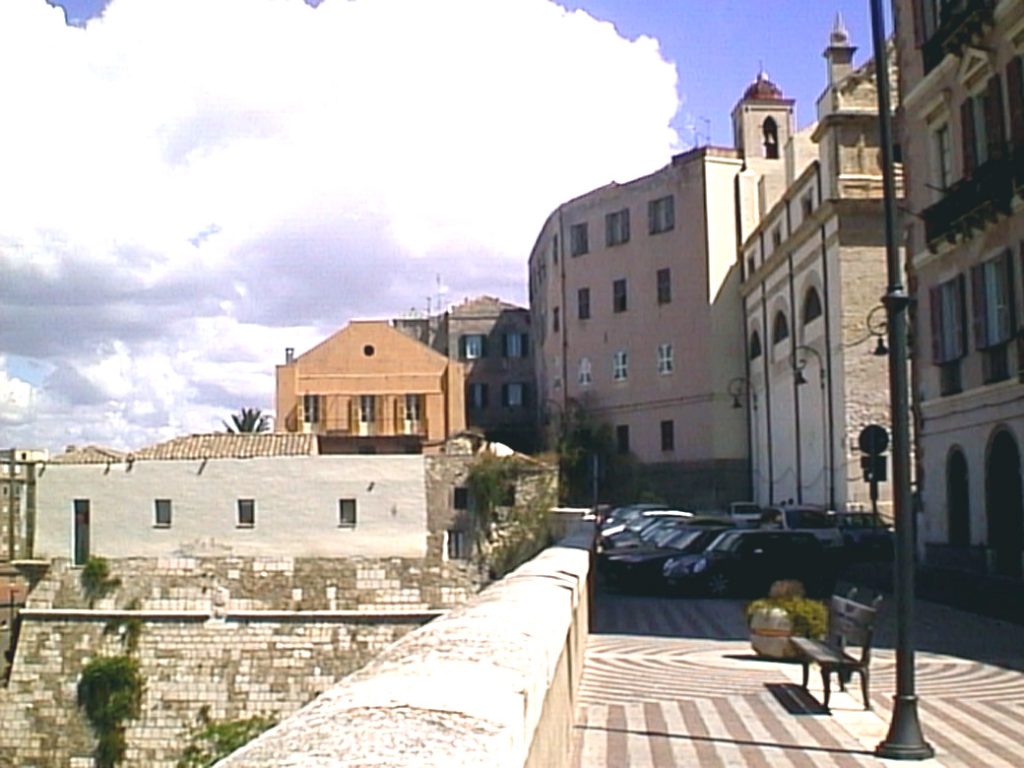
The Sant’Efisio procession is Sardinia’s largest religious festival and one of the most colourful in Italy. It goes back to a vow made by the city during an outbreak of plague in the 1650s, and Cagliari has kept it every year since.
On 1 May, the statue of the saint leaves his church in the Stampace district on a gilded carriage drawn by oxen. Ahead of it come the traccas, flower-decked ox carts, then thousands of people in the traditional dress of towns and villages from across the island, along with riders on horseback and players of the launeddas, the Sardinian triple pipe. The procession then continues on foot to Nora, the coastal Roman site near Pula where Efisio is said to have been martyred, and returns to Cagliari a few days later.
There is grandstand seating along part of the route in the city centre; the rest of the procession can be watched for free from the pavement.
7. Syracuse, Sicily (May and June)
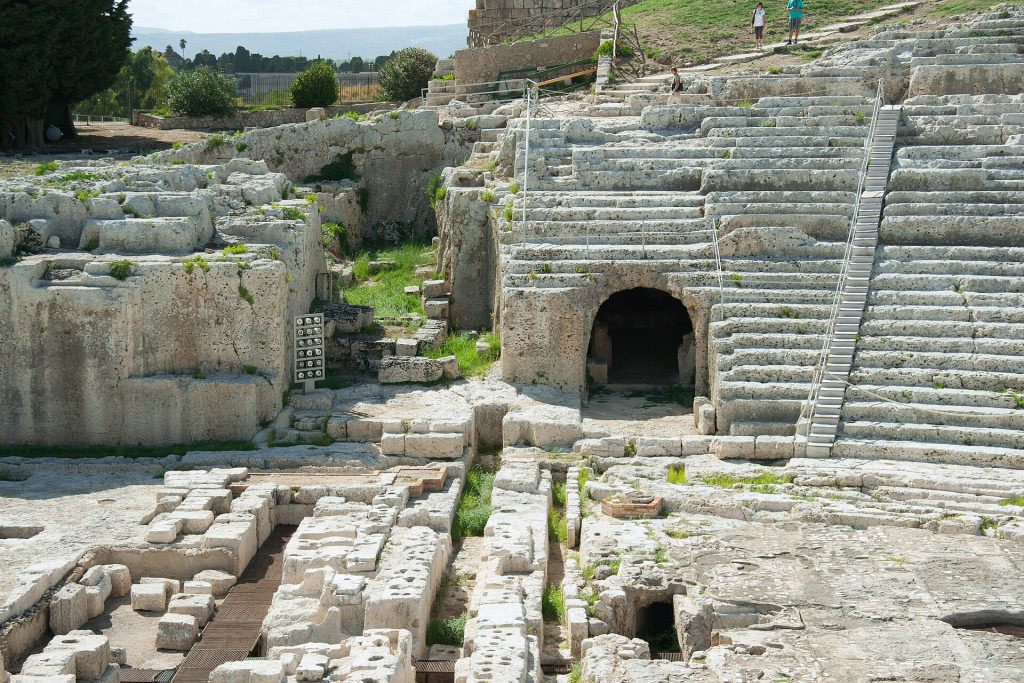
Each spring, the Greek Theatre of Syracuse goes back to its original use. Since 1914, the National Institute of Ancient Drama (INDA) has staged Greek tragedies and comedies here, and the season usually opens in May and runs into early July. Plays by Aeschylus, Sophocles and Euripides, with the occasional comedy, are performed in Italian, in the open air, on a stone auditorium cut into the hillside of the Neapolis Archaeological Park. Performances start in the early evening as the light softens.
Syracuse is a fine base for a few days in late spring, before the heat of high summer. The island of Ortigia, the old centre, has a baroque cathedral built around the columns of a Greek temple, a morning market and seafront walks.
Book theatre tickets ahead, and bring a cushion and a layer: the stone seats are hard and the air cools after sunset.
8. Venice, Italy (May)
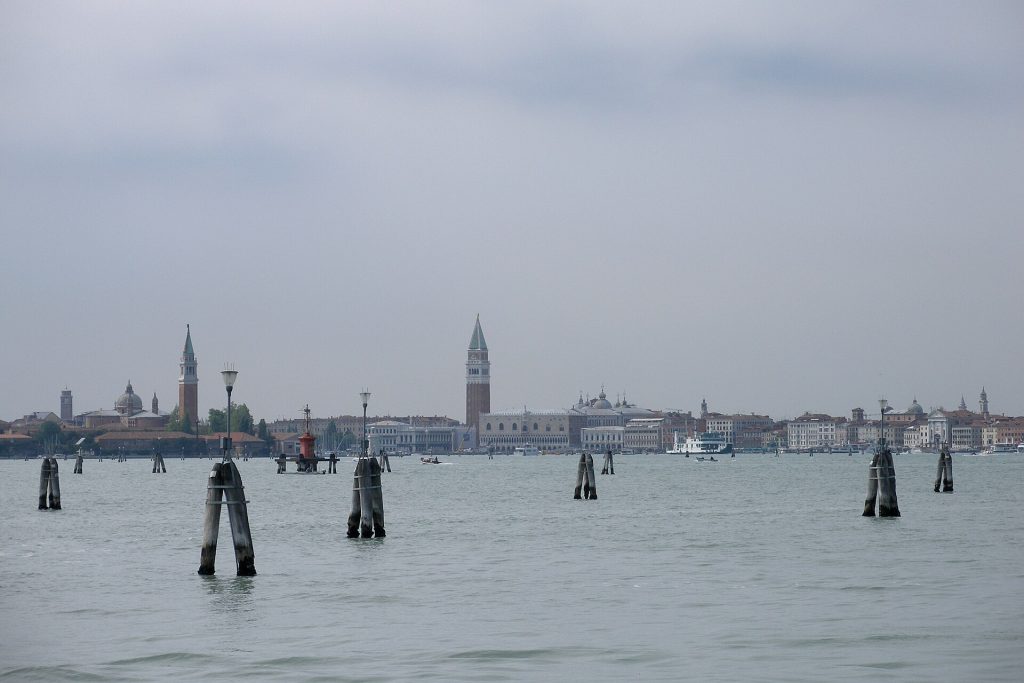
Venice in May is warm and still short of the peak summer crowds, and two lagoon festivals give it extra reason. The Festa della Sensa, held around Ascension Day, revives the ceremony in which the doge threw a ring into the sea to mark Venice’s bond with the Adriatic. Today the mayor performs the “marriage of the sea” from a ceremonial boat, followed by a regatta of traditional craft.
The Vogalonga, on a Sunday in May or early June, is a non-competitive rowing event of about 30 kilometres around the lagoon, open only to boats without engines. It began in the 1970s as a protest against motorboat traffic and now draws well over a thousand boats, from gondolas and dragon boats to kayaks. Boats set off from St Mark’s Basin, loop out past Burano and return through the Cannaregio canal and down the Grand Canal to finish near Punta della Dogana, which makes for one of the rare chances to see the canals free of motor traffic.
Check the city’s events calendar for each year’s dates, and remember that day visitors to the historic centre may need to pay the access fee on certain spring dates.
Planning a spring city break around an event
- Check Easter first. Western and Orthodox Easter move every year, and they shift the dates of Holy Week in Granada, the Scoppio del Carro in Florence and the Corfu celebrations. Clean Monday and Ascension move with them.
- Book accommodation early. Rooms in Corfu Town at Easter, central Cagliari on 1 May and Amsterdam on King’s Day go fast, and prices rise.
- Expect closures. Some shops, museums and transport lines change hours on public and religious holidays; check current times before you travel.
- Pack for both seasons. Spring days can feel like summer in Syracuse or Granada, but evenings stay cool, and showers are common in Amsterdam and Florence.
- Go south early, north later. The southern cities are best in March and April, before the heat builds; the north comes into its own from late April.
Plan your trip
- Athens: tickets and tours on Tiqets · activities on Klook
- Granada: tickets and tours on Tiqets · activities on Klook
- Florence: tickets and tours on Tiqets · activities on Klook
- Arriving by plane: pre-book an airport transfer with Welcome Pickups
- Road trip: compare car hire on Localrent
- Mobile data: get a travel eSIM from Airalo
Some of these are affiliate links: if you book through them we may earn a small commission, at no extra cost to you.
Planning a bigger trip? See our guide to the 25 best places to visit in Europe, from city breaks to fjords.
Keep exploring
- Where to See Spring Flowers in Europe: 9 Blooms, Month by Month
- Warm Spring Break Destinations in Europe: 9 Picks for March and April
- European Destinations You Should Visit in Spring: 7 Top Picks
Frequently asked questions
Which European city is warmest in March?
Among the cities in this guide, Athens and Syracuse are usually the warmest in March, with mild days well suited to sightseeing.
Where is the best place in Europe to spend Easter?
For Western Easter, Florence’s Scoppio del Carro and Holy Week in Andalusian cities such as Granada are among the most memorable. For Orthodox Easter, Corfu Town is famous for its bands, processions and Holy Saturday pot throwing.
Is May a good month for a European city break?
Yes. May usually brings long days and warm weather across most of the continent, and many cities have festivals before the summer peak. Southern cities are pleasantly warm rather than hot, though the last week of May can already feel like summer.
Photos: Jakub Hałun, CC BY 4.0, via Wikimedia Commons; Jebulon, Public domain, via Wikimedia Commons; Sharkwire, CC BY-SA 4.0, via Wikimedia Commons; Gkaridis0, CC BY 4.0, via Wikimedia Commons; Jorge Láscar from Australia, CC BY 2.0, via Wikimedia Commons; Giova81, CC BY-SA 3.0, via Wikimedia Commons; Zde, CC BY-SA 4.0, via Wikimedia Commons; Vyacheslav Argenberg, CC BY 4.0, via Wikimedia Commons.