Updated
England is full of pretty villages, but pretty is not the same as interesting. Each place below has a story you can still read in its streets, whether a mill village built by one man’s conscience or the harbour where a teenage James Cook first looked out to sea.
We chose these ten for history and character first, looks second. Most can be seen in half a day. Rye, Lavenham, Ludlow and Whitby appear in our separate guide to picturesque small towns in the UK, so they are left out here.
Historic English villages and towns at a glance
- Best for: history lovers, slow weekends, walkers who like a village at each end of the path.
- How long: half a day for most villages; a full day for Stamford, Saltaire or Lacock with its abbey.
- When to go: May, June and September for long days without peak crowds; weekdays all year are quieter.
- Getting there: Saltaire, Stamford and Bradford-on-Avon have railway stations; the rest are much easier by car.
- Book ahead: rooms in Burnham Market, Lacock and Staithes in summer, and the Orford Ness ferry.
1. Lacock, Wiltshire
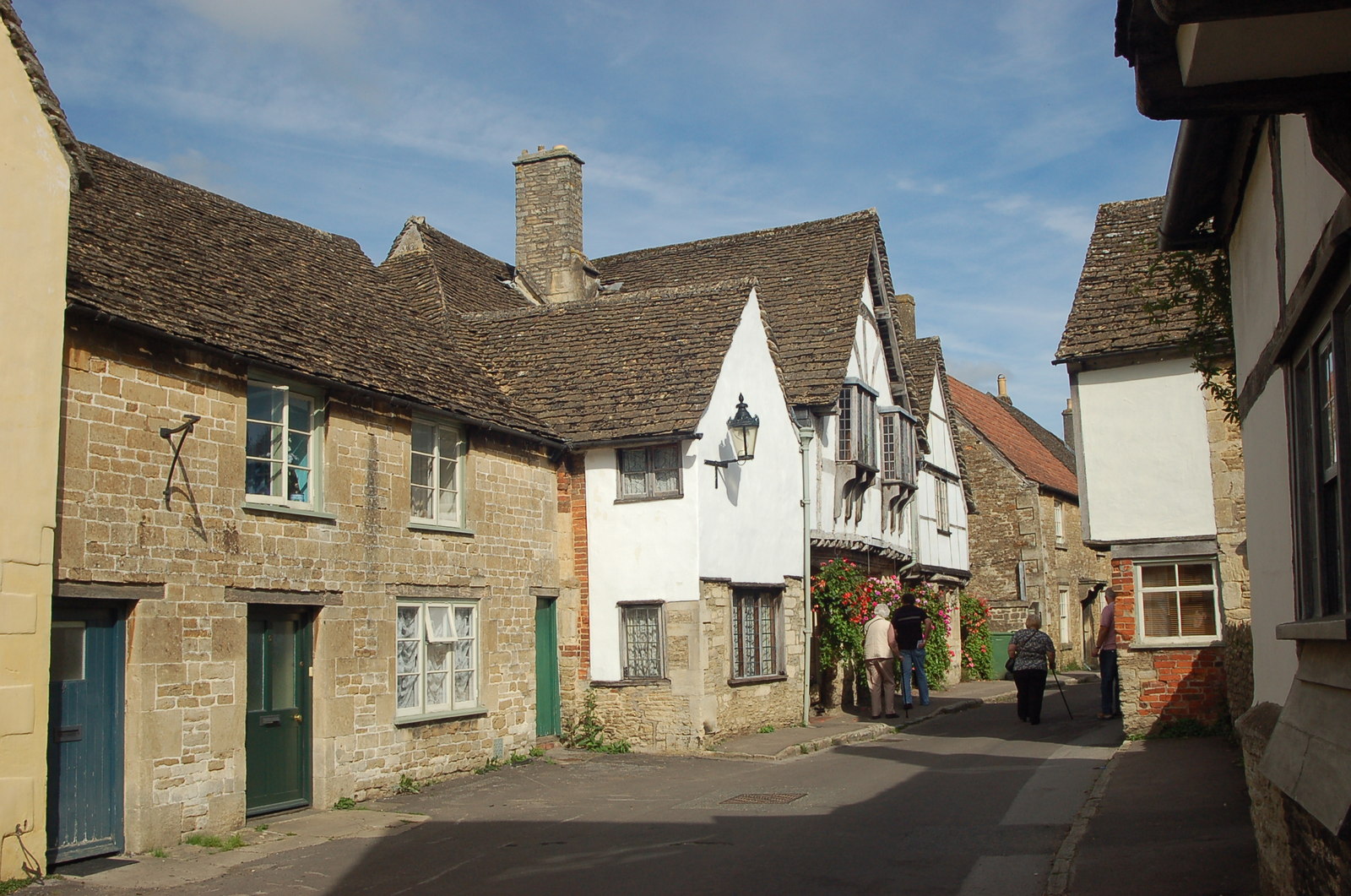
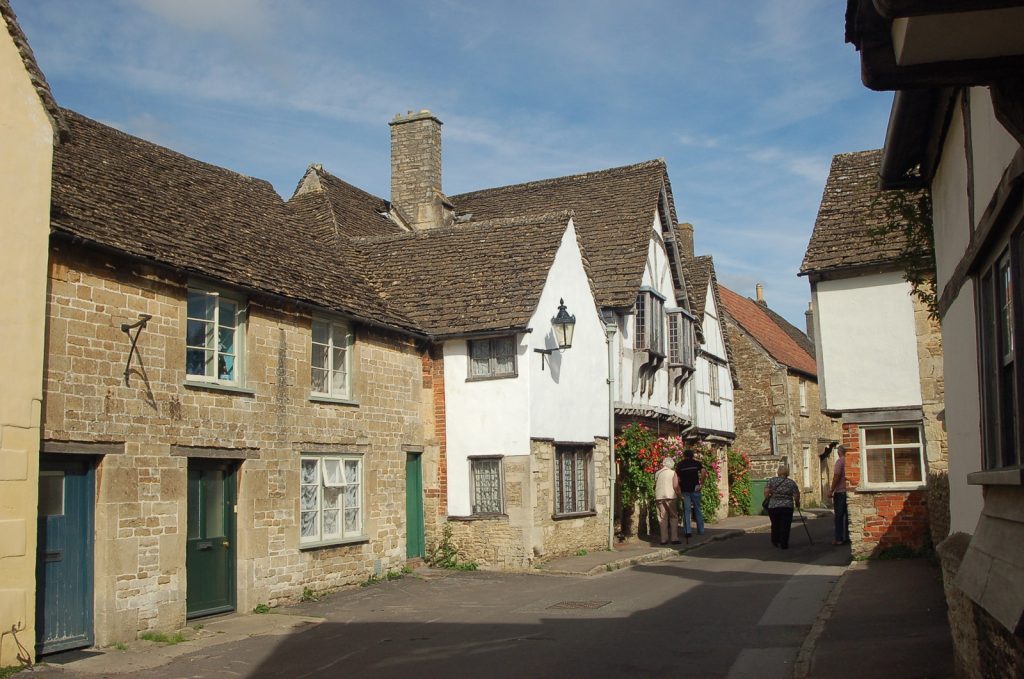
Lacock is the rare English village where almost nothing jars. Most of it has belonged to the National Trust since 1944, when Matilda Talbot handed over the abbey and village: four short streets of stone and half-timbered houses, a 14th-century tithe barn and hardly a modern shopfront.
The village grew up beside Lacock Abbey, founded in 1232 by Ela, Countess of Salisbury, as a house for Augustinian nuns. In the 1830s its later owner William Henry Fox Talbot used a small oriel window in the south gallery as the subject of what is thought to be the earliest surviving photographic negative. The Fox Talbot Museum by the abbey gate tells the story. The cloisters appeared in several Harry Potter films. Come early or late to avoid coach groups.
2. Saltaire, West Yorkshire
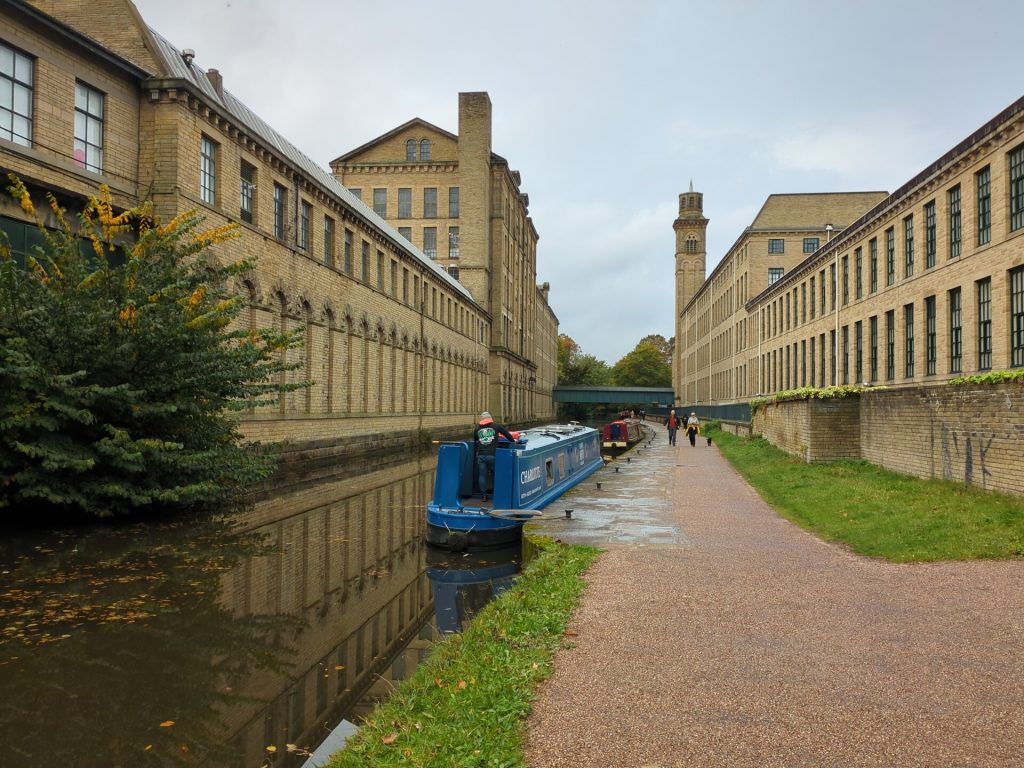
Saltaire is a whole Victorian idea in sandstone. The wool manufacturer Titus Salt began building it in 1851 beside the River Aire and his huge mill opened in 1853 on his 50th birthday. Around it he laid out decent terraced houses, almshouses, a school, an institute and a grand church. UNESCO inscribed the village as a World Heritage Site in 2001.
Salts Mill now holds shops and the 1853 Gallery, with a large permanent display of work by David Hockney, who was born in Bradford. Walk the grid of streets west of the mill, many named after Salt’s family, then cross the canal and river to Roberts Park. The station is in the village, a short ride from Leeds.
3. Blockley, Gloucestershire
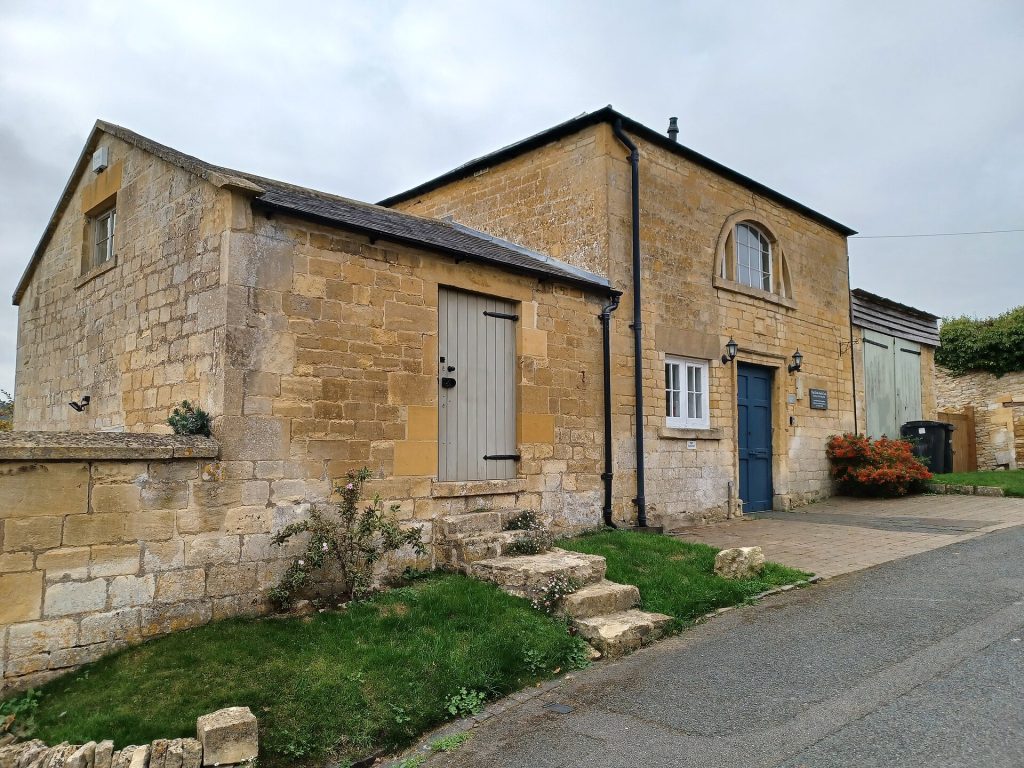
Blockley is a Cotswold village that worked for its living. In the 18th and 19th centuries the brook running through it powered several silk mills. When the trade died the mills became houses, so the clues are subtle: a mill pond here, a long building with rows of windows there.
The Church of St Peter and St Paul dates largely from the Norman period, and fans of BBC detective drama may recognise it, along with its vicarage, as the fictional parish of Kembleford in Father Brown. It has none of the coach traffic of Bourton-on-the-Water, and Chipping Campden and Batsford Arboretum are close by.
4. Hambleden, Buckinghamshire
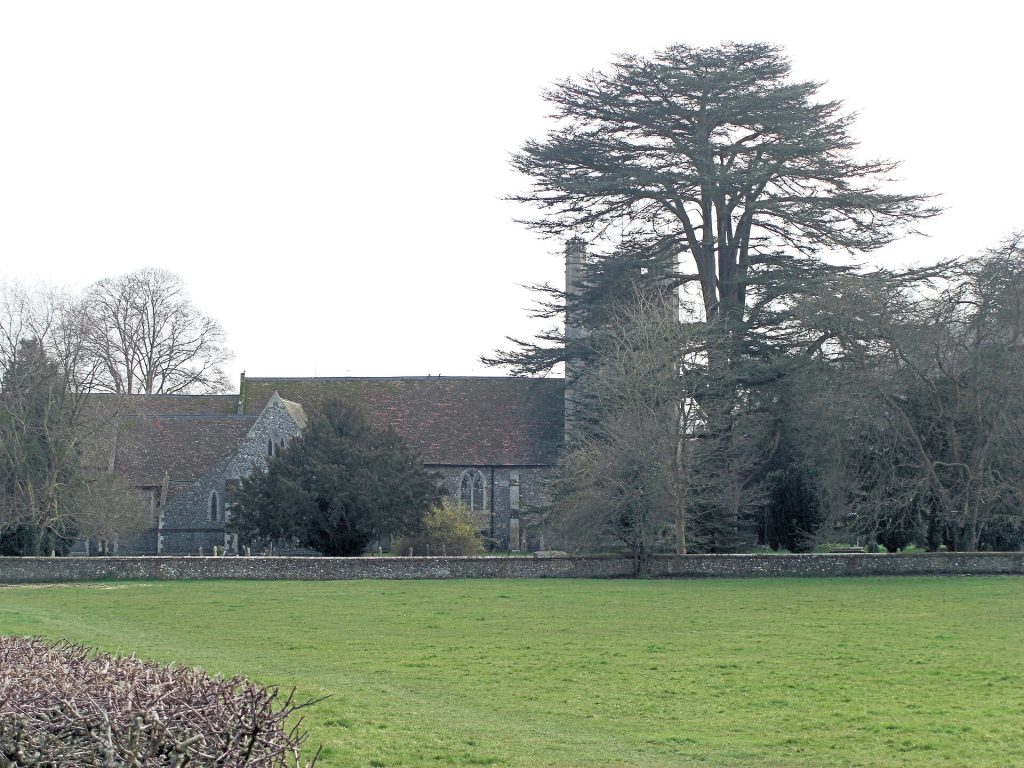
Tucked into a valley of the Chiltern Hills a few miles from Henley-on-Thames, Hambleden is a compact cluster of brick and flint cottages around the parish church of St Mary. It was recorded in the Domesday Book, and much of the village still belongs to a single estate, which explains why so little has changed.
Lord Cardigan, who led the Charge of the Light Brigade, lived at the manor house opposite the church, and his sea chest is kept in the church. Walk a mile or so south to Mill End, where a white weatherboarded mill stands on the Thames and a path crosses the long weir to Hambleden Lock.
5. Burnham Market, Norfolk
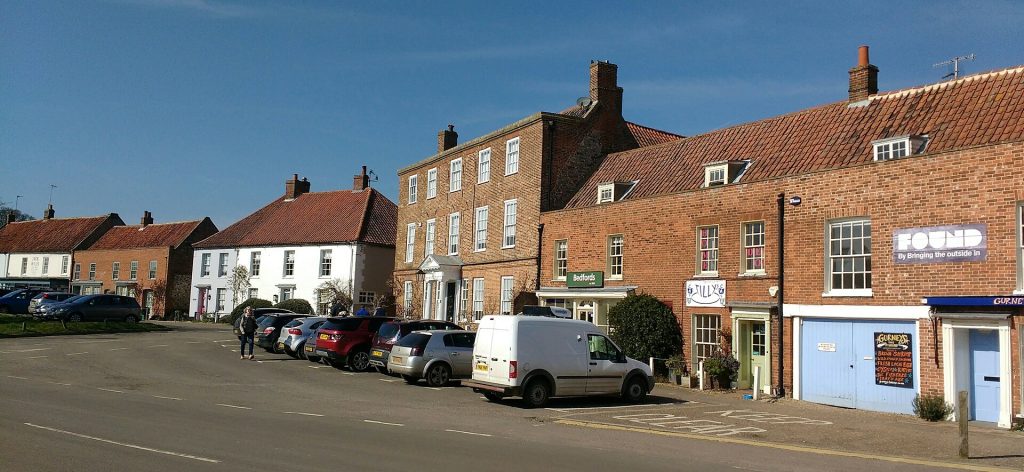
Burnham Market is the smartest of a group of villages near the north Norfolk coast known as the Burnhams. Its long green is lined with handsome Georgian and older houses, with a church at either end, and its independent shops and galleries have earned it the nickname “Chelsea-on-Sea”.
History here is naval. Horatio Nelson was born in 1758 at Burnham Thorpe, a mile or so east, where his father was rector. On the coast nearby, Burnham Overy Staithe has a creek, salt marshes and a footpath out to the dunes, and the wide beach at Holkham is a short drive east.
6. Staithes, North Yorkshire
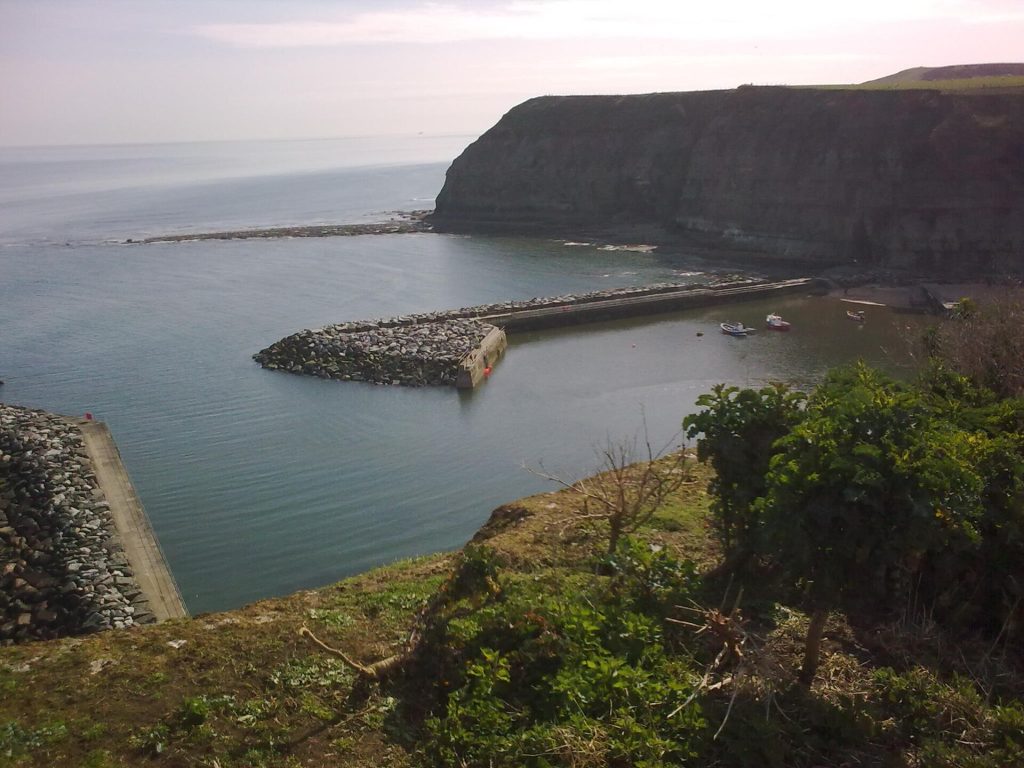
Staithes squeezes its cottages into a narrow gap between cliffs where a beck meets the North Sea. In the 1740s a teenage James Cook was apprenticed to a grocer here, William Sanderson, before moving to Whitby and on to the sea. The original shop was lost to storms, but the Captain Cook and Staithes Heritage Centre on the High Street has a reconstruction.
From the late 19th century the light drew painters known as the Staithes Group, including Laura Knight. An arts and heritage festival is usually held in September; check current dates. The Cleveland Way runs through, and the shore is good for fossils at low tide, but check tide times and keep away from the cliff base. Park at the top of the village.
7. Alfriston, East Sussex
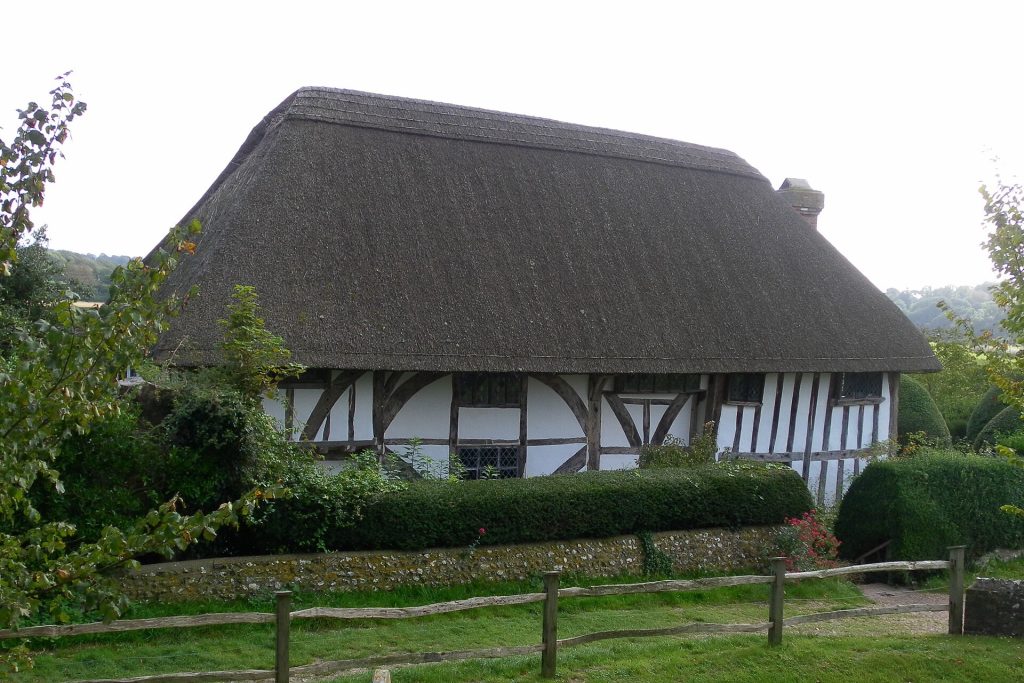
Alfriston sits on the River Cuckmere where the South Downs Way drops off the chalk. Its narrow high street has old inns and timber-framed houses, but the village is known above all for the Clergy House, a thatched medieval hall house that became the first building ever bought by the National Trust, in 1896, for just £10.
The Clergy House stands on the Tye, a green beside the large flint church of St Andrew, which is sometimes called the Cathedral of the Downs for its size. The riverside path and the Downs start from the green, and the Long Man of Wilmington and the Seven Sisters cliffs are both nearby.
8. Orford, Suffolk
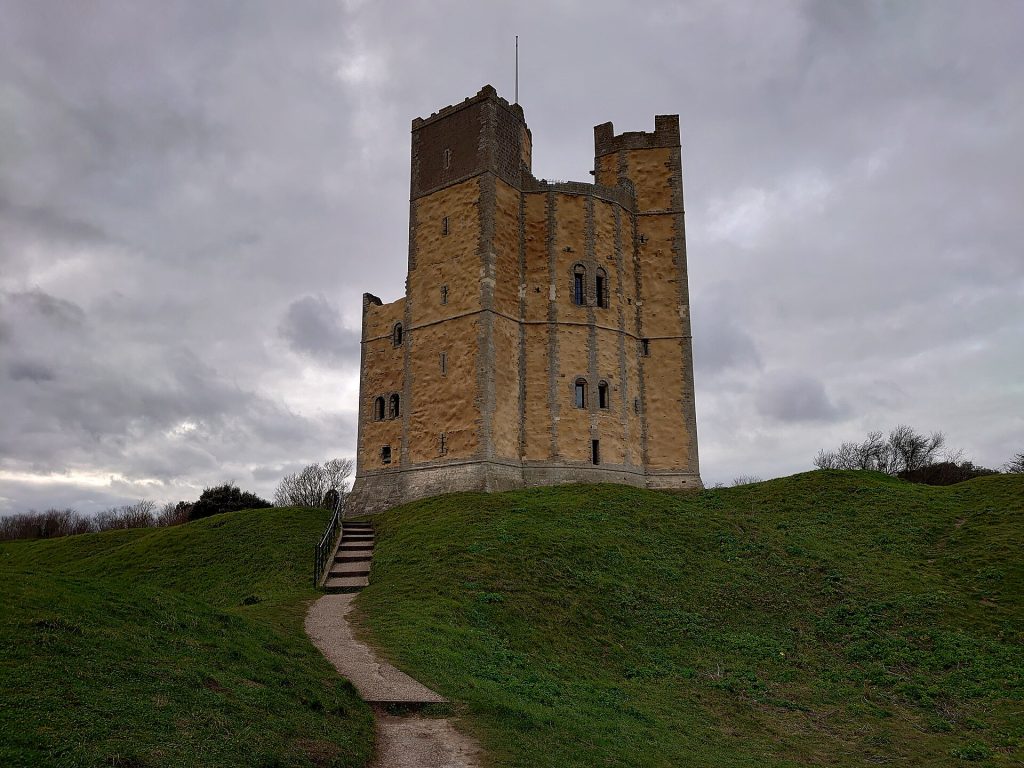
Orford was once a busy port, until the shingle spit of Orford Ness grew along the coast and cut it off from the open sea. What remains is a quiet village, a quay on the River Ore and a remarkable castle keep. Henry II built Orford Castle in the 1160s to assert royal power over the barons of East Anglia; its keep is polygonal outside, round within and buttressed by three square towers, and it is cared for by English Heritage. The roof looks over the marshes.
The War Department bought it in 1913 and used it as a secret test site for much of the 20th century; the National Trust took it over in 1993. It is reached only by the Trust’s ferry from Orford Quay on selected open days, so book ahead and check the current season.
9. Stamford, Lincolnshire
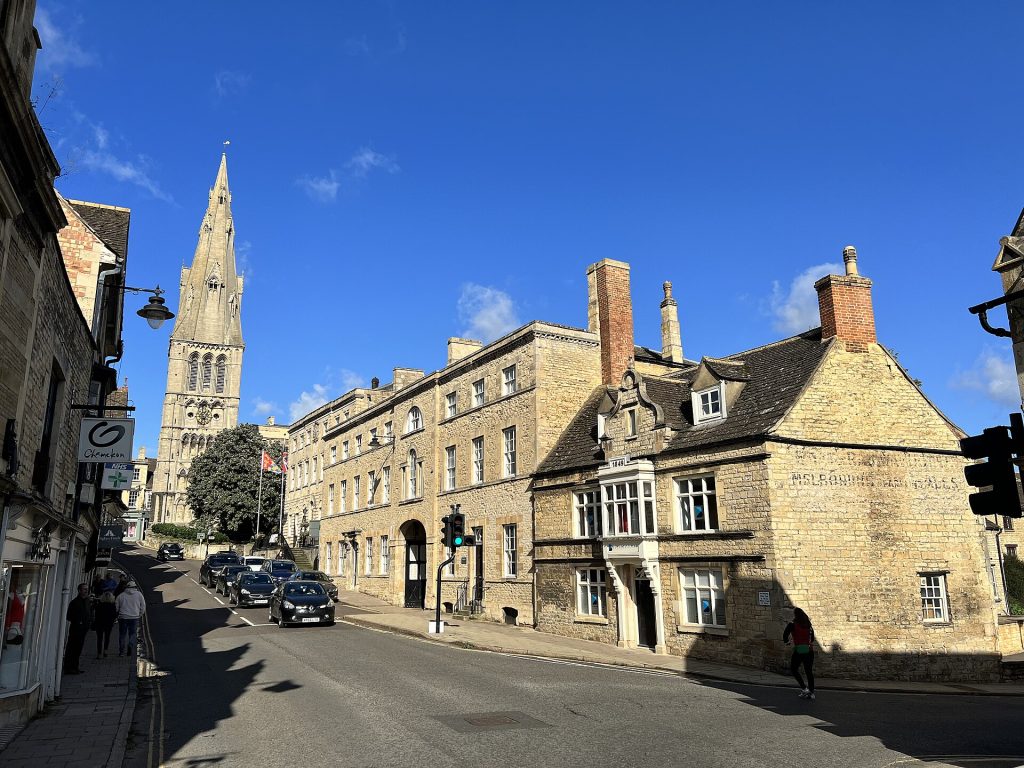
Stamford is the largest place on this list, a market town of pale limestone, medieval church spires and Georgian streets. In 1967 its old town became the first conservation area designated under the new Civic Amenities Act, and it has hundreds of listed buildings.
Walk from the river meadows up through Broad Street, St Mary’s Hill and Barn Hill, then out to Burghley House on the southern edge of town. This vast Elizabethan house was built for William Cecil, Lord Burghley, and its park was later reshaped by Capability Brown. The BBC filmed Middlemarch in the town.
10. Bradford-on-Avon, Wiltshire
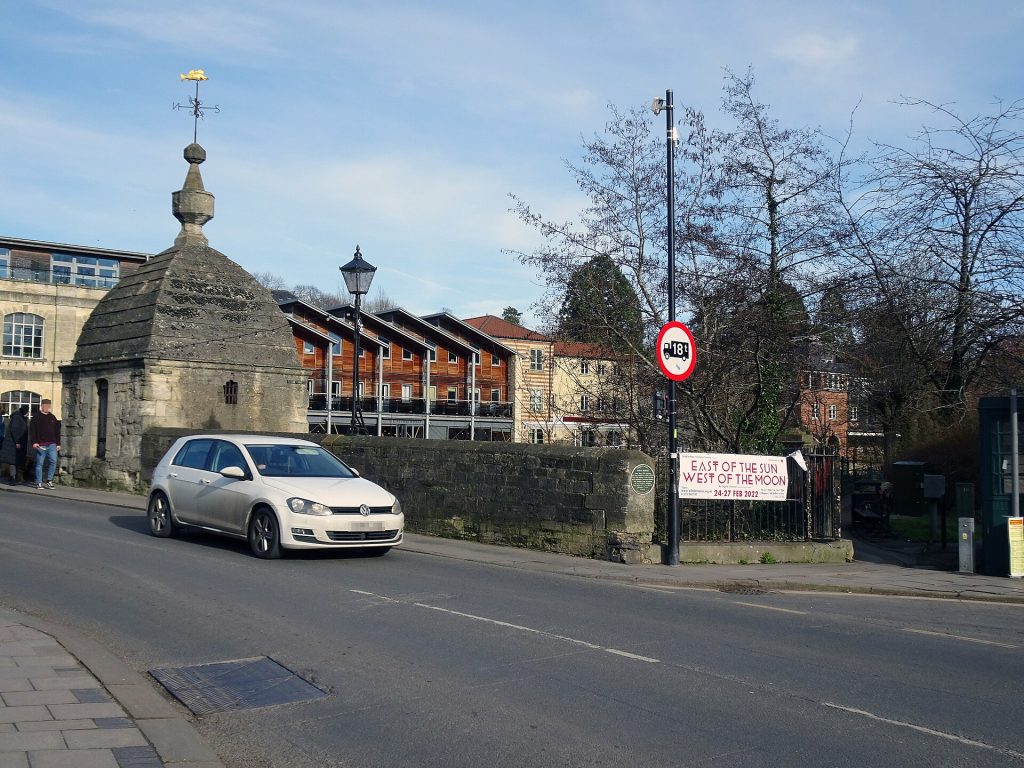
Bradford-on-Avon climbs a steep hillside above the River Avon, its terraces of weavers’ houses built from honey-coloured stone on the profits of the cloth trade. Start at the Town Bridge, partly medieval, where a small domed building on one pier began as a chapel and was later used as a lock-up. A short walk away is St Laurence’s, one of the most complete Saxon churches in England, small, tall and plain.
Cross the river to Barton Farm for the 14th-century tithe barn with its superb timber roof; the Kennet and Avon Canal towpath runs just above it. Trains from Bath take around a quarter of an hour.
More if you have time
- Blakeney, Norfolk: a flint harbour village near Burnham Market, with boat trips to see the seals on Blakeney Point.
- Kersey, Suffolk: a single street of timber-framed houses running down to a ford, near Lavenham.
- Tewkesbury, Gloucestershire: a riverside town of black-and-white buildings around a vast Norman abbey.
- Hebden Bridge, West Yorkshire: a former mill town in a steep Pennine valley, now known for independent shops and walks.
- Bibury and Castle Combe: two of the most photographed villages in England, covered in our guide to Europe’s most photogenic places.
Practical tips for visiting
These are small, residential places, busy on summer weekends. Visit on a weekday or stay overnight, arrive before 10am or after 4pm, and use the official car parks rather than squeezing into lanes.
Without a car, base yourself in Stamford, Saltaire or Bradford-on-Avon, all on the rail network, and use local buses for the coast: there are services along the north Norfolk coast and between Whitby and Staithes, though they can be infrequent on Sundays and in winter. National Trust and English Heritage members get free entry to Lacock Abbey, the Clergy House and Orford Castle. Opening days shrink in winter, so check current times.
Plan your trip to England
- Tickets and tours in England: tickets and tours on Tiqets · activities on Klook
- Arriving by plane: pre-book an airport transfer with Welcome Pickups
- Road trip: compare car hire on Localrent
- Mobile data: get a travel eSIM from Airalo
Some of these are affiliate links: if you book through them we may earn a small commission, at no extra cost to you.
Planning a bigger trip? See our guide to the 25 best places to visit in Europe, from city breaks to fjords.
Keep exploring
- Vienna Coffee House Walk: Historic Cafés, Etiquette and What to Order
- Time Travel in Europe: 7 Towns Frozen in a Single Era
- 10 Beautiful Historic Libraries in Europe You Can Visit
Frequently asked questions
What is the most interesting village in England?
For history packed into a small space, Lacock is hard to beat. Saltaire is the best choice if you are interested in industrial history and town planning.
Which historic English villages can you reach by train?
Saltaire, Stamford and Bradford-on-Avon all have stations close to their centres. The others need a car or a local bus.
Is Saltaire worth visiting?
Yes. It is a UNESCO World Heritage Site, Salts Mill and its Hockney gallery are free to wander, and the canal makes a pleasant walk. Allow half a day.
Photos: Gary Brothwell, CC BY-SA 2.0, via Wikimedia Commons; habiloid, CC BY-SA 2.0, via Wikimedia Commons; Simon Burchell, CC BY-SA 4.0, via Wikimedia Commons; Stuart Logan, CC BY-SA 2.0, via Wikimedia Commons; Wheatley Hill, CC BY-SA 4.0, via Wikimedia Commons; Ian Cardinal, CC BY-SA 2.0, via Wikimedia Commons; The Voice of Hassocks, CC BY-SA 3.0, via Wikimedia Commons; Richard Nevell, CC BY-SA 4.0, via Wikimedia Commons; Andrew Abbott, CC BY-SA 2.0, via Wikimedia Commons; Spudgun67, CC BY-SA 4.0, via Wikimedia Commons.