Updated
Camping is one of the best ways to see Europe on a sensible budget, and the continent does it well. Campsites range from simple farm fields with a tap and a toilet block to large holiday parks with pools, shops and bike hire, and many sit in places where hotels are scarce: beside rivers, at the foot of glaciers or a short walk from the beach.
This guide picks out the European regions where camping works best for families and couples, what kind of campsites to expect in each, and when to go. At the end you will find a quick overview of wild camping rules, which vary enormously from country to country.
- Best for: families, cyclists, walkers and anyone travelling by car, campervan or train with a light tent.
- When to go: June and September for warm weather and space; July and August are peak season and the busiest time on every campsite.
- Booking: reserve popular coastal and lakeside sites months ahead for school holidays; outside them, many sites take walk-ins.
- Budget tip: discount cards such as CampingCard ACSI cut prices at participating sites in low season.
- Wild camping: allowed with conditions in Norway, Sweden, Finland and Scotland, but restricted or banned in much of Europe.
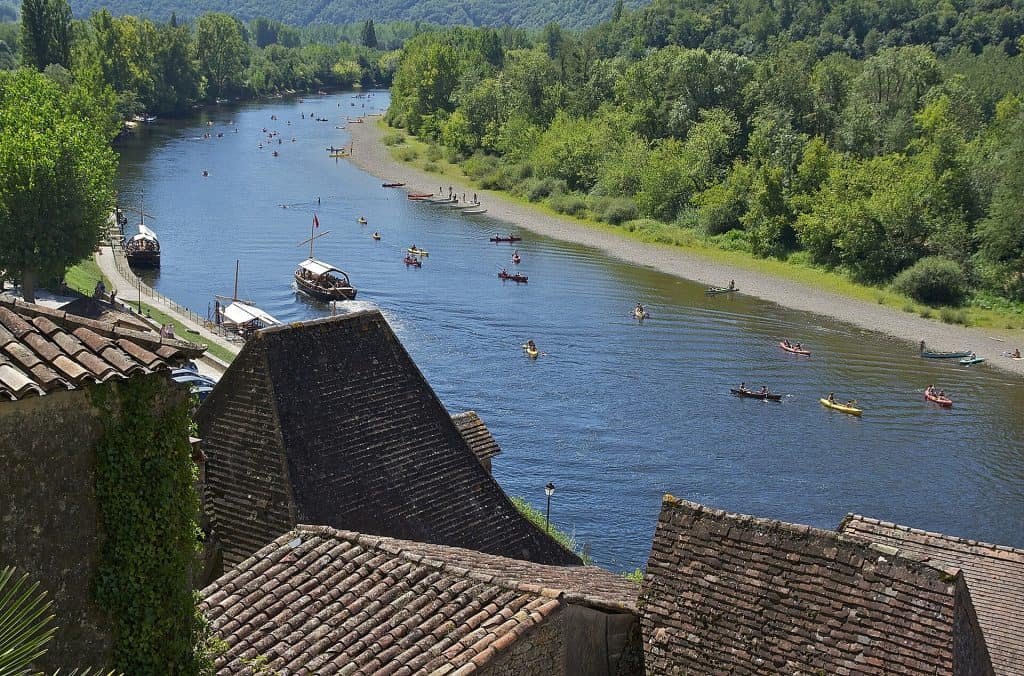
1. The Dordogne, France
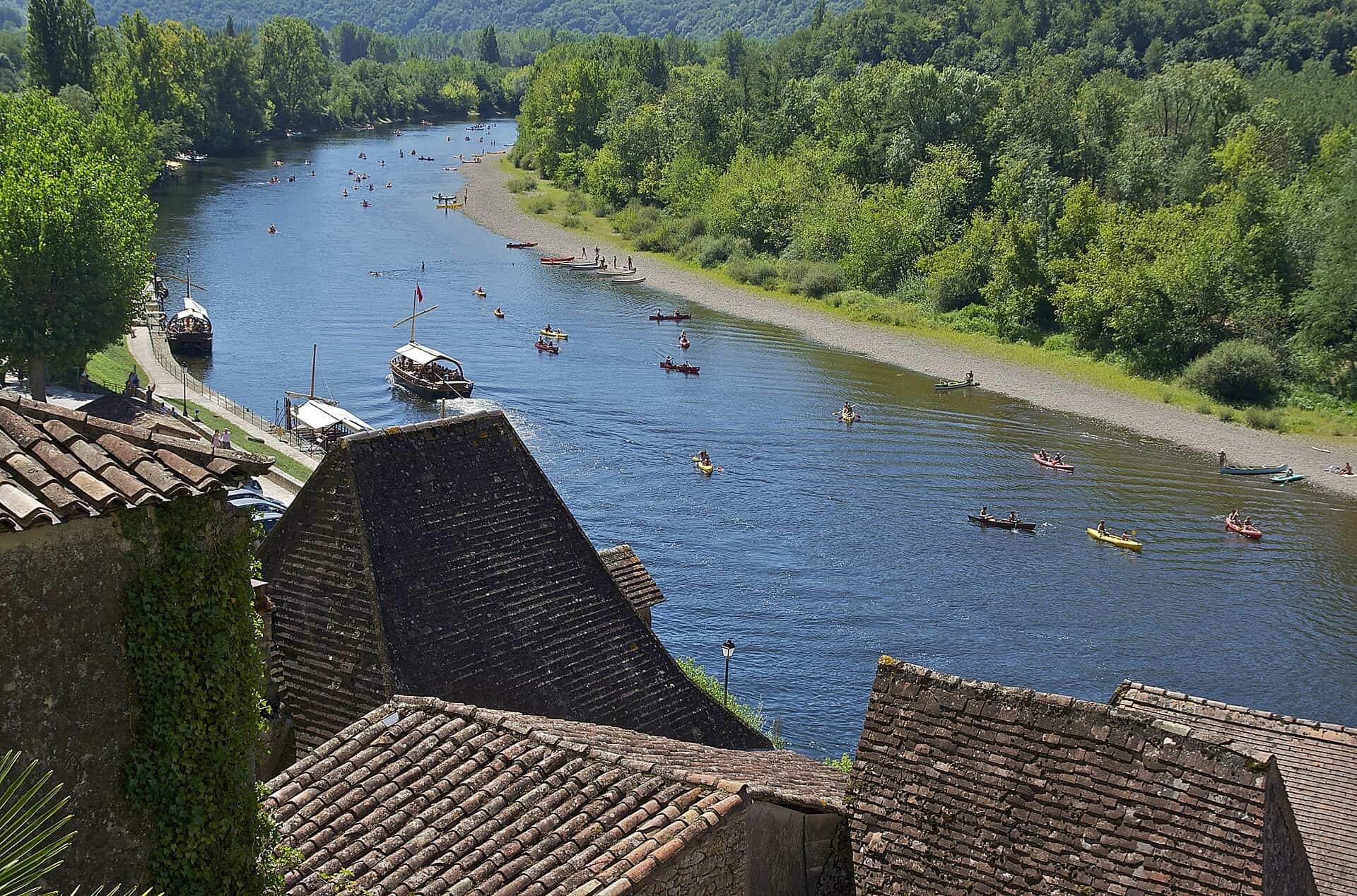
France has more campsites than almost anywhere in Europe, and the Dordogne is one of its most loved camping regions. Riverside sites line the Dordogne and Vézère rivers, many with their own canoe launch, and the classic day out is a lazy paddle downstream past cliffside villages and castles, with a minibus to bring you back.
The Vézère valley is also home to some of the world’s most important prehistoric sites, inscribed together by UNESCO in 1979, including the decorated caves around Lascaux. Expect a mix of family sites with pools and small, quiet “camping à la ferme” farms. Summer evenings are warm, but the valleys can be busy in August, so June and September are ideal.
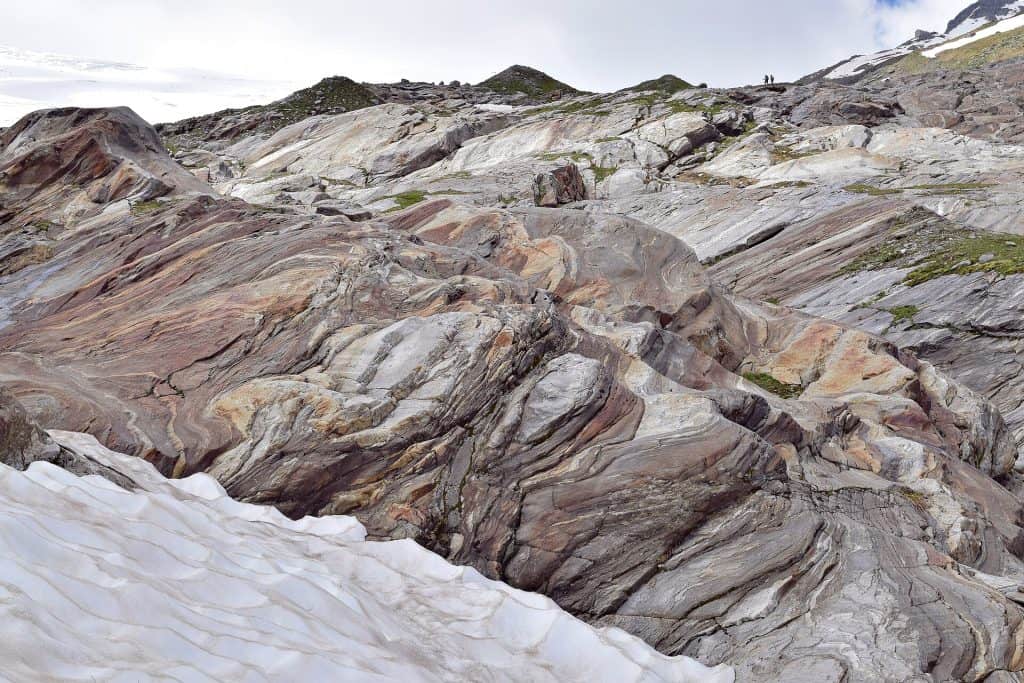
2. Hohe Tauern, Austria
Hohe Tauern National Park is the largest nature reserve in the Alps and Austria’s biggest national park by far, covering high peaks, glaciers and long glacial valleys. The Grossglockner, Austria’s highest mountain, rises in its core zone, and the Krimml Waterfalls tumble down in its Salzburg section.
Campsites cluster in the valleys around the park, from Heiligenblut on the Carinthian side to the Pinzgau valleys in Salzburg, and many are small, family-run and spotless. Days are for marked hiking trails, ranger-led walks and cold mountain streams; nights can be chilly even in July, so pack a warm sleeping bag. Austria’s railways reach the edges of the region, making it a realistic car-free camping trip.
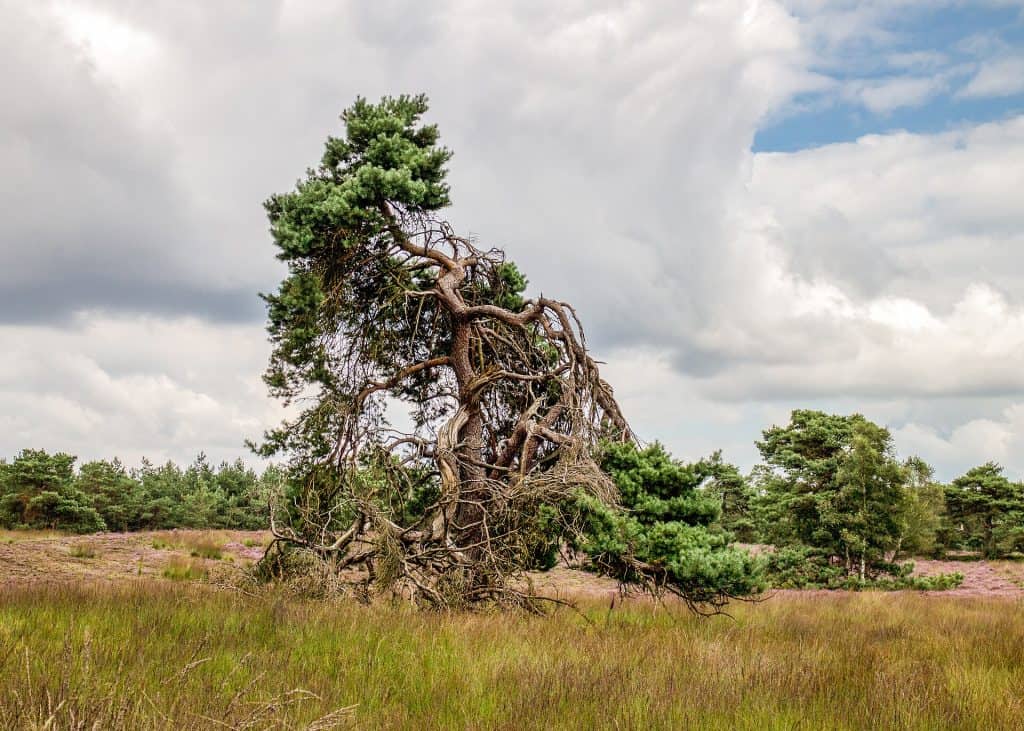
3. The Veluwe, Gelderland, Netherlands
The Dutch take camping seriously, and the Veluwe in Gelderland is their favourite inland region for it. This is a large area of forest, heath and drifting sand dunes, home to deer and wild boar and crossed by flat, well-signed cycle paths that suit children.
At its heart, the Hoge Veluwe National Park lends free white bicycles to visitors and contains the Kröller-Müller Museum, with an outstanding collection of works by Van Gogh. Campsites range from simple woodland pitches to holiday parks with indoor pools for wet days, which you may need. Bring rain gear in any month.
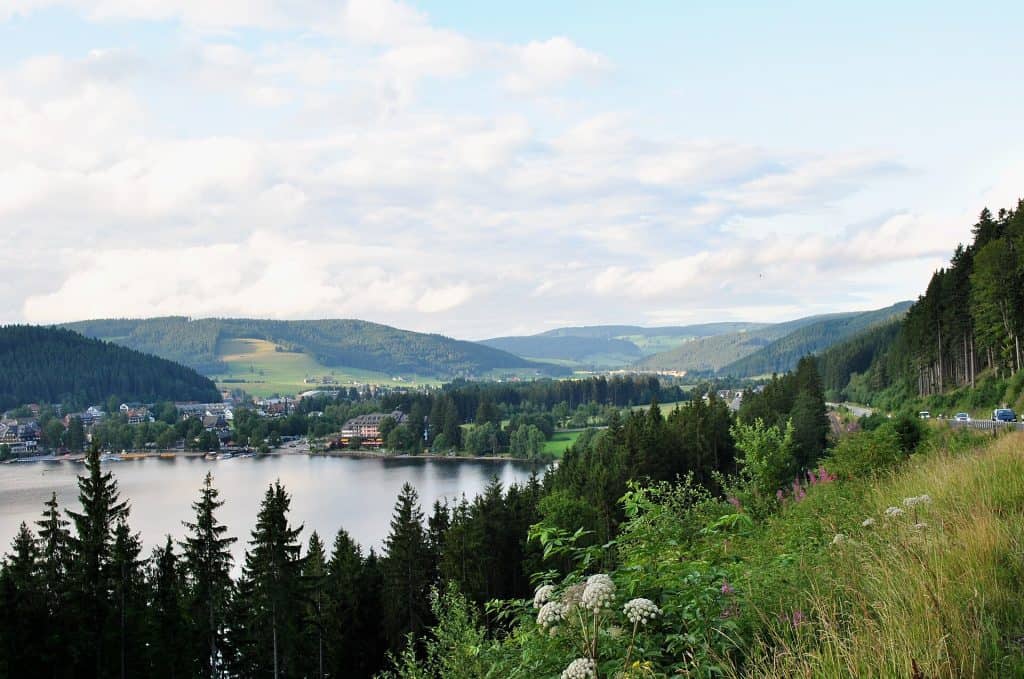
4. The Black Forest, Germany
Germany’s Black Forest combines dense pine woods, rolling farmland and lakes with well-kept campsites, many open all year. The southern part around Titisee and Schluchsee is popular for swimming and pedal boats in summer, while the Kinzig valley further north suits walkers and cyclists.
Many Black Forest towns give overnight guests, including campers, a guest card that includes free local bus and train travel, which makes it easy to leave the car on the pitch. Ask at reception when you arrive. The region also works well in early autumn, when the woods are quiet and the farm shops sell new-season produce.
5. Lake Garda, Italy
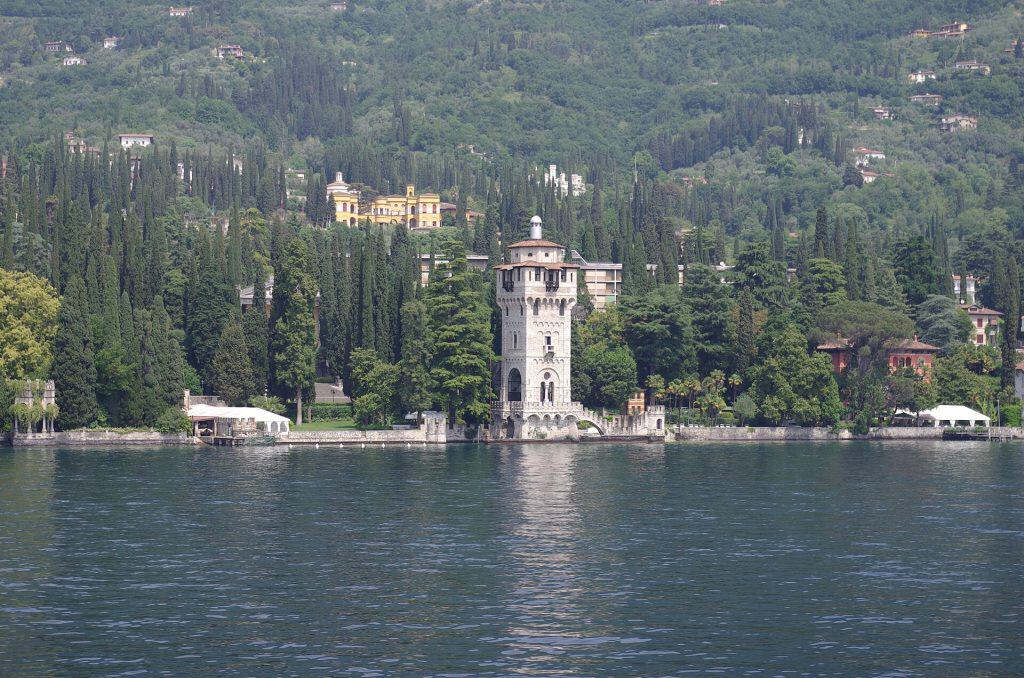
Italy‘s largest lake is one of Europe’s great camping destinations, with dozens of campsites around its shores, many with direct lake access, pools and entertainment for children. The southern and eastern shores have gentle beaches and family sites; the narrow northern end around Riva del Garda and Torbole, framed by mountains, is famous for windsurfing, sailing and mountain biking.
Garda is busy in July and August, and the most popular lakefront pitches book up early. In May, June and September the water is pleasant and the atmosphere far more relaxed. Ferries cross the lake, so you can visit towns on the far shore without driving.
6. The Tuscan coast, Italy
Inland Tuscany is better known for villas and farm stays, but its coast is lined with campsites set in shady pine woods just behind sandy beaches, particularly in the southern Maremma. These sites suit families who want a beach holiday with plenty of space and shade, and they put you within day-trip reach of hill towns and Tuscan food.
Pisa and Siena are both manageable as day trips from the northern and central coast. Pick a pitch with shade in high summer, when the heat can be intense, and expect Italian families to fill the coast in August.
7. The Soča Valley, Slovenia
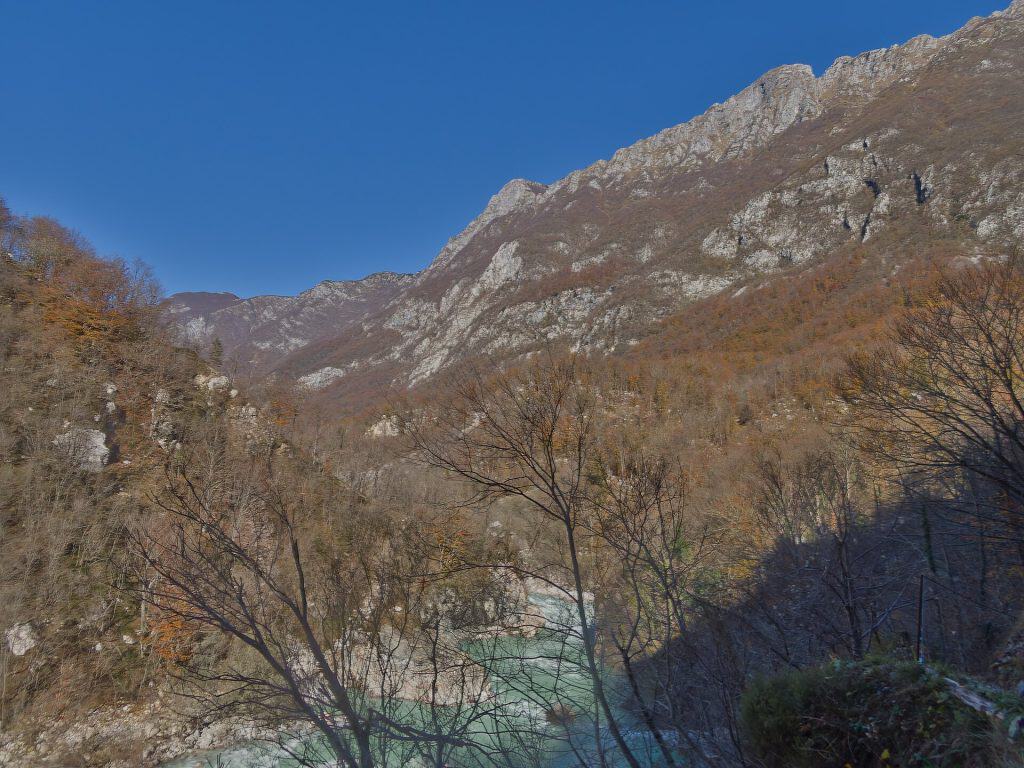
The Soča is one of Europe’s most striking rivers, an emerald-green ribbon flowing through the Julian Alps past Bovec and Kobarid towards Italy. The valley is an outdoor sports hub, with rafting, kayaking, canyoning and hiking, and has a good choice of small riverside campsites and glamping sites.
The water stays cold all summer, so a quick swim is refreshing rather than relaxing. Use the official campsites rather than pitching by the river, as much of the upper valley is protected land. Late spring and early autumn bring fewer people and beautiful light.
8. The Scottish Highlands
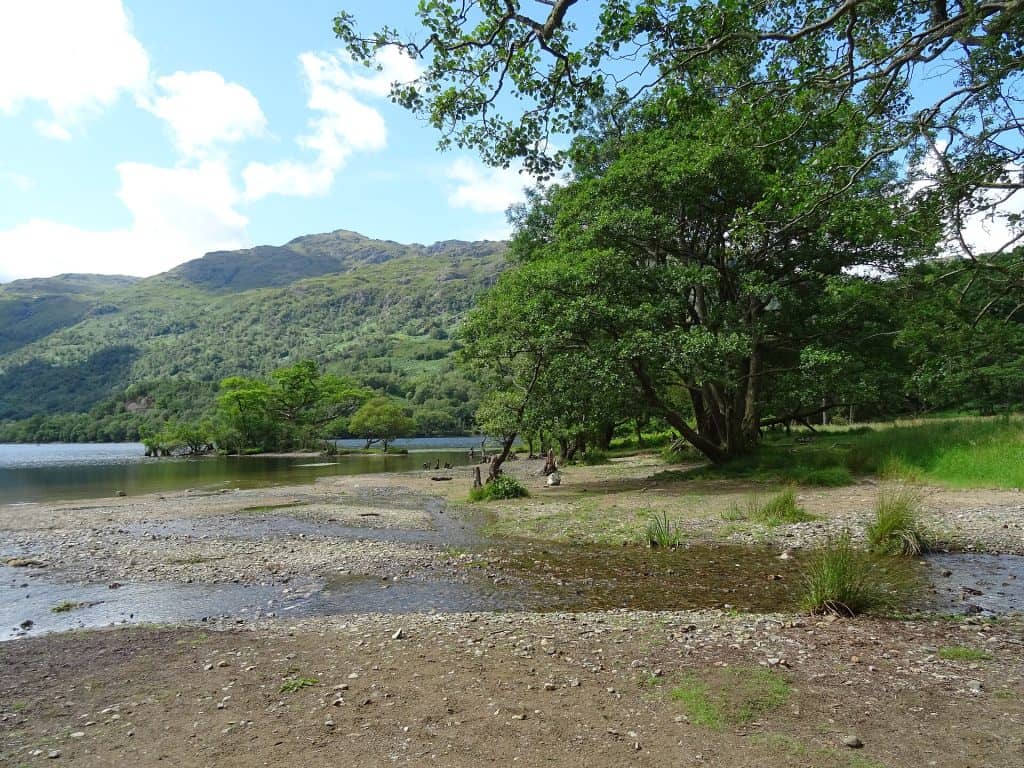
Scotland offers the best of both camping worlds: well-equipped campsites near Fort William, Skye and the west coast, and a legal right to wild camp across most of the country. The Land Reform (Scotland) Act 2003 gives a right of access that includes wild camping, as long as it is done responsibly under the Scottish Outdoor Access Code.
The exception is Loch Lomond and The Trossachs National Park, where camping in designated management zones requires a permit from March to October. Wherever you camp, the midges can be fierce from late spring to late summer, so bring repellent and a head net, and choose breezy spots when you can.
Wild camping rules in Europe: a quick guide
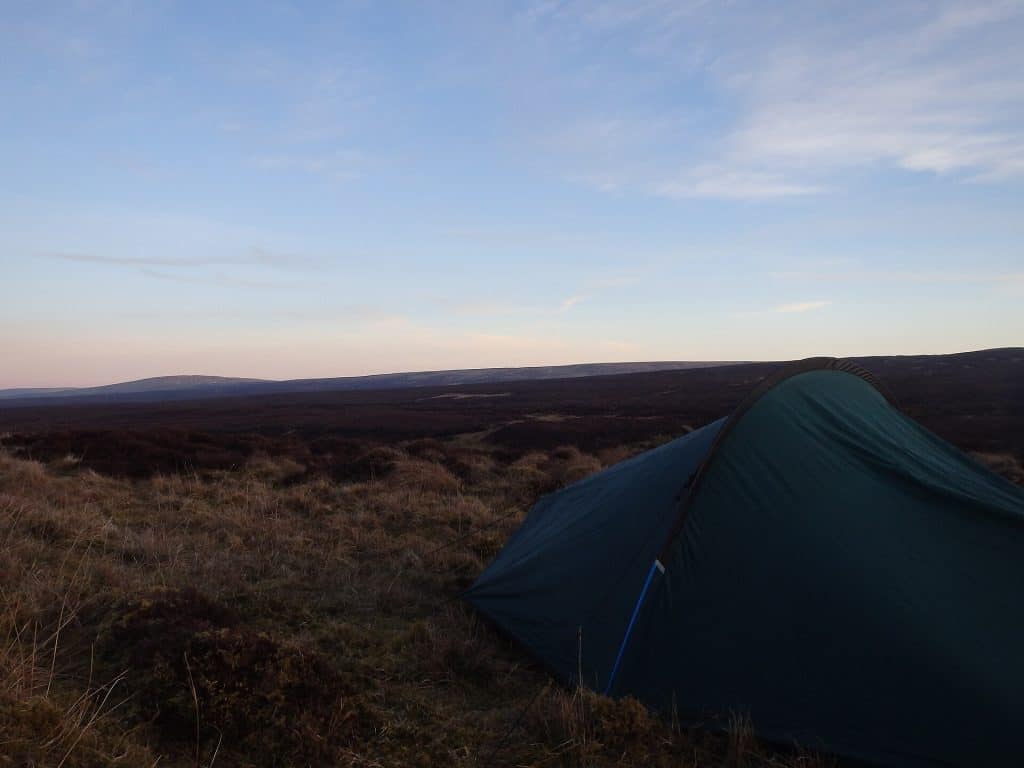
Rules on pitching a tent outside a campsite range from generous to strict, and they can change by region. Always check the current local rules before you go. In broad terms:
- Norway: the right of access allows camping on uncultivated land at least 150 metres from the nearest inhabited house or cabin, for up to two nights in one spot without asking the landowner; the two-night limit does not apply in the mountains or in remote areas. Fires in or near forests are banned from 15 April to 15 September.
- Sweden: you can pitch a tent on uncultivated land for a night or two, away from homes and gardens, under the principle of “do not disturb, do not destroy”.
- Finland: temporary camping is allowed at a reasonable distance from homes, but open fires need the landowner’s permission.
- Scotland: wild camping is part of access rights, with permit zones around Loch Lomond and The Trossachs.
- England and Wales: wild camping generally needs the landowner’s permission. Dartmoor is the main exception, with backpack camping allowed in permitted areas.
- Austria: camping in forests requires the landowner’s permission, and other rules vary by state.
- Elsewhere: in much of central and southern Europe, wild camping is restricted, banned or decided locally, and fines are common in popular areas. Assume it is not allowed unless you know otherwise.
Wherever you camp, leave no trace: take all rubbish with you, use existing toilets or bury waste well away from water, and never light fires where they are banned.
Practical tips for camping in Europe
- Choose your pitch type: sites usually offer tent pitches, larger pitches with electricity for caravans and campervans, and ready-made tents, mobile homes or cabins.
- Bring the right hook-up cable: campsite electrical points usually use a blue CEE outdoor socket, so campervan and caravan owners need a matching cable.
- Arrive early: reception desks often close for lunch and in the evening, and the best walk-in pitches go first.
- Check opening seasons: many campsites in southern Europe open only from spring to autumn, while some in Germany, Austria and the Netherlands stay open all year.
- Pack for weather: mountains and northern regions can be cold at night even in summer; the Mediterranean can be very hot by day.
Plan your trip
- Dordogne: tickets and tours on Tiqets · activities on Klook
- Austria: tickets and tours on Tiqets · activities on Klook
- Netherlands: tickets and tours on Tiqets · activities on Klook
- Arriving by plane: pre-book an airport transfer with Welcome Pickups
- Road trip: compare car hire on Localrent
- Mobile data: get a travel eSIM from Airalo
Some of these are affiliate links: if you book through them we may earn a small commission, at no extra cost to you.
Planning a bigger trip? See our guide to the 25 best places to visit in Europe, from city breaks to fjords.
Keep exploring
- Camping in Slovenia: 7 Areas to Pitch a Tent and the Rules to Know
- Plitvice Lakes National Park: Routes, Entrances, Tickets and Rules
- Europe’s Most Beautiful National Parks: 8 Beyond the Famous Names
Frequently asked questions
Which country in Europe is best for camping?
France is the most popular choice, with a huge number of campsites in every price range. The Netherlands, Germany, Italy and Croatia are also very well set up, while Norway, Sweden and Scotland are best for wild camping.
Is wild camping legal in Europe?
It depends on the country. It is allowed under access rights in Norway, Sweden, Finland and Scotland, with conditions. In most other countries it is restricted or banned, so use campsites unless local rules clearly allow it.
Do I need to book European campsites in advance?
For July and August, especially on coasts and lakes, yes. In May, June and September, many campsites have space for walk-ins, though booking a day or two ahead is still sensible.
Photos: Jebulon, CC0, via Wikimedia Commons; Haeferl, CC BY-SA 3.0, via Wikimedia Commons; Agnes Monkelbaan, CC BY-SA 4.0, via Wikimedia Commons; Ignaz Wiradi, CC BY-SA 3.0, via Wikimedia Commons; Janericloebe, Public domain, via Wikimedia Commons; Ajznponar, CC0, via Wikimedia Commons; GeographUser, CC0, via Wikimedia Commons; Michael Graham, CC BY-SA 2.0, via Wikimedia Commons.