Updated · Facts and prices checked against official sources
Europe is better known for cathedrals and castles than for wilderness, but some of the continent’s most astonishing sights were made by ice, water and volcanoes, not by people. These are the natural wonders of Europe that are worth building a trip around: basalt columns, glacier lagoons, a dune taller than most church spires, caves that hold ice all summer and lakes that change colour with the light.
For each one, you’ll find what makes it special, the best time to go and the one thing you need to know before you get there.
Europe’s natural wonders at a glance
- Easiest to combine with a city break: Plitvice (from Zagreb or Zadar), Škocjan Caves (from Ljubljana or Trieste) and the Dune du Pilat (from Bordeaux).
- Best in summer: Geirangerfjord, Jökulsárlón and the Eisriesenwelt, which is only open from May to October.
- Best outside summer: Plitvice and the Verdon Gorge in spring or autumn, when the crowds thin out.
- Free to see: Jökulsárlón, the Dune du Pilat (you pay for parking) and the Giant’s Causeway itself, if you walk in without using the visitor centre.

1. Plitvice Lakes, Croatia
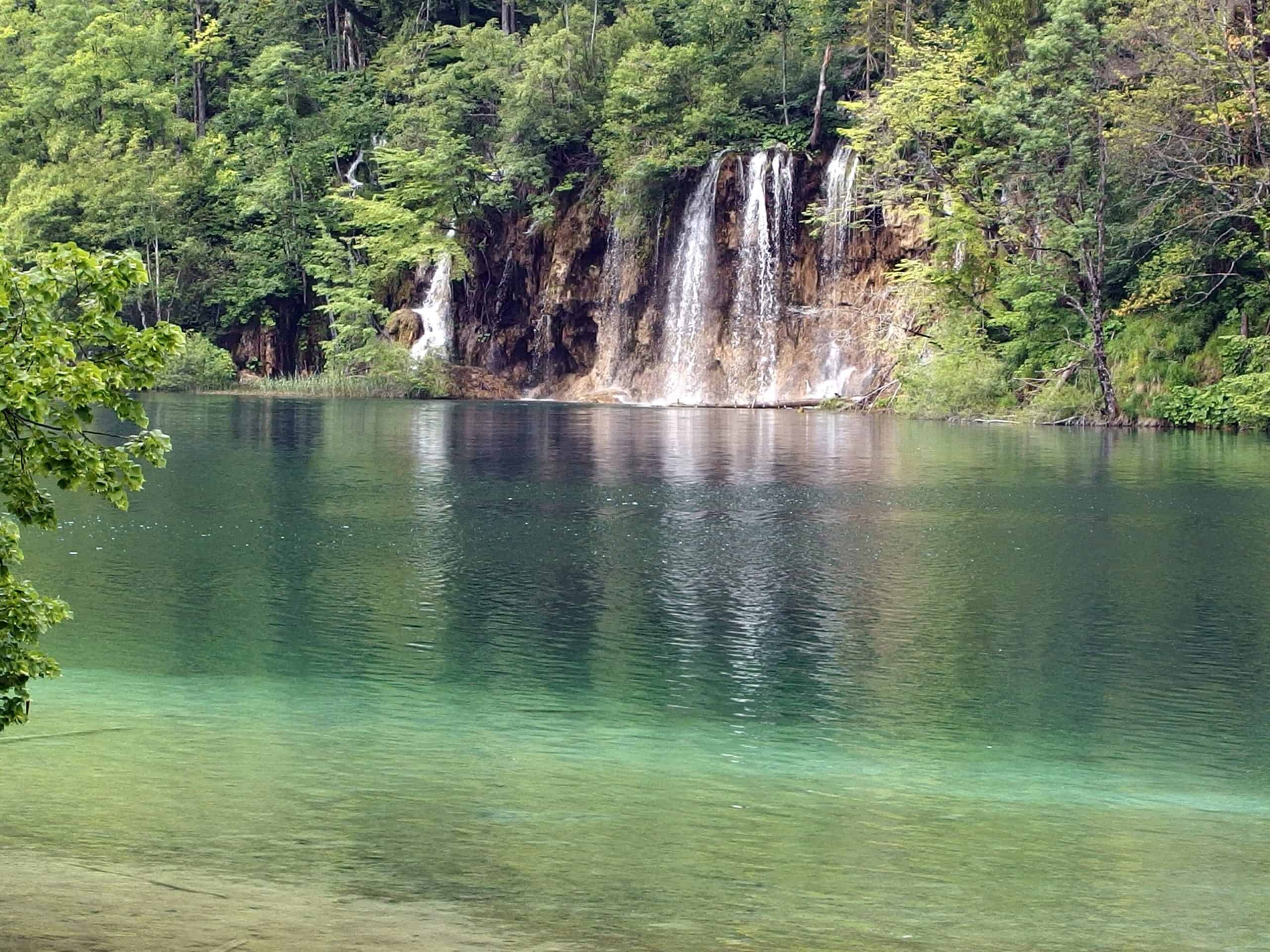
Sixteen terraced lakes, joined by dozens of waterfalls, step down a forested valley in central Croatia. The water gets its turquoise and green colours from minerals and the travertine barriers that build up over time, slowly creating new dams and new falls. The park has been on the UNESCO World Heritage list since 1979.
You walk on wooden boardwalks laid just above the water. Swimming is strictly forbidden. In summer the park uses timed tickets to control the crowds, and prices are highest from June to September.
Know before you go: arrive at opening time or after 3 p.m. Midday in August means queues on the boardwalks.
2. Giant’s Causeway, Northern Ireland
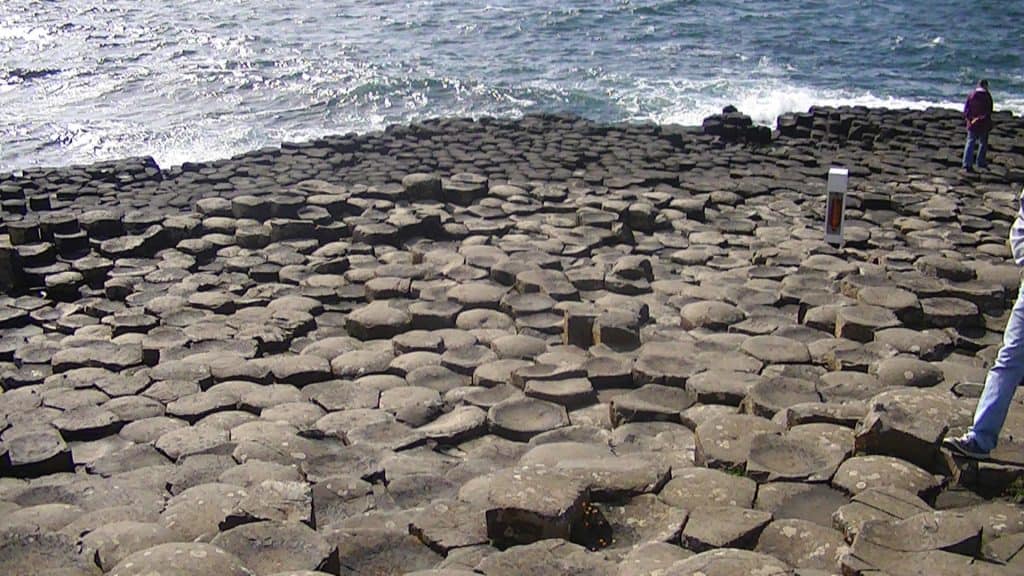
About 40,000 interlocking basalt columns, most of them six-sided, step down into the sea on the Antrim coast. They formed around 50 to 60 million years ago when lava cooled and contracted. Legend has a better story: the giant Finn McCool built the causeway to reach a rival in Scotland. It has been a UNESCO World Heritage Site since 1986.
Know before you go: the visitor centre ticket includes parking and an audio guide. Walking in on the public path is free. The Causeway Coast drive to the Carrick-a-Rede rope bridge and Dunluce Castle makes a great day.

3. Eisriesenwelt, Austria
High in the Tennengebirge above Werfen, south of Salzburg, the Eisriesenwelt is the largest ice cave in the world. The cave system runs for more than 40 km, and the first kilometre or so is filled with ice formations that stay frozen all year, because cold winter air settles in the cave and is trapped there. Tours go up and down hundreds of steps by the light of carbide lamps.
Know before you go: it’s only open from May to late October. Bring warm clothes even in August (it’s around freezing inside), and note that photography isn’t allowed inside the cave.
4. Škocjan Caves, Slovenia
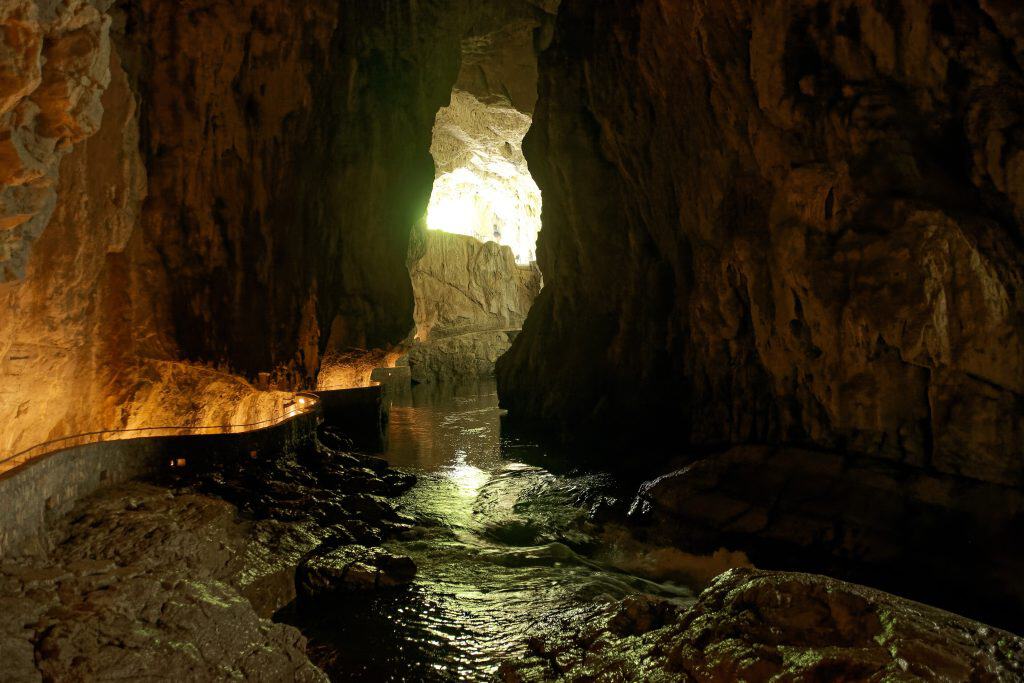
The Reka river disappears underground at Škocjan and has carved one of the largest known underground canyons in the world, more than 140 metres deep in places. Walking across the Cerkvenik Bridge, high above the roaring river in the dark, is unforgettable. The caves have been a UNESCO site since 1986.
Know before you go: visits are by guided tour only. It’s less famous and less commercial than nearby Postojna Cave, and many people find it more impressive.

5. Geirangerfjord, Norway
About 15 km long and lined with cliffs more than a kilometre high, Geirangerfjord is one of the most dramatic fjords in Norway. Waterfalls such as the Seven Sisters pour straight down the rock walls, and abandoned farms cling to ledges that seem impossible to reach. With the Nærøyfjord, it was listed by UNESCO in 2005.
Know before you go: the best views are from above, at the Ørnesvingen and Dalsnibba viewpoints. The ferry between Geiranger and Hellesylt is the classic way to see the fjord from the water.
6. Jökulsárlón, Iceland
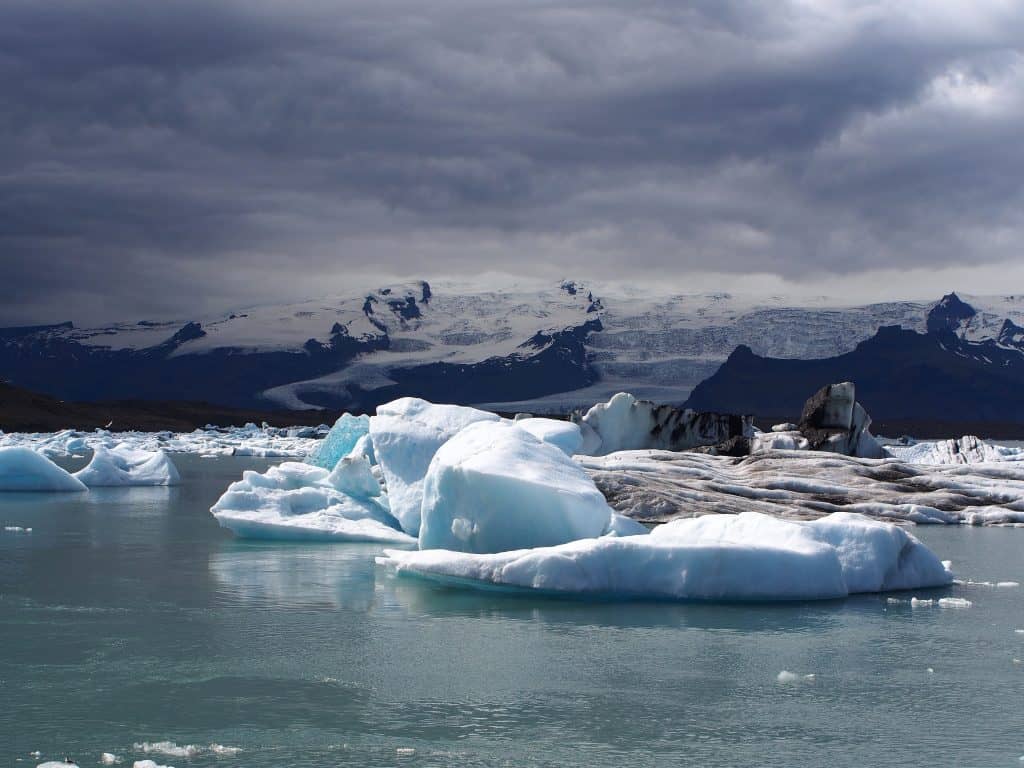
On Iceland’s south coast, icebergs break off the Breiðamerkurjökull glacier, an outlet of the vast Vatnajökull ice cap, and drift slowly across a lagoon towards the sea. Seals often swim among them. Across the road, chunks of ice wash up on the black sand of Diamond Beach and glitter in the sun.
Know before you go: it’s about five hours’ drive from Reykjavík, so stay nearby rather than doing it as a day trip. The lagoon has been growing as the glacier retreats.
7. Dune du Pilat, France
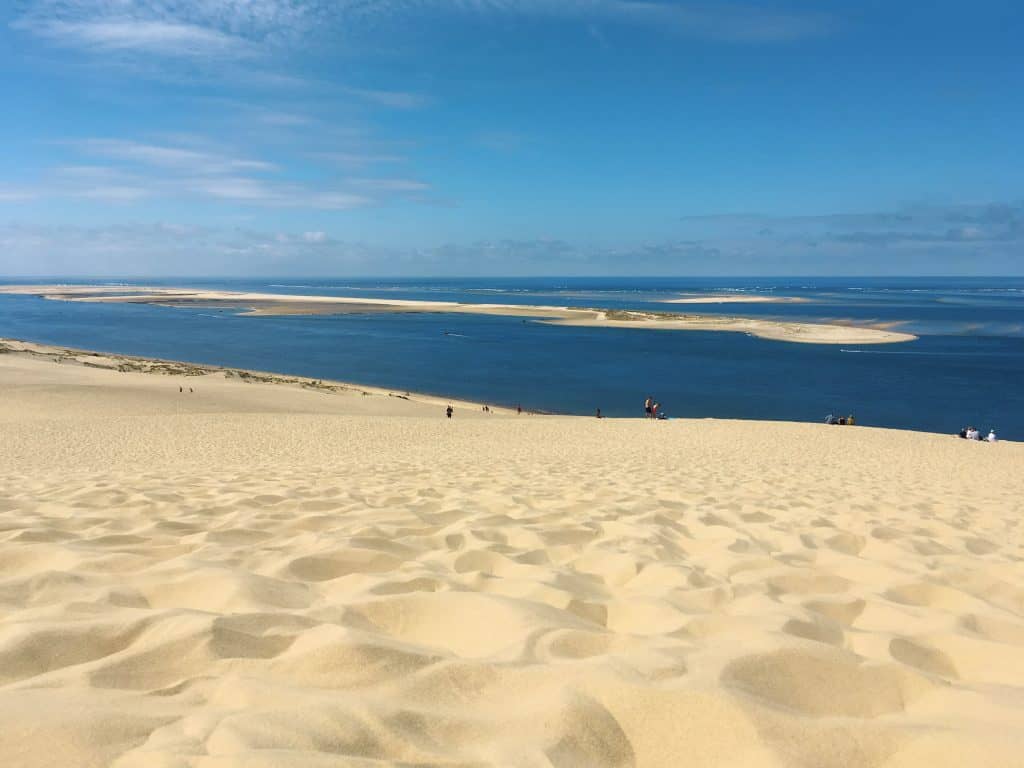
Europe’s tallest sand dune rises just over 100 metres above the Atlantic near Arcachon, and its height changes every year as the wind moves it slowly inland, burying trees as it goes. From the top, you see the ocean and the Banc d’Arguin sandbank on one side and a sea of pine forest on the other.
Know before you go: a staircase is installed on the dune for most of the year. Climb it in the evening for the sunset, and take care in the heat of a summer afternoon.

8. Verdon Gorge, France
In Haute-Provence, the Verdon river has cut a canyon about 25 km long and up to 700 metres deep through the limestone, and its water is an improbable milky turquoise. You can drive the rim roads with their viewpoints, hike the Sentier Blanc-Martel along the bottom, or rent a pedal boat or kayak on the Lac de Sainte-Croix and paddle into the mouth of the gorge.
Know before you go: the rim roads are narrow and busy in summer. Combine the gorge with the lavender fields of the Valensole plateau in late June or early July.
9. Mount Etna, Italy
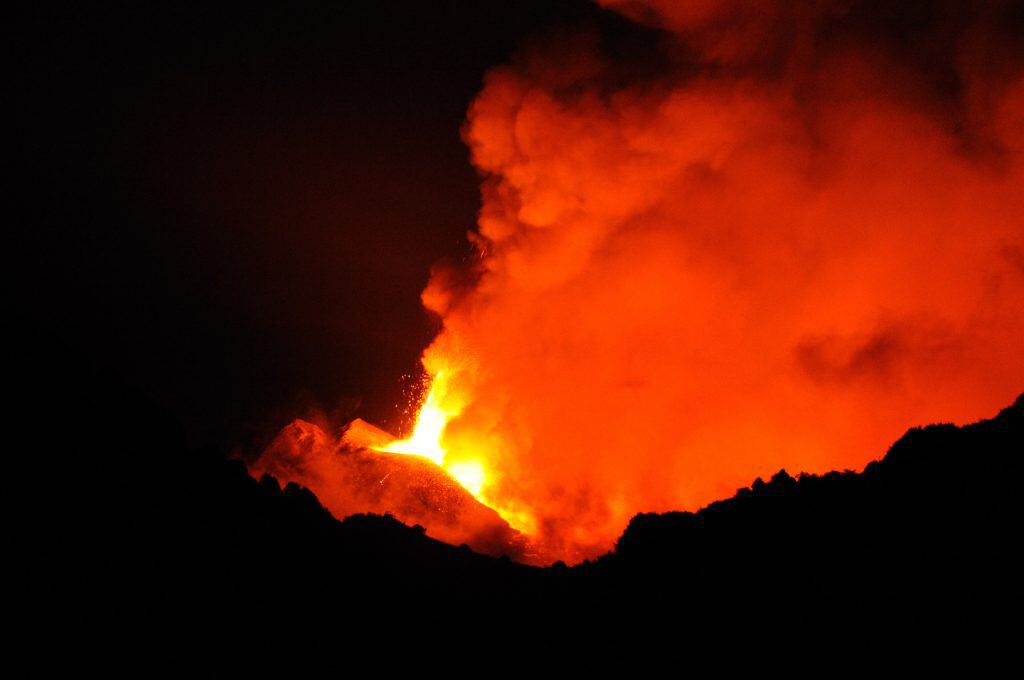
Etna, on Sicily’s east coast, is the highest active volcano in Europe, and it erupts often. Its height changes with each eruption but is roughly 3,300 metres. You can take a cable car and 4×4 buses from Rifugio Sapienza on the south side up to around 2,900 metres, then walk to the summit area with a licensed guide when conditions allow. It was added to the UNESCO list in 2013.
Know before you go: access to the summit craters depends on volcanic activity, so check the latest rules with local guides. Bring warm layers, even in summer.
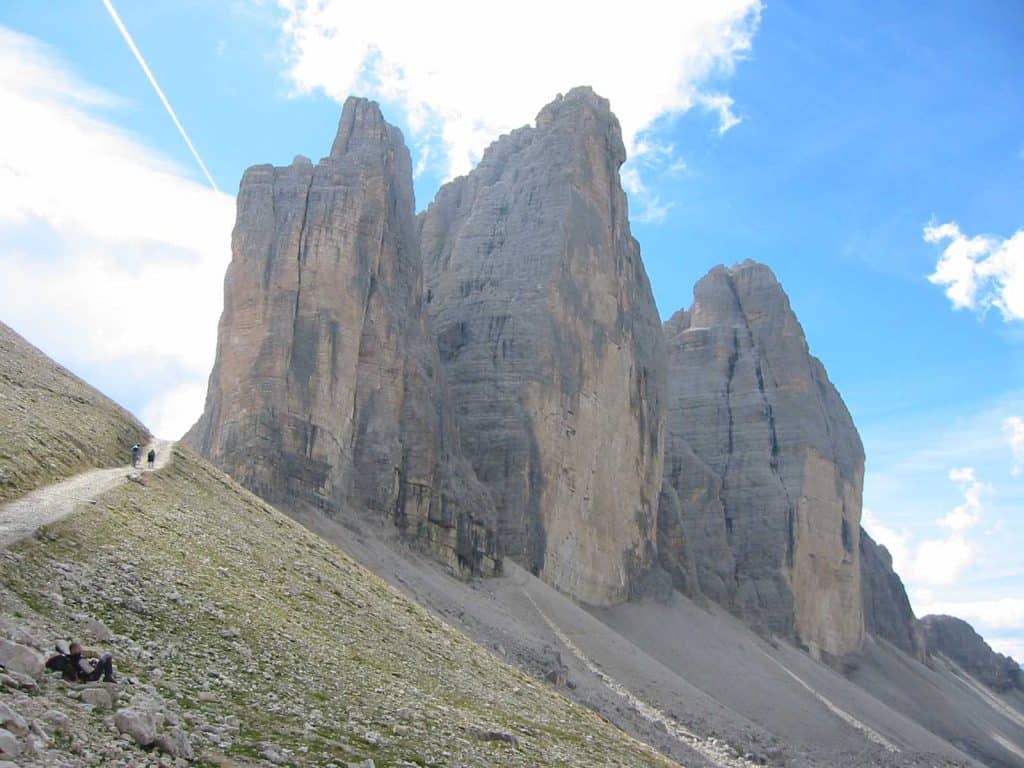
10. The Dolomites, Italy
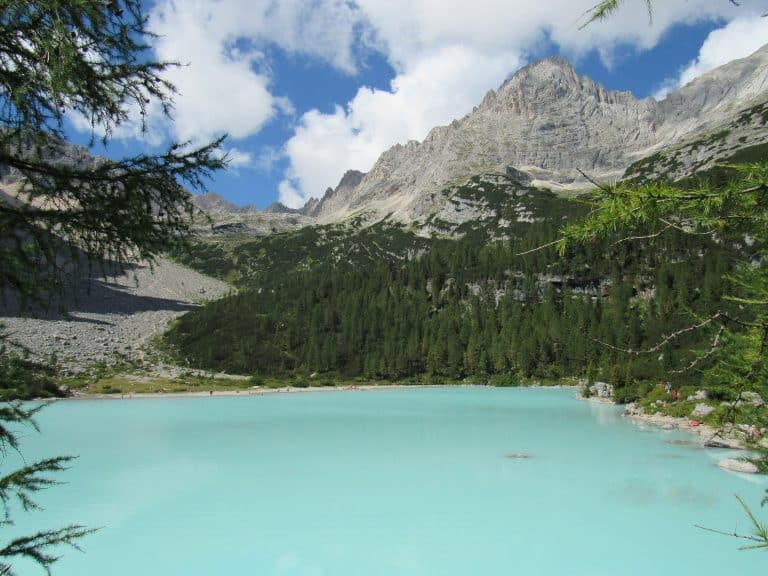
These pale limestone mountains in northern Italy glow pink and orange at sunset, an effect locals call enrosadira. Their jagged towers, made from ancient coral reefs, were listed by UNESCO in 2009. The circuit around the three peaks of the Tre Cime di Lavaredo is one of the most famous walks in the Alps.
Know before you go: some of the most popular roads and car parks now have tolls or limited access in summer, so check before you drive up.

11. Cliffs of Moher, Ireland
On the coast of County Clare, the Cliffs of Moher stretch for about 14 km and reach a height of 214 metres. In spring and summer, the ledges are packed with seabirds, including puffins. On a clear day you can see the Aran Islands out in Galway Bay.
Know before you go: the cliff path is unfenced in places, so keep back from the edge, especially in wind. The coastal walk from Doolin is a quieter way in.
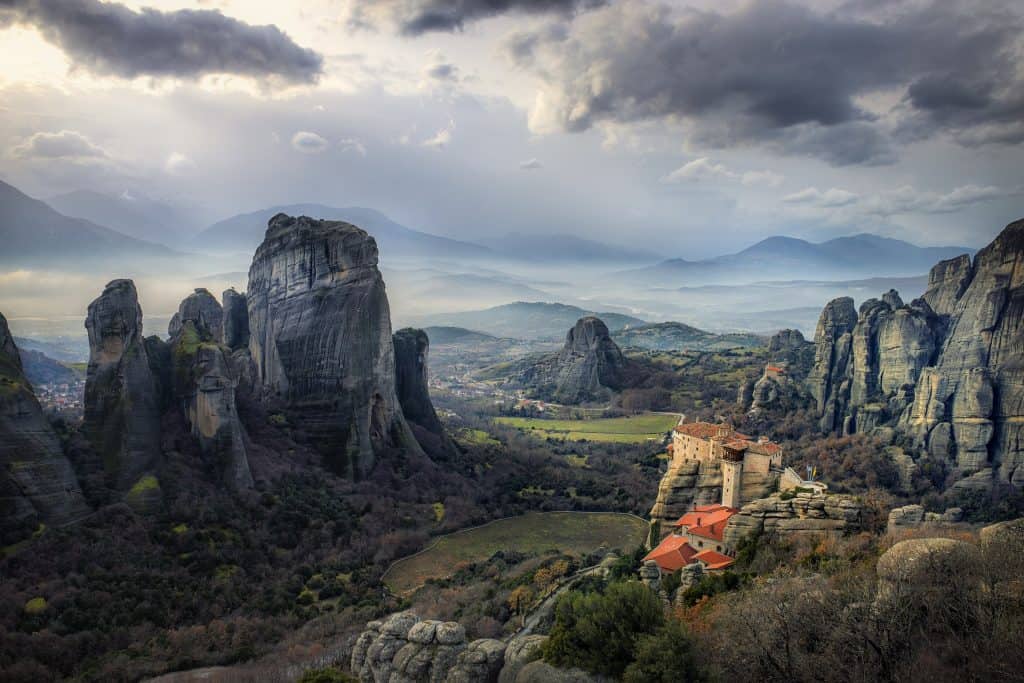
12. Meteora, Greece
The huge pillars of sandstone and conglomerate rock at Meteora rise out of the plain of Thessaly. They were formed over millions of years, and from the 14th century, monks built monasteries on top of them that could once only be reached by rope ladders and nets. Six monasteries are still active. Meteora has been on the UNESCO list since 1988.
Know before you go: each monastery has its own closing day. Dress modestly (covered shoulders and knees; skirts for women are often required) and visit at sunset for the views.
How to plan your visits
- Book ahead in summer: Plitvice and the Eisriesenwelt sell timed tickets online, and accommodation near Jökulsárlón and Geiranger fills up.
- Go early or late: almost every place on this list is busiest between 10 a.m. and 4 p.m.
- Respect the rules: stay on the paths, don’t fly drones where they’re banned, and don’t take stones, ice or sand home.
Plan your trip
- Plitvice Lakes: tickets and tours on Tiqets · activities on Klook
- Northern Ireland: tickets and tours on Tiqets · activities on Klook
- Austria: tickets and tours on Tiqets · activities on Klook
- Arriving by plane: pre-book an airport transfer with Welcome Pickups
- Road trip: compare car hire on Localrent
- Mobile data: get a travel eSIM from Airalo
Some of these are affiliate links: if you book through them we may earn a small commission, at no extra cost to you.
Planning a bigger trip? See our guide to the 25 best places to visit in Europe, from city breaks to fjords.
Keep exploring
- 10 European landscapes worth a whole trip, from Lofoten to Val d’Orcia.
- Wild Europe: 10 Places to See Wildlife and Real Wilderness: national parks for bison, bears and real wilderness.
- Hot Springs in Europe: 12 of the Best Thermal Baths and Natural Pools.
Frequently asked questions
What is the most famous natural wonder in Europe?
The Giant’s Causeway, Plitvice Lakes and the Norwegian fjords are among the most famous, along with the Matterhorn and other Alpine peaks.
What is the largest ice cave in the world?
The Eisriesenwelt near Werfen in Austria, with more than 40 km of passages.
What is the tallest sand dune in Europe?
The Dune du Pilat near Arcachon in France, at just over 100 metres.
Photos: Mark Ahsmann, CC BY-SA 3.0, via Wikimedia Commons; Adam Bishop, CC BY-SA 3.0, via Wikimedia Commons; Zairon, CC BY-SA 3.0, via Wikimedia Commons; Jakub Hałun, CC BY 4.0, via Wikimedia Commons; Andreas Trepte, CC BY-SA 2.5, via Wikimedia Commons; rheins, CC BY 3.0, via Wikimedia Commons; Rundvald, CC BY-SA 4.0, via Wikimedia Commons; Dirk Beyer, CC BY-SA 3.0, via Wikimedia Commons; gnuckx, CC BY 2.0, via Wikimedia Commons; Fantasy at Italian Wikipedia, CC BY-SA 3.0, via Wikimedia Commons; Holger Uwe Schmitt, CC BY-SA 4.0, via Wikimedia Commons; Stathis floros, CC BY-SA 4.0, via Wikimedia Commons.