January is the quietest month of the European travel year, and that is exactly why it rewards people who plan. After New Year, flights and hotels in most cities drop back from their festive peaks, queues at big sights shrink, and the continent splits neatly into two kinds of trip: chasing mild sunshine in the Atlantic islands and southern Iberia, or heading north into proper Arctic winter for snow, sled dogs and the northern lights.
This guide picks the best places to visit in Europe in January 2027, with average temperatures from national weather services and climate data, and event dates taken from official organisers where they have already been published. Where a 2027 date is not yet confirmed, we say so rather than guess. If you want a wider overview first, see our guide to the best places to visit in Europe.
- Season: Low season almost everywhere except ski resorts and Lapland; prices dip after the first week of January.
- Best for: Winter sun (Canaries, Madeira, Andalusia), northern lights and snow (Norway, Swedish and Finnish Lapland), festivals (Up Helly Aa, Kiruna Snow Festival), sales shopping (Paris).
- Warmest options: Santa Cruz de Tenerife averages 21 °C by day in January; Funchal, Madeira, 20 °C.
- Key 2027 dates: French winter sales 6 January–2 February; Hahnenkamm races 22–24 January; Up Helly Aa 26 January; Kiruna Snow Festival 27–30 January.
- How long: 3–4 nights for a city break; 5–7 nights for the Arctic or the islands.
1. Tenerife, Canary Islands
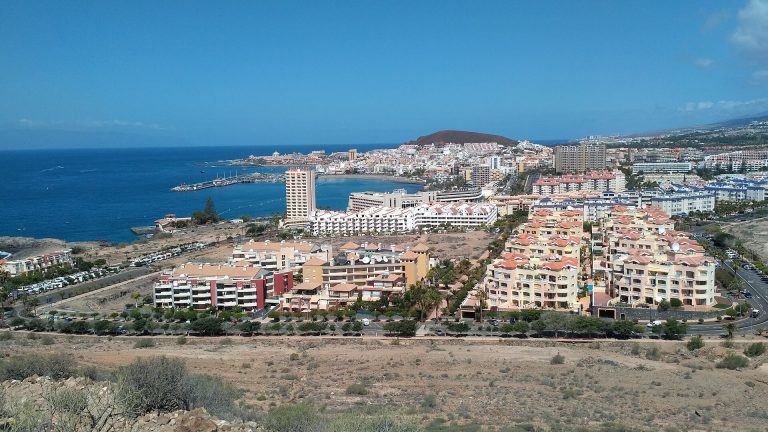
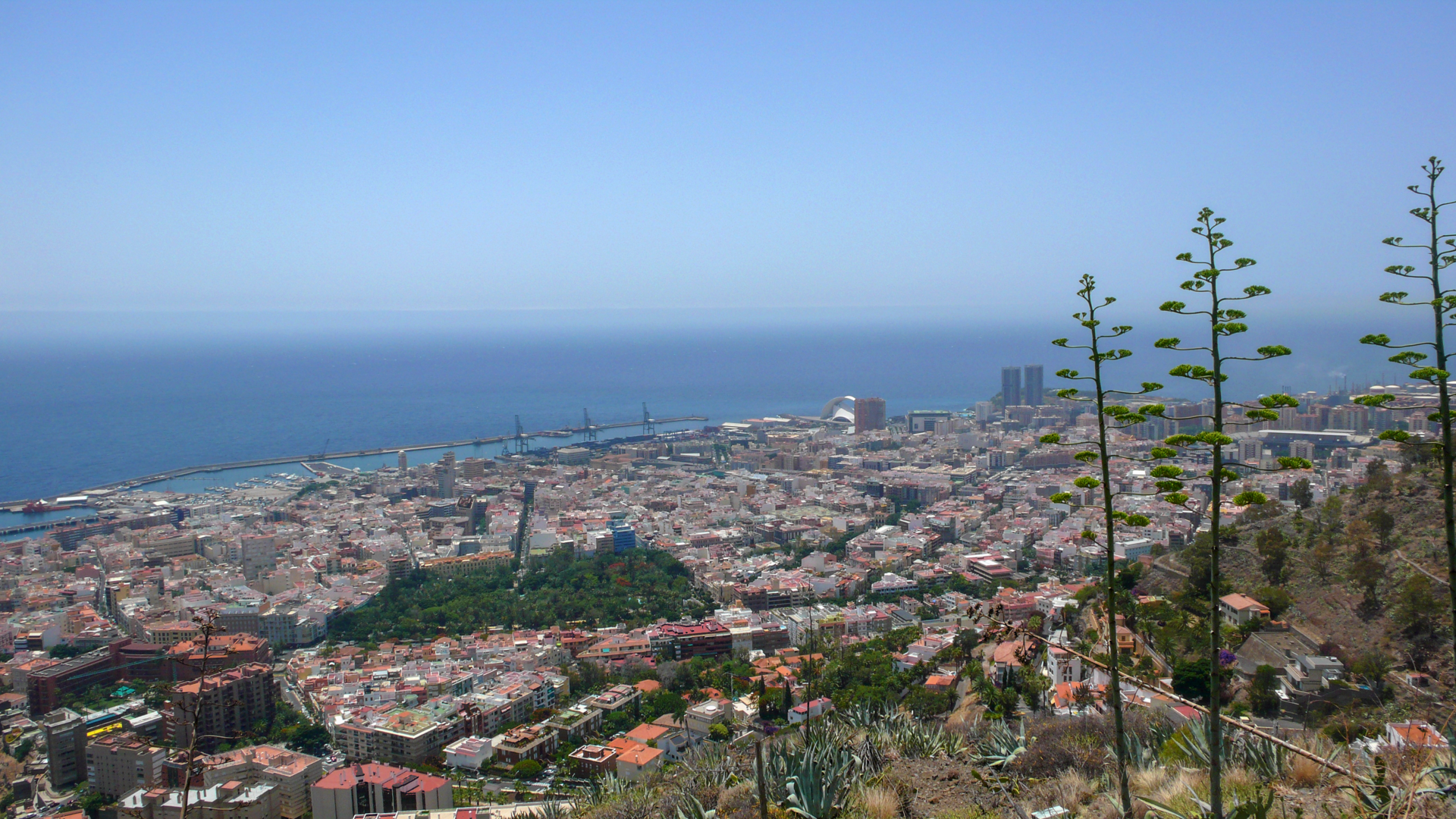
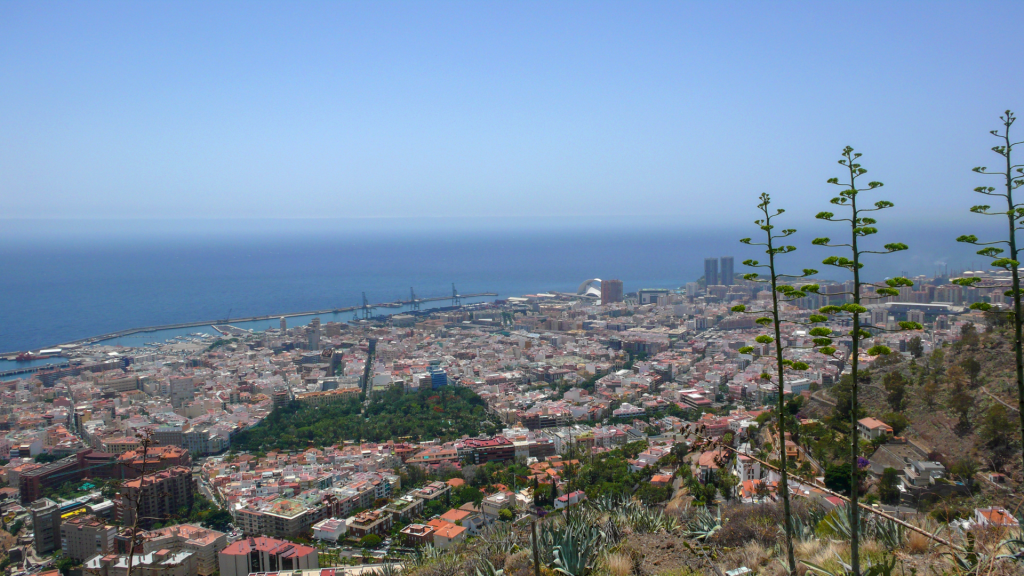
For reliable warmth in January, the Canary Islands are the safest bet in Europe. Spain’s state weather agency, AEMET, gives Santa Cruz de Tenerife a mean daily maximum of 21.0 °C and a mean minimum of 15.4 °C in January, with around 178 hours of sunshine across the month (1981–2010 averages). That is beach-walk and terrace-lunch weather rather than guaranteed sunbathing, and the sea is fresh, but it is a world away from northern Europe.
Base yourself in Santa Cruz for city life, or in the south of the island for drier, sunnier resorts. The island is ideal for walkers in winter, with Teide National Park and the laurel forests of Anaga both within reach of the capital. January 2027 also brings an early taste of one of Europe’s biggest carnivals: Santa Cruz City Council has set the carnival’s inaugural gala for 22 January 2027, two weeks later than usual because the fairground is occupied until 6 January. The street carnival itself runs 19–28 February 2027. Our Canary Islands guide covers the other islands if you want to combine two.
2. Madeira
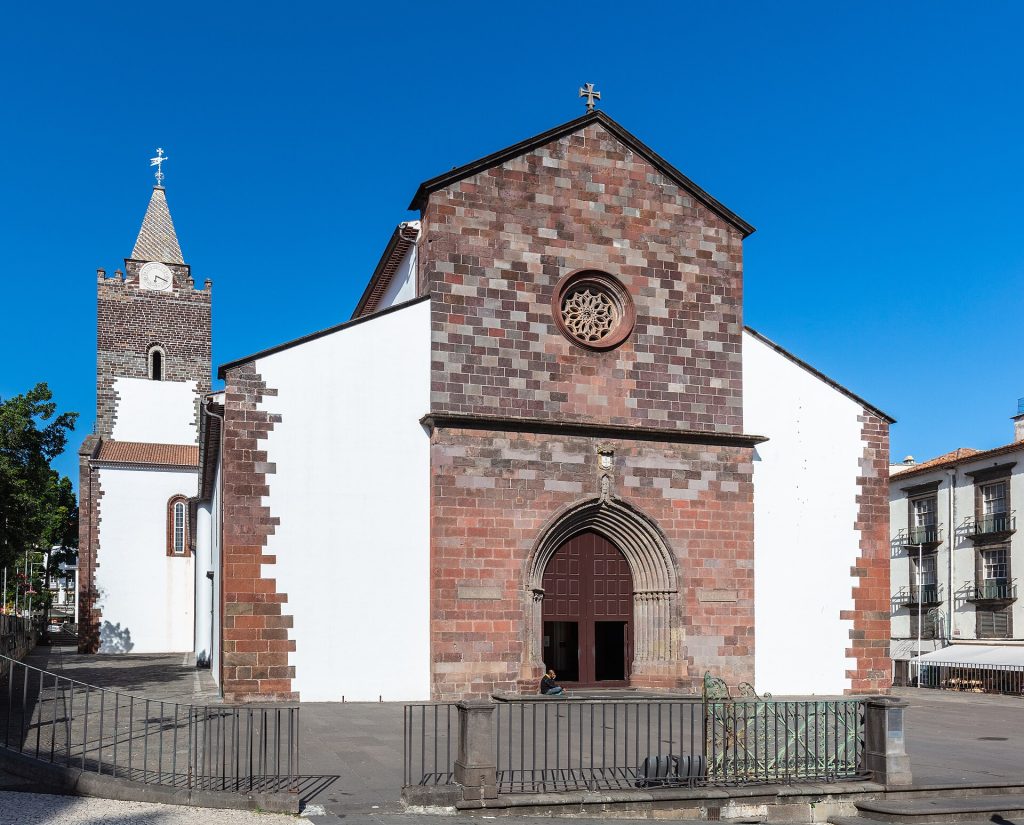
Madeira is the Canaries’ greener, more vertical Portuguese cousin, and almost as mild. Portugal’s weather institute, IPMA, records a mean daily maximum of 20.0 °C and minimum of 14.3 °C in Funchal in January (1991–2020 normals). It is not dry, though: the same normals show about 67 mm of rain in the month, so pack a light waterproof and keep a flexible day for the mountains, where conditions change quickly.
Funchal is a compact, walkable base with a cathedral, a waterfront promenade and the Mercado dos Lavradores farmers’ market for tropical fruit. From the city you can take day trips along the levada irrigation channels, which are Madeira’s signature walks, or up to the high peaks when cloud allows. If you can stretch your trip into early February, the island’s official 2027 events calendar lists carnival street animation in central Funchal from 3 to 14 February, with the main allegorical parade on 5 and 6 February. The calendar notes that dates are subject to change.
3. Seville, Andalusia
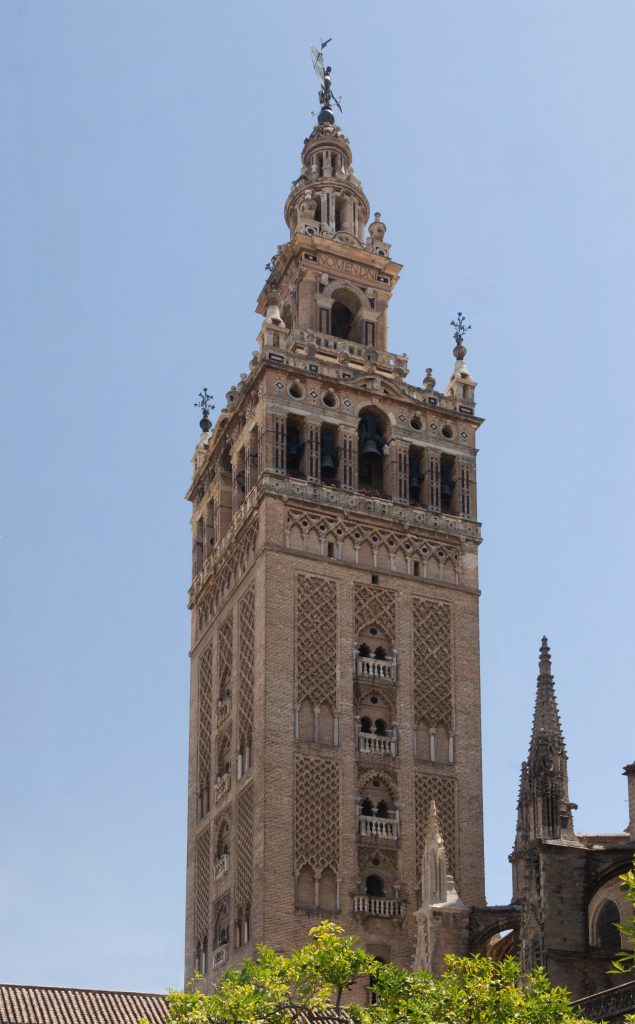
If you want sunshine and a proper city, Seville is the best mainland choice. Climate figures from weather2travel put January at around 16 °C by day and 6 °C at night, with about five hours of sunshine a day. Mornings are chilly and most older houses and some hotels are not well heated, so choose accommodation with good reviews for warmth.
January suits the city’s big sights, which are uncomfortable in summer heat: the cathedral and Giralda tower, the Real Alcázar palace and gardens, and the tiled crescent of Plaza de España in María Luisa Park. The city’s bitter Seville oranges hang on the street trees through winter, and the Patio de los Naranjos beside the cathedral is at its most photogenic. Seville also works well with a day trip to Córdoba or Cádiz by train.
4. Lisbon
Lisbon is one of the most affordable capitals in western Europe for a January city break, but go with honest expectations about the weather. Climate data from weather2travel give a daytime average of around 15 °C, nights near 8 °C, roughly five hours of sun a day and some rain on about 14 days in the month. Bright days are glorious; wet days call for museums.
The city has plenty of those. The National Tile Museum, the Gulbenkian collections and the riverside sights of Belém fill a rainy afternoon, and January’s thin crowds make the Alfama and Mouraria lanes, the viewpoints of Graça and the vintage trams far more pleasant than in summer. Sintra, a short train ride away, is quieter now too, though often misty and cooler than the capital. For comparing prices by month across Europe, see our guide to the cheapest places to travel in Europe each month.
5. Madrid for Epiphany
In Spain, the Three Kings, not Father Christmas, traditionally bring children’s presents, and the night of 5 January is the high point of the season. Madrid’s Cabalgata de Reyes is the biggest of these parades. In its most recent edition, it left Nuevos Ministerios at 18:00 and travelled down Paseo de la Castellana, through Plaza de Colón and along Paseo de Recoletos to Plaza de Cibeles, arriving around 21:00. Expect floats, music and sweets thrown to the crowd; arrive early for a kerbside spot.
The route and timings for 5 January 2027 had not been published when this guide was written, so check the city’s official tourism site, esMadrid, before you travel. Note that 6 January is a public holiday across much of Spain, so some shops close. Madrid’s great art museums, the Prado, Thyssen and Reina Sofía, make a cold day easy to fill.
6. Paris for the winter sales
Paris in January is grey and cool, but it is the month for shopping. French winter sales, the soldes d’hiver, are fixed by law. They normally start on the second Wednesday of January at 8am, moving to the first Wednesday when the second falls after the 12th, which is the case in 2027. That means the 2027 sales run from Wednesday 6 January to Tuesday 2 February across most of France and online. Four eastern departments (Meurthe-et-Moselle, Meuse, Moselle and Vosges) follow their own dates: 2–29 January 2027.
The department stores on Boulevard Haussmann and the boutiques of the Marais and Saint-Germain are the main draws. The first weekend is the busiest, and discounts often deepen in the second half. Away from the shops, January brings shorter queues at the Louvre and Musée d’Orsay. If you would rather combine snow and culture without ski boots, see our guide to winter for non-skiers.
7. Tromsø, Norway
Tromsø, well inside the Arctic Circle, is Europe’s best-known base for the northern lights, and January is a strong month to go. Visit Tromsø gives the aurora season as late August to early April. It describes the polar night, when the sun stays below the horizon, as lasting from roughly 27 November to 15 January. After that, light returns gradually, though the mountains around the city usually hide the sun from the centre until later in January. Climate data from weather2travel put January days at about −2 °C and nights around −10 °C, with only about two hours of daylight.
Seeing the aurora depends on clear skies and solar activity, so allow at least three or four nights. Guided “chase” tours drive away from cloud and city light. By day, Tromsø’s official tourism site lists dog sledding, reindeer and Sámi cultural experiences, snowshoeing and fjord trips, and it gives November to January as the whale-watching season. The bright blue-hour light around midday is beautiful for photographs.
8. Kiruna, Abisko and the Icehotel, Swedish Lapland
Swedish Lapland bundles three January highlights within a short drive of Kiruna. The Icehotel at Jukkasjärvi rebuilds its ice art suites every winter: ICEHOTEL 37 opens on 11 December 2026, so it is fully open throughout January. The hotel also has a year-round ice building, so you can sleep on ice whatever the season.
In Kiruna itself, the free Kiruna Snow Festival runs 27–30 January 2027. Its centrepiece is the International Snow Sculpture Competition on City Hall Square, and the programme also includes dog sledding, music, fire shows and Sámi food tastings. The sculptures stay up until they melt in spring.
West of Kiruna, near the Norwegian border, Abisko is a long-standing favourite with aurora hunters. The STF Aurora Sky Station on Mount Nuolja runs guided night visits from 19 October 2026 to 27 March 2027, from 8:30pm until 1am at the latest. The visit includes a chairlift ride, a guide and warm overclothes. There are only 40 places per night, so book ahead.
9. Rovaniemi, Finnish Lapland
Rovaniemi is best known for its Christmas attractions, but January is often a better month to visit. The festive crowds have gone, the snow is deep and reliable, and the long nights give plenty of aurora chances. It is properly cold: weather2travel’s climate data give an average January daytime maximum of about −10 °C and a night-time minimum near −17 °C, with roughly four hours of daylight, rising to about eight hours by February.
Typical activities are husky and reindeer safaris, snowmobiling on the frozen Kemijoki river, cross-country skiing and nights in glass-roofed cabins. In town, the Arktikum science museum gives useful background on Arctic nature and Sámi culture. Dress in layers with a proper base layer, and check in advance exactly which thermal clothing your tour operator lends and what you need to bring yourself.
10. Lerwick, Shetland: Up Helly Aa
Up Helly Aa is Europe’s most dramatic January festival. Each year on the last Tuesday of January, Lerwick in Shetland marks the end of Yule with a day of Viking-themed parades. In 2027 it falls on Tuesday 26 January. The Guizer Jarl and his squad, in full Viking dress, march through the town during the day. In the evening, almost 1,000 torch-bearers organised into squads follow the Jarl and a replica Viking galley through the streets.
The organisers’ 2027 programme sets the torchlit procession for 19:30 from the Hillhead below the Town Hall, signalled by a rocket. Visit Shetland says it takes about half an hour to drag the galley through a crowd of 5,000 or more to the burning site, where the torches are thrown into the ship. The morning march and evening procession are free to watch. The all-night hall parties are mostly private, and the few public tickets for Lerwick Town Hall are released on the Up Helly Aa website towards the end of the year. Book accommodation and transport to Shetland early, as both sell out.
11. Kitzbühel and the Alps
January is the Alps’ most reliable snow month for skiers. Once the New Year holidays end, it is also quieter and often cheaper than the February half-term weeks. In Austria, Kitzbühel adds a sporting spectacle: the 87th Hahnenkamm races run 18–24 January 2027. The main events are the Super-G on Friday 22 January, the famous Streif downhill on Saturday 23 January and the slalom on Sunday 24 January, each scheduled from 10:00.
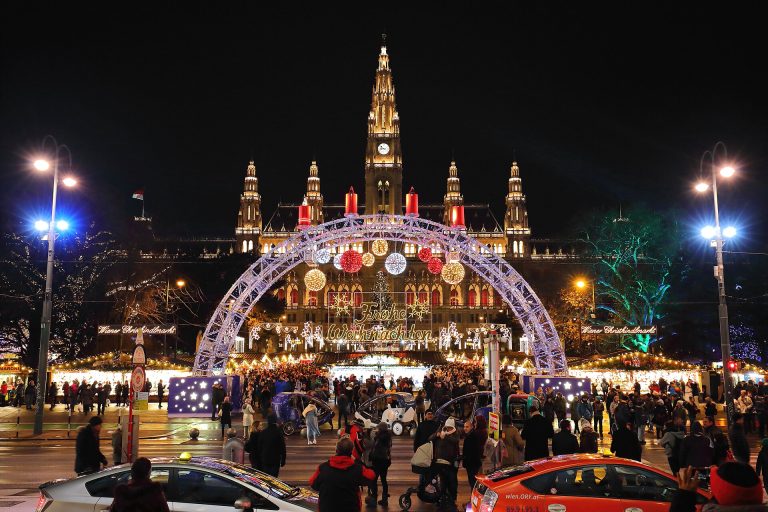
Race weekend is the most expensive and crowded time to be in Kitzbühel. If you want the atmosphere, book far ahead. If you want empty pistes, ski there the week before or after. For non-skiers, January in the Alps still offers winter walking, sledging and spa days. Across the border, Vienna’s famous ball season builds through January towards the Vienna Opera Ball, which wien.info lists for 4 February 2027.
A suggested route: two January weeks, two ways
Sun and cities: Fly to Seville for three nights, take the train to Madrid for Epiphany or the museums, then fly to Lisbon for three nights. Finish with four or five nights in Madeira, a short flight from Lisbon. This route keeps you mostly between about 15 °C and 20 °C, and it suits travellers who want culture with a little warmth.
Arctic winter: Fly to Tromsø for three or four nights of aurora tours and whale-watching. Continue to Kiruna in Swedish Lapland for the Icehotel and, at the end of the month, the Snow Festival (27–30 January), with one or two nights in Abisko for the Aurora Sky Station. If you are in Britain, Up Helly Aa on 26 January is a separate trip that is worth planning a year ahead.
If warmth is the priority, our guide to the warmest places in Europe in winter compares average December, January and February temperatures for the Canaries, Madeira, Cyprus, Malta and southern Spain.
Practical tips
Book after the first week. Prices and crowds usually fall once the New Year and Epiphany holidays end, so the period from mid to late January is the sweet spot for city breaks. Check opening hours. Some seasonal attractions, island restaurants and mountain lifts run reduced hours in low season. Short days. Even in Seville, you have only about ten hours of daylight, so start sightseeing early. In the Arctic, plan your days around the light you have. Aurora odds. No operator can guarantee the northern lights, so spread your chances over several nights and choose tours with flexible rebooking. Pack for the destination. Mild-climate homes are not always well heated, and Arctic cold calls for thermals, insulated boots and spare gloves.
Plan your trip
- Tenerife: tickets and tours on Tiqets · activities on Klook
- Madeira: tickets and tours on Tiqets · activities on Klook
- Seville: tickets and tours on Tiqets · activities on Klook
- Lisbon: tickets and tours on Tiqets · activities on Klook
- Arriving by plane: pre-book an airport transfer with Welcome Pickups
- Mobile data: get a travel eSIM from Airalo
Some of these are affiliate links: if you book through them we may earn a small commission, at no extra cost to you.
Frequently asked questions
Where is warmest in Europe in January?
The Canary Islands and Madeira are the warmest mainstream destinations in Europe in January. AEMET gives Santa Cruz de Tenerife a mean daily maximum of 21.0 °C, and IPMA gives Funchal 20.0 °C. On the mainland, southern Spain and Portugal are next: Seville averages about 16 °C by day and Lisbon about 15 °C. Expect cooler nights and some rain everywhere.
Is January a good time to see the northern lights in Europe?
Yes. January brings long, dark nights across northern Norway, Sweden and Finland, and Visit Tromsø gives the aurora season as late August to early April. Clear skies matter as much as solar activity, so plan at least three or four nights. Tromsø, Abisko and Rovaniemi all have well-established guided aurora tours.
When is Up Helly Aa in 2027?
Lerwick’s Up Helly Aa takes place on Tuesday 26 January 2027, as it always falls on the last Tuesday of January. The torchlit procession starts at 19:30 at the Hillhead, followed by the galley burning. Watching the parades is free. Accommodation in Lerwick fills up very early, so book as soon as possible.
When are the January sales in France in 2027?
The French winter sales run from 8am on Wednesday 6 January to Tuesday 2 February 2027 across most of France and for online shopping. The exceptions are Meurthe-et-Moselle, Meuse, Moselle and Vosges, where they run from 2 to 29 January 2027. The sales last four weeks by law.
Is January cheap for travel in Europe?
For most cities, yes. January is low season, and hotel prices usually fall after the New Year and Epiphany holidays. The exceptions are ski resorts during big events such as Kitzbühel’s Hahnenkamm races, Lapland, which is a peak winter destination, and festival towns such as Lerwick around Up Helly Aa. Compare prices and book those well ahead.
Photos: Mataparda, CC BY 3.0, via Wikimedia Commons; Diego Delso, CC BY-SA 4.0, via Wikimedia Commons; Jebulon, CC0 1.0, via Wikimedia Commons.
Planning a bigger trip? See our guide to the 25 best places to visit in Europe, from city breaks to fjords.