Updated
Moldova sits between Romania and Ukraine, a small, landlocked country of rolling vineyards, walnut-lined roads and limestone gorges cut by the Dniester and Răut rivers. It sees far fewer holidaymakers than most of Europe, which is a large part of its appeal: you can walk through a cliff-face monastery or a wine cellar the length of a motorway without queuing behind tour groups.
This guide covers the places worth building a trip around, from Chișinău and the giant underground cellars at Cricova and Mileștii Mici to the cave monasteries of Orheiul Vechi and Țipova. Along the way you will pick up the facts that surprise most first-time visitors, plus practical advice on getting around a country where public transport is cheap but slow.
Moldova at a glance
- Best for: wine tourism, rural landscapes, cave monasteries and an unhurried pace.
- When to go: May to June for green countryside; September and October for the grape harvest and National Wine Day, held in early October.
- Getting there: fly into Chișinău International Airport, or take a bus or train from Romania.
- Language and money: the official language is Romanian, Russian is widely understood, and the currency is the Moldovan leu.
- Time needed: four to five days covers Chișinău, two wineries and the main monasteries.
Chișinău
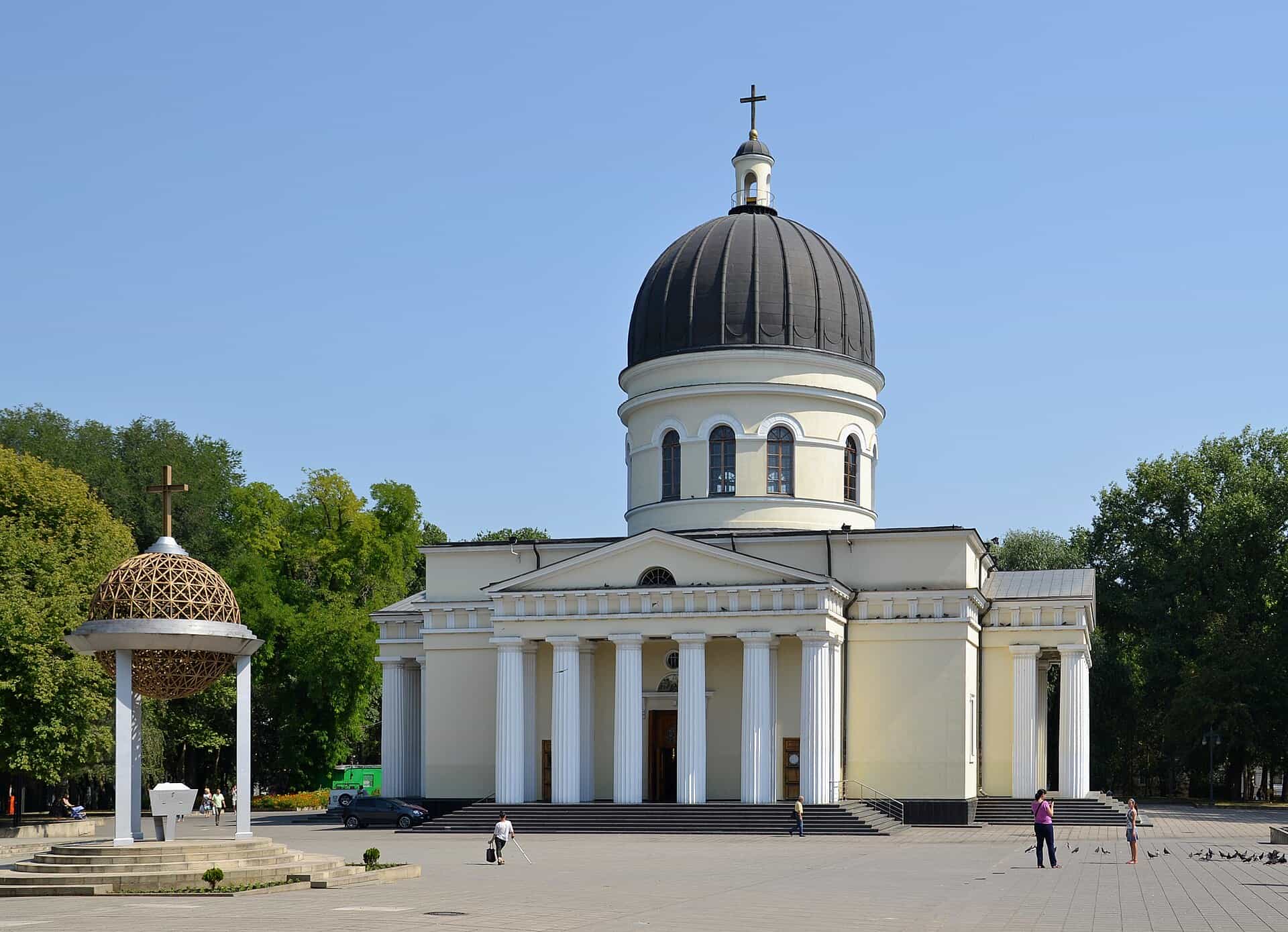
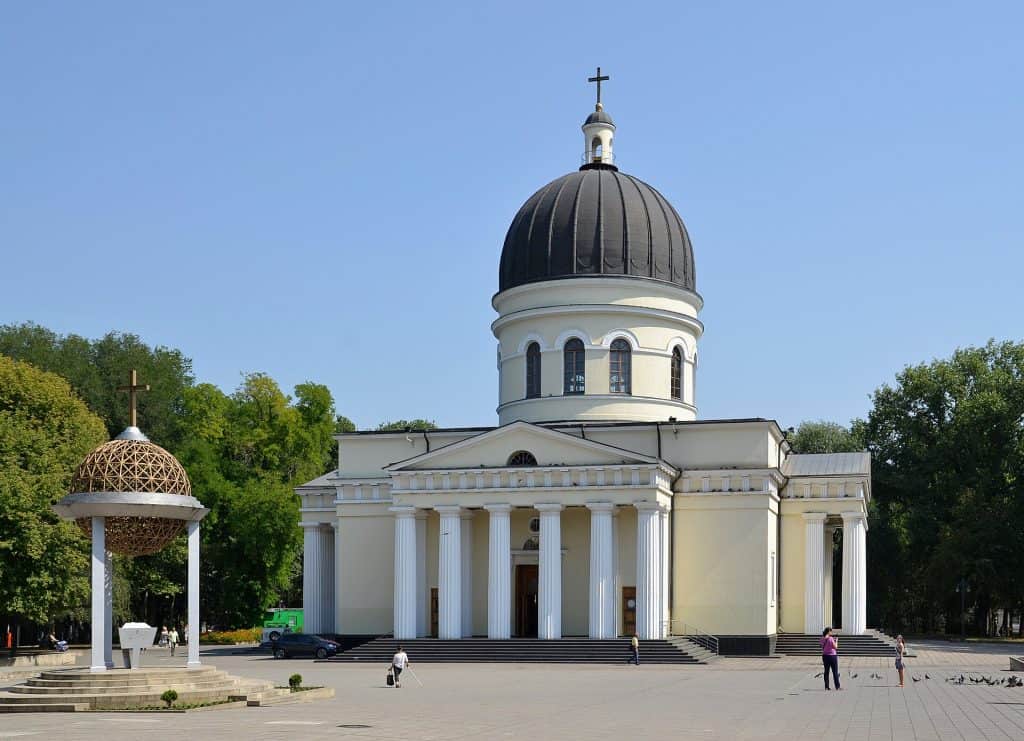
The capital is the natural base for almost every trip. It is a green, low-rise city laid out on a grid, mixing 19th-century mansions with large Soviet-era blocks. Start in the centre, where Cathedral Park holds the Nativity Cathedral and its separate bell tower, with a triumphal arch facing the main boulevard. Across the road, Stephen the Great Park is the city’s favourite place for an evening walk, named after the medieval prince who appears on statues and banknotes throughout the country.
The National Museum of History gives a useful overview before you head into the countryside, and the Central Market is the place to see what Moldovans actually eat: pickles, sheep’s cheese, fresh herbs and piles of walnuts. In the evening, the city’s wine bars are an easy way to taste labels from small producers you will not find abroad.
Cricova: an underground wine city
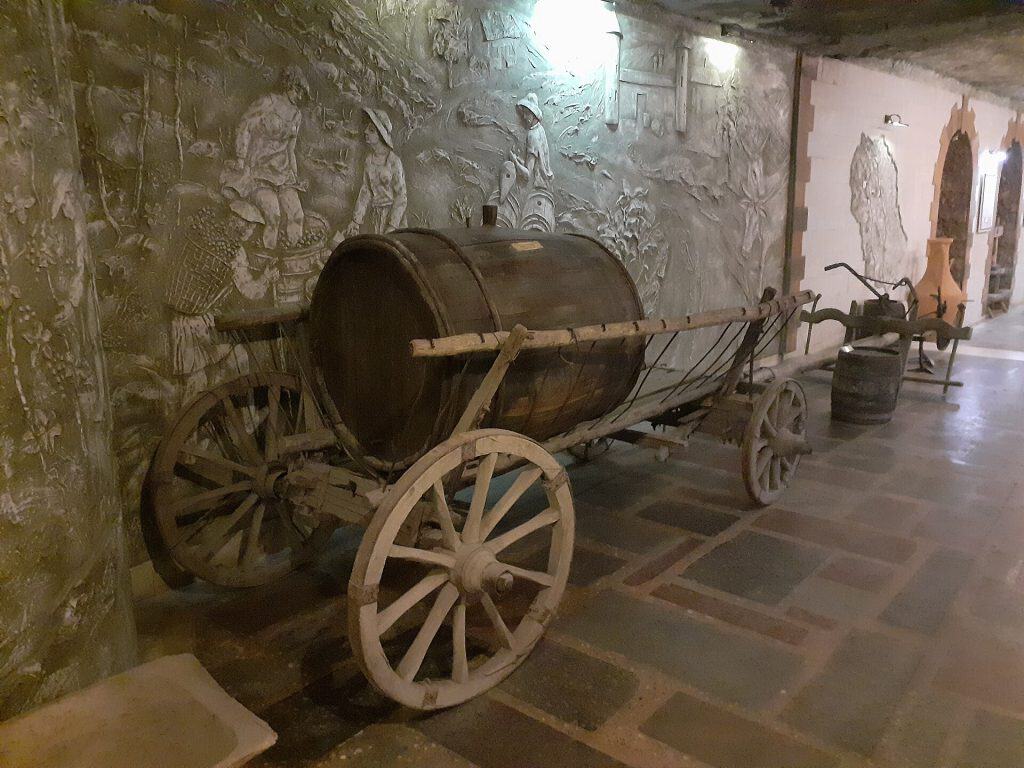
About 15 km north of Chișinău, Cricova is the most famous winery in the country, and the scale is hard to picture until you are inside. Limestone has been quarried here since the 15th century, and the resulting tunnels were turned into wine cellars in the 1950s. Today there are around 120 km of underground roads, about half of them used for storing wine, kept at roughly 12°C all year.
The roads are named after the wines stored along them, so you may find yourself on a street called Cabernet or Riesling. Visits are by guided tour, travelling through the galleries by vehicle, and usually end with a tasting of the sparkling wines Cricova is known for. A long-told legend claims that the cosmonaut Yuri Gagarin needed help finding his way out after a visit in 1966. Tours run in several languages, but you must book ahead.
Mileștii Mici: the world’s largest wine collection
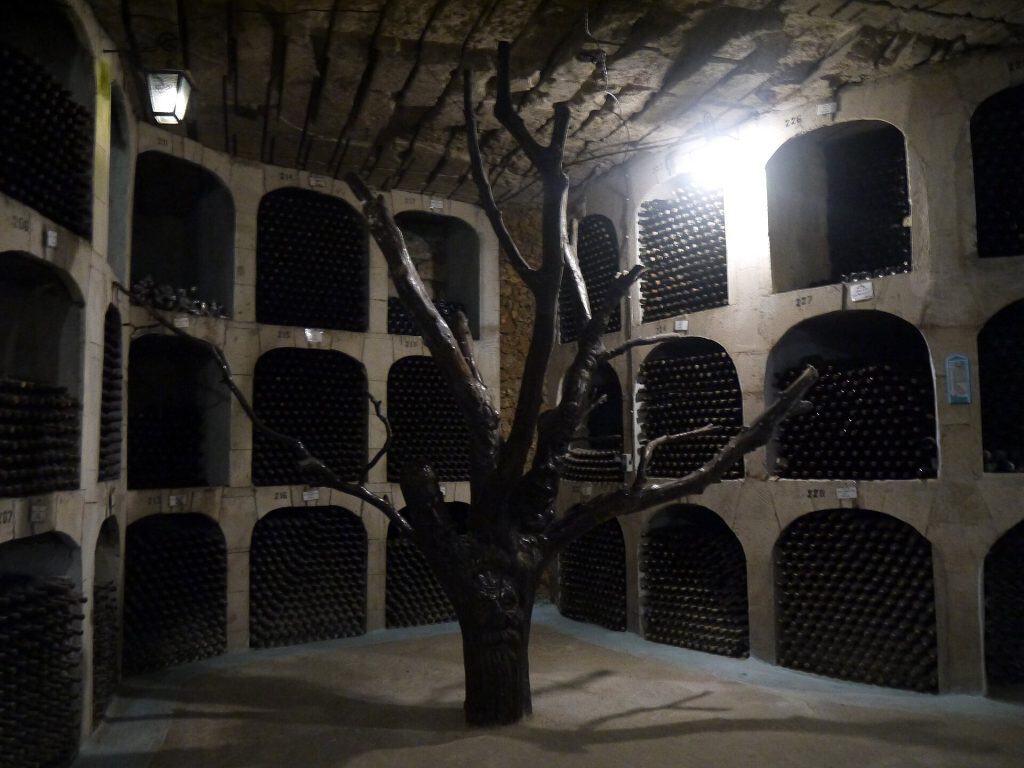
Just south of the capital, Mileștii Mici is the second of the great cellars and holds a Guinness World Records title. In 2005 its collection, then around 1.5 million bottles, was registered as the largest wine collection in the world. The galleries stretch for about 200 km, of which around 55 km are in use, and the oldest stored vintages date from 1969, the year the complex was founded.
Like Cricova, it is visited on a guided tour through the tunnels by vehicle, with tastings in underground halls. If you only have time for one, pick Cricova for sparkling wine and polish, Mileștii Mici for the sheer scale of the collection. Both are easy half-day trips from Chișinău, and many tour operators combine them in a single day.
Orheiul Vechi
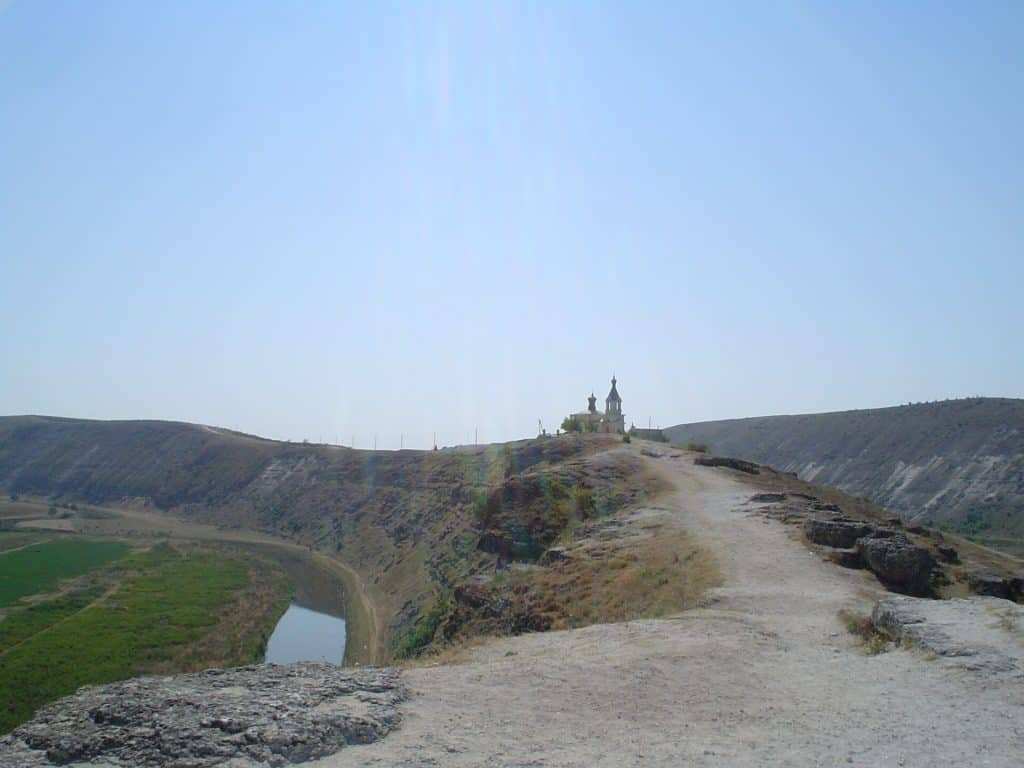
If you see one place outside the capital, make it this one. About 60 km north-east of Chișinău, the Răut River loops through a steep limestone gorge, and the ridge above it has been settled for thousands of years. Excavations have uncovered remains of a 14th-century Golden Horde town, and Orthodox monks carved a cave monastery into the cliff face. A few monks still live there, and you can step inside the rock-cut chapel, with views straight down to the river.
A church with a tall bell tower stands on top of the ridge, and the visitor centre of the museum complex explains the site’s long history. Stay overnight in the village of Butuceni, where several guesthouses serve home-cooked meals and local wine. You may read that Orheiul Vechi is “the oldest monastery in Europe”. That claim does not stand up, but the setting is still one of the finest in the region.
Țipova Monastery
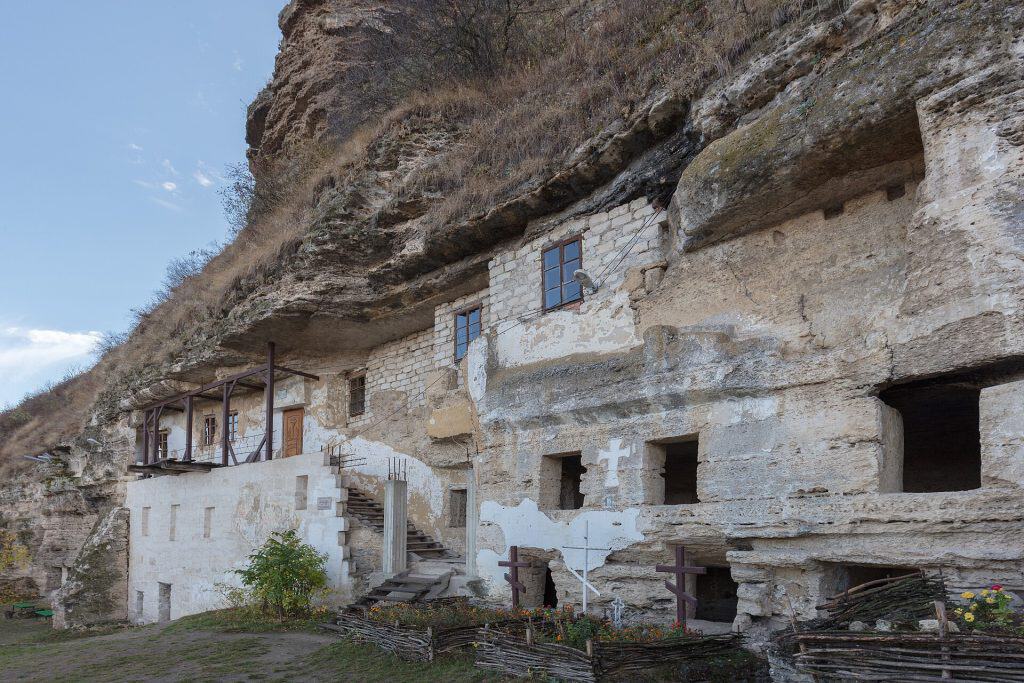
Țipova is a rock-cut Orthodox monastery on the steep western bank of the Dniester in Rezina District, cut 90 to 100 m above the river. It developed in stages: the earliest cave church is thought to date from the 11th or 12th century, and the largest group of cells and chapels was carved between the 16th and 18th centuries. A local tradition says that Stephen the Great married his third wife here in 1478, though historians treat it as legend.
The surrounding gorge is a nature reserve, and the Țipova stream drops over several waterfalls on its way to the river. Wear shoes with grip: the paths are steep, uneven and slippery after rain. There are few facilities, so bring water and snacks.
Saharna
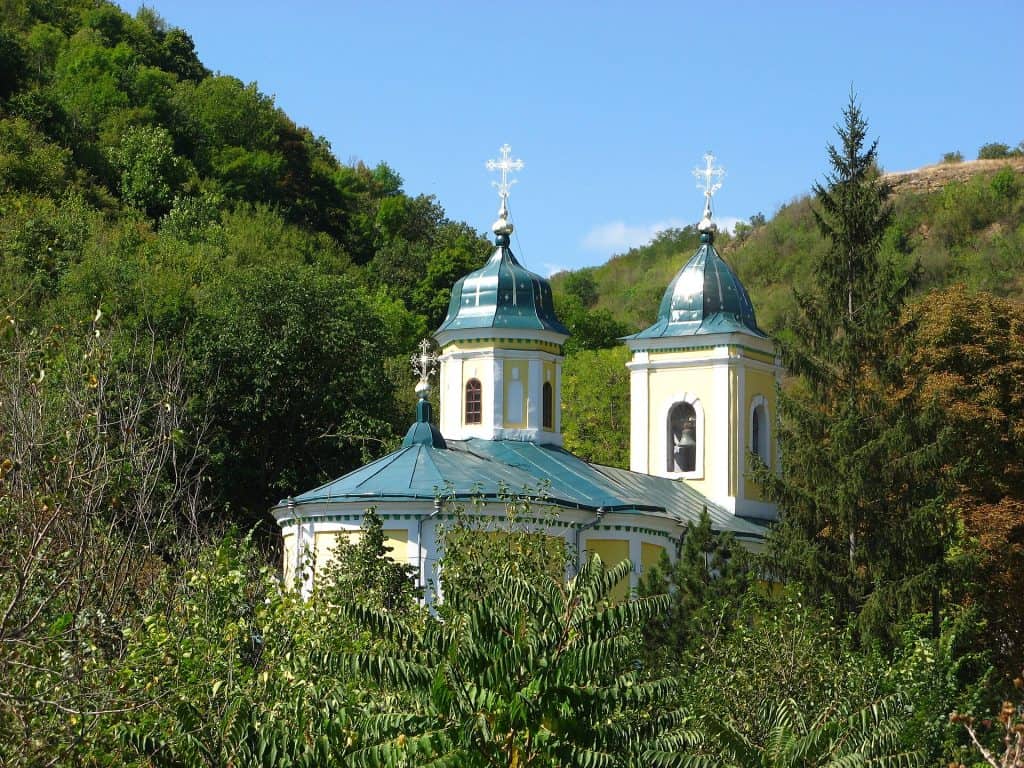
A short drive from Țipova, and about 110 km north of Chișinău, Saharna Monastery sits in a forested valley on the west side of the Dniester. It is one of the most visited pilgrimage sites in Moldova. According to its founding legend, a monk saw a shining figure of the Virgin Mary on the cliff above, and a mark in the rock said to be her footprint is still shown to visitors.
A walking trail follows the stream past the Saharna waterfall and up to viewpoints over the river. Combine Saharna and Țipova in one long day, or stay overnight in a guesthouse in the area to avoid rushing.
Soroca Fortress
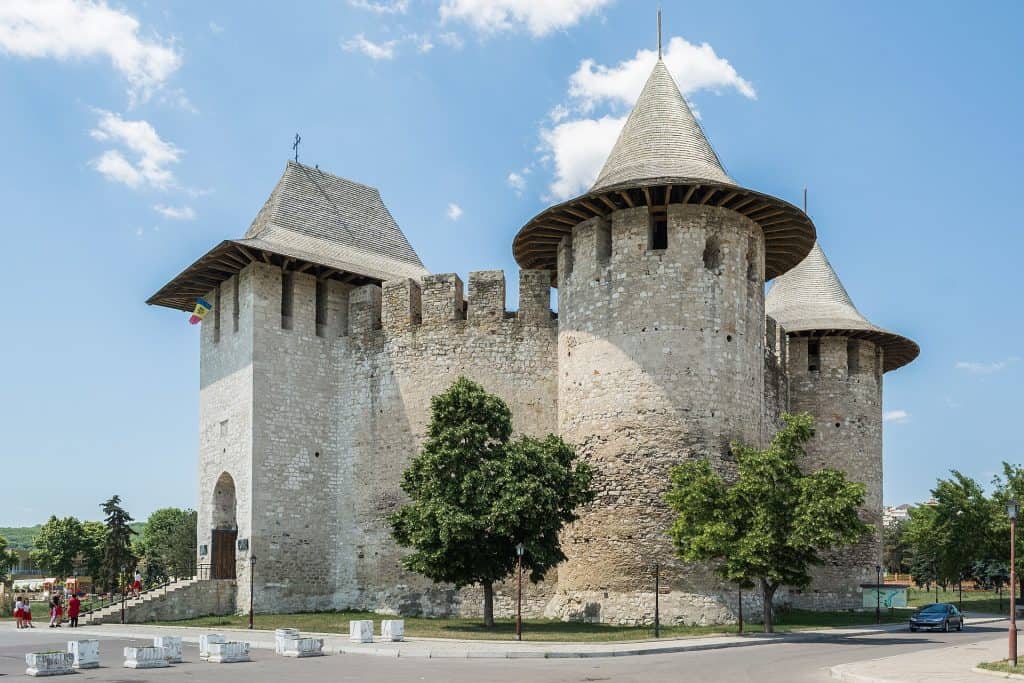
In the far north of the country, on the Dniester, Soroca Fortress is one of the most striking medieval monuments in the region. Stephen the Great founded a wooden fort here in 1499 to guard a river crossing, and it was rebuilt in stone between 1543 and 1546 under Petru Rareș. The result is an almost perfect circle with five evenly spaced bastions, and it is small enough to explore in an hour.
Climb to the viewpoint above town, marked by a candle-shaped monument, for the best view over the river valley. Soroca is a long day trip from Chișinău by road, so leaving early or staying a night makes the visit more enjoyable.
Southern wine country: Purcari and Castel Mimi
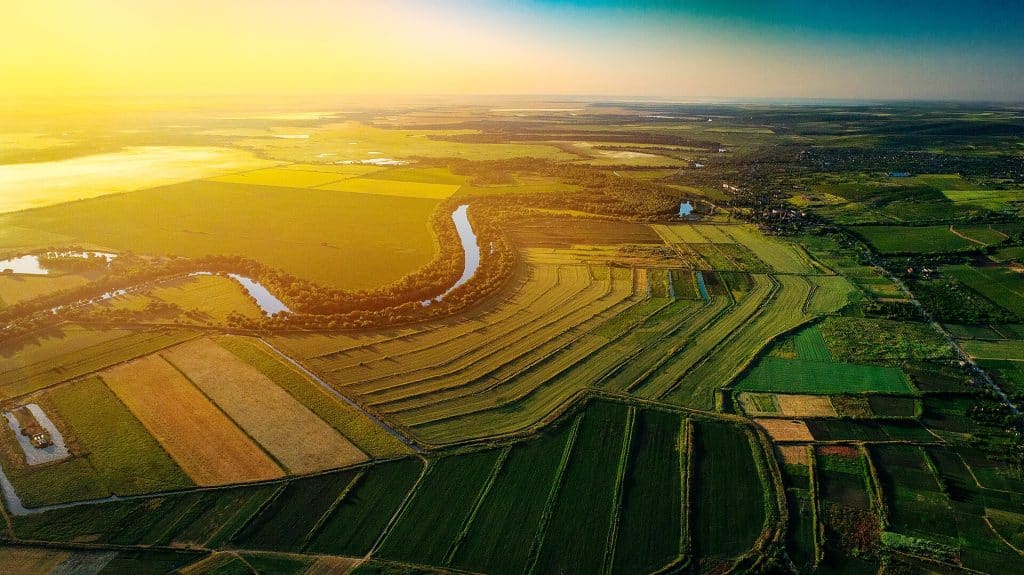
Moldova’s wine is organised into four protected regions: Codru in the centre, Ștefan Vodă in the south-east, Valul lui Traian in the south and Divin, which covers wine spirits. To see the countryside behind the bottles, head south-east to Purcari, a historic 19th-century estate in the Ștefan Vodă region best known for its red Negru de Purcari. It has a hotel, a restaurant and tastings among the vineyards.
Closer to Chișinău, Castel Mimi in the village of Bulboaca is a restored late 19th-century castle winery with a hotel, restaurant and tours. Both are good choices if you want to stay among the vines rather than return to the city each night. Other estates worth a tasting include Château Vartely near Orhei and the smaller family wineries of the Codru hills.
Interesting facts about Moldova
- Wine is central to the economy and the culture. National Wine Day takes over central Chișinău on the first weekend of October, with producers from across the country pouring their wines in the main square.
- Some of the biggest cellars on earth are here. Cricova’s tunnels run for around 120 km and Mileștii Mici’s for about 200 km.
- Stephen the Great is everywhere. The 15th-century prince of Moldavia appears on banknotes, statues and street names, and many fortresses and churches are linked to him.
- Cave monasteries line the rivers. Soft limestone along the Dniester and Răut made it possible to carve churches and cells straight into the cliffs.
- Two languages in daily life. Romanian is the official language, but you will hear plenty of Russian, especially in the capital.
Getting there and getting around
Chișinău International Airport has direct flights from several European cities, and trains and buses link the capital with Romania. EU citizens can visit without a visa for up to 90 days in any 180-day period; other nationalities should check the current rules before travelling.
Inside the country, minibuses (rutiere) and buses leave Chișinău’s bus stations for most towns, but services to monasteries and wineries are infrequent. Hiring a car or a driver for the day is the most practical way to combine sites such as Orheiul Vechi, Saharna and Țipova. Roads have improved, though rural stretches can still be rough.
Practical tips
- Book Cricova and Mileștii Mici tours in advance and check current tour times; walk-ins are not always possible.
- Bring a light jacket for the cellars, which stay cool all year.
- Dress modestly at monasteries: covered shoulders and knees, and a headscarf for women is appreciated.
- Carry cash in lei for rural guesthouses and markets; cards are widely accepted in Chișinău.
- Government travel advice for the area east of the Dniester differs from the rest of the country, so read your own government’s current guidance if you plan to travel there.
Plan your trip to Moldova
- Tickets and tours in Moldova: tickets and tours on Tiqets · activities on Klook
- Arriving by plane: pre-book an airport transfer with Welcome Pickups
- Road trip: compare car hire on Localrent
- Mobile data: get a travel eSIM from Airalo
Some of these are affiliate links: if you book through them we may earn a small commission, at no extra cost to you.
Planning a bigger trip? See our guide to the 25 best places to visit in Europe, from city breaks to fjords.
Keep exploring
- Best Cities to Visit in Romania: 7 Underrated Alternatives
- Traditional Romania by Region: Crafts, Villages and Folk Customs
- Romania’s Most Popular Destinations: A 7 to 10 Day First-Trip Route
Frequently asked questions
What is Moldova famous for?
Wine, above all. The country is known for its huge underground cellars at Cricova and Mileștii Mici, its cave monasteries and its quiet, rural landscapes.
How many days do you need in Moldova?
Four or five days is enough for Chișinău, one or two wineries, Orheiul Vechi and the Dniester monasteries. Add a day for Soroca or a stay in southern wine country.
Do you need a car to travel around Moldova?
Not for Chișinău or Cricova, but a car or a hired driver makes rural sites far easier to reach, because public transport to monasteries and wineries is limited.
Photos: Pudelek, CC BY-SA 4.0, via Wikimedia Commons; Mutialulu, CC0, via Wikimedia Commons; Furkan Akkurt, CC BY-SA 4.0, via Wikimedia Commons; Aleksander Dragnes from Oslo, Norway, CC BY 2.0, via Wikimedia Commons; Diego Delso, CC BY-SA 4.0, via Wikimedia Commons; Andrei Szocs, CC BY-SA 4.0, via Wikimedia Commons; Photobank MD from Chisinau, Moldova, CC0, via Wikimedia Commons; USAID Digital Development, CC BY 2.0, via Wikimedia Commons.