Updated
Most visitors see Barcelona through a narrow window: the Gothic Quarter, La Rambla, the Gaudí houses and the beach at Barceloneta. The people who live here spend their free time somewhere else. On a Sunday they walk the hills above the city, shop at their own barrio market or head for a beach a few metro stops up the coast.
This guide picks seven of those everyday experiences, all reachable by metro, train or funicular and most of them free. The city rituals that visitors already know, such as the Sunday vermut, castells, the sardana outside the cathedral, the Festa Major de Gràcia and the view from the Bunkers del Carmel, are covered in our separate guide to distinctively Barcelona experiences and get only a passing mention here.
Local Barcelona at a glance
- Best for: second-time visitors, longer stays and anyone who wants a break from the crowded centre.
- When to go: spring and autumn for walking and markets; June to September for the beaches.
- Best days: Saturday for Els Encants and the markets, Sunday for Collserola and the Ciutadella. Most municipal markets close on Sundays.
- Getting around: metro lines L1, L3 and L4, plus the FGC trains from Plaça de Catalunya for Collserola.
1. Walk the Carretera de les Aigües in Collserola
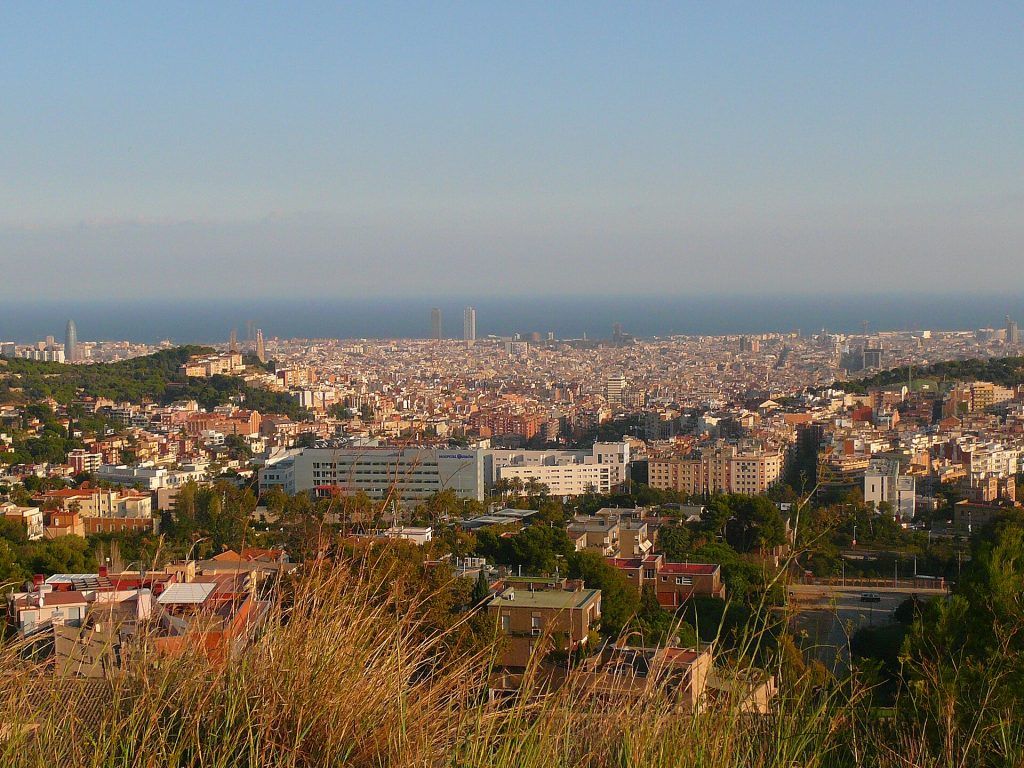
The Serra de Collserola is the long wooded ridge that closes off Barcelona to the north-west, topped by Tibidabo at 512 metres. In 2010 more than 8,000 hectares of it were declared a natural park, making it one of the largest natural parks inside a European metropolitan area.
The easiest way in is the Carretera de les Aigües, an old service road built in the early 20th century for the water supply. It contours along the hillside for roughly 10 kilometres and is almost level the whole way, with the city and the sea laid out below. Take an FGC train (S1 or S2) from Plaça de Catalunya to Peu del Funicular, then the Vallvidrera funicular to its intermediate stop, also called Carretera de les Aigües; it is a request stop, so tell the driver or press the button. One ticket covers both.
From there, walk east towards Sant Pere Màrtir for the best viewpoints, and turn back whenever you like. There is little shade, so start early in summer and carry water.
2. Get lost in the Laberint d’Horta
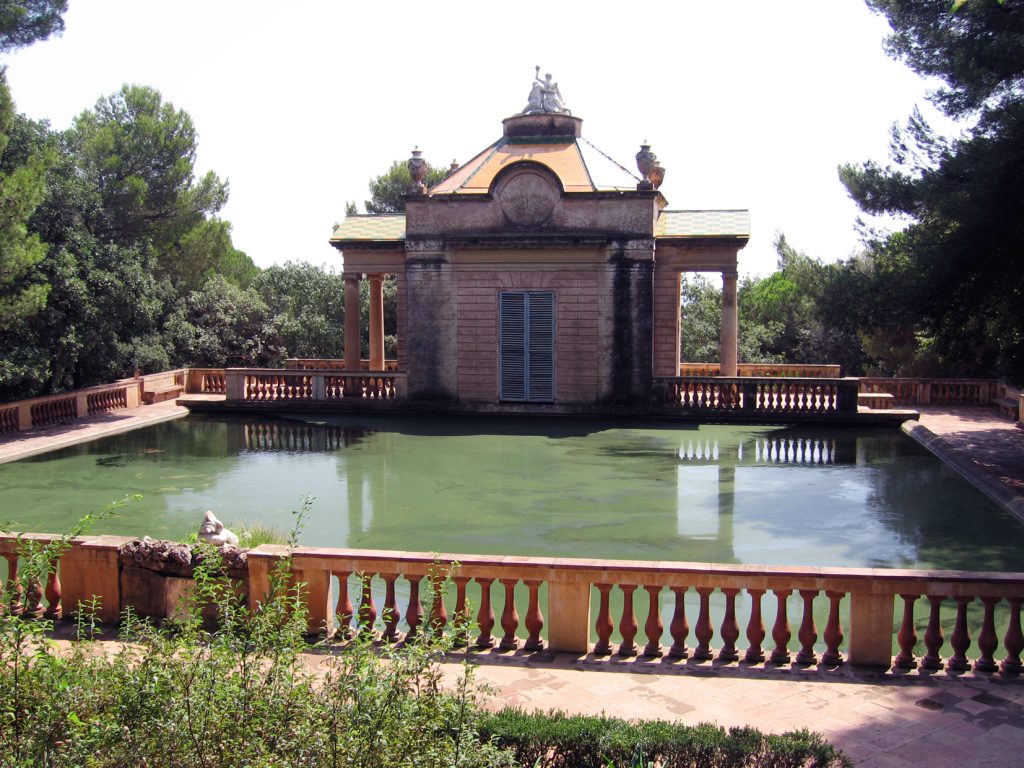
In the hills of Horta, far from any tour bus, is the city’s oldest surviving garden. The Parc del Laberint d’Horta was created for the Desvalls family on their country estate, with the neoclassical layout designed by the Italian architect Domenico Bagutti from the 1790s.
The centrepiece is a maze of clipped cypress hedges with a statue of Eros at its centre. Terraces above it look down over the hedges, which is the moment to work out the route you should have taken. The park is a protected historic garden, so visitor numbers are limited; keep to the paths.
Take metro L3 to Mundet and walk about ten minutes. Entry has traditionally been free on Wednesdays and Sundays, which are also the busiest days; on other days a small ticket is charged. Weekday mornings are quietest.
3. Shop at a neighbourhood market
Barcelona has around forty municipal markets, and every barrio is organised around one. Most have a counter bar where stallholders and shoppers stop for a coffee or a mid-morning sandwich; go on a weekday morning or Saturday and eat at the bar.
Three worth crossing the city for:
- Mercat de la Concepció: an iron-framed hall in the right-hand Eixample by Antoni Rovira i Trias, opened in the late 1880s. It is known locally for its flower stalls.
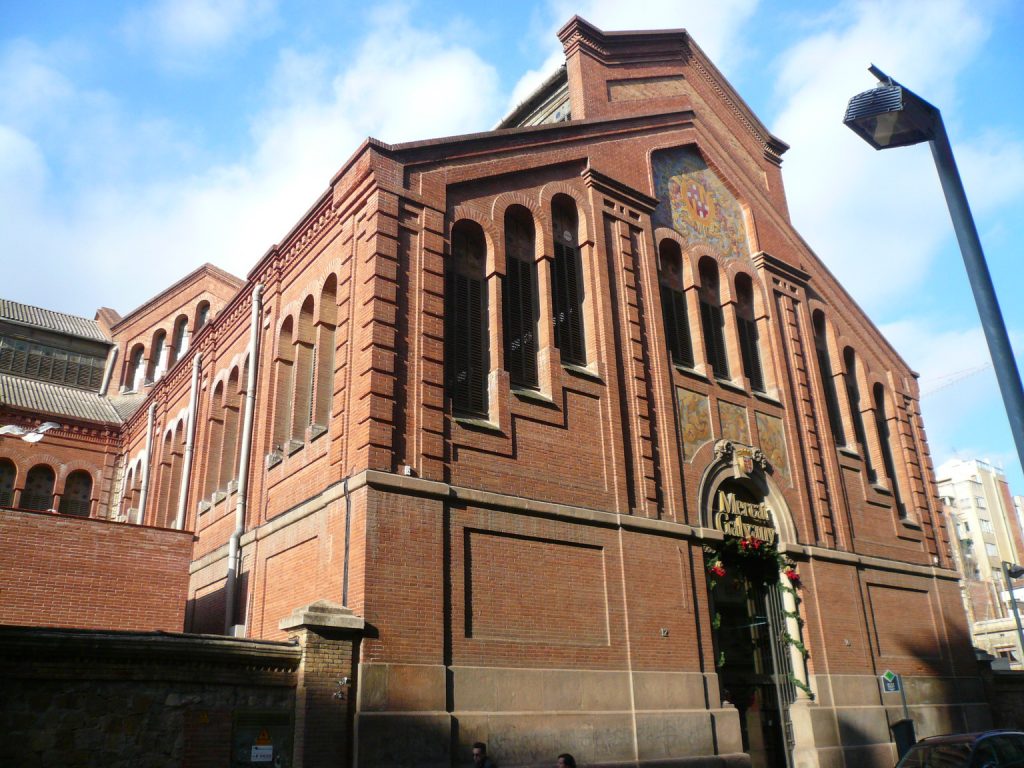
- Mercat de Galvany: in the smart, residential Sant Gervasi district, a listed building in the shape of a Greek cross with an octagonal central dome. Building started in the 1860s, but it did not open until 1927.
- Mercat del Ninot: a rebuilt market in the left-hand Eixample, near the Hospital Clínic, with a good spread of food counters.
4. Rummage at Els Encants
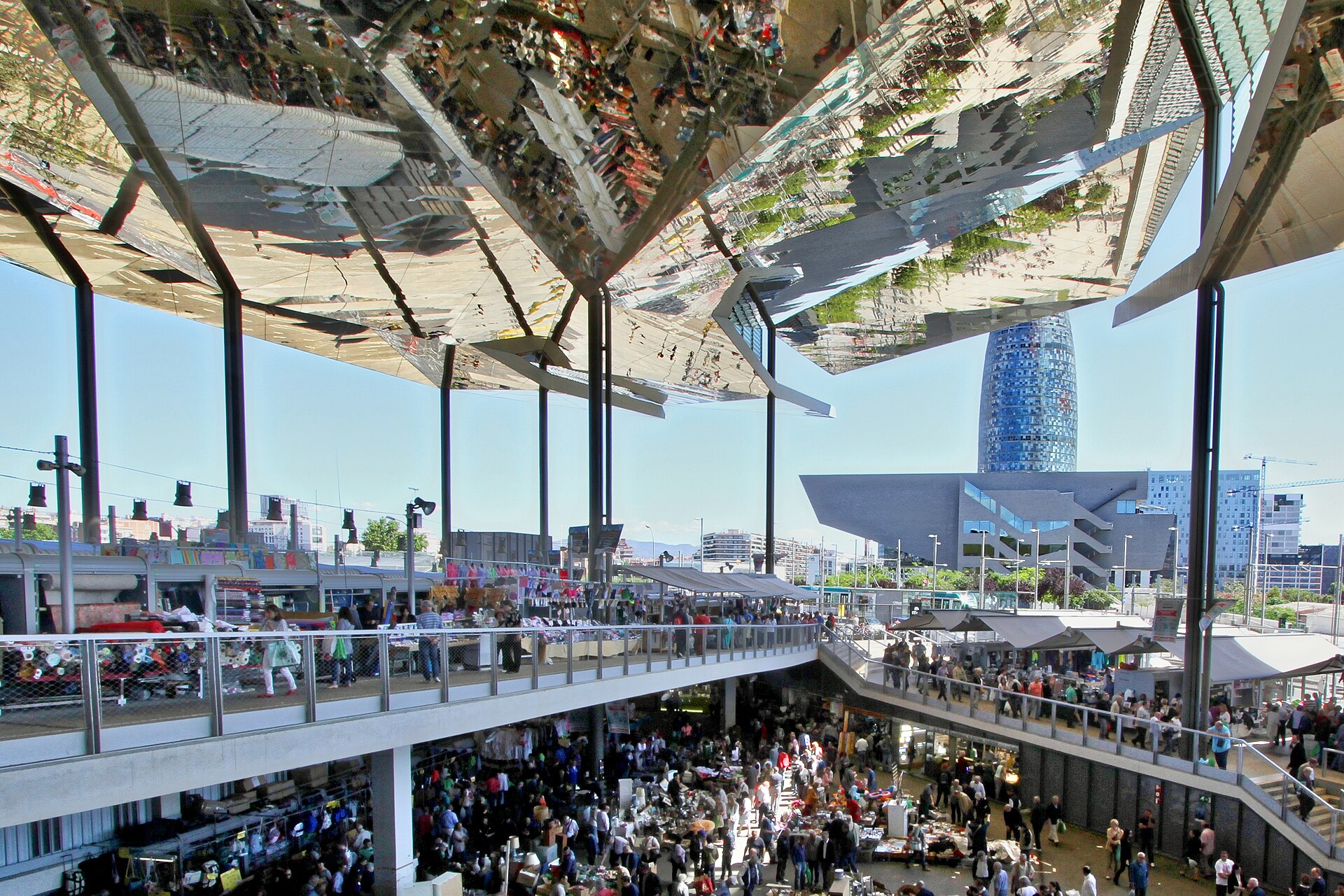
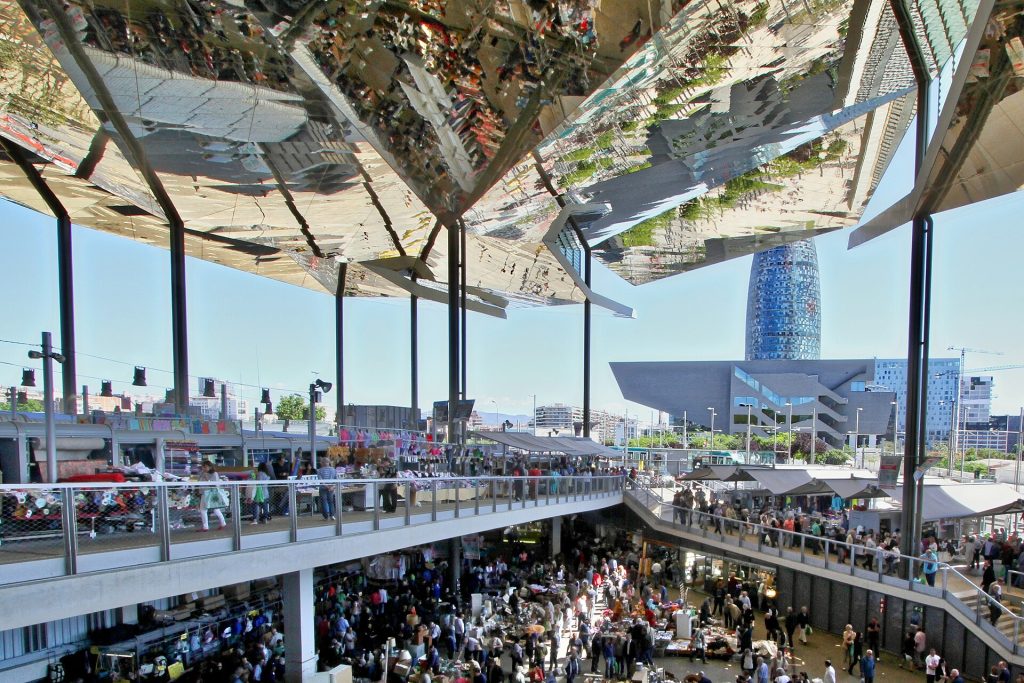
Els Encants is Barcelona’s great flea market and one of the oldest in Europe, with roots going back to the Middle Ages. In 2013 it moved a short distance across Plaça de les Glòries into a new home designed by b720 Fermín Vázquez Arquitectos, where hundreds of stalls sit on sloping walkways under a huge mirrored canopy that reflects the bric-a-brac below.
Expect everything: antique furniture, vinyl, old tiles, tools, vintage clothes, kitchenware and a fair amount of junk. It opens on Mondays, Wednesdays, Fridays and Saturdays. Early on Monday, Wednesday and Friday mornings, dealers bid at the auctions in the central area, which are worth watching.
Haggling is expected at the smaller stalls. The nearest stop is Glòries on metro L1, and the tram stops right outside.
5. Swap Barceloneta for Poblenou and Bogatell
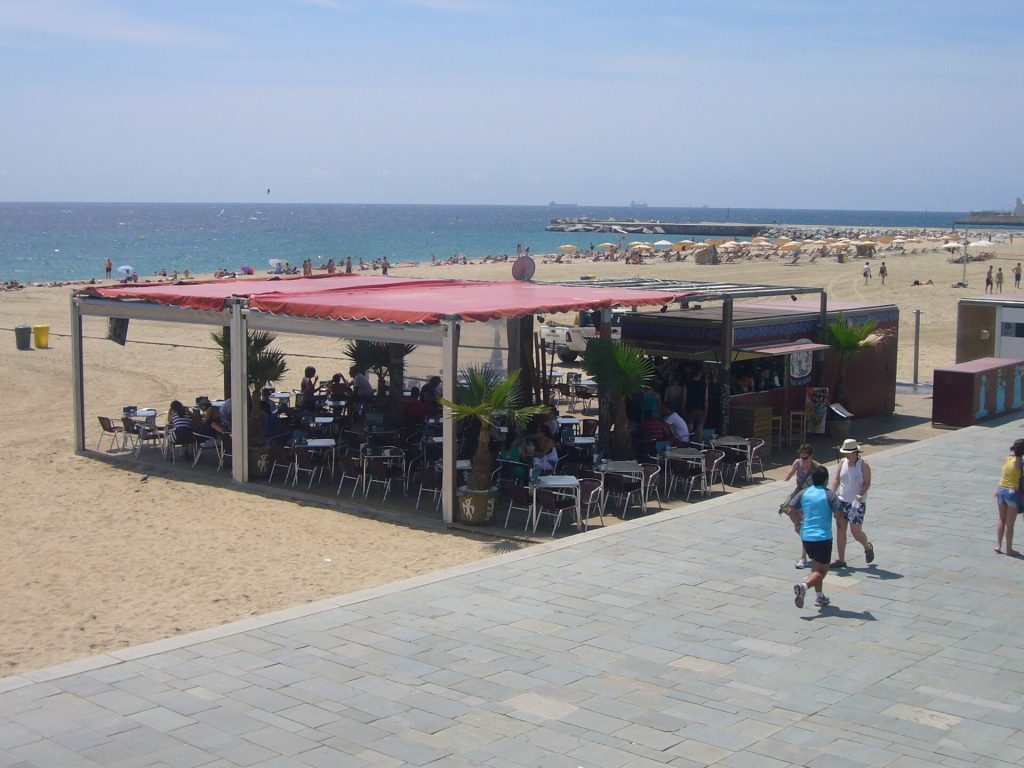
Barceloneta beach is the closest to the old town, which is exactly why it is so crowded. Locals tend to go further north-east. Bogatell, about 700 metres of sand created when the waterfront was rebuilt for the 1992 Olympics, has a calmer feel and a mostly local crowd. Beyond it, Mar Bella and Nova Mar Bella are quieter still, and the far end of Mar Bella has a long-established nudist section.
Make a day of it by starting in Poblenou, the old industrial quarter behind the beach. In the 19th century it was so packed with textile mills that it was called the Catalan Manchester; a few brick chimneys still stand among the new offices of the 22@ technology district. The Rambla del Poblenou, a tree-lined pedestrian street running down towards the sea, is lined with cafés and terraces and feels like the high street of a small town.
Take metro L4 to Poblenou or Llacuna and walk ten to fifteen minutes to the sand. The seafront also has a long, flat bike lane. Barcelona’s Bicing shared bikes are for residents only, so rent from a hire shop if you want to ride it.
6. Spend a Sunday afternoon in the Ciutadella
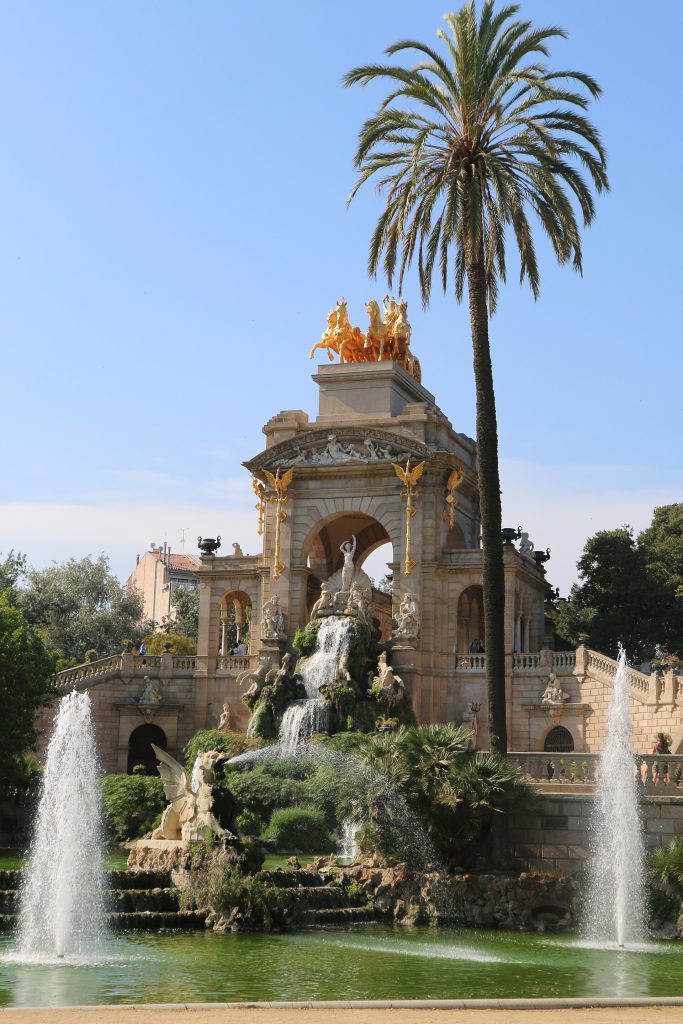
The Parc de la Ciutadella takes its name from the star-shaped fortress Philip V built here after the siege of 1714. Once the walls were pulled down, the land was turned into a public park, laid out by Josep Fontserè and later used as the site of the 1888 Universal Exhibition. The Catalan Parliament meets in the former arsenal, and the zoo fills the southern side.
The main sight is the Cascada, a monumental fountain built between 1875 and 1881. A young Antoni Gaudí, still a student, worked on it as Fontserè’s assistant, mainly on the hydraulics. Nearby, rowing boats can usually be hired on the small lake.
The park comes into its own at weekends. Families spread out on the lawns, and you will usually find buskers, jugglers, tightrope walkers practising between trees and the occasional drum circle. Bring a picnic from the Santa Caterina market, ten minutes’ walk away, and leave by the Arc de Triomf at the northern end.
7. Eat on local time: menú del dia and Carrer de Blai
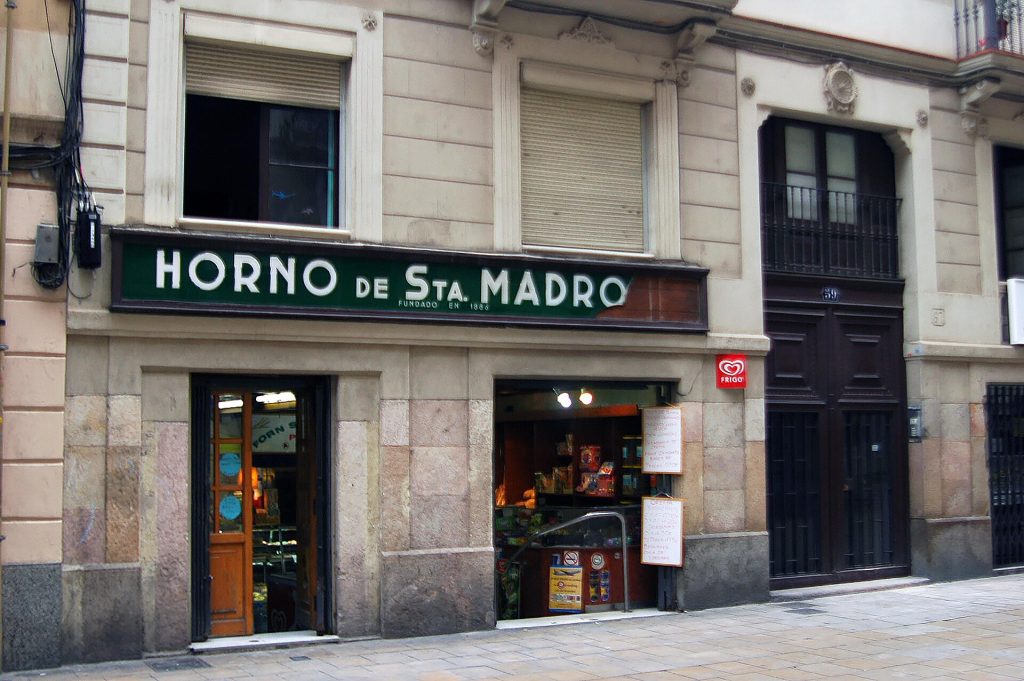
The most local meal in Barcelona is the weekday lunch. From around 1.30pm to 3.30pm, offices empty and restaurants fill for the menú del dia: a fixed-price lunch of a starter, a main, a dessert or coffee, bread and a drink. It is usually chalked on a board outside; look for places full of office workers rather than those with picture menus.
For the evening, head to Poble-sec, the hillside neighbourhood between Avinguda del Paral·lel and Montjuïc. Carrer de Blai, a pedestrian street of about half a kilometre, is lined with bars serving pintxos, small bites on slices of bread held together with a cocktail stick. You help yourself from the counter, keep the sticks on your plate and pay by the stick at the end. It gets busy late, so go around 8pm when the counters are freshly stocked. Metro L3 to Poble Sec or L2 and L3 to Paral·lel.
Vermut, the Sunday late-morning aperitif, has its own section in our guide to distinctively Barcelona experiences.
A local calendar
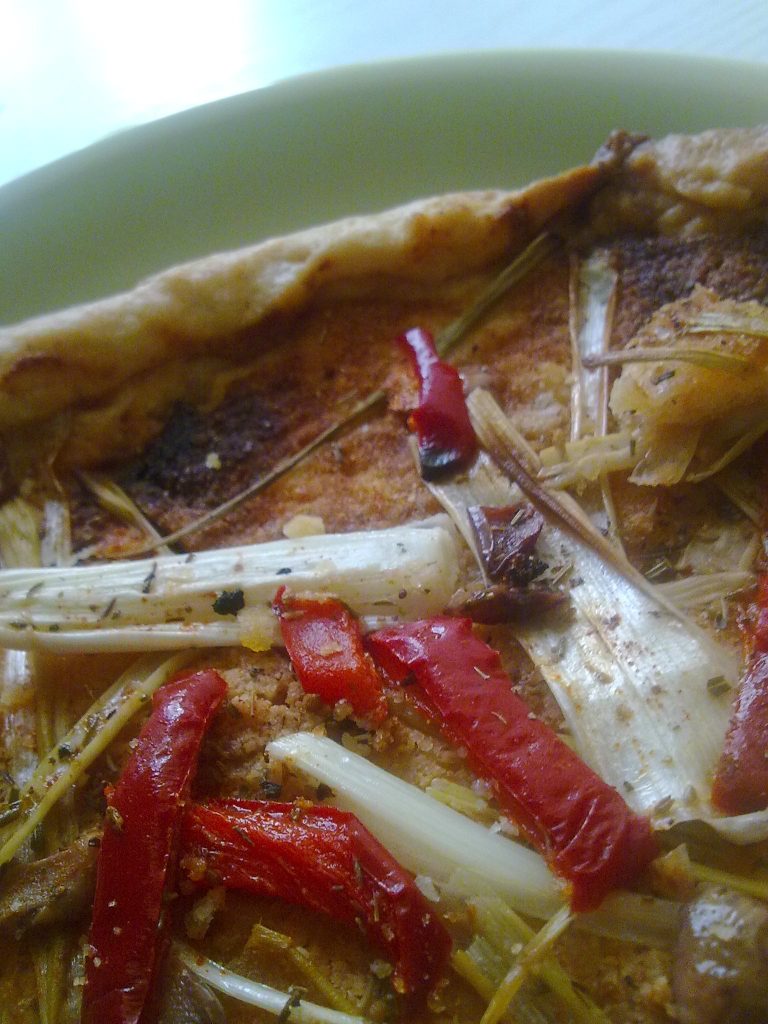
- Calçots, late winter: calçots are long, mild spring onions grilled over an open flame until charred, then peeled and dipped in romesco sauce, made with almonds, peppers and garlic. A calçotada is a long group lunch built around them. The season runs from about November to April, with the peak in February and March; the Gran Festa de la Calçotada in Valls, south of Barcelona, is held on the last Sunday of January. Many Barcelona restaurants serve them in season.
- Sant Joan, the night of 23 June: the eve of Midsummer is celebrated with fireworks, bonfires, cava and coca de Sant Joan, a sweet flatbread topped with candied fruit and pine nuts. The beaches fill with parties all night, and 24 June is a public holiday in Catalonia.
- La Castanyada, 31 October and 1 November: street vendors roast chestnuts and sweet potatoes, and pastry shops sell panellets, small marzipan cakes rolled in pine nuts.
- Covered elsewhere: Sant Jordi on 23 April, the Festa Major de Gràcia in mid-August and La Mercè in late September.
Getting around and practical tips
- Tickets: the T-casual ten-journey card works on the metro, buses, trams, the FGC trains to Collserola and the Vallvidrera funicular within zone 1.
- Market hours: municipal markets usually open from early morning to early afternoon, and most close on Sundays; check the individual market before you go.
- Pickpockets: take care at Els Encants, on the beach and on crowded metro trains.
- Bunkers del Carmel: if you add this viewpoint, check current access rules before you go. The site has had daytime-only hours, closing in the early evening, and night access is enforced.
- Further afield: Montserrat, the mountain monastery reached by train, is a favourite local day hike.
Plan your trip to Barcelona
- Tickets and tours in Barcelona: tickets and tours on Tiqets · activities on Klook
- Arriving by plane: pre-book an airport transfer with Welcome Pickups
- Road trip: compare car hire on Localrent
- Mobile data: get a travel eSIM from Airalo
Some of these are affiliate links: if you book through them we may earn a small commission, at no extra cost to you.
Planning a bigger trip? See our guide to the 25 best places to visit in Europe, from city breaks to fjords.
Keep exploring
- How to Avoid Looking Like a Tourist in Prague: Local Etiquette Tips
- How to Meet Locals When Travelling in Europe: 7 Practical Ways
- Must-See Places in Romania: 8 Wild Spots Off the Usual Route
Frequently asked questions
Which beach do locals use in Barcelona?
Many avoid Barceloneta and head north-east to Bogatell, Mar Bella and Nova Mar Bella, a short walk from metro L4. Some go further, to the town beaches of Badalona.
Is the Laberint d’Horta worth the trip?
Yes, if you like gardens. It takes around 30 minutes by metro from the centre, and you need an hour or two there. Go on a weekday morning for the quietest visit, or on a Wednesday or Sunday for free entry.
What is the best day for Els Encants?
Saturday has the most atmosphere and the most browsers. Go on a Monday, Wednesday or Friday morning if you want to see the early auctions, and arrive early for the best choice.
Photos: ThomasLendt, CC BY-SA 4.0, via Wikimedia Commons; Santiago Puig Vilado…, CC BY-SA 3.0, via Wikimedia Commons; Till F. Teenck, CC BY-SA 2.5, via Wikimedia Commons; Pere López, CC BY-SA 3.0, via Wikimedia Commons; Jordiferrer, CC BY-SA 3.0, via Wikimedia Commons; Notaris, CC0, via Wikimedia Commons; Xavier Badia Castellà, CC BY-SA 3.0, via Wikimedia Commons; Lablascovegmenu from London, CC BY 2.0, via Wikimedia Commons.