March is a month of transition in Europe, and that is what makes it useful. The Mediterranean warms into the high teens, the big spring festivals arrive before the summer crowds, the Alps still have deep snow at altitude, and the far north has long evenings and some of the darkest skies of the year for the northern lights. In 2027 the calendar adds one more reason to travel: Easter falls early, on 28 March, so Holy Week processions and Easter celebrations land inside the month.
This guide picks 11 countries in Europe to visit in March and explains what each does best, with average March temperatures taken from national weather services or their published climate normals, and festival dates for 2027 where the organisers have confirmed them. If you are planning a trip to Europe in March, match a country to the trip you want, and pack for weather that can swing widely from week to week.
- Warmest options: Southern Spain, the Algarve, Cyprus and Malta, with average March highs of roughly 17–22°C.
- Big 2027 events: St Patrick’s Festival in Dublin (13–17 March), Las Fallas in Valencia (15–19 March), Holy Week in Seville and Rome (21–28 March), Easter Sunday on 28 March.
- Best for snow: Austria and Switzerland for spring skiing; Finnish Lapland for snow, husky trails and the northern lights.
- How long: A long weekend works for a city festival; allow a week for the Algarve, Cyprus or a ski trip.
- Book early for: Valencia during Fallas, Seville in Holy Week and anywhere popular over Easter weekend (26–29 March 2027).
1. Spain: Las Fallas in Valencia and Holy Week in Seville
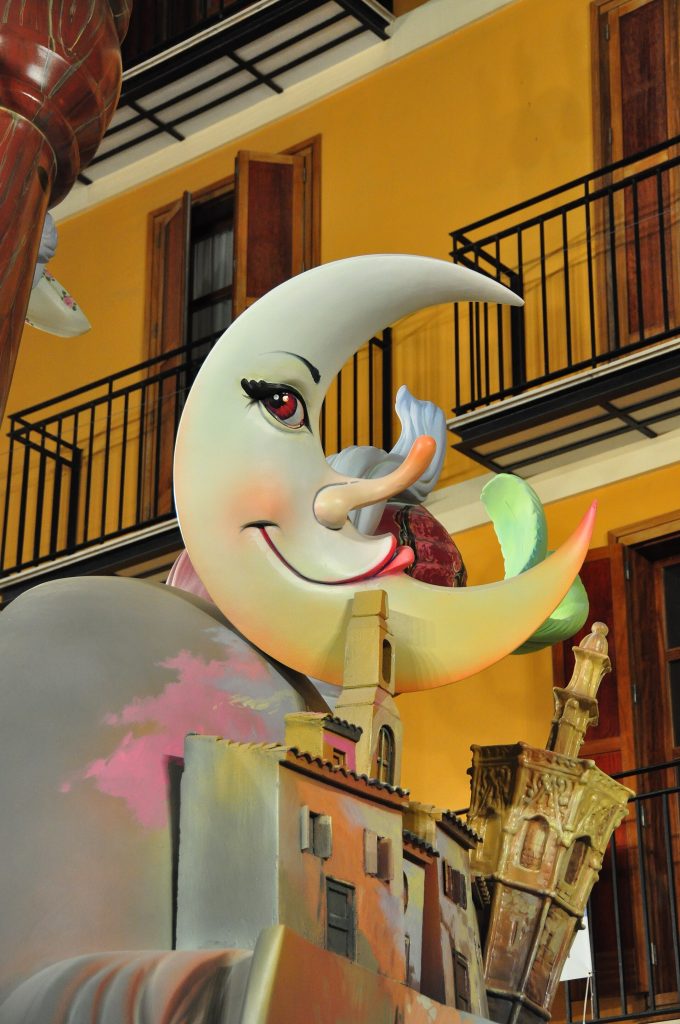
Spain is the strongest all-round choice for March because it combines warmth with two of Europe’s great spring festivals. In Valencia, the State Meteorological Agency (AEMET) gives an average March maximum of 19.3°C and minimum of 9.6°C, with around 215 hours of sunshine. Las Fallas takes over the city from 15 to 19 March: hundreds of huge satirical sculptures (fallas) appear on street corners, neighbourhoods hold parades and fireworks, and lunchtime mascletàs (deafening, rhythmic firecracker displays) draw crowds to the Plaza del Ayuntamiento. On the night of 19 March, the feast of St Joseph, the sculptures are burned in the cremà.
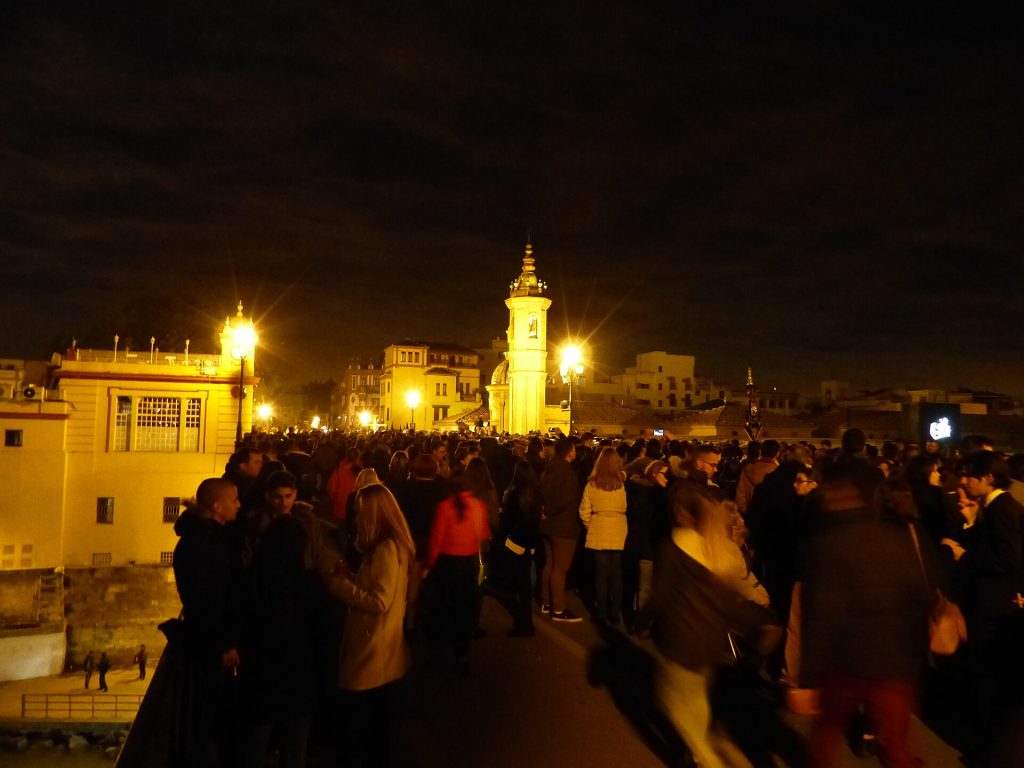
Seville is warmer still: AEMET’s normals for Seville airport show an average March high of 21.9°C, a low of 9.2°C and 220 hours of sunshine. Because Easter Sunday is 28 March in 2027, Semana Santa runs from Palm Sunday, 21 March, to Easter Sunday, with brotherhood processions crossing the old town day and night. The most famous night, the Madrugá, falls between Holy Thursday and Good Friday (25–26 March). Expect road closures, packed streets and high demand for rooms.
2. Portugal: the Algarve before the beach crowds
The Algarve is one of the most reliable places in Europe for mild March weather. The Portuguese weather service IPMA’s 1991–2020 normals for Faro give an average March maximum of 18.9°C and minimum of 10.8°C, with about 47 mm of rain over the month. That is walking weather rather than swimming weather. The Seven Hanging Valleys Trail between Praia da Marinha and Vale Centeanes, the sea stacks around Ponta da Piedade near Lagos and the wild west coast towards Cabo de São Vicente are all far quieter than in summer.
A note on almond blossom: the Algarve, like Mallorca, is famous for its almond trees, but they usually flower in late January and February. In a cool year a few late trees may still be in bloom in early March, but do not plan a March trip around it. Come instead for coastal walks, seafood in Olhão and quiet towns such as Tavira and Silves. Faro airport is the gateway, and regional trains run along the coast between Lagos and Vila Real de Santo António.
3. Malta: Easter processions and warm stone cities
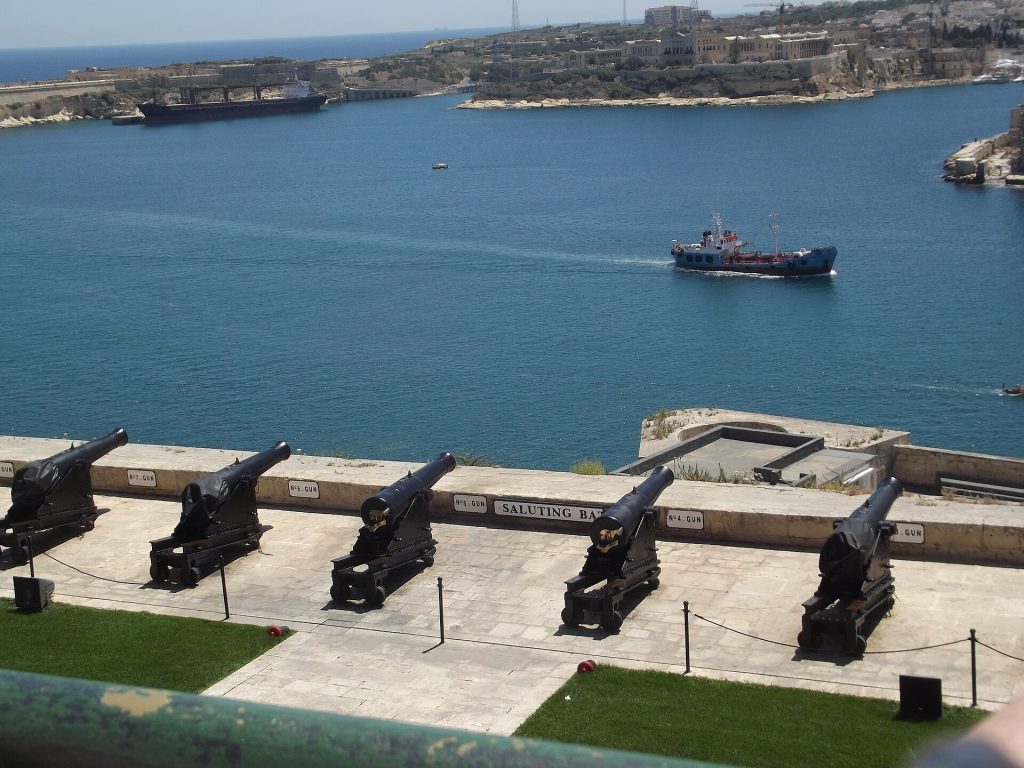
Malta is small, sunny and easy to reach from most of Europe, and March is a comfortable month to explore it on foot. Climate normals for Luqa, beside the airport, give an average March high of about 17°C and a low of about 11°C, which is warm enough to sit outside at lunch and cool enough for long days walking Valletta, Mdina and the Three Cities. The sea is still cool for most swimmers.
In 2027 Holy Week falls in late March, so Malta’s Easter traditions are well worth timing a visit around. Parishes across the islands hold Good Friday processions (26 March 2027) with statues depicting the Passion carried through the streets, and Easter Sunday (28 March) brings joyful morning processions with a statue of the Risen Christ. Bakeries sell figolli, almond-filled Easter pastries, and accommodation fills early for the long weekend. If you are drawn to religious festivals, our guide to Europe’s oldest Easter traditions covers more customs worth the trip.
4. Cyprus: reliable warmth and quiet ancient sites
If you want the best chance of genuinely warm days, Cyprus is hard to beat. The Cyprus Meteorological Service’s station data show average March maximums of 19.1°C at Larnaca airport, 18.5°C at Paphos airport and 20.0°C in Limassol, with minimums of about 9–10°C. That makes March perfect for archaeological sites that are punishing in summer heat, such as the Tombs of the Kings and the mosaics of the Paphos Archaeological Park, both close to Paphos harbour.
March is also a good month for the Troodos Mountains, where spring flowers start to appear on the lower slopes and the painted Byzantine churches are quiet. In 2027, Green Monday (Kathara Deftera), the first day of Orthodox Lent, falls on 15 March, 48 days before Orthodox Easter on 2 May. Cypriots mark it with picnics, kite-flying and meatless feasts of beans, olives and seafood. A hire car is the easiest way to combine the coast with the mountains.
5. Greece: Athens without the summer heat
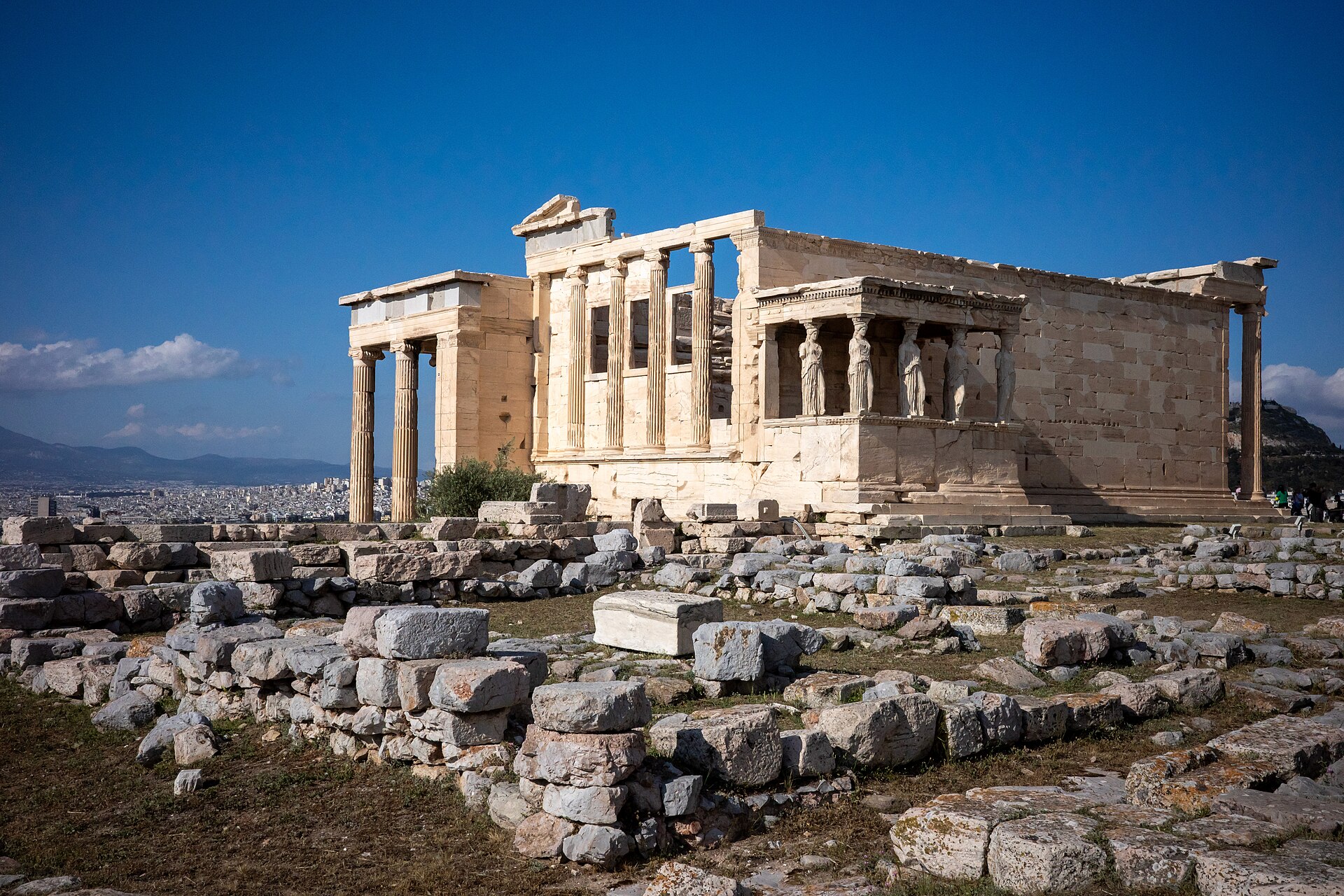
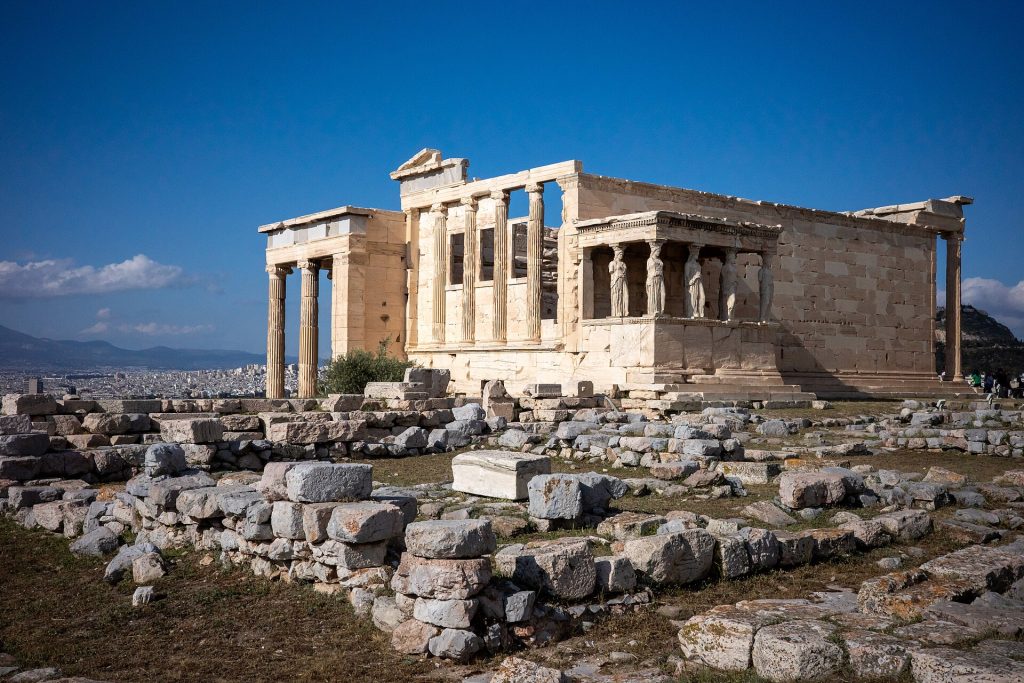
Athens in March is a different city from Athens in August. Climate data for downtown Athens (1991–2020), published by the National Observatory of Athens, give an average March maximum of 17.0°C and a minimum of 9.2°C, so you can climb to the Acropolis at midday, walk the ancient Agora and Philopappos Hill, and still want a jacket for the evening.
Two dates shape a March visit in 2027. Clean Monday falls on 15 March, when Greeks mark the start of Lent with kite-flying on hills such as Philopappos and a traditional meal of lagana flatbread, taramasalata and seafood. On 25 March, Greek Independence Day and the Feast of the Annunciation, schools, bands and the armed forces parade in Athens and in towns across the country. Most islands are still very quiet in March, with limited ferries and many hotels closed, so treat March as a month for Athens, the Peloponnese and Crete rather than the Cyclades.
6. Italy: Rome for Holy Week and Easter
Rome’s 1991–2020 normals for Ciampino show an average March high of 15.8°C and a low of 5.9°C. It is mild, showery walking weather. The bigger draw in 2027 is Easter. Holy Week runs from Palm Sunday on 21 March to Easter Sunday on 28 March, and the Vatican’s ceremonies, including the Good Friday Way of the Cross at the Colosseum and Easter Sunday Mass in St Peter’s Square, draw large crowds. The Vatican publishes the liturgical schedule and ticket arrangements for papal ceremonies nearer the time, so check the official Vatican pages before you travel.
The first half of March is quieter, and Sicily feels spring-like earlier than Rome. Expect Easter weekend (26–29 March, with Easter Monday a public holiday in Italy) to be busy everywhere, as Italians travel too. For more ideas for a first trip to Italy and beyond, see our list of the best places to visit in Europe.
7. Ireland: St Patrick’s Festival in Dublin
Ireland in March is cool and changeable. Met Éireann’s 1991–2020 normals for Dublin Airport give an average March high of 10.1°C and a low of 3.0°C, so pack layers and a waterproof. People do not come for the weather, though. St Patrick’s Festival runs from Saturday 13 to Wednesday 17 March 2027, with music, talks, family events and céilís across the city; the full programme is published in January.
The St Patrick’s Day parade starts at 12pm on 17 March. Its 3.2 km route runs from Parnell Square, down O’Connell Street and over O’Connell Bridge, then through the south city to finish at the junction of Cuffe Street and Kevin Street. Arrive early for a good position along the route, or look at the festival’s ticketed grandstands if you want a guaranteed seat. Most Irish towns hold their own, more relaxed parades. Hotels in Dublin fill quickly for the festival weekend, so book as soon as you have dates.

8. The Netherlands: the start of tulip season
The Netherlands is a good choice for a city break in late March, especially if you want to see the bulb fields early. The Dutch weather service KNMI’s 1991–2020 normals give Amsterdam an average March high of about 10°C and a low of about 3°C, so it is a coat-and-scarf month, but the canals are quieter than in spring and summer and museum queues are shorter.
Keukenhof, the famous spring flower garden near Lisse, usually opens in the second half of March and runs until early or mid-May. The 2027 opening date had not been confirmed when we checked, so check the official Keukenhof website before you book. Early in the season the displays lean towards crocuses, daffodils and hyacinths, with the open tulip fields usually peaking later, in April. Haarlem and Leiden, both a short train ride from Amsterdam, sit close to the bulb region.
9. Austria: spring skiing and long, sunny days
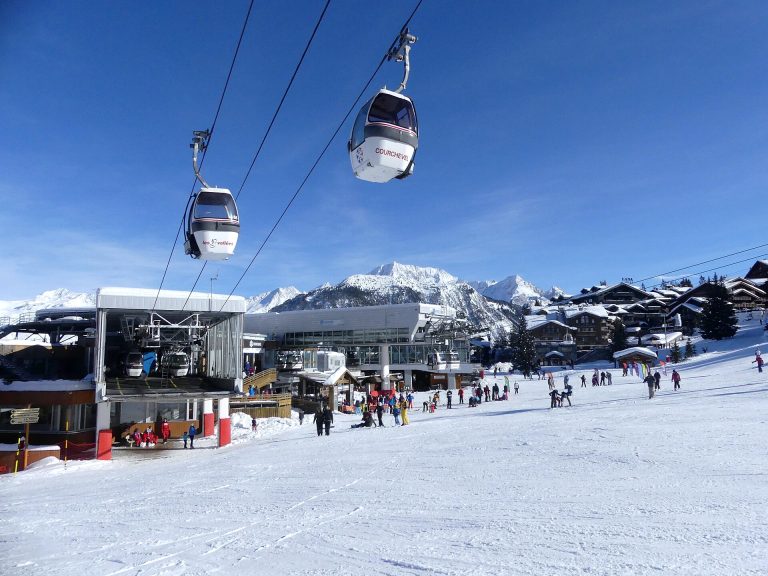
For skiers, March is often the best month of the season: the snow base is deep, the days are longer and lunch on a sunny terrace becomes part of the plan. Austria’s big high-altitude resorts run well beyond March. Ski Arlberg, the linked area of St Anton, St Christoph, Stuben, Lech and Zürs, with 301 km of pistes and a high point of 2,811 m on the Valluga, has published 2026/27 season dates of 2 December 2026 to 18 April 2027. Ischgl, with 239 km of slopes reaching 2,872 m, opens on 26 November 2026, and Austria’s national tourist board lists its season as running until 2 May 2027.
In March, ski early while the snow is firm and expect soft snow lower down in the afternoon. With Easter on 28 March 2027, the last week of the month will be busier as school holidays begin in parts of Europe. Our guide to winter for non-skiers has more snow-based ideas that do not need skis.
10. Switzerland: high-altitude snow in Zermatt
Switzerland’s highest resorts are the safest bet for good snow in late March. Zermatt’s lifts, which link with Breuil-Cervinia in Italy, reach 3,899 m, and the resort’s 2026/27 winter season is scheduled to run from 1 November 2026 to 3 May 2027. The Sunnegga-Rothorn sector is due to close on 11 April and the Gornergrat on 18 April, so March is well inside the main season. The Matterhorn views are usually clearest on cold, bright mornings.
Zermatt is car-free; you arrive by train from Visp or Brig, which connect with the Swiss main line network, so it works well without a hire car. Non-skiers can ride the Gornergrat railway or the cable cars to Matterhorn Glacier Paradise for high-mountain views. Book well ahead for Easter week.
11. Finland: Lapland’s snowy spring and the northern lights
Finnish Lapland in March offers a combination that is hard to find elsewhere: deep snow, much longer daylight than in midwinter and dark nights that are still good for the aurora. Normals for Rovaniemi (1991–2020) give an average March high of around -2°C and a low of around -9°C, colder than anywhere else on this list but often brighter and calmer than December and January. Husky safaris, snowshoeing, cross-country skiing and reindeer farms all operate through March.
The northern lights depend on solar activity and clear skies, so no month can guarantee them, but March’s mix of dark nights and generally drier weather gives you a realistic chance if you stay several nights and get away from town lights. Rovaniemi is reached by air or overnight train from Helsinki; Levi, Saariselkä and Inari, farther north, offer darker skies.
A suggested route: ten days of spring sunshine
Fly into Valencia for the last days of Las Fallas (17–19 March), staying until the cremà on the night of the 19th. Travel on to Seville by train or plane and spend four nights there over Palm Sunday weekend to see the early Holy Week processions. Finish with three nights in the Algarve, reached by bus or hire car from Seville, walking the cliffs around Lagos and eating grilled fish in Olhão before flying home from Faro. This route keeps you in the warmest part of mainland Europe while catching two very different festivals.
Practical tips
Pack for two seasons: even in the south, March nights can drop below 10°C, and rain showers are common across Europe. Check whether your trip overlaps Easter weekend (26–29 March 2027), when prices rise and some museums and shops change their hours or close on Good Friday and Easter Monday. For festivals, check road closures and transport changes on the official city or festival websites a few days before you arrive. Finally, remember that clocks in EU countries go forward one hour on the last Sunday of March, which in 2027 is Easter Sunday, 28 March.
Plan your trip
- Valencia: tickets and tours on Tiqets · activities on Klook
- Seville: tickets and tours on Tiqets · activities on Klook
- Malta: tickets and tours on Tiqets · activities on Klook
- Athens: tickets and tours on Tiqets · activities on Klook
- Dublin: tickets and tours on Tiqets · activities on Klook
- Arriving by plane: pre-book an airport transfer with Welcome Pickups
- Mobile data: get a travel eSIM from Airalo
Some of these are affiliate links: if you book through them we may earn a small commission, at no extra cost to you.
Frequently asked questions
Which European country is warmest in March?
Southern Spain and Cyprus are among the warmest choices. AEMET’s normals give Seville an average March high of 21.9°C, and Cyprus’s coastal stations average 18.5–20.0°C. The Algarve (18.9°C at Faro) and Malta (about 17°C) are slightly cooler but still mild. Sea temperatures across the Mediterranean remain cool in March, so plan on walking and sightseeing rather than long swims.
When is Easter 2027?
Easter Sunday is 28 March 2027, so Holy Week runs from Palm Sunday, 21 March, with Good Friday on 26 March and Easter Monday on 29 March. That puts major Holy Week processions in Seville, Malta and Rome inside March. Orthodox Easter, celebrated in Greece and Cyprus, falls later, on 2 May 2027.
Is March a good time for a trip to Europe?
Yes, if you choose the destination carefully. March brings lower prices and smaller crowds than late spring and summer, mild weather in the south, major festivals in Dublin, Valencia and Seville, and reliable spring snow at high altitude in the Alps. The north and centre of Europe can still be cold and wet, so pack layers whatever you plan.
What are the dates of Las Fallas in 2027?
The main days of Las Fallas in Valencia are 15 to 19 March. Hundreds of fallas sculptures stand in the streets, there are processions and fireworks throughout, and the festival ends with the cremà, when the sculptures are burned on the night of 19 March, St Joseph’s Day. Book accommodation well in advance, as the city fills up.
Can you still ski in Europe in March?
Yes, March is one of the best months for skiing in the Alps. High resorts have deep snow and long sunny days, and many run well into April. Ski Arlberg’s 2026/27 season runs until 18 April 2027, and Zermatt’s winter season is scheduled until 3 May 2027. Ski early in the day, while the snow is firmest.
Photos: keith ellwood, CC BY 2.0, via Wikimedia Commons; Benjamín Núñez González, CC BY-SA 4.0, via Wikimedia Commons; Hotolmo22, CC0 1.0, via Wikimedia Commons; Andrzej Barabasz (Chepry), CC BY-SA 4.0, via Wikimedia Commons; William Murphy, CC BY-SA 2.0, via Wikimedia Commons.
Planning a bigger trip? See our guide to the 25 best places to visit in Europe, from city breaks to fjords.