Updated
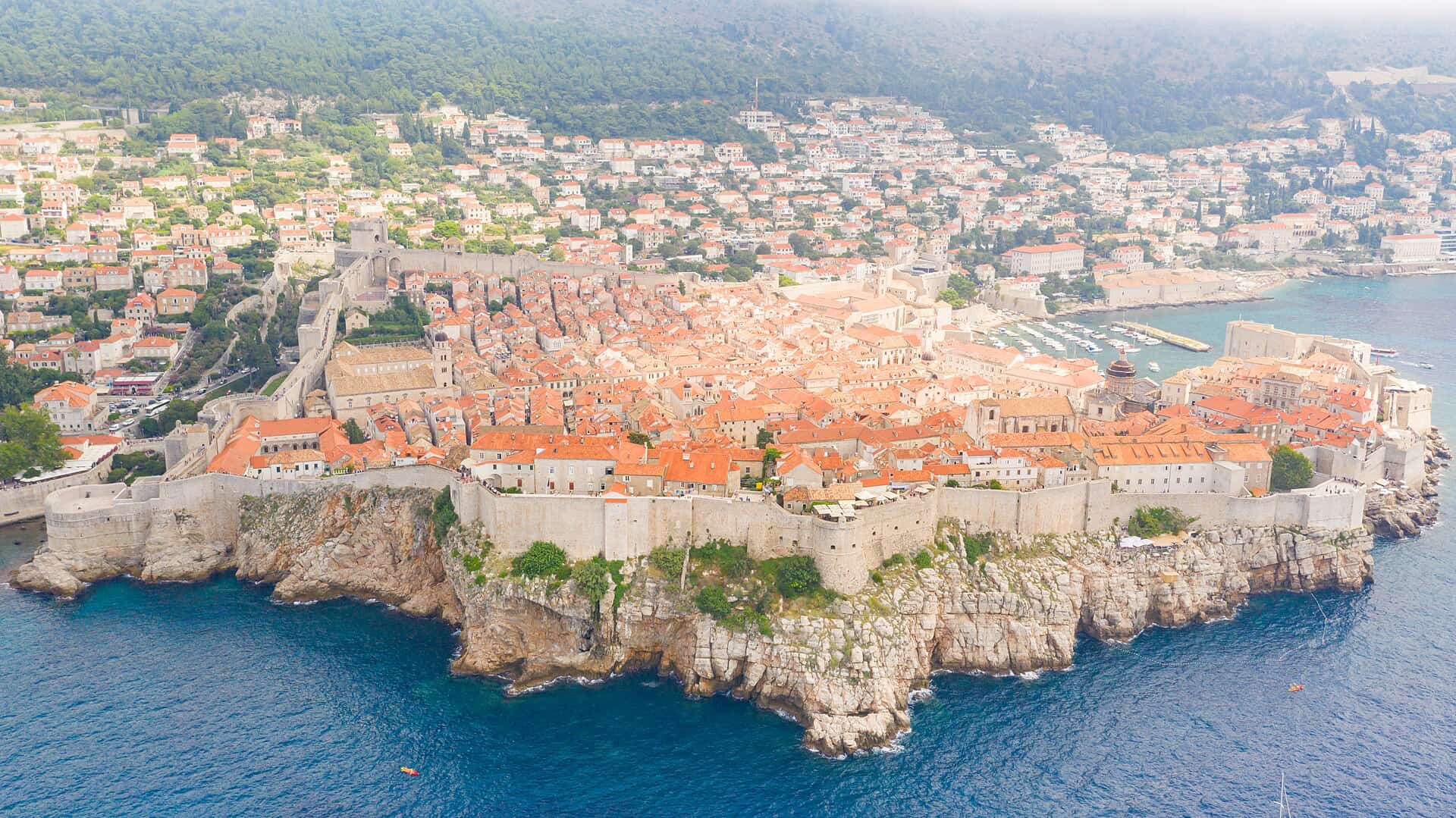
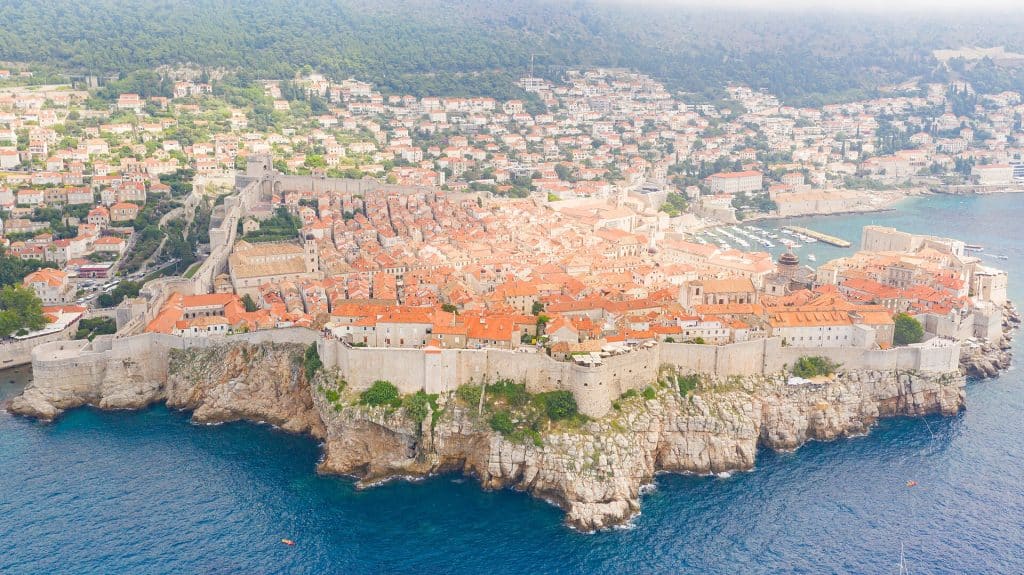
Dubrovnik’s Old Town is one of the most complete walled cities in Europe: a grid of pale limestone streets and terracotta roofs wrapped in an unbroken ring of medieval walls, on a rocky point above the Adriatic. For centuries it was the centre of the Republic of Ragusa, a wealthy maritime state that kept its independence until 1808, and the Old City was inscribed as a UNESCO World Heritage Site in 1979.
Its popularity is also its biggest challenge. In summer, cruise passengers, tour groups and fans of Game of Thrones can fill the main street shoulder to shoulder. Timing is everything here. This guide covers the main sights, a two-day route, the best day trips, where to stay and how to plan around the crowds.
Dubrovnik at a glance
- Best for: medieval architecture, the city walls, swimming and island trips.
- How long: two days for the city; three or four with Lokrum, the Elaphiti Islands or Ston.
- When to go: May, June, September and October; avoid midday in high summer.
- Getting there: Dubrovnik Airport at Čilipi is about 20 km south-east, linked by shuttle bus.
- Crowd tip: check the cruise calendar and walk the walls at opening time or late afternoon.
The city walls
Walking the walls is the essential Dubrovnik experience. The circuit runs for about 1,940 metres around the Old Town, rising to around 25 metres in places, with towers, bastions and constant views over the roofs on one side and the sea on the other. Most of what you see was built between the 13th and 17th centuries, when the republic strengthened its defences against attack.
Allow around two hours, with stops. The main entrance is just inside the Pile Gate, with others near the Ploče Gate and by the Fort of St John on the old harbour. The highest point is the round Minčeta Tower, on the landward side, completed in 1464. There is very little shade and many steps, so go at opening time or in the last two hours before closing, take water and a hat, and avoid the middle of the day in summer.
Fort Lovrijenac
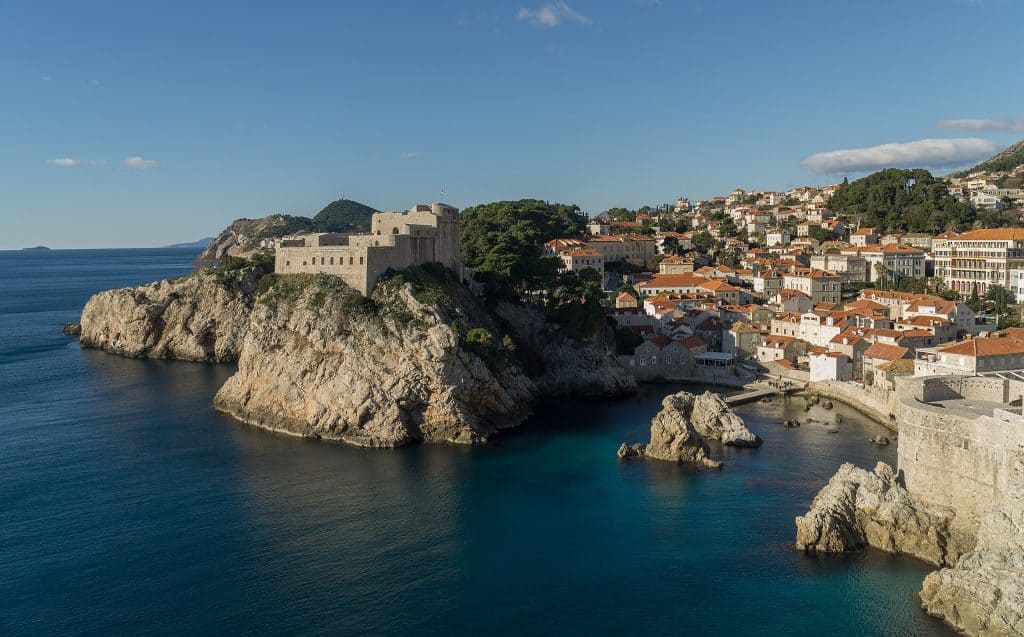
Just outside the walls to the west, Fort Lovrijenac stands on a sheer rock 37 metres above the sea, guarding the western approach to the city. It is worth the climb for the view back across the walls and the Old Town. In summer the fort is used as a stage during the Dubrovnik Summer Festival, and Game of Thrones fans will recognise it as the Red Keep. Entry has often been included in the city walls ticket; check what your ticket covers.
Stradun and the Pile Gate
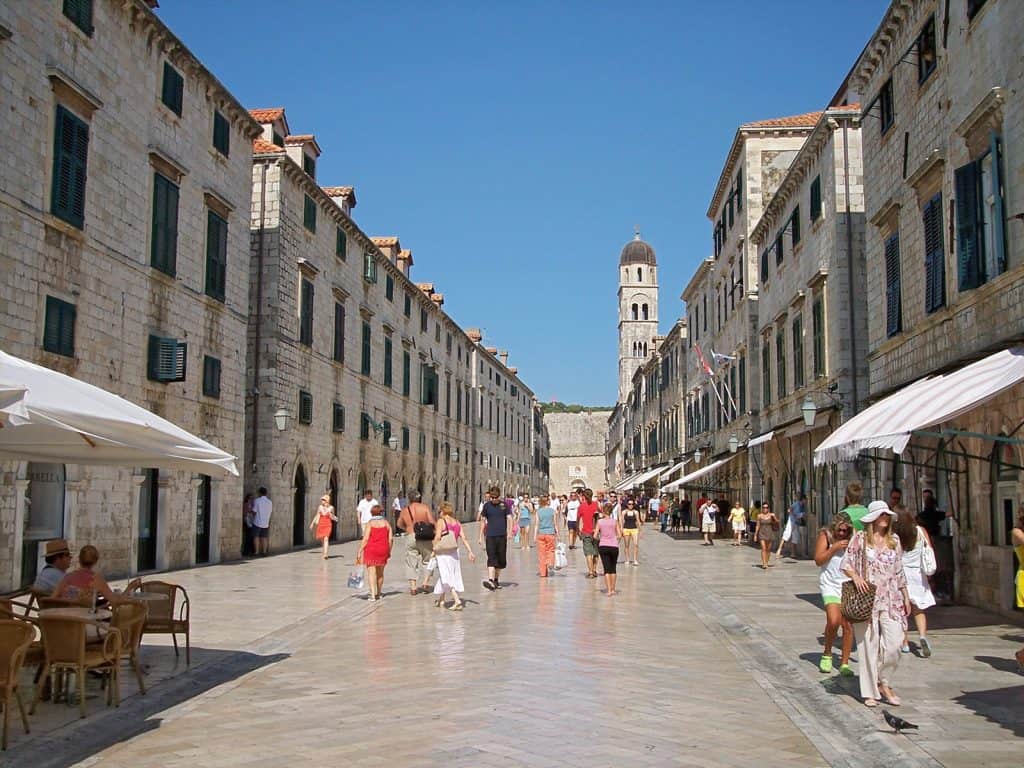
Most visitors enter through the Pile Gate, crossing a stone bridge under a statue of St Blaise, the city’s patron saint. Inside is Onofrio’s Great Fountain, a domed 15th-century fountain that once supplied the town with fresh water, and the start of Stradun, the wide main street polished to a shine by centuries of footsteps.
Stradun runs in a straight line to the Luža Square at the eastern end, with the Sponza Palace and its 16th-century loggia, the Church of St Blaise and the city bell tower. Much of the street was rebuilt after a devastating earthquake in 1667, which explains its uniform stone houses. The narrow side streets climbing towards the walls are much quieter and full of small restaurants.
Franciscan and Dominican monasteries
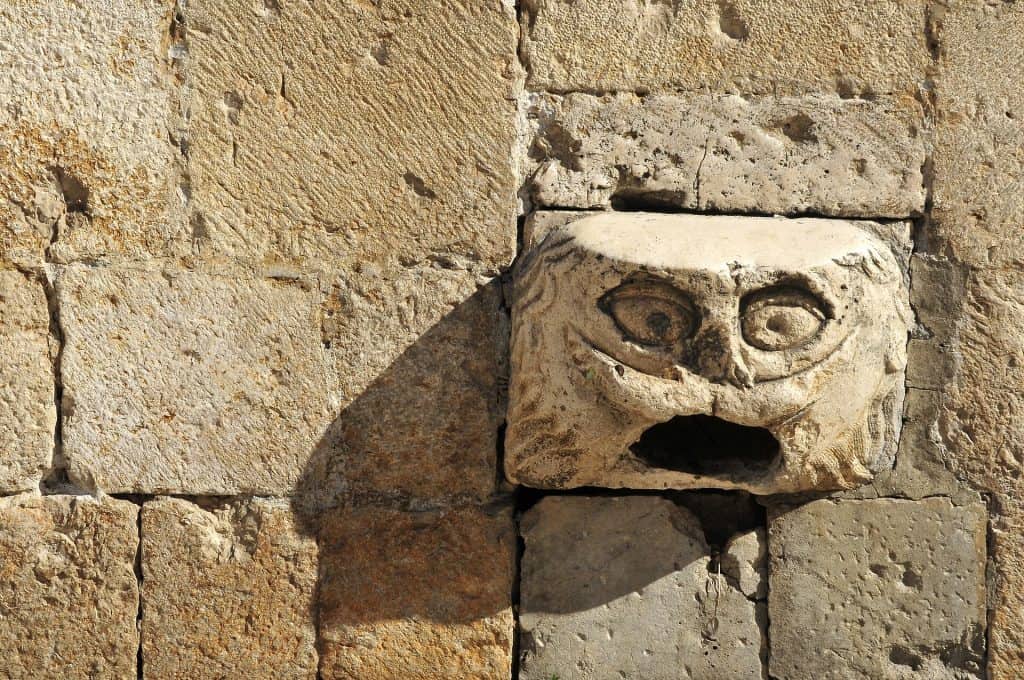
Just inside the Pile Gate, the Franciscan Monastery has a calm Romanesque cloister and a pharmacy founded in 1317, still working today and one of the oldest in Europe. At the opposite end of the Old Town, near the Ploče Gate, the Dominican Monastery has a Gothic cloister and a museum of religious art. Both are good places to slow down when the main street is busy.
The Rector’s Palace and the cathedral
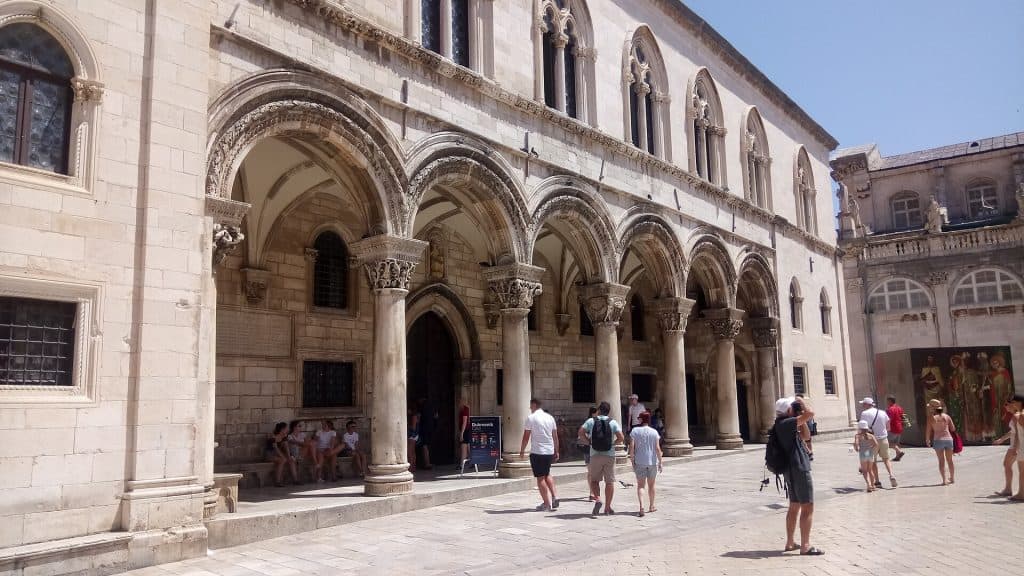
The Rector’s Palace was the seat of the republic’s government, where the elected rector lived during his short term of office. Its Gothic-Renaissance arcade with carved capitals is one of the finest pieces of architecture in the city, and the interior is now the Cultural History Museum. The Dubrovnik Pass covers the walls, the palace and several other museums along with local buses, and can be good value if you plan to see several sights.
Nearby, the baroque cathedral was rebuilt after the 1667 earthquake. From here, walk down to the old harbour, where small boats leave for Lokrum, Cavtat and the islands, and where the Fort of St John houses a maritime museum.
Mount Srđ and the cable car
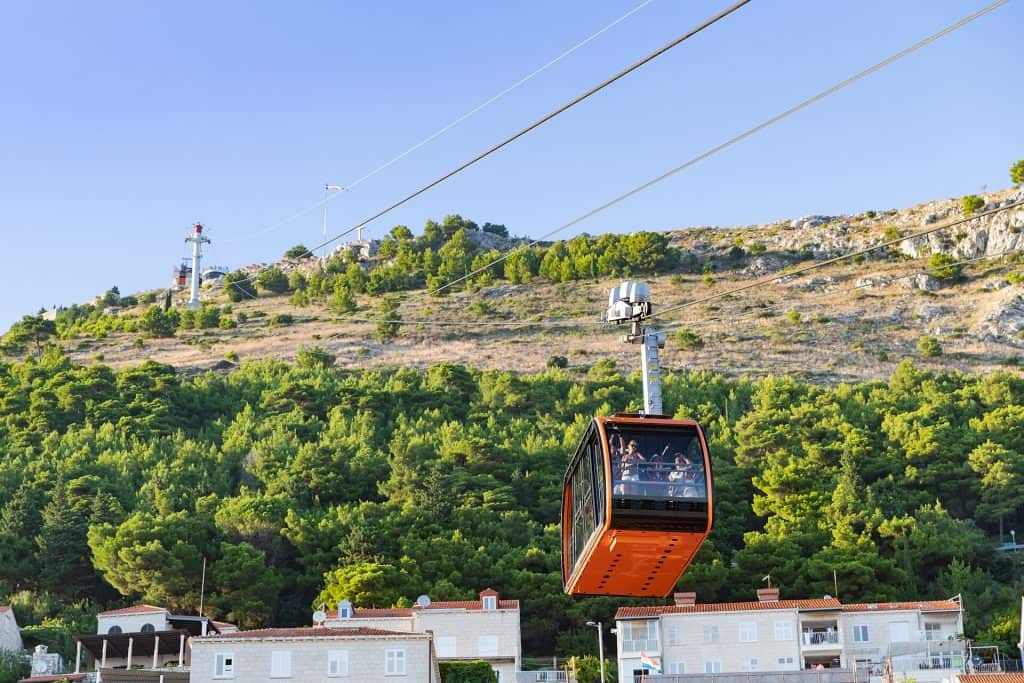
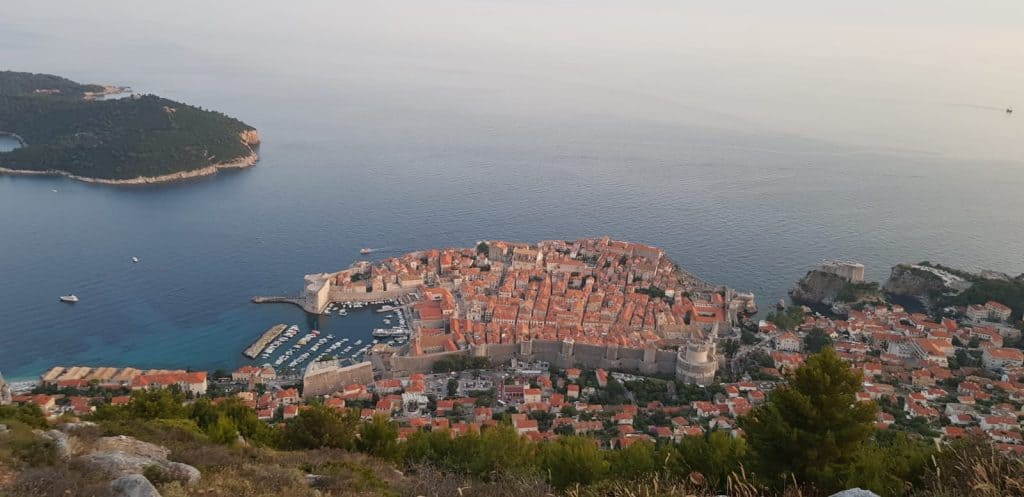
For the classic overhead view of the Old Town and the islands, ride the cable car from just above the walls to the top of Mount Srđ. It first opened in 1969 and reopened in 2010 after a long closure. The ride takes a few minutes. Sunset is the busiest and most beautiful time, and the views stretch along the coast on a clear day. Fit walkers can hike up or down the zigzag path instead, but there is little shade.
Lokrum and the beaches
Lokrum, a wooded island about 600 metres offshore, is the easiest escape from the summer crowds. Boats leave the old harbour regularly in season, and the crossing takes around 15 minutes. The island is a nature reserve with a ruined Benedictine monastery, a botanical garden, peacocks, a small salt lake known as the Dead Sea and the hilltop Fort Royal, with views back to the city. There are rocky swimming spots all round, and no overnight stays, so check the time of the last boat.
On the mainland, Banje beach is just east of the Ploče Gate, with views of the walls. For something quieter, swim from the rocks below the walls, or head to the bays on the Lapad peninsula.
A two-day route
Day one: the Old Town
- Early morning: walk the walls at opening time, starting at the Pile Gate.
- Late morning: the Franciscan Monastery, then down Stradun to Luža Square.
- Afternoon: the Rector’s Palace and cathedral, then a swim below the walls.
- Evening: cable car up Mount Srđ for sunset, then dinner in the side streets.
Day two: islands and forts
- Morning: Fort Lovrijenac, before the heat.
- Midday: boat to Lokrum for swimming, the gardens and lunch.
- Evening: back to the Old Town after the cruise passengers have left.
Day trips from Dubrovnik
- Cavtat: a relaxed seaside town to the south-east, reached by boat from the old harbour or by bus.
- Elaphiti Islands: Koločep, Lopud and Šipan, car-free or nearly so, with ferries from Gruž port and organised boat trips.
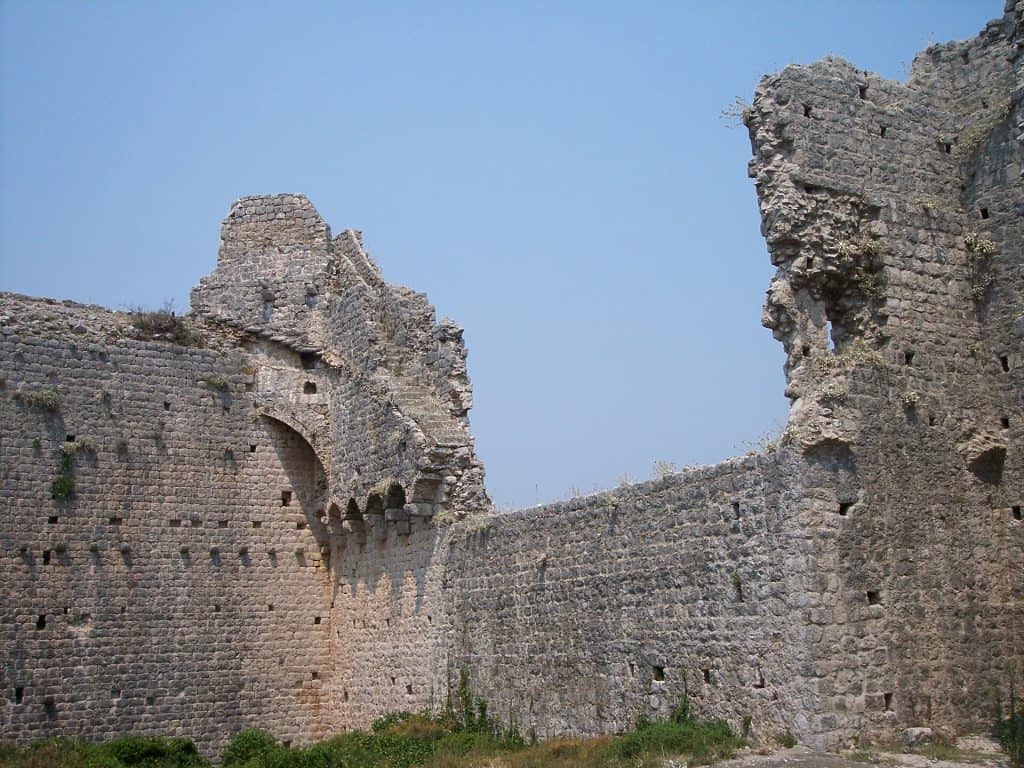
- Ston: the town at the start of the Pelješac peninsula is known for its walls, begun in 1358 and running about 5.5 km to Mali Ston, its salt pans and its oysters.
- Mljet: an island with a national park of forest and saltwater lakes, reached by catamaran.
- Kotor and Mostar: popular longer day trips into Montenegro and Bosnia and Herzegovina. Both involve border crossings, so carry your passport and allow for queues.
Where to stay
Staying inside the walls puts you in the heart of the Old Town, but rooms are small, there are many steps and there are no cars. Ploče, just east of the walls, has sea views and a short walk into town, and Pile, just west, is handy for the main gate and buses. Lapad and Babin Kuk, on the peninsula to the west, have larger hotels, beaches and better value, with frequent buses to the Pile Gate. Gruž, by the ferry port, suits early island departures.
Getting there and around
Dubrovnik Airport is at Čilipi, about 20 km south-east of the city. An airport shuttle bus runs to the Pile Gate and the main bus station, timed to meet flights, and taxis and transfers are also available. Buses link Dubrovnik with Split and other Croatian cities; since the Pelješac Bridge opened in 2022, the coastal route north no longer has to pass through the Neum corridor. Ferries and catamarans run from Gruž to the islands.
The Old Town is pedestrian only. City buses run by Libertas connect Gruž, Lapad and Babin Kuk with the Pile Gate. Driving and parking near the Old Town are difficult and expensive, so a car is only worth having for day trips.
When to go and crowd tips
- Shoulder seasons: May, June, September and October offer warm sea and fewer people.
- July and August: hot and crowded, with the Dubrovnik Summer Festival bringing theatre and music to the forts and squares.
- Cruise ships: ships dock at Gruž and passengers arrive in the Old Town in waves from mid-morning. The city caps daily cruise visitor numbers and staggers arrival times, but on busy days Stradun is packed until mid-afternoon. Check the port’s cruise schedule online and plan the walls and Stradun for early morning or evening.
- Old Town rules: the city’s Respect the City campaign asks visitors to cover up rather than walk around in swimwear or bare-chested away from the beaches, and the city has moved to curb the noise of rolling suitcases on the stone streets. If you are staying inside the walls, ask your host about luggage arrangements before you arrive.
- Winter: quiet and mild, with the Feast of St Blaise on 3 February, though some restaurants and boat services pause.
Plan your trip to Dubrovnik
- Tickets and tours in Dubrovnik: tickets and tours on Tiqets · activities on Klook
- Arriving by plane: pre-book an airport transfer with Welcome Pickups
- Road trip: compare car hire on Localrent
- Mobile data: get a travel eSIM from Airalo
Some of these are affiliate links: if you book through them we may earn a small commission, at no extra cost to you.
Planning a bigger trip? See our guide to the 25 best places to visit in Europe, from city breaks to fjords.
Keep exploring
- Best Cities in Croatia: A City-by-City Guide and Where to Stay
- Croatia’s Quietest Islands: 8 Secluded Escapes and How to Reach Them
- Five Hidden Gems in Croatia’s Quiet Interior
Frequently asked questions
How many days do you need in Dubrovnik?
Two days cover the walls, Old Town, Lokrum and the cable car. Add a day or two for the Elaphiti Islands, Cavtat, Ston or Mljet.
When is the best time to walk Dubrovnik’s walls?
At opening time or in the late afternoon. Midday in summer is hot, exposed and crowded, especially on days with several cruise ships in port.
Is Dubrovnik worth visiting outside summer?
Yes. Spring and autumn are often the best times, with comfortable weather and far fewer people. Even in winter the walls and Old Town are open, and the city feels much more local.
Photos: dronepicr, CC BY 2.0, via Wikimedia Commons; Sumitsurai, CC BY-SA 4.0, via Wikimedia Commons; László Szalai (Beyond silence), Public domain, via Wikimedia Commons; LBM1948, CC BY-SA 4.0, via Wikimedia Commons; Thierry Chevallier, CC BY-SA 4.0, via Wikimedia Commons; Jeegfullcrum, CC BY 4.0, via Wikimedia Commons.