Updated · Facts and prices checked against official sources
Europe has a cluster of countries small enough to cross in an afternoon, and most of them sit right beside a busy city with an airport and good trains. That makes them easy to add to a holiday as a day out: base yourself in Rome, Nice, Rimini or Zurich and the neighbouring microstate is a short train or bus ride away. A couple are harder than they look, though, and one is not really a day trip at all.
This guide takes each in turn and focuses on the practical side: which base works best, how you get there, how much of the day the journey eats, and what to prioritise once you arrive. They are listed roughly from easiest to hardest. For full sightseeing detail on any one of them, a dedicated destination guide will serve you better.
Europe’s smallest countries at a glance
- Easiest: Vatican City from Rome and Monaco from Nice, both reachable in well under an hour.
- Straightforward by bus: San Marino from Rimini and Liechtenstein from Sargans or Buchs in eastern Switzerland.
- Long but doable: Luxembourg City from Trier or Metz, and Andorra from Barcelona or Toulouse if you accept six hours or more in transit.
- Not a day trip: Malta, an island state that deserves several nights.
- Documents: carry your passport or national ID card for all of them, even where nobody checks.
- Currency: the euro everywhere except Liechtenstein, which uses the Swiss franc.
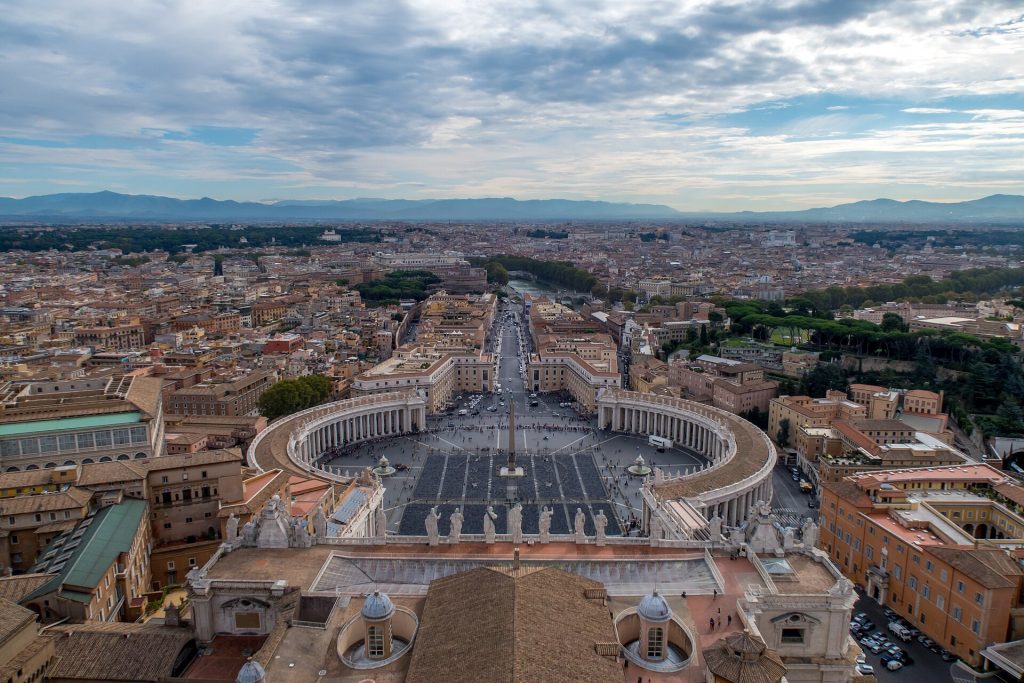
1. Vatican City from Rome
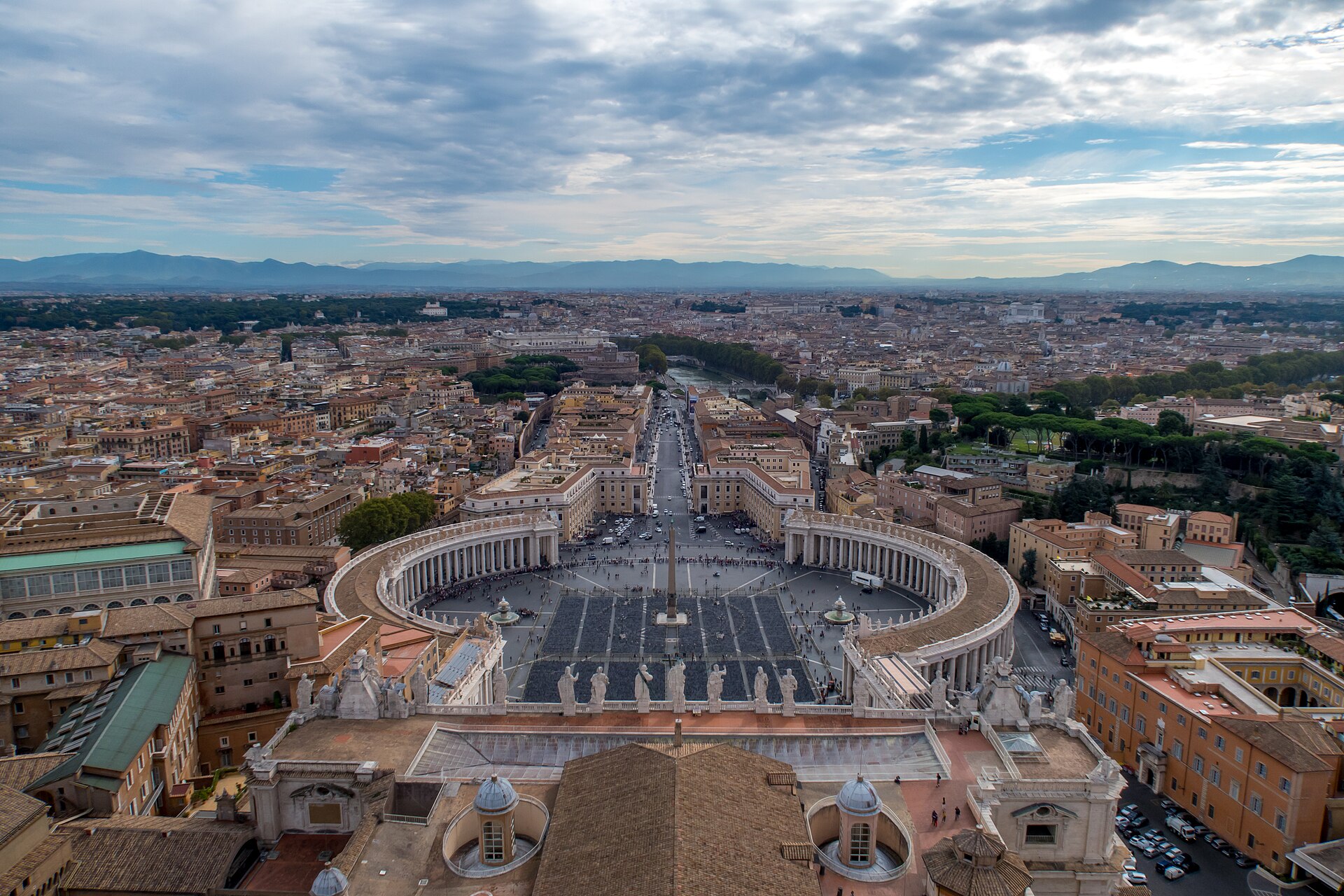
The world’s smallest independent state covers roughly half a square kilometre and lies inside Rome, so it is less a day trip than a long morning. Metro line A to Ottaviano leaves you about ten minutes on foot from both the Vatican Museums entrance and St Peter’s Square. There is no border check: you simply walk in across the white line at the edge of the piazza.
The real question is how to split the day. The Vatican Museums, which end in the Sistine Chapel, need three hours at the very least and should be booked online for a timed slot. St Peter’s Basilica is free to enter but has a security queue that is shortest early in the morning. If you have energy left, climb the dome: a lift covers part of the way, but several hundred steps remain, some in narrow, sloping passages.
- Dress code: shoulders and knees covered for the basilica and museums.
- Closures: the museums close on most Sundays, opening free on the last Sunday of the month, when queues are long. Check the official calendar.
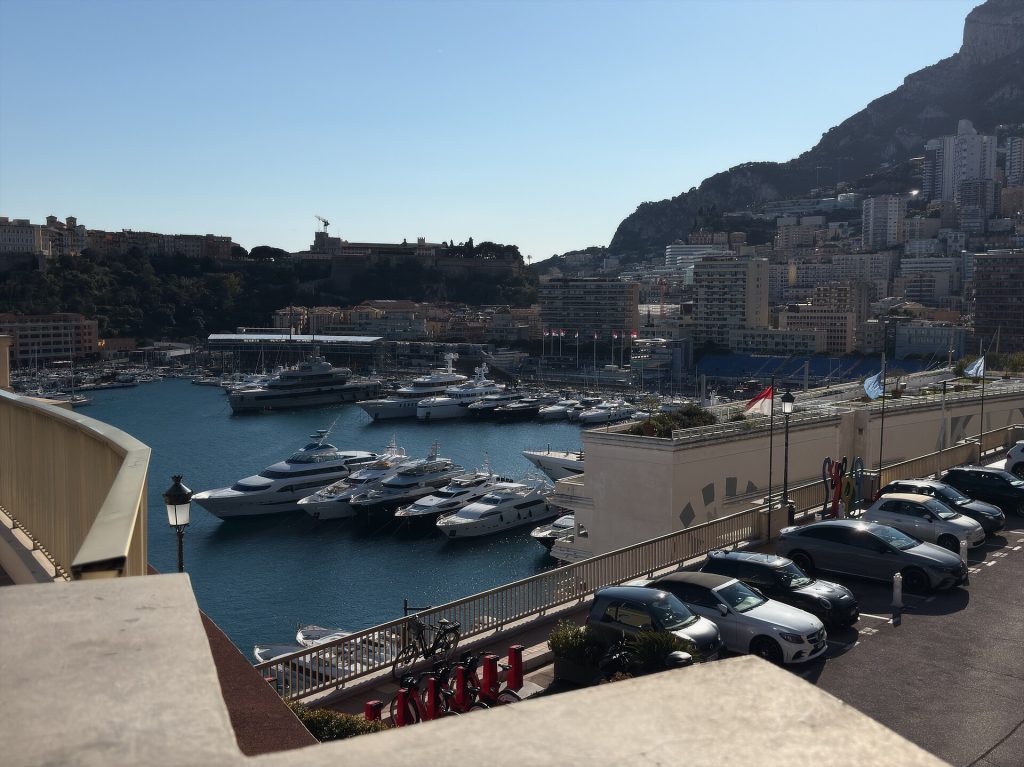
2. Monaco from Nice
Monaco is the second-smallest country in the world, around two square kilometres pressed between the mountains and the sea. Regional TER trains from Nice-Ville reach Monaco-Monte-Carlo station in roughly 20 to 25 minutes and run frequently through the day, which makes this the most relaxed microstate trip in Europe. Coastal buses along the lower corniche road are cheaper but slower in traffic.
The station is built deep into the hillside, with long tunnels and lifts out to different districts, so note which exit you need. A sensible one-day loop starts on the Rock, Monaco-Ville, for the Prince’s Palace, the cathedral and the Oceanographic Museum on its cliff. Walk down past Port Hercule to Monte-Carlo for the casino square and the gardens, then take the train back from the same station.
If you want to see the changing of the guard at the palace, it takes place in the late morning; check current times.
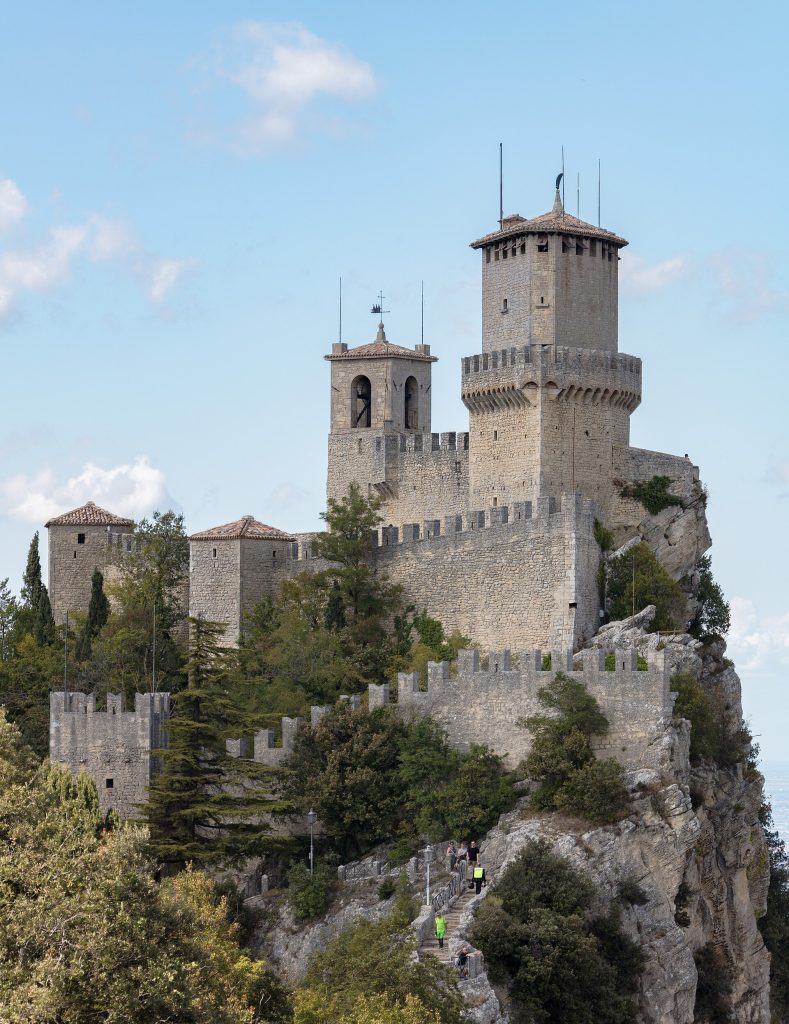
3. San Marino from Rimini
San Marino covers about 61 square kilometres of hills inland from the Adriatic, and its walled capital sits on the ridge of Monte Titano. The historic centre and Mount Titano were added to the UNESCO World Heritage List in 2008. There is no railway. The bus from outside Rimini station takes around 50 minutes and stops just below the old town gates; buy a return and check the time of the last bus down.
Arrive in the morning and you can see the essentials without rushing. Walk the ridge path between the first two towers, Guaita and Cesta, for views to the coast and across the Apennines, then visit Piazza della Libertà and the Palazzo Pubblico. A cable car connects the old town with Borgo Maggiore below, worth riding for the view.
There is no passport control, but the state tourist office in the old town sells a souvenir passport stamp. Bologna and Ravenna also work as bases, though the trip is longer: you need a train to Rimini first, so allow an extra hour or more each way.
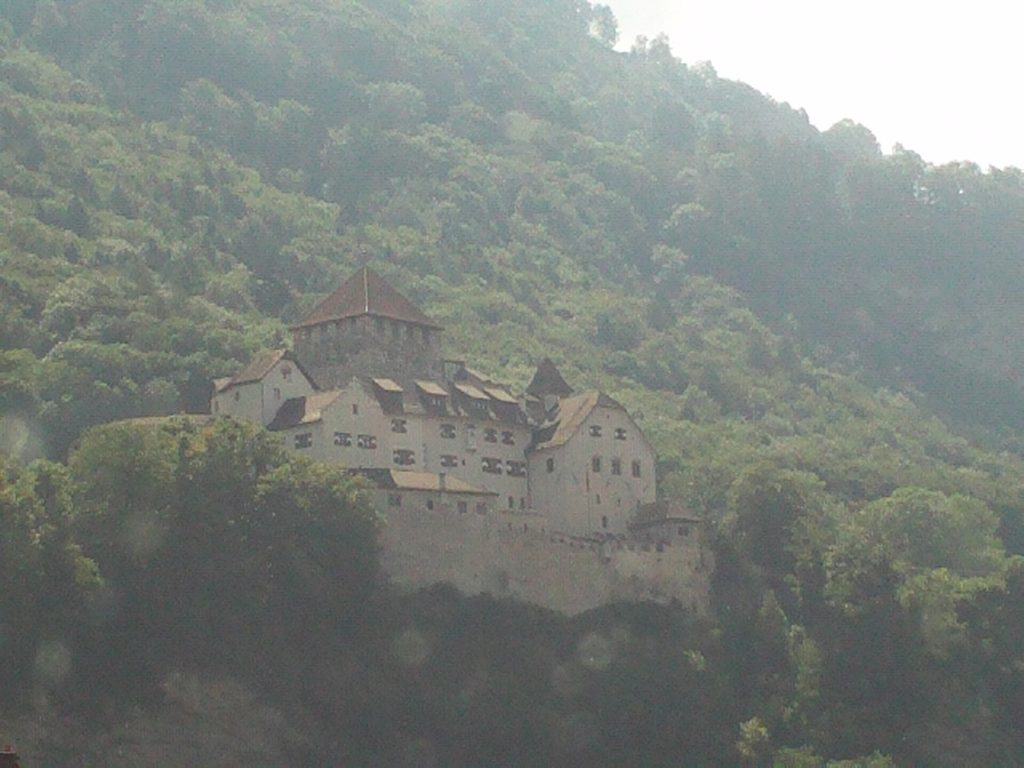
4. Liechtenstein from Zurich
Liechtenstein has no railway station in its capital, which surprises many visitors. The usual route from Zurich is a train to Sargans, roughly an hour, then a LIEmobil bus to Vaduz, which takes around half an hour. An alternative is the train to Buchs on the Swiss side of the Rhine, with a shorter bus hop across. The whole trip comes to about an hour and a half each way, so an early start leaves plenty of time.
Vaduz itself is compact. Walk the main pedestrian street for the Kunstmuseum and its black cube of a building, the parliament quarter and the Postage Stamp Museum, then follow the footpath up to Vaduz Castle. The castle is the prince’s residence and is closed inside, but the walk gives good views over the Rhine valley to the Swiss Alps.
With half a day to spare, take the bus up the mountain road through Triesenberg to Malbun, a small resort with summer walking and winter skiing. The main tourist office in Vaduz sells a souvenir passport stamp. The currency is the Swiss franc, and euros are often accepted at less generous rates.
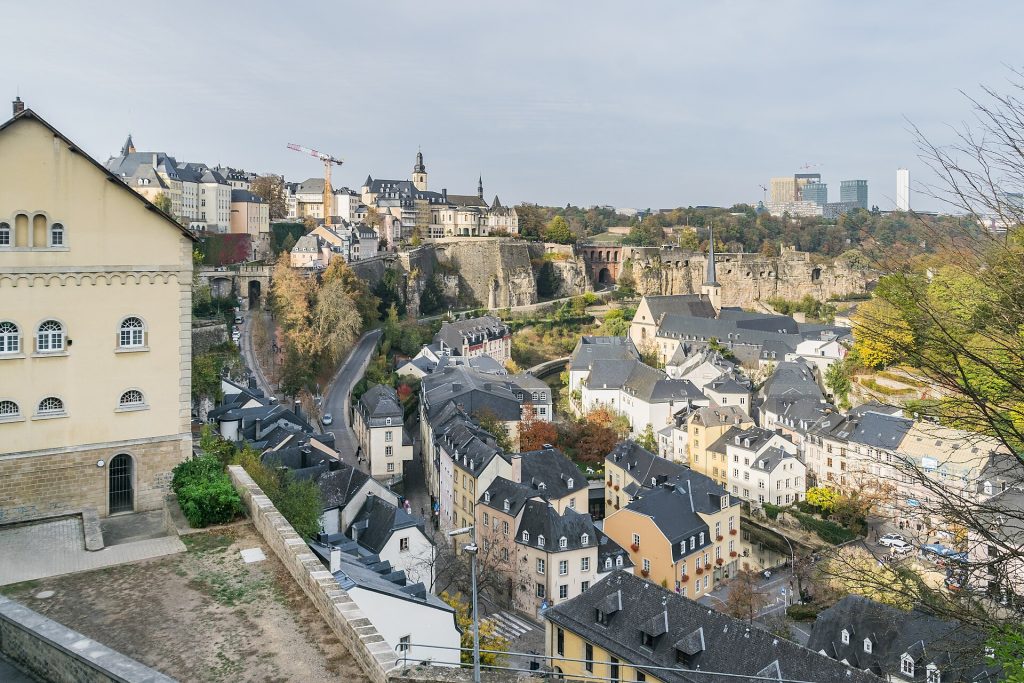
5. Luxembourg City from Trier or Metz
Luxembourg is much larger than the others, around 2,600 square kilometres, so a single day really means the capital. That still makes a good trip. Regional trains from Trier in Germany and Metz in France take about 50 minutes, and the journey from Brussels is around three hours, which is a long return day. Public transport inside Luxembourg is free for everyone on buses, trams and second-class trains; only first class is paid.
The old quarters and fortifications have been a UNESCO World Heritage Site since 1994. Start on the Chemin de la Corniche, a ramparts walk with views down into the Grund, then visit the Bock Casemates, tunnels cut into the rock beneath the old town. Drop into the Grund for lunch beside the Alzette, and come back up by the public lift from the Grund to the upper town. The Grand Ducal Palace is in the centre, a short walk from the cathedral.
If you are staying in the city itself, Vianden and its restored castle in the north make a separate day trip, with a train and bus connection via Ettelbruck.
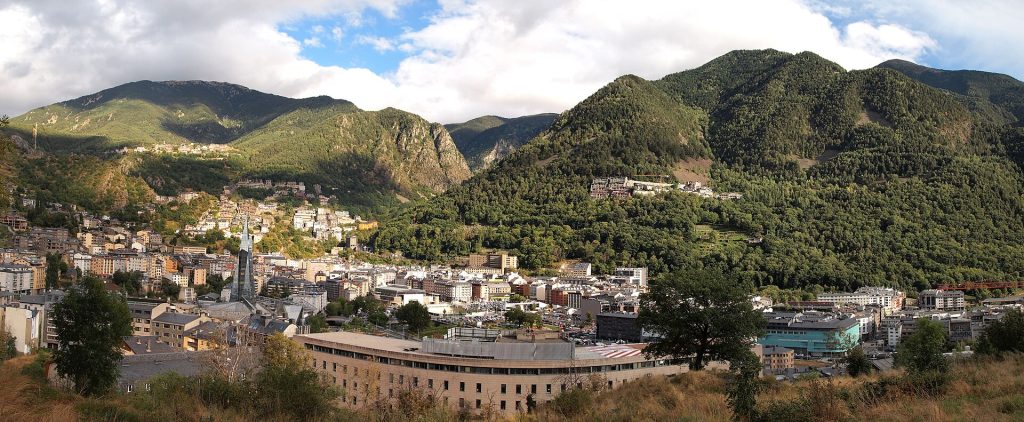
6. Andorra from Barcelona or Toulouse
Andorra is the one where honesty matters. It has no airport and no railway, so everything arrives by road through Pyrenean valleys. Direct coaches from Barcelona take about three to three and a half hours each way. From Toulouse, you can ride the train to Andorre-L’Hospitalet on the French side and finish by bus, or take a direct coach; either way, plan on around three hours. A day trip therefore means six or seven hours in transit for a few hours on the ground.
It can be done, especially if your main aim is to say you have been. Andorra la Vella, at roughly 1,023 metres, is the highest capital in Europe. Its small Barri Antic holds the Casa de la Vall, the old parliament house, and the long shopping streets run straight into neighbouring Escaldes-Engordany, home of the Caldea spa complex. Romanesque churches with stone bell towers dot the valleys, though most need a car or a taxi.
Most visitors are better off staying at least one night. Andorra is outside the EU customs territory, so the tax-free shopping it is known for comes with limits on tobacco, alcohol and other goods when you return to Spain or France, and customs checks on the way out are common. Carry your passport.
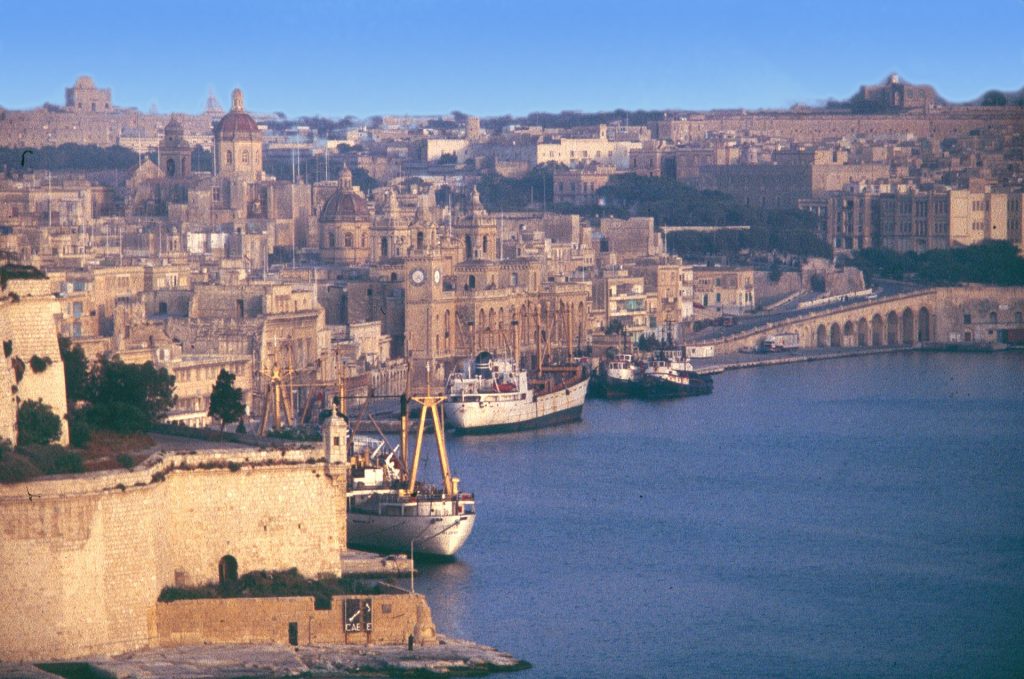
7. Malta: an honest note
Malta often appears on lists of Europe’s smallest countries, and at about 316 square kilometres it qualifies. As a day trip it rarely works. It is an archipelago south of Sicily, and the only practical sea link is the fast ferry from Pozzallo to Valletta, about 1 hour 45 minutes each way. Organised day excursions from Sicily do run in season, but a few hours in Valletta barely scratches a country that also includes Mdina, the prehistoric temples and the island of Gozo.
Treat Malta as its own trip of four or five nights. Valletta, a UNESCO World Heritage Site since 1980, is small enough to see in a day, and buses and ferries cover the rest.
Planning tips for microstate day trips
- Start early: the bus-dependent trips, San Marino, Liechtenstein and Andorra, run fewer services in the evening. Check the last return before you set off.
- Book the big tickets: the Vatican Museums need advance booking in every season, and the Monaco palace and museums get busy on cruise ship days.
- Combine two: Liechtenstein pairs well with a night in Feldkirch or Lake Constance, and Monaco with Menton or Èze on the same coast.
- Weather: San Marino, Liechtenstein’s upper villages and Andorra are all in the hills or mountains. Expect cooler air than on the coast and snow in winter.
- Passport stamps: San Marino and Liechtenstein sell souvenir stamps at their tourist offices. They are novelty marks, so some travellers ask for them in a separate booklet.
Plan your trip
- Vatican: tickets and tours on Tiqets · activities on Klook
- Monaco: tickets and tours on Tiqets · activities on Klook
- San Marino: tickets and tours on Tiqets · activities on Klook
- Arriving by plane: pre-book an airport transfer with Welcome Pickups
- Road trip: compare car hire on Localrent
- Mobile data: get a travel eSIM from Airalo
Some of these are affiliate links: if you book through them we may earn a small commission, at no extra cost to you.
Planning a bigger trip? See our guide to the 25 best places to visit in Europe, from city breaks to fjords.
Keep exploring
- Atrani, Italy: A Guide to the Amalfi Coast’s Smallest Town
- Europe’s Oldest Easter Traditions: 9 Village Customs Worth the Trip
- Europe’s Least-Visited Countries and Regions: Where to Go
Frequently asked questions
Which European country can you visit most easily in a day?
Vatican City, because it sits inside Rome and you can walk in. Monaco is a close second, with frequent trains from Nice taking around 20 to 25 minutes.
Do you need a passport for San Marino, Monaco or Liechtenstein?
There are no routine border checks, but you should carry a passport or national ID card as you would anywhere in the Schengen Area. Andorra is different: it sits outside the EU customs territory and controls are common on the way out.
Can you visit Andorra in a day from Barcelona?
Yes, by coach, but the round trip takes six to seven hours on the road. You get a few hours in Andorra la Vella. An overnight stay makes far better use of the journey.
Photos: Alexandru Pisarenco, CC BY-SA 4.0, via Wikimedia Commons; Mike is Michi, CC BY-SA 4.0, via Wikimedia Commons; Diego Delso, CC BY-SA 4.0, via Wikimedia Commons; (WT-shared) Ypsilonatshared at wts wikivoyage, Public domain, via Wikimedia Commons; Krzysztof Golik, CC BY-SA 4.0, via Wikimedia Commons; Tiia Monto, CC BY-SA 3.0, via Wikimedia Commons; Gerd Eichmann, CC BY-SA 4.0, via Wikimedia Commons.