Updated
France and Spain each receive tens of millions of international visitors a year. At the other end of the scale, a handful of European countries count their tourists in the hundreds of thousands, and even in the busiest countries there are whole regions that most travellers never reach. These are the places to go if you want quiet roads, local prices and sights you can enjoy without queueing.
This guide covers three of Europe’s least-visited countries and four of its least-visited regions, with what is actually worth seeing in each. Rankings depend on how arrivals are counted, so treat the figures as indicative. Places affected by conflict or contested status have been left out.
- Best for: independent travellers who prefer empty trails and small towns to big-name sights.
- Least-visited countries covered: Liechtenstein, Moldova and North Macedonia.
- Quiet regions in busier countries: Molise (Italy), Extremadura (Spain), Latgale (Latvia) and Zagori (Greece).
- When to go: May to June and September to early October for most of them.
- Before you go: Moldova and North Macedonia are outside the EU, so check entry rules, currency and your government’s current travel advice.
1. Liechtenstein
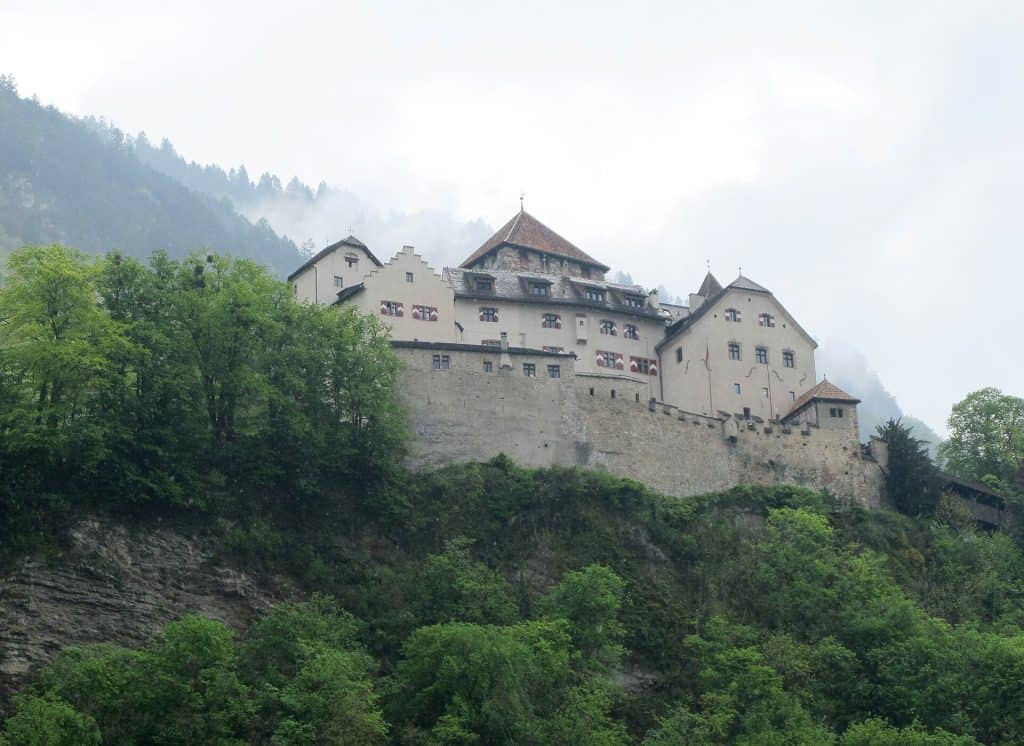
Often ranked the least-visited country in Europe by overnight stays, Liechtenstein suffers from being easy to pass through. Many visitors stop for an hour in Vaduz on a coach tour and leave. Stay a night or two and the principality opens up: wooded hillsides, vineyards and Alpine valleys in a country only about 25 km long, wedged between Switzerland and Austria.
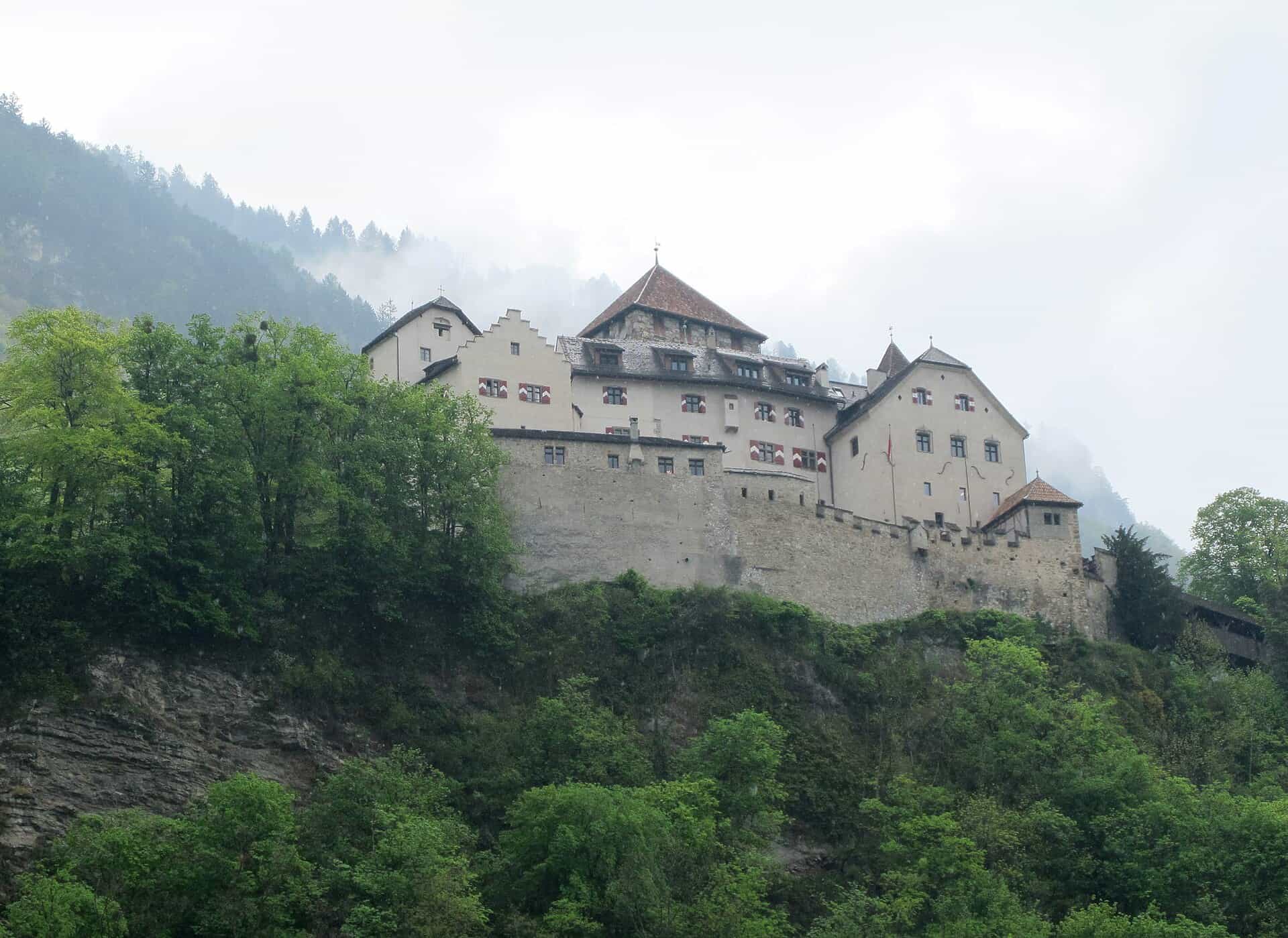
In Vaduz, the Kunstmuseum Liechtenstein, a black cube of a modern art museum, and the Liechtenstein National Museum are both worth an hour. Vaduz Castle is the residence of the princely family and is not open to the public, but the walk up the hillside gives fine views of the Rhine valley. The Prince’s own winery sits at the edge of town. For hikers, the Liechtenstein Trail, created for the principality’s 300th anniversary in 2019, runs for about 75 km through all 11 municipalities and can be walked in two to four days depending on fitness. Malbun, high above the valley, has small ski slopes in winter and walking trails in summer.
There is no airport. Most people fly to Zurich and take a train to Sargans or Buchs in Switzerland, then a short bus ride to Vaduz.
2. Moldova
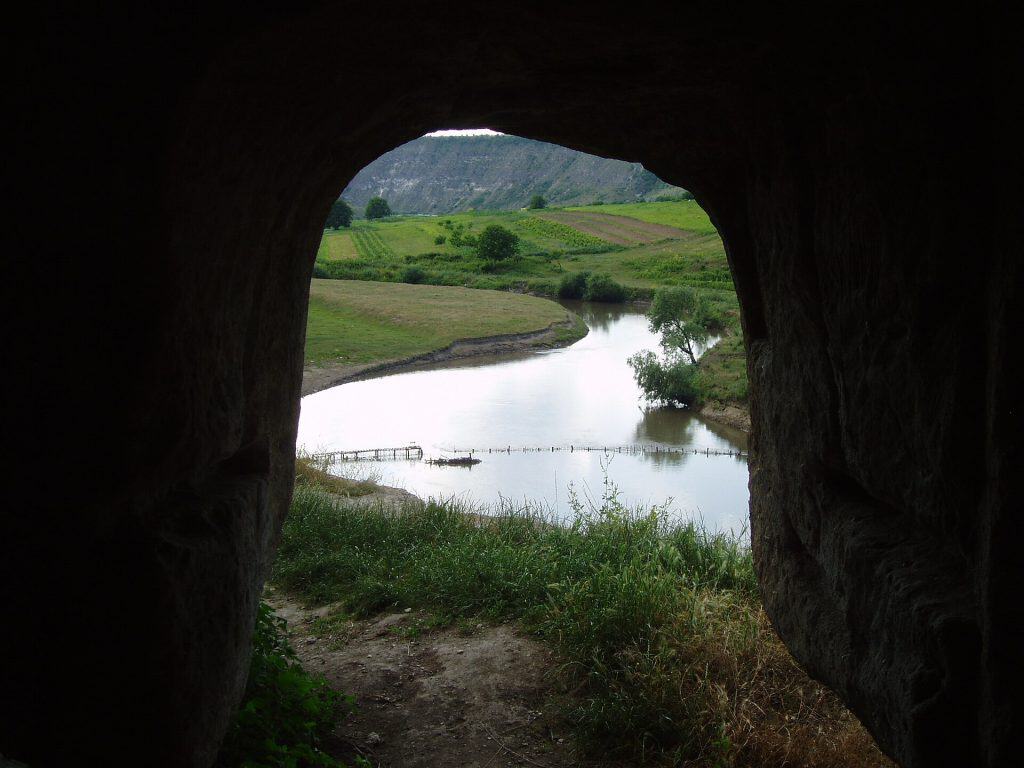
Moldova is among the least-visited countries in Europe, and its main draw is wine. The country’s two famous underground cellars lie just outside Chișinău. Cricova has galleries stretching well over 100 km, toured by car or small train, and Mileștii Mici was registered by Guinness World Records in 2005 as holding the world’s largest wine collection, with close to two million bottles today. Book tastings ahead.
The finest landscape is at Orheiul Vechi, about an hour north of Chișinău, where a monastery is carved into a limestone cliff above a looping bend of the Răut river. Further north, the round stone fortress of Soroca stands on the bank of the Dniester. Chișinău itself is a leafy, low-key capital with large parks and good, inexpensive restaurants. Outside the capital, English is less widely spoken, and a driver or local guide makes rural trips much easier.
3. North Macedonia
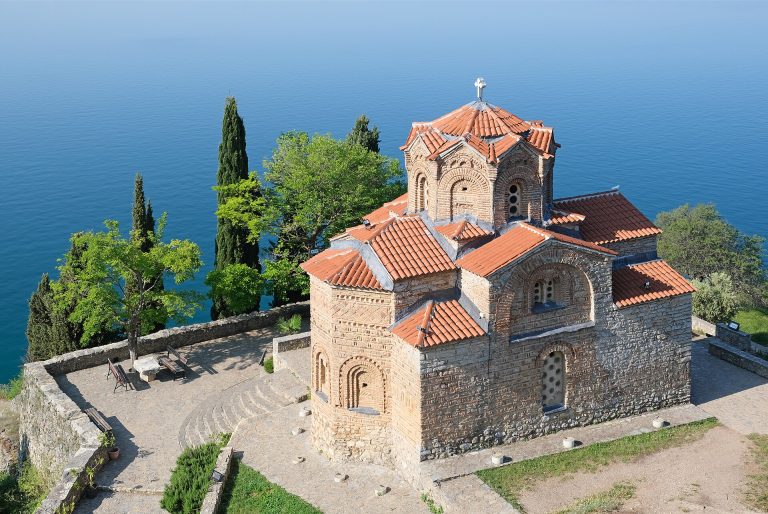
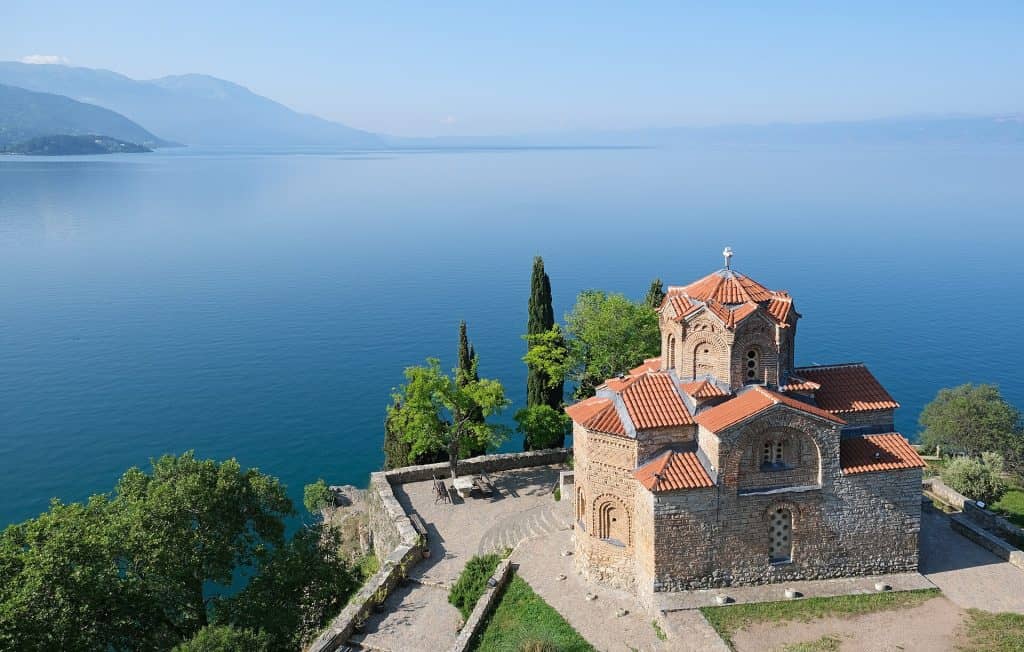
North Macedonia receives far fewer visitors than its neighbours on the Adriatic and Aegean. Its centrepiece is Lake Ohrid, one of the oldest lakes in Europe, listed by UNESCO for both its natural and cultural value. The old town of Ohrid climbs a hill above the water, crowned by Samuel’s Fortress, and the small Church of St John at Kaneo perches on a cliff just above the shore. At the southern end of the lake, the Monastery of St Naum sits beside springs that feed the lake.
Skopje, the capital, has an Ottoman-era Old Bazaar and the medieval Stone Bridge over the Vardar. Matka Canyon, about half an hour from the city, offers kayaking and boat trips to Vrelo Cave. Near Bitola in the south, the ruins of the ancient city of Heraclea Lyncestis have fine floor mosaics, and Pelister and Mavrovo national parks are both good for walking. Ohrid and Skopje each have an international airport.
4. Molise, Italy
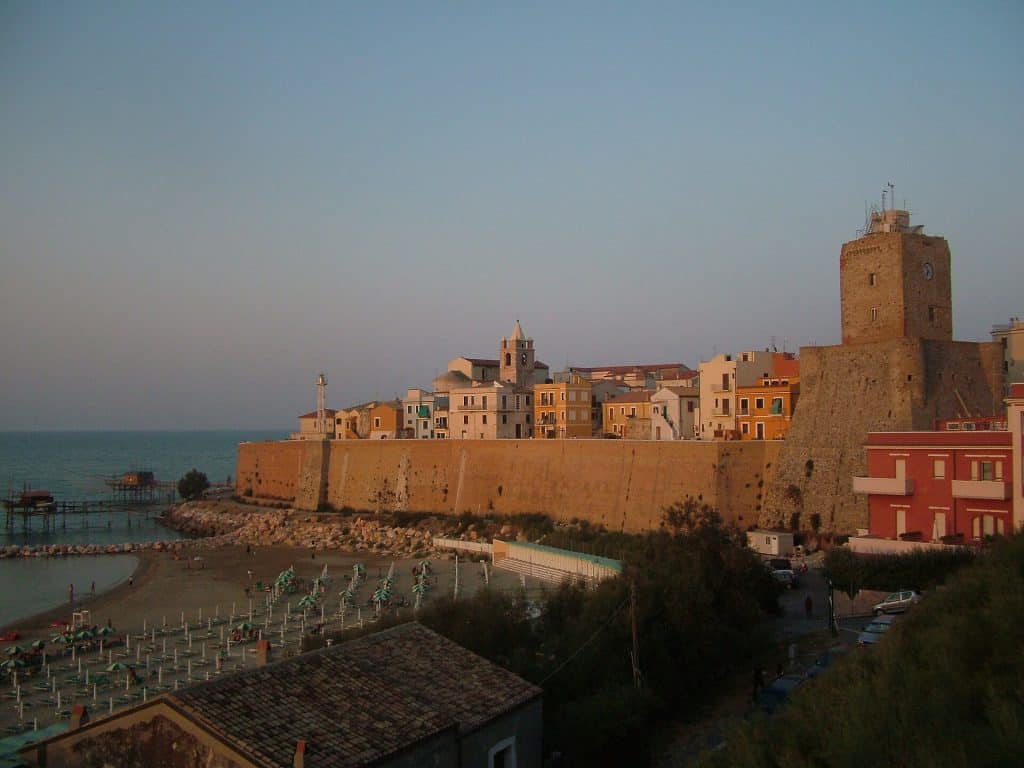
You do not need to leave the well-trodden countries to escape the crowds, and Italy proves it. Molise regularly comes last among Italy’s regions for tourist numbers, so much so that a long-running Italian internet joke claims it does not exist. It does, between Abruzzo and Puglia, with a short Adriatic coastline and a mountainous interior. Termoli has a walled old town on a promontory and ferries to the Tremiti Islands.
Inland, the region holds some of the best-preserved ancient sites in southern Italy that almost nobody visits. Saepinum, near Sepino, is a Roman town with its walls, gates and forum still standing in open farmland, and Pietrabbondante has a Samnite theatre and temple on a hillside with mountain views. In Agnone, the Marinelli bell foundry, a family business that traces its roots back many centuries, has a museum. Molise has no airport and limited public transport, so hire a car from Pescara, Naples or Rome.
5. Extremadura, Spain
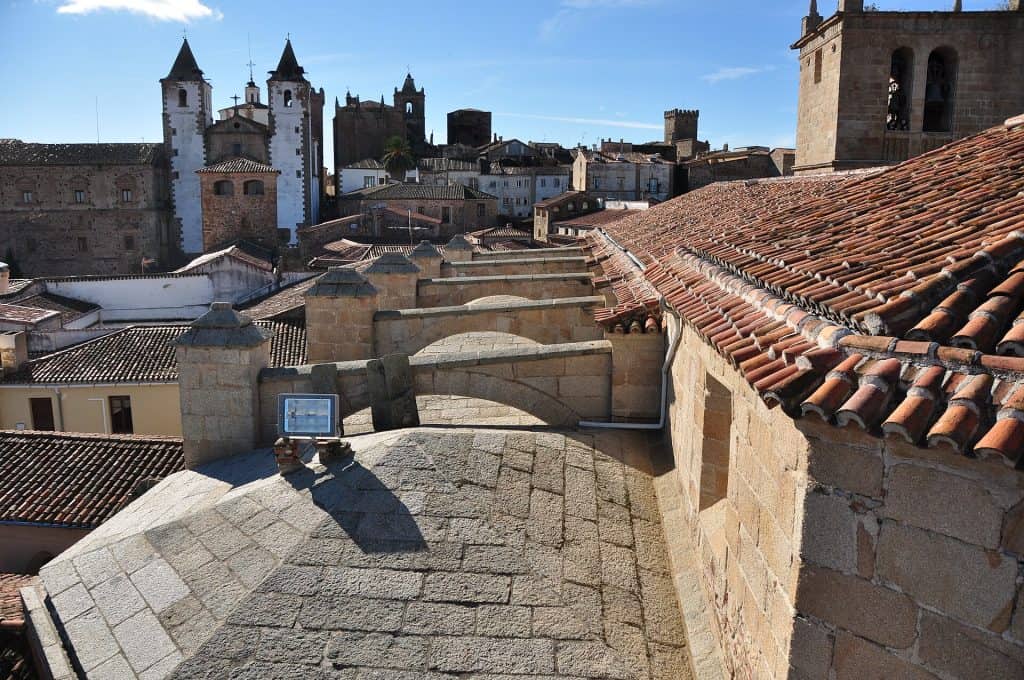
Wedged between Madrid and the Portuguese border, Extremadura is one of Spain’s least-visited regions, which is surprising given what it holds. The old town of Cáceres, on the UNESCO list since 1986, is a near-intact ensemble of medieval walls, towers and palaces. Mérida has one of the most complete groups of Roman monuments in Spain, including a theatre that still hosts a classical theatre festival each summer.
Trujillo, a hilltop town of granite mansions, was the birthplace of Francisco Pizarro, and the monastery of Guadalupe is a major pilgrimage site and UNESCO World Heritage Site. For nature, Monfragüe National Park is one of the best places in Europe to see griffon and black vultures, especially from the viewpoint at the Salto del Gitano. Summers are very hot, so spring and autumn are the best times to visit. Cáceres is around three hours’ drive from Madrid.
6. Latgale, Latvia
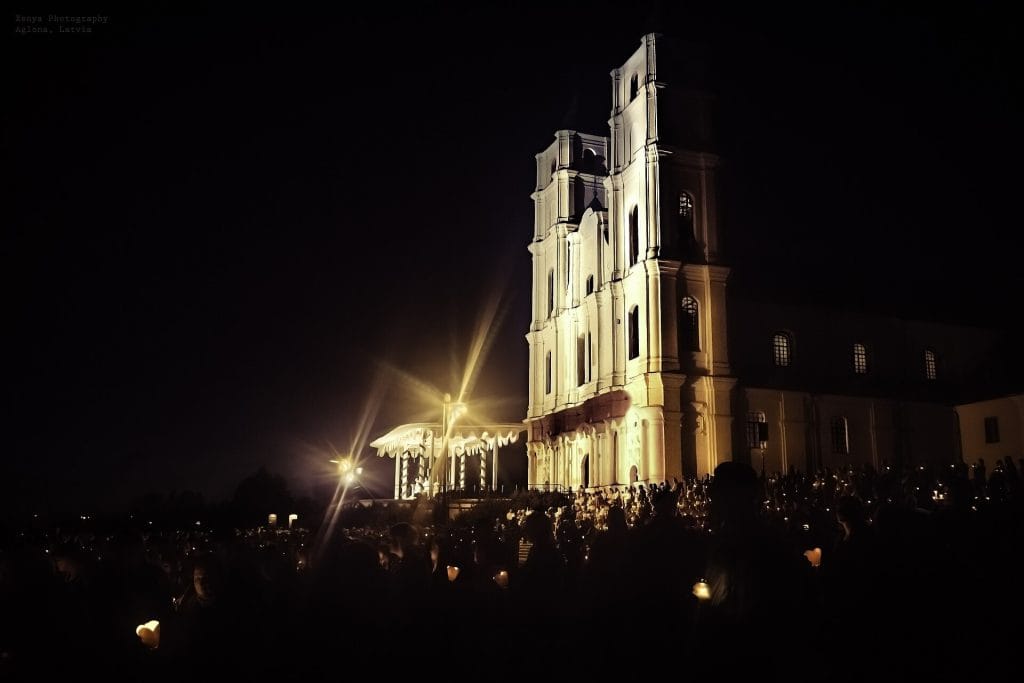
Most visitors to Latvia stay on the coast. Latgale, the eastern region, is known as the Land of Blue Lakes for its hundreds of lakes among forest and farmland, and it has a distinct identity, with its own written Latgalian language and a strong Catholic tradition. Aglona Basilica is the country’s principal Catholic pilgrimage site and draws large crowds on 15 August.
Daugavpils, Latvia’s second-largest city, is the main base. The painter Mark Rothko was born here in 1903, and the Mark Rothko Art Centre, opened in 2013 in the restored arsenal of Daugavpils Fortress, displays original works lent by his family. Rāzna National Park, around one of Latvia’s largest lakes, is good for cycling and canoeing, and the region is known for its ceramics. Trains run to Daugavpils from Riga.
7. Zagori, Greece
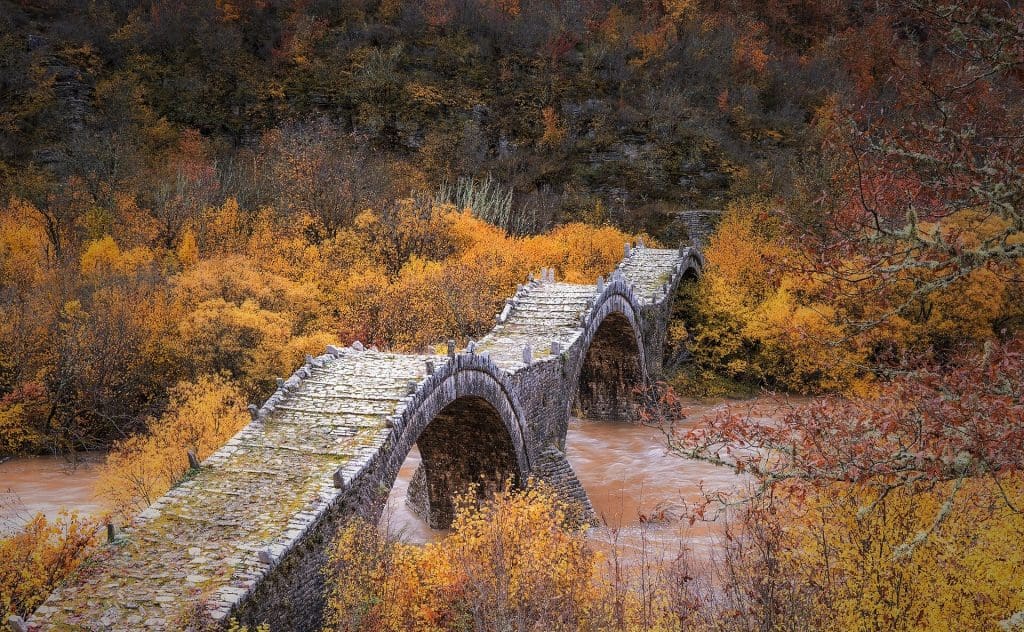
In north-western Greece, on the western slopes of the Pindus mountains in Epirus, Zagori is a cluster of 46 stone-built villages linked by old cobbled paths and arched stone bridges. It was added to the UNESCO World Heritage List as a cultural landscape in 2023, yet it still sees a fraction of the visitors who go to the islands.
The main sight is the Vikos Gorge, in the Vikos-Aoös National Park, which Guinness World Records has listed as the deepest gorge in the world in proportion to its width. The viewpoint at Oxya, near Monodendri, looks straight down into it, and the full walk through the gorge takes most of a day. The twin villages of Papingo sit beneath the grey Astraka cliffs and make a good base. Ioannina, the nearest city, has an airport with domestic flights.
Practical tips for Europe’s quieter corners
- Hire a car for Molise, Extremadura, Zagori and rural Latgale; buses exist but are infrequent.
- Carry some cash in Moldova and North Macedonia, especially outside the capitals.
- Book accommodation ahead for festivals and pilgrimage days, when small towns fill quickly.
- Check seasonal opening for museums and archaeological sites, which may keep short hours outside summer.
- Learn a few words of the local language; it is appreciated where tourism is still small.
Plan your trip
- Liechtenstein: tickets and tours on Tiqets · activities on Klook
- Moldova: tickets and tours on Tiqets · activities on Klook
- North Macedonia: tickets and tours on Tiqets · activities on Klook
- Arriving by plane: pre-book an airport transfer with Welcome Pickups
- Road trip: compare car hire on Localrent
- Mobile data: get a travel eSIM from Airalo
Some of these are affiliate links: if you book through them we may earn a small commission, at no extra cost to you.
Planning a bigger trip? See our guide to the 25 best places to visit in Europe, from city breaks to fjords.
Keep exploring
- How to Travel Off the Beaten Path in Europe: 8 Techniques That Work
- Off the Beaten Track in Greece: 8 Wild Places for Hikers and Explorers
- Moldova Travel Guide: Best Places to Visit and Interesting Facts
Frequently asked questions
What is the least-visited country in Europe?
Liechtenstein is often cited as the least-visited country in Europe by overnight tourist stays, partly because most people visit only as a day trip. Moldova is also near the bottom of most rankings.
What is the least-visited region of Italy?
Molise, on the Adriatic between Abruzzo and Puglia, consistently records the fewest tourists of any Italian region.
Are the least-visited parts of Europe cheaper?
Usually, yes. Moldova, North Macedonia, Latgale and Extremadura are generally inexpensive for food and accommodation. Liechtenstein is the exception, with Swiss price levels.
Photos: Acediscovery, CC BY 4.0, via Wikimedia Commons; Guttorm Flatabø from Sogndal, Norway, CC BY 2.0, via Wikimedia Commons; kallerna, CC BY-SA 4.0, via Wikimedia Commons; Massimiliano Scarabeo from Venafro, Italia, CC BY 2.0, via Wikimedia Commons; Jesusccastillo, CC BY-SA 3.0 es, via Wikimedia Commons; Ksenija Vinogradova, CC BY-SA 4.0, via Wikimedia Commons; Jolovema, CC BY-SA 4.0, via Wikimedia Commons.