Updated
Denmark is small and flat, which makes it one of the easiest countries in Europe to explore. Within an hour of Copenhagen you can stand in Hamlet’s castle, a Renaissance palace on a lake and a medieval cathedral full of royal tombs. Further west, bridges and fast trains lead to Hans Christian Andersen’s Odense, the old streets of Aarhus, the original Legoland and the windswept dunes of Skagen.
This guide covers the best attractions for tourists in Denmark, grouped from Copenhagen westwards, with ideas at the end for turning them into a one-week or ten-day route. Most are reachable by train, though a car helps for Møns Klint and the far north of Jutland.
Denmark at a glance
- Best for: castles, design, Viking history, coastline and relaxed city breaks.
- When to go: May to September for long days and beach weather; December for Christmas markets and Tivoli lights.
- How long: three or four days for Copenhagen and Zealand, a week or more to add Funen and Jutland.
- Getting there: Copenhagen Airport is a short metro or train ride from the city centre; Billund is the main airport in Jutland.
- Getting around: DSB trains link the main cities, and Copenhagen is best seen by bike, metro and on foot.
1. Copenhagen’s harbour and old centre
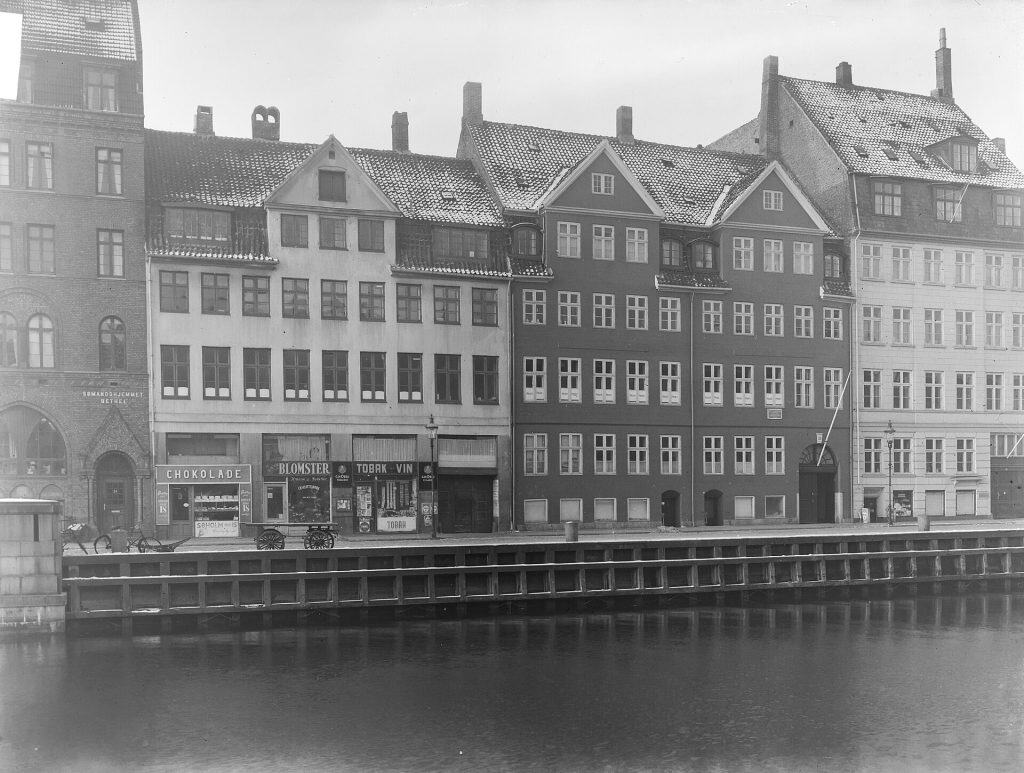
Most visits start in the capital, and most visitors head straight for Nyhavn, the canal dug between 1670 and 1675 and lined with painted townhouses and old wooden ships. Hans Christian Andersen lived at several addresses along it, including No. 67 for almost twenty years. It is the main departure point for canal tours, which are the easiest way to understand how the city is built around water.
From there, walk to Rosenborg Castle, built for Christian IV between 1606 and 1624, where the Danish crown jewels are kept in the treasury. It sits in the King’s Garden, the oldest royal garden in the country. Add Christiansborg Palace on its island, the Round Tower for a view over the rooftops and the cycling-friendly streets of Nørrebro and Vesterbro.
2. Tivoli Gardens
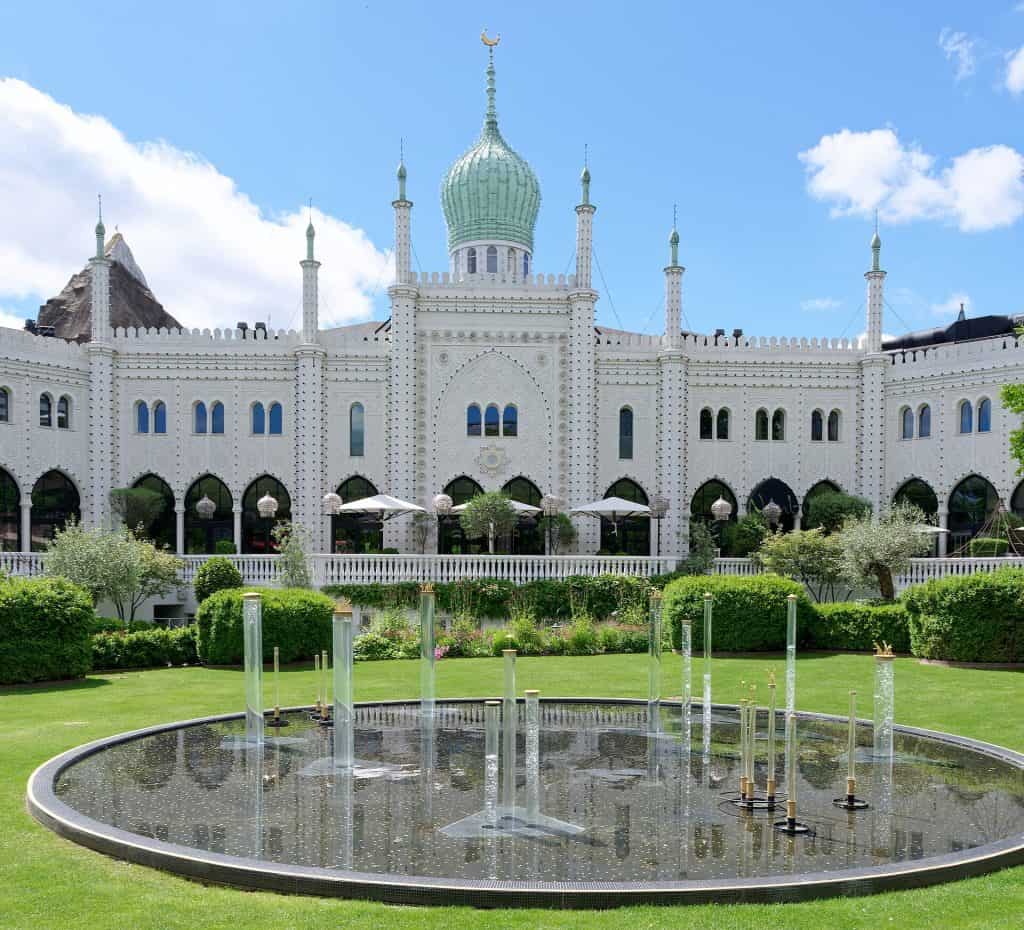
Opened in 1843 and right next to Copenhagen Central Station, Tivoli is the second-oldest operating amusement park in the world, after Bakken just north of the city. It is less a theme park than a pleasure garden: flower beds, a lake, pavilions, restaurants and concert stages, mixed with rides that range from gentle to genuinely fast. The wooden roller coaster, Rutschebanen, dates from 1914.
Tivoli opens in seasons rather than all year, with a long summer season, a Halloween season in October and a Christmas season in December, so check dates before planning around it. It is at its best after dark, when thousands of lights come on.
3. Kronborg Castle, Helsingør
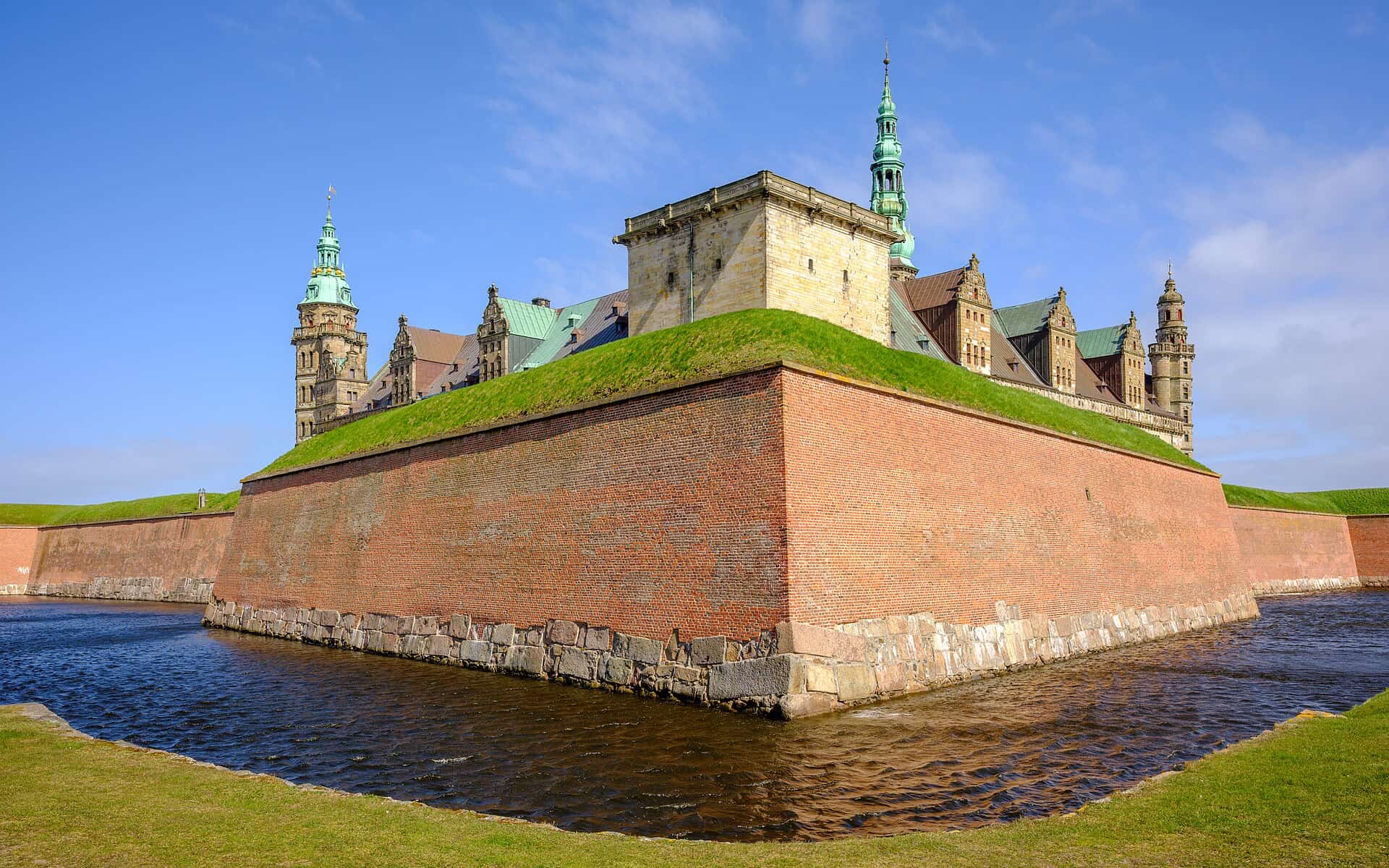
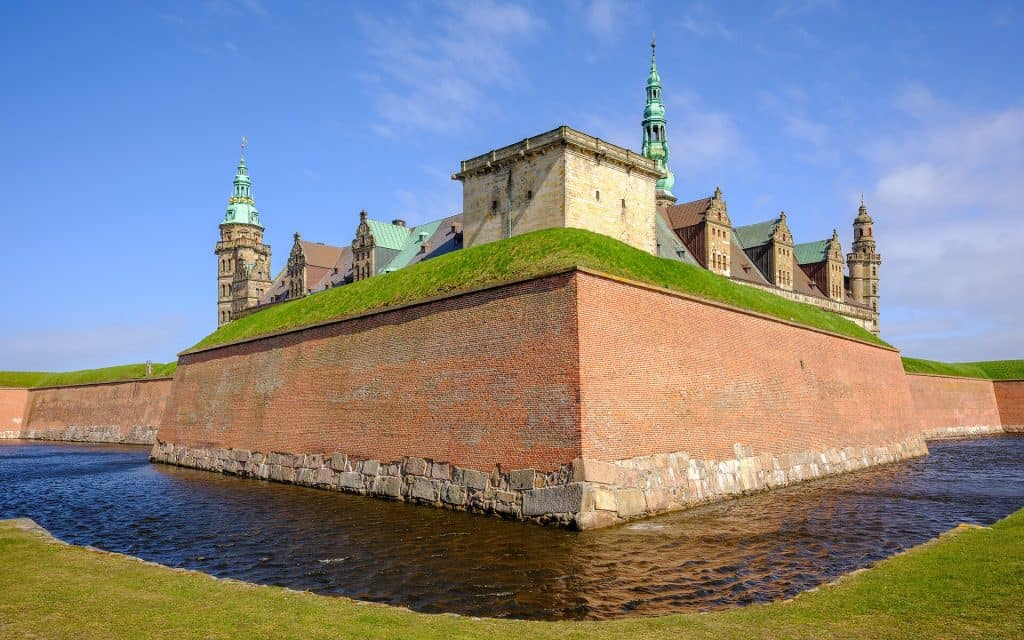
Kronborg stands on the north-east tip of Zealand, where the Øresund narrows to about four kilometres and the Swedish coast is clearly visible. The fortress was rebuilt as a Renaissance castle for Frederick II between 1574 and 1585, and for centuries it controlled shipping through the strait and collected the Sound Dues. It became a UNESCO World Heritage Site in 2000.
Kronborg is best known as Elsinore, the setting of Shakespeare’s Hamlet, and the play has been performed at the castle since 1816. Inside, see the great ballroom, the royal apartments and the dark casemates, where a statue of the legendary Holger Danske sleeps until Denmark needs him. Trains from Copenhagen take under an hour, and the town of Helsingør has a pleasant old centre and the M/S Maritime Museum of Denmark next to the castle.
4. Frederiksborg Palace, Hillerød
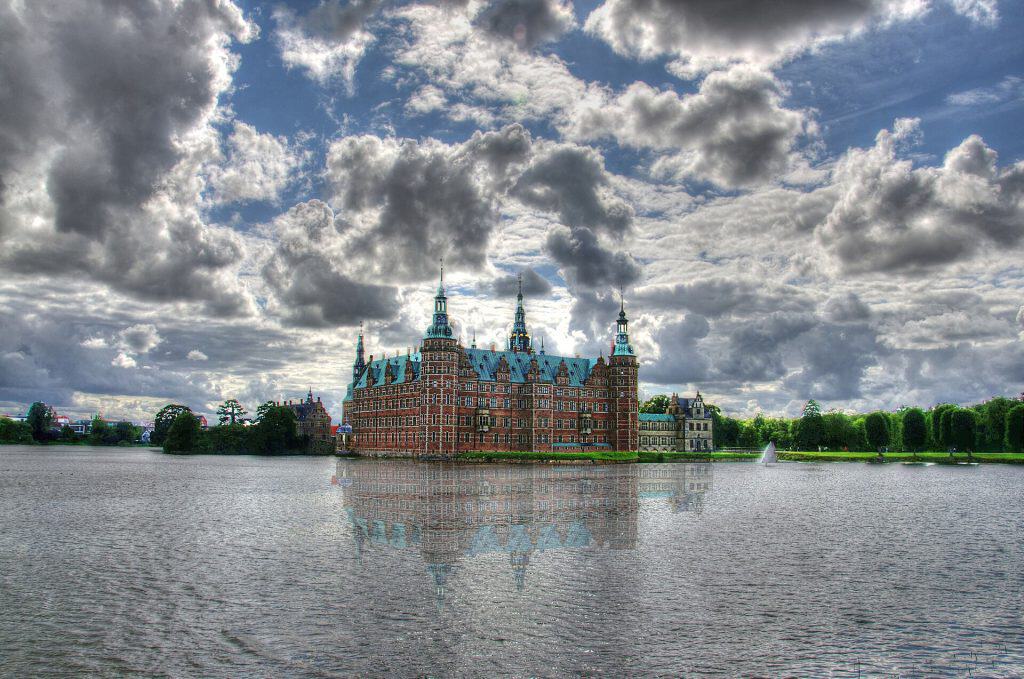
North of Copenhagen in Hillerød, Frederiksborg is often called the largest Renaissance building in Scandinavia. Christian IV had it built in the early 17th century on three islets in a lake, and its red brick, sandstone trim and copper spires make it one of the most photographed buildings in Denmark.
Since 1882 it has housed the Museum of National History, with rooms of portraits, furniture and historical paintings, and the lavish palace chapel where Danish kings were crowned in the era of absolute monarchy. Outside, the Baroque garden with its cascades was recreated in the 1990s. Take the S-train from Copenhagen and combine it with Kronborg in a single day if you start early.
5. Roskilde: cathedral and Viking ships
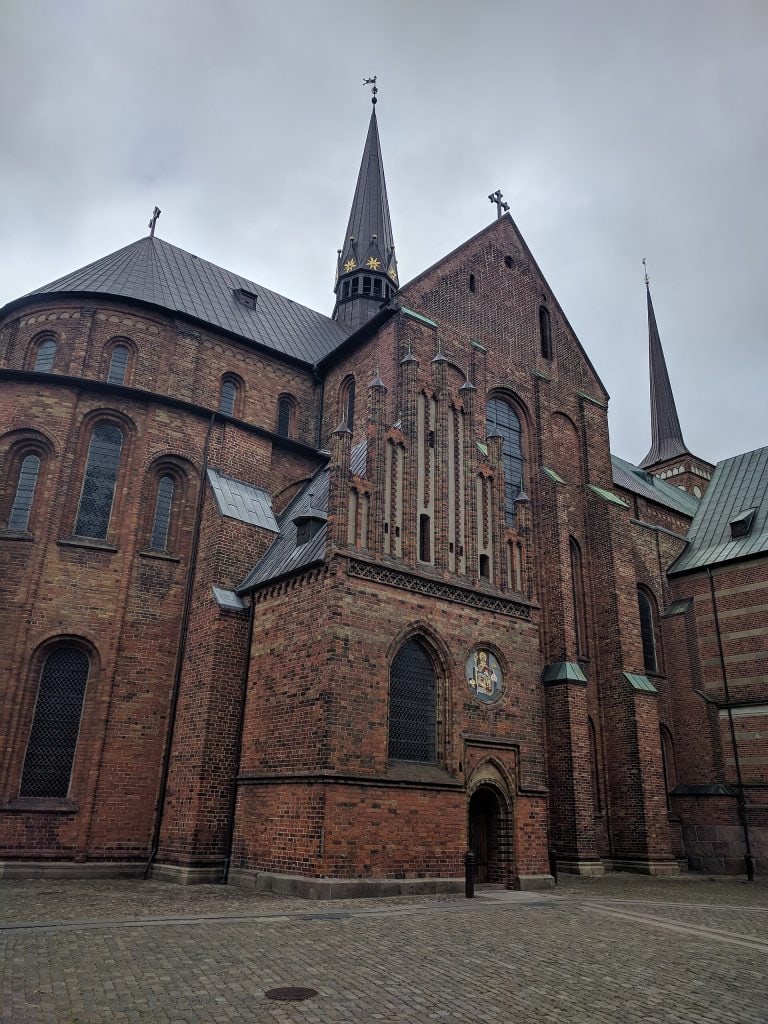
Roskilde, about 25 minutes west of Copenhagen by train, was an early royal seat. Its cathedral, begun around 1170, is one of the earliest Gothic cathedrals in Scandinavia built in brick and has been a UNESCO World Heritage Site since 1995. It is the main burial church of the Danish monarchy, and its chapels hold the tombs of around twenty Danish monarchs, from the Middle Ages to the 20th century.
Walk downhill to the fjord for the Viking Ship Museum. Its centrepiece is the five Skuldelev ships, deliberately sunk around 1070 to block the fjord against attack and excavated in 1962. In the boatyard outside, craftspeople build reconstructions using Viking methods, and in summer you can sometimes join a short sailing trip on the fjord.
6. Møns Klint
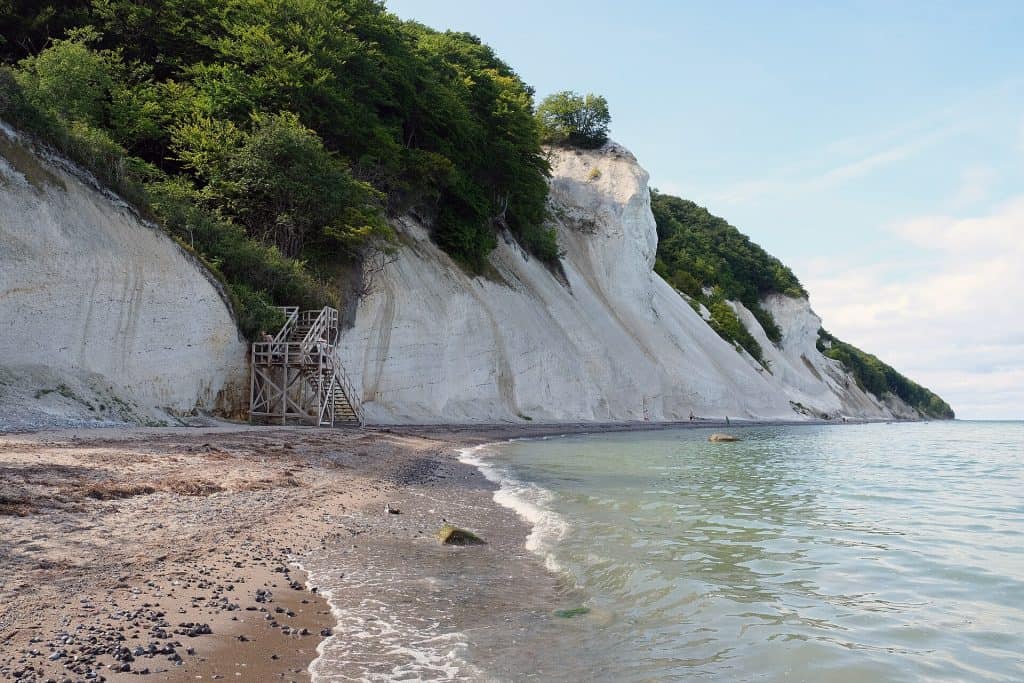
On the island of Møn, south of Zealand, Denmark suddenly gets dramatic. Møns Klint is a six-kilometre stretch of white chalk cliffs above a turquoise sea, rising to 128 metres at Dronningestolen. The chalk is made of the remains of microscopic marine organisms that lived more than 70 million years ago, and fossils turn up on the beach as the sea erodes the cliff face. The site was added to the UNESCO World Heritage List in 2025.
Start at GeoCenter Møns Klint, a museum on the clifftop about the geology, then take one of the long wooden stairways down to the shore and walk along the beach. Stay well back from the cliff base, as falls do happen. The cliffs are about two hours’ drive from Copenhagen, so a car makes the visit much easier.
7. Odense and Egeskov
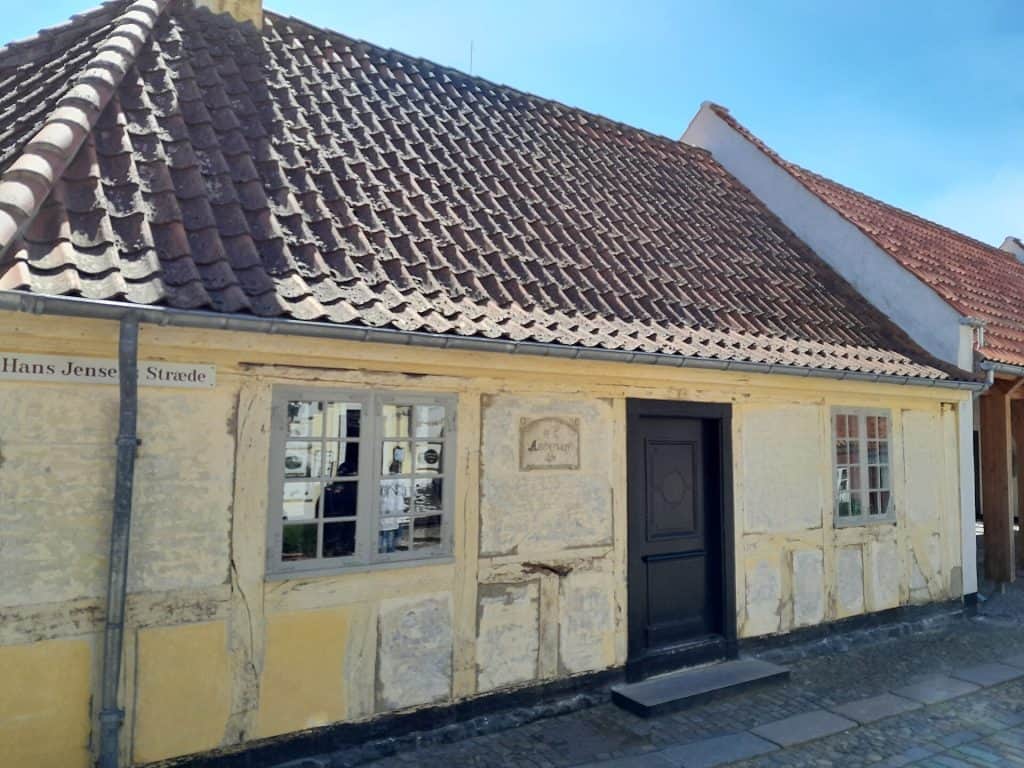
Odense, the main city on Funen and the third-largest in Denmark, is the birthplace of Hans Christian Andersen, born here in 1805. The H.C. Andersen House, which opened in 2021 in a building by the Japanese architect Kengo Kuma, takes an imaginative approach to his stories and includes the small yellow house thought to be his birthplace. The surrounding streets are some of the most charming in the city.
Also in Odense are St Canute’s Cathedral, where the king and saint Canute lies under the altar, and Funen Village, an open-air museum of rural life around Andersen’s time. About half an hour south, Egeskov is described as Europe’s best-preserved Renaissance water castle, built in 1554, with large gardens, mazes and several museums of vintage vehicles.
8. Aarhus
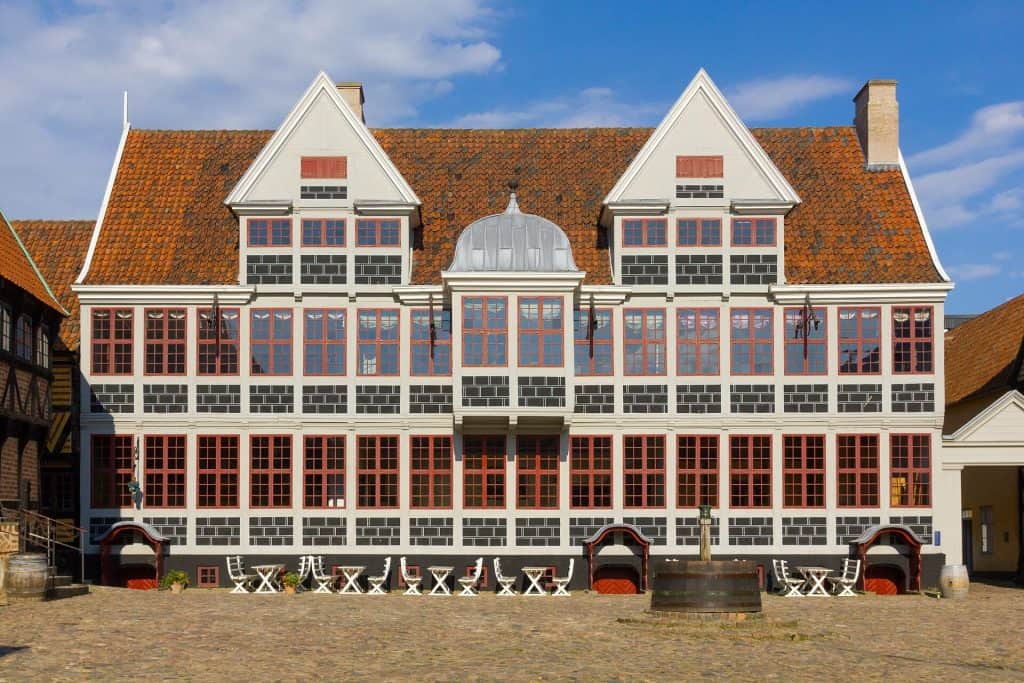
Denmark’s second city, on the east coast of Jutland, is young, lively and easy to enjoy in two days. Its best-known attraction is Den Gamle By, an open-air museum of urban history with around 75 historical buildings brought from towns across Denmark. Shops, workshops and homes are furnished for different periods, from the 1600s to the late 20th century, and it is especially popular in the run-up to Christmas.
The ARoS art museum is the city’s other big draw, with a circular walkway on the roof giving panoramic views. A short bus ride south, the Moesgaard Museum covers Danish prehistory and displays the Iron Age Grauballe Man, found preserved in a peat bog. In the centre, the Latin Quarter has the oldest streets and the best cafés and small shops.
9. Legoland Billund and Jelling
The original Legoland opened in Billund in 1968, next to the LEGO factory, and it is still one of Denmark’s most popular attractions for families. Its Miniland area of scale models built from millions of bricks became the template for every Legoland that followed. The park is closed in winter, so check the season dates before you go. In the town centre, LEGO House adds a hands-on building experience.
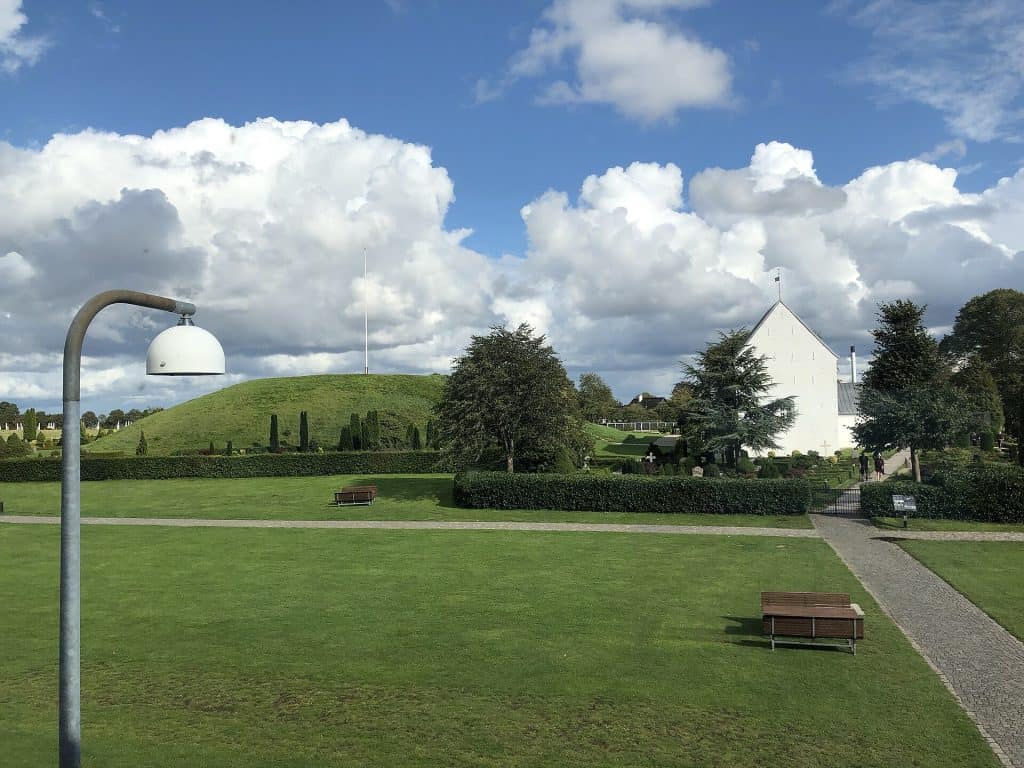
Half an hour east, Jelling is one of the most important historical sites in Scandinavia. Two runic stones stand outside the church between two huge burial mounds: the smaller raised by King Gorm the Old in memory of his wife Thyra, and the larger by his son Harald Bluetooth, recording the conversion of the Danes to Christianity. The whole site has been on the UNESCO list since 1994, and the visitor centre explains it well.
10. Skagen and Grenen
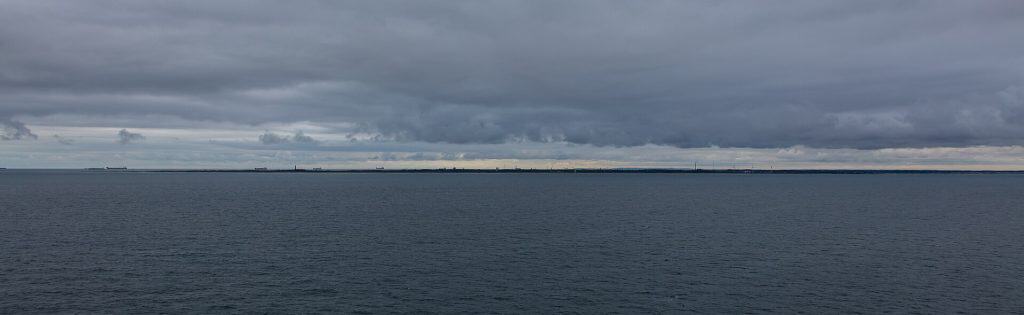
At the northern tip of Jutland, Skagen is a fishing town of yellow houses with red-tiled roofs, known for its clear light. From the late 1870s it drew a group of Scandinavian artists, the Skagen Painters, including Michael and Anna Ancher and P.S. Krøyer, whose work fills the Skagens Museum. Just outside town is Grenen, the narrow sand spit where the Skagerrak and Kattegat meet; you can stand with waves arriving from both sides. Swimming is forbidden there because of dangerous currents.
South of Skagen, Råbjerg Mile is the largest moving dune in Northern Europe, drifting north-east by up to 18 metres a year. Drifting sand from this area once buried much of the old parish church, now known as the Sand-Covered Church; it was closed in 1795, and only its whitewashed tower still stands. Trains run to Skagen from Frederikshavn.
11. Louisiana Museum of Modern Art, Humlebæk
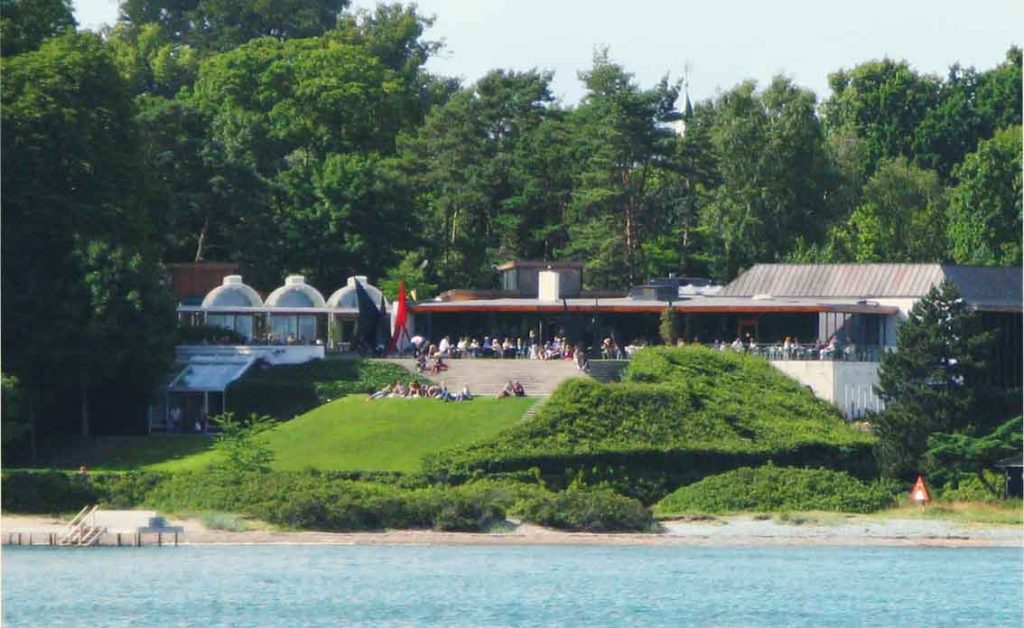
Louisiana opened in 1958 and is one of the best-loved art museums in Europe, as much for its setting as for its collection. Low white buildings linked by glass corridors wind through a park on the Øresund coast, about 35 km north of central Copenhagen, and the sculpture garden slopes down towards the sea with works by Henry Moore, Alexander Calder, Joan Miró and Jean Arp.
Inside, the collection includes Alberto Giacometti, Louise Bourgeois, Andy Warhol and David Hockney, and Yayoi Kusama’s mirrored room Gleaming Lights of the Souls is on permanent display. Exhibitions change regularly, so check what is on. Humlebæk station is on the coastal line between Copenhagen and Helsingør, a short walk from the museum, so Louisiana fits easily into a day with Kronborg.
12. Ribe
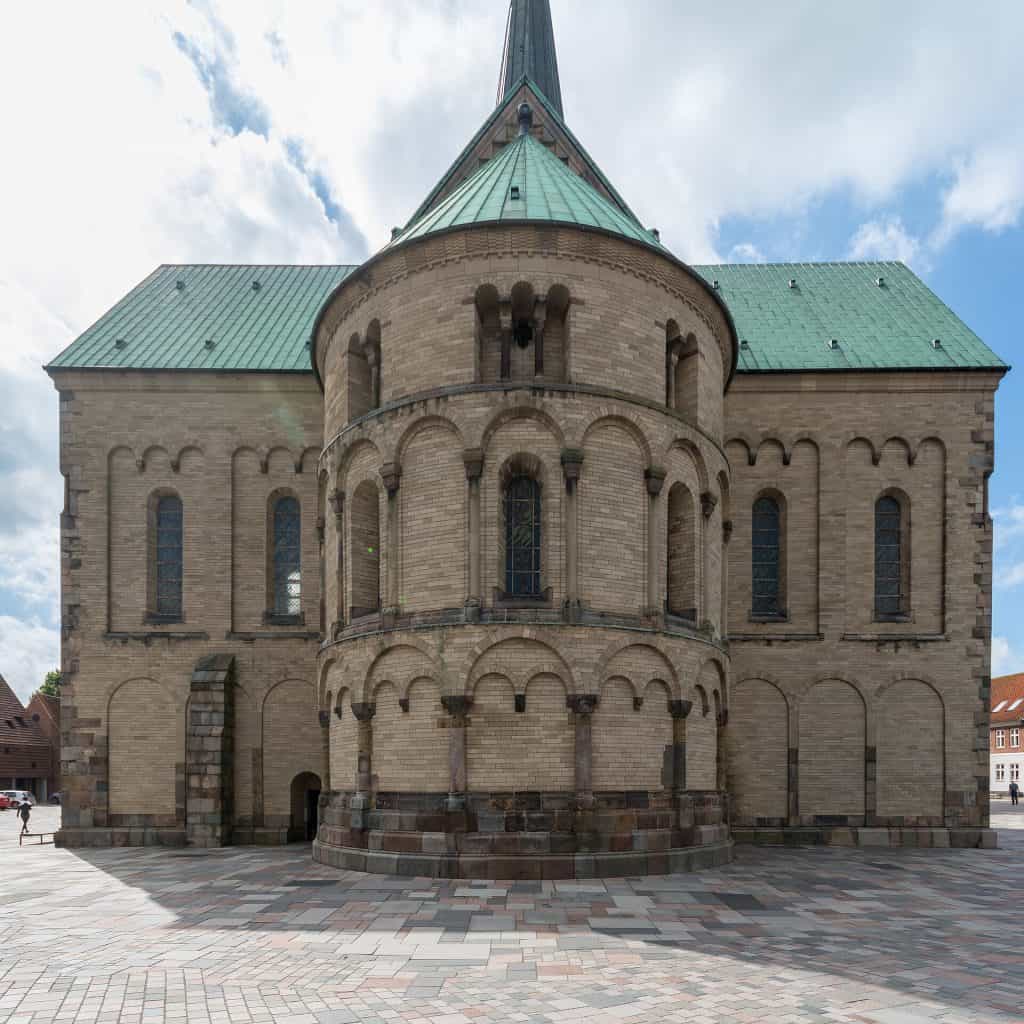
Ribe is usually described as the oldest town in Denmark. It was already a busy trading place in the early 8th century, and today it is a small, quiet town of crooked half-timbered houses and cobbled lanes along the river. Ribe Cathedral, begun around 1150, dominates the skyline, and its walls still carry marks from the great flood of 1634. Climb the tower for a view over the marshes.
The town sits next to the Wadden Sea National Park, part of a UNESCO World Heritage Site whose Danish section was added in 2014. In spring and autumn, huge flocks of starlings gather over the marshes at dusk in a spectacle the Danes call sort sol, “black sun”, and the Wadden Sea Centre a few kilometres outside town runs guided trips. On summer evenings the town’s night watchman walks the old streets singing traditional verses, and visitors are welcome to follow him. Trains from Esbjerg take around half an hour.
13. Bornholm
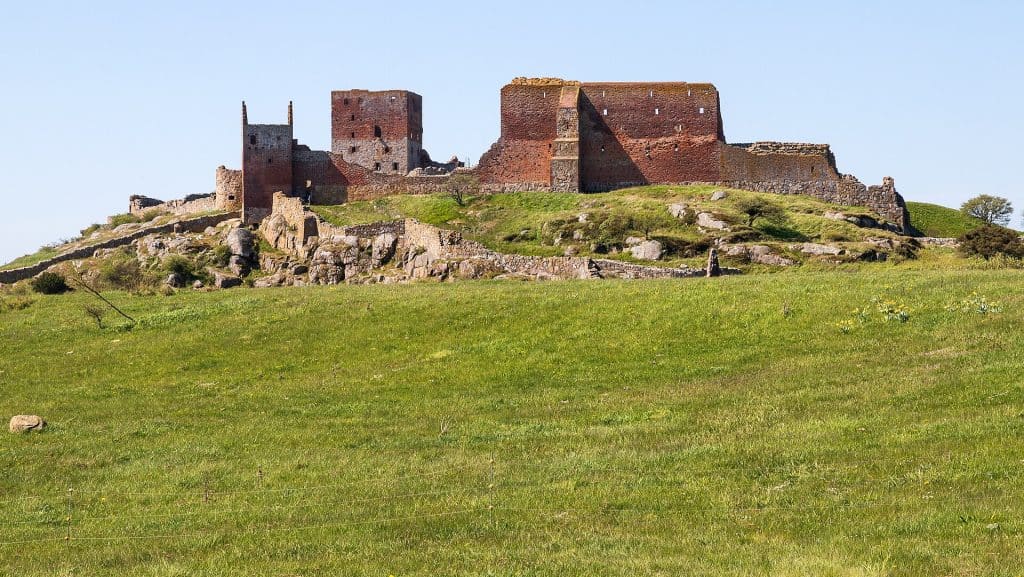
Bornholm lies far out in the Baltic, south of Sweden and well east of the rest of Denmark, and it feels like a different country. Danes call it the sunshine island for its weather and the rock island for its granite cliffs, rare in a mostly flat country. On the north-west tip, Hammershus is often described as the largest medieval fortress ruin in northern Europe, spread over a clifftop above the sea.
The island has four medieval round churches, the best known at Østerlars, built partly as places of refuge. Fishing villages such as Gudhjem and Svaneke are known for their smokehouses, glassblowers and ceramic studios, and boats run from Gudhjem to the tiny Ertholmene islands. Most visitors arrive by fast ferry from Ystad in southern Sweden, with train connections from Copenhagen over the Øresund Bridge; there is also a ferry from Køge, south of Copenhagen. Allow two or three nights, book ferries early for July, and hire a bike: the island is well set up for cycling.
How to fit them into a trip
For a first visit of four or five days, base yourself in Copenhagen. Spend two days in the city, one on the north Zealand castles (Frederiksborg in the morning, Kronborg in the afternoon) and one in Roskilde. Add Møns Klint if you hire a car.
With a week to ten days, take the train west across the Great Belt to Odense, then continue to Aarhus. From there, families can head for Billund and Jelling, while others can travel north to Skagen for a couple of nights by the sea. Denmark is compact enough that you can fly home from Billund or Aalborg rather than returning to Copenhagen.
Louisiana and Kronborg share the coastal railway north of Copenhagen, Ribe sits on the way between Billund and the Wadden Sea coast, and Bornholm needs two or three nights of its own. For quieter coast, islands and national parks, see Denmark beyond Copenhagen, and for Viking sites and old towns, historic Denmark.
Practical tips
- Cards everywhere: Denmark is close to cashless; many places do not take cash at all.
- Cycling: bike lanes are excellent, but local cyclists ride fast, so keep right and signal clearly.
- City passes: the Copenhagen Card covers transport and many attractions; check whether it suits your plans.
Plan your trip to Denmark
- Tickets and tours in Denmark: tickets and tours on Tiqets · activities on Klook
- Arriving by plane: pre-book an airport transfer with Welcome Pickups
- Road trip: compare car hire on Localrent
- Mobile data: get a travel eSIM from Airalo
Some of these are affiliate links: if you book through them we may earn a small commission, at no extra cost to you.
Planning a bigger trip? See our guide to the 25 best places to visit in Europe, from city breaks to fjords.
Keep exploring
- Historic Denmark: 8 Places to Visit for Vikings, Old Towns and Fjords
- Denmark Beyond Copenhagen: 9 Coastal Towns, Islands and Wild Places
- Visiting Denmark: 8 Lesser-Known Gems Beyond Copenhagen
Frequently asked questions
What is Denmark most famous for?
Copenhagen, Hans Christian Andersen, LEGO, Viking history and Danish design are the big names. For visitors, its castles, Tivoli Gardens and long sandy coastline are the main draws.
How many days do you need in Denmark?
Three or four days covers Copenhagen and the nearby castles. A week lets you add Odense and Aarhus, and ten days gives time for Skagen or Møns Klint as well.
Is it easy to travel around Denmark without a car?
Yes, for the main cities and most of the sights in this guide. Trains connect Copenhagen, Odense, Aarhus and Frederikshavn, with buses for the rest. A car is useful for Møns Klint, Egeskov and the coast of northern Jutland.
Photos: ArildV, CC BY-SA 4.0, via Wikimedia Commons; Mogens Falk, CC BY 1.0, via Wikimedia Commons; Jakub Hałun, CC BY-SA 4.0, via Wikimedia Commons; Er.gagansharma, CC BY-SA 3.0, via Wikimedia Commons; Sintakso, CC0, via Wikimedia Commons; kallerna, CC BY-SA 4.0, via Wikimedia Commons; JakobHosp, CC BY 4.0, via Wikimedia Commons; Liberaler Humanist, CC BY-SA 3.0, via Wikimedia Commons; Htawmonzel, CC BY-SA 4.0, via Wikimedia Commons; Diego Delso, CC BY-SA 4.0, via Wikimedia Commons; Helle Krog, CC BY 3.0, via Wikimedia Commons; Ajepbah, CC BY-SA 3.0 de, via Wikimedia Commons; Unukorno, CC BY 4.0, via Wikimedia Commons.