When do Christmas markets start in Europe? In 2026 the honest answer is “between 13 and 28 November, depending on the city”. Vienna, Budapest and Cologne’s harbour market open in the middle of the month, the big Bavarian, Alsatian and Saxon markets follow in the last week of November, and Prague’s Old Town Square switches on its lights on 28 November, the eve of the first Sunday of Advent.
This guide lists the 2026 opening and closing dates for more than 25 of Europe’s best-known Christmas markets, taken from city and tourism-board websites. Where an organiser had not published 2026 dates when we checked (early November 2026), the table says TBC rather than guessing. Below the table we explain why the dates fall where they do, which markets stay open after Christmas Day, and how to plan a route that catches several of them in one trip.
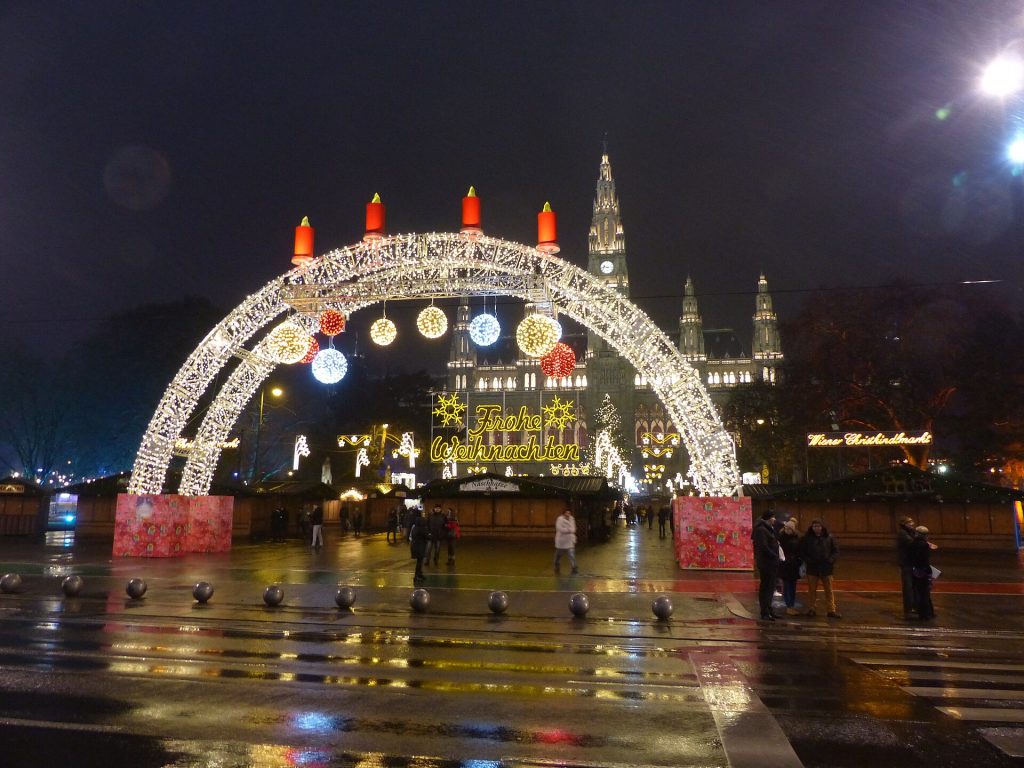
- Season: mid-November 2026 to early January 2027; the busiest stretch is from 27 November to 23 December.
- Earliest openers: Vienna Rathausplatz, Budapest (Vörösmarty tér and the Basilica) and Cologne’s harbour market, all from 13 November 2026.
- Key date: 1st Sunday of Advent is 29 November 2026. Most traditional markets open in the days before it.
- Best for: late November weekdays if you want shorter queues, and early December if you want every market open at once.
- After Christmas: Vienna (to 26 Dec), Salzburg, Budapest, Tallinn, Prague, Brussels, Bratislava, Edinburgh, Berlin’s Gendarmenmarkt and parts of Cologne carry on past 25 December.
- How long: a long weekend covers one city; five to seven days by train lets you link three or four.
2026 Christmas market dates at a glance
The table is sorted by opening date. “Closes” is the final market day. Several markets close or cut their hours on 24–26 December even when they reopen afterwards, so check each market’s own page before you book around a specific day.
| City | Market | Opens | Closes | Open after 25 Dec? |
|---|---|---|---|---|
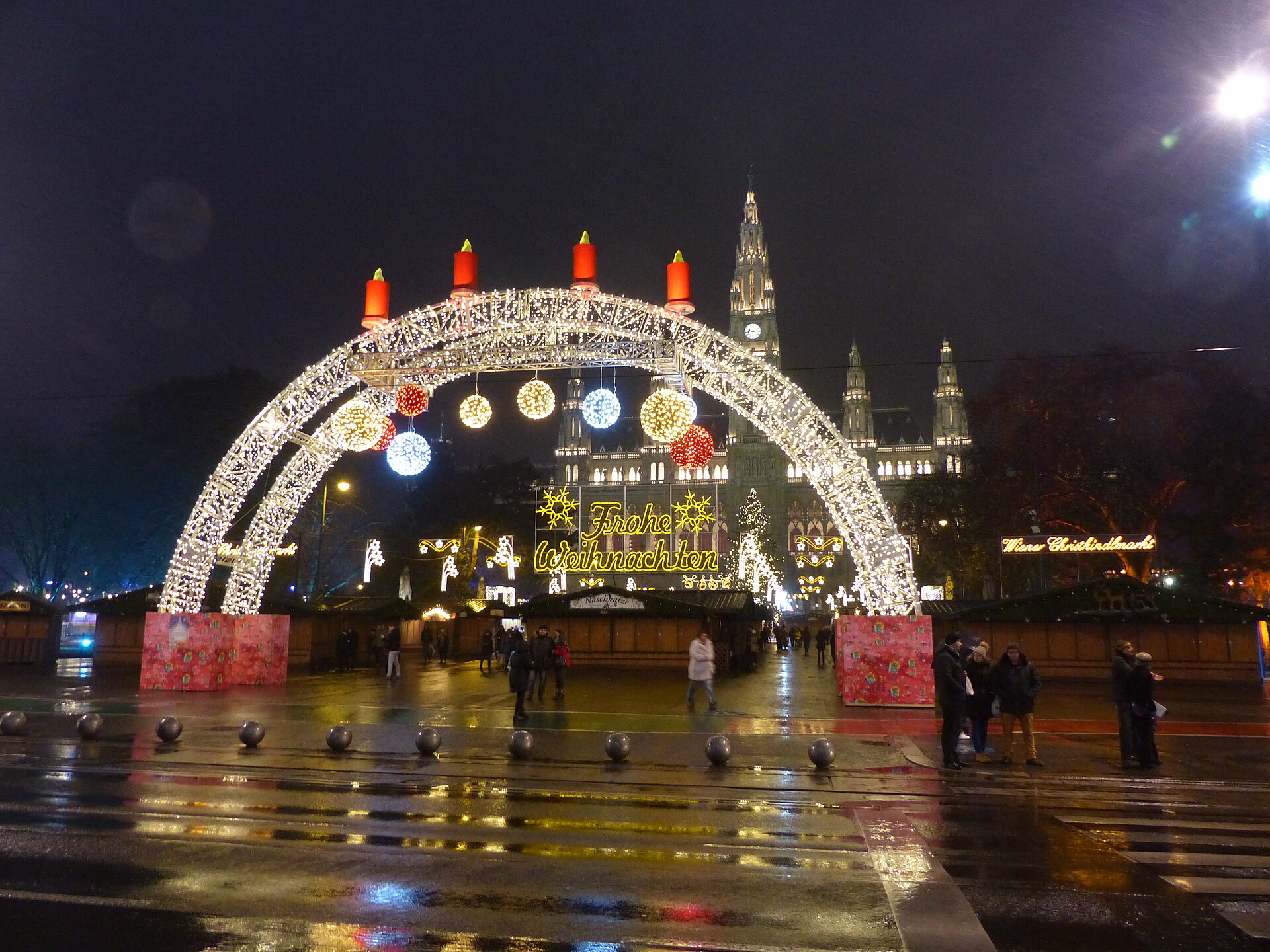
| Vienna | Wiener Christkindlmarkt, Rathausplatz | Fri 13 Nov 2026 | Sat 26 Dec 2026 | Yes, to 26 Dec |
| Budapest | Vörösmarty Square Christmas fair | Fri 13 Nov 2026 | Thu 31 Dec 2026 | Yes |
| Budapest | Advent Bazilika, St Stephen’s Square | Fri 13 Nov 2026 | Fri 1 Jan 2027 | Yes |
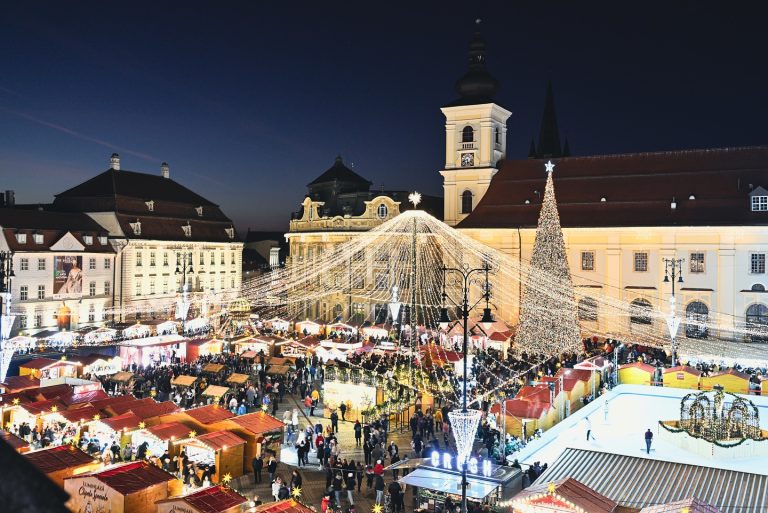
| Sibiu | Christmas Market, Piața Mare | Fri 13 Nov 2026 | Sun 3 Jan 2027 | Yes |
| Craiova | Christmas Market, old town centre | Fri 13 Nov 2026 | Sun 3 Jan 2027 | Yes |
| Cologne | Hafen-Weihnachtsmarkt, Rheinauhafen | Fri 13 Nov 2026 | Sun 3 Jan 2027 | Yes |
| Edinburgh | Edinburgh’s Christmas (incl. market) | Sat 14 Nov 2026 | Sun 3 Jan 2027 | Yes (festival dates) |
| Cologne | Cathedral market, Roncalliplatz | Mon 16 Nov 2026 | Wed 23 Dec 2026 | No |
| Salzburg | Christkindlmarkt, Dom- and Residenzplatz | Thu 19 Nov 2026 | Fri 1 Jan 2027 | Yes |
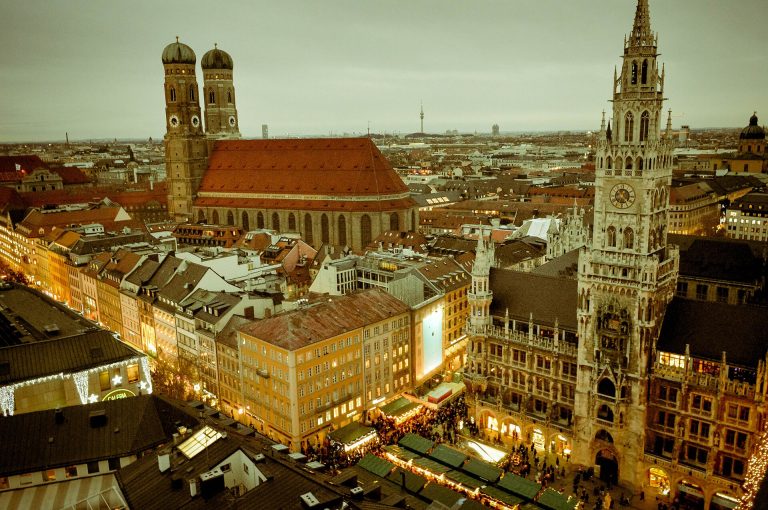
| Munich | Christkindlmarkt, Marienplatz | Fri 20 Nov 2026 | Thu 24 Dec 2026 | No |
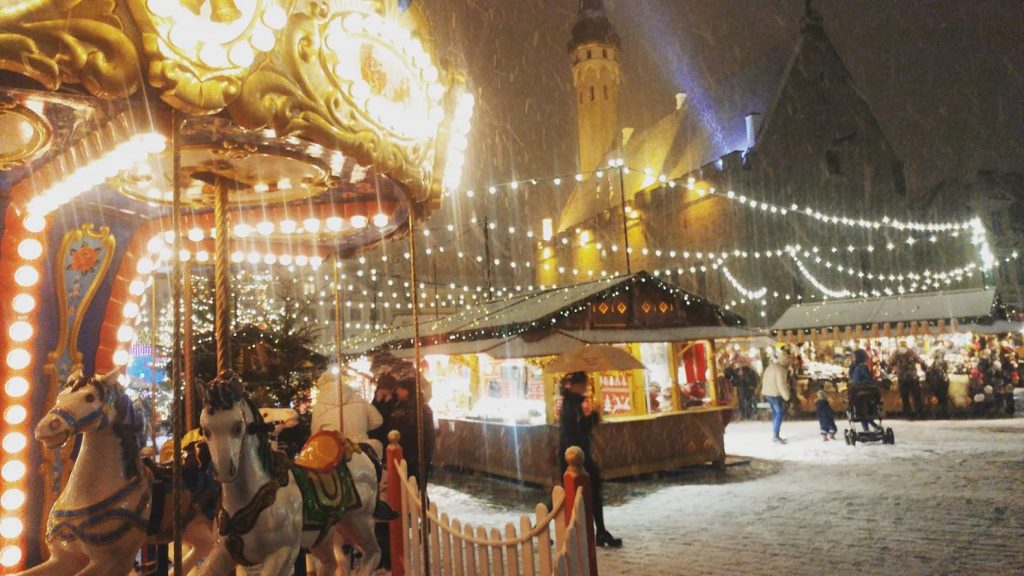
| Tallinn | Christmas Market, Town Hall Square | Fri 20 Nov 2026 | Wed 6 Jan 2027 | Yes |
| Cluj-Napoca | Christmas Market, Piața Unirii | Fri 20 Nov 2026 | Fri 1 Jan 2027 | Yes |
| Berlin | WeihnachtsZauber Gendarmenmarkt | Mon 23 Nov 2026 | Thu 31 Dec 2026 | Yes |
| Cologne | Heinzels Wintermärchen, Altstadt | Mon 23 Nov 2026 | Sun 10 Jan 2027 | Yes |
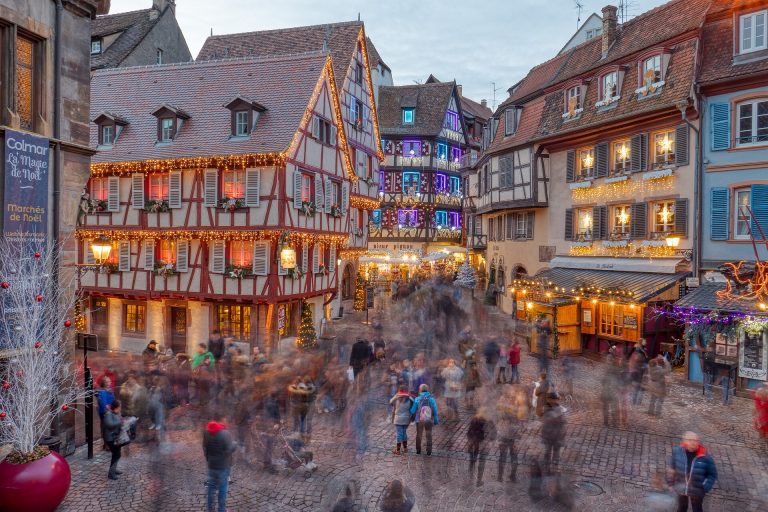
| Colmar | Christmas markets (five sites) | Mon 23 Nov 2026* | Tue 29 Dec 2026* | Yes |
| Dresden | Striezelmarkt, Altmarkt | Wed 25 Nov 2026 | Thu 24 Dec 2026 | No |
| Basel | Basler Weihnachtsmarkt, Barfüsserplatz and Münsterplatz | Thu 26 Nov 2026 | Wed 23 Dec 2026 | No |
| Nuremberg | Christkindlesmarkt, Hauptmarkt | Fri 27 Nov 2026 | Thu 24 Dec 2026 | No |
| Strasbourg | Christkindelsmärik and city markets | Fri 27 Nov 2026 | Thu 24 Dec 2026 | No |
| Brussels | Plaisirs d’Hiver / Winterpret | Fri 27 Nov 2026 | Sun 3 Jan 2027 | Yes |
| Bratislava | Bratislava Christmas, Main Square and Franciscan Square | Fri 27 Nov 2026 | Sun 3 Jan 2027 | Yes |
| Brașov | Christmas Market, Piața Sfatului | Fri 27 Nov 2026 | Sun 3 Jan 2027 | Yes |
| Bucharest | Christmas Market, Piața Constituției | Fri 27 Nov 2026 | Sun 27 Dec 2026 | Yes, to 27 Dec |
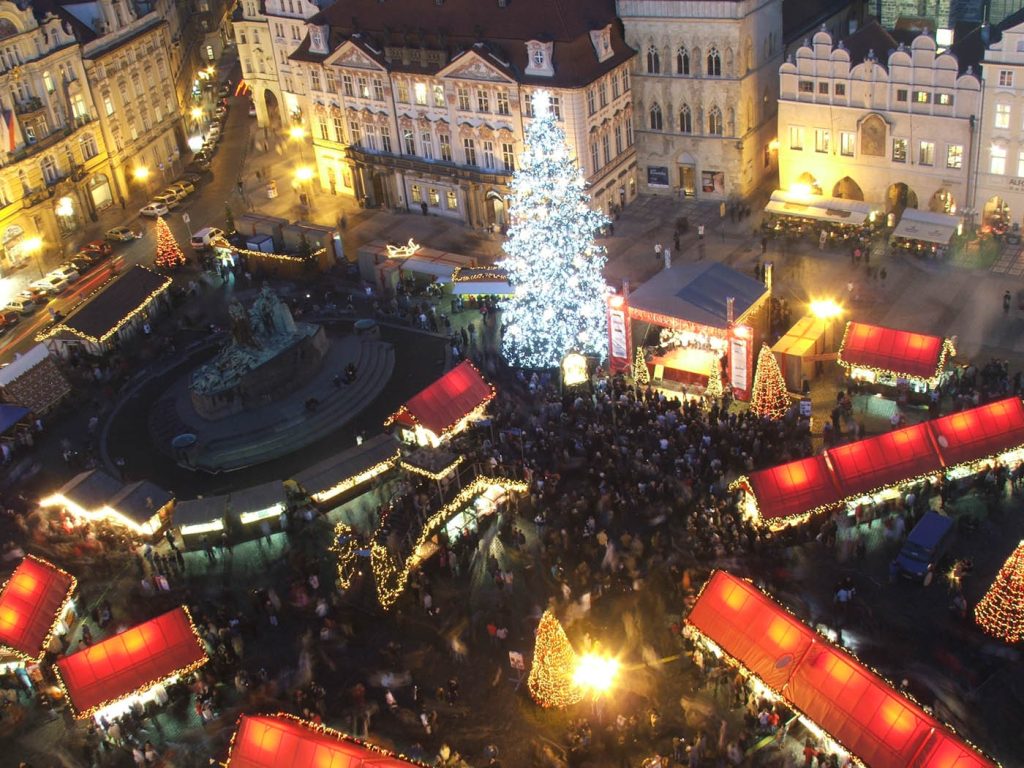
| Prague | Old Town Square and Wenceslas Square | Sat 28 Nov 2026 | Wed 6 Jan 2027 | Yes |
| Copenhagen | Christmas in Tivoli | TBC | TBC | Usually (2025–26 season ran to 4 Jan) |
| Zurich | Polarzauber, Zurich Main Station | TBC | TBC | Check official site |
| Bruges | Winter Glow, Markt and Simon Stevinplein | TBC | TBC | Usually (2025–26 edition ran to 4 Jan) |
| Kraków | Christmas Market, Main Market Square | TBC | TBC | Usually (2025–26 edition ran to 1 Jan) |
*Colmar’s 2026 dates (23 November to 29 December, with the food market and big wheel on Place Rapp running to 3 January 2027) come from event listings; confirm them on the official noel-colmar.com site. Budapest dates are those published on the two markets’ own websites as reported in October 2026. Edinburgh’s dates cover the whole Edinburgh’s Christmas programme in East Princes Street Gardens; individual attractions may open on different days.
Why most markets open the week before the 1st Sunday of Advent
The traditional Christmas market belongs to Advent, the four Sundays before Christmas. Advent starts on the fourth Sunday before 25 December, so its date moves every year: in 2026 Christmas Day is a Friday, which puts the 1st Sunday of Advent on 29 November. That is why so many long-established markets open between Wednesday 25 and Saturday 28 November 2026. Dresden’s Striezelmarkt opens on Wednesday 25 November, Nuremberg’s Christkindlesmarkt and Strasbourg on Friday 27 November, and Prague’s Old Town Square on Saturday 28 November.
Nuremberg is the clearest example of the custom. The market is formally opened by the Nuremberg Christkind with a ceremonial prologue at 5.30pm on the opening Friday, and from then until Christmas Eve it runs daily from 10am to 9pm with about 180 stalls. Earlier openers, such as Vienna, Budapest, Cologne and Munich, follow commercial logic rather than the church calendar: a few extra weeks of trade before the Advent rush. When Advent starts late, as in 2026, the gap between the “early” markets and the traditional ones widens to about two weeks. For all twelve of our favourite German markets, with 2026 dates and a train route, see our Germany Christmas market guide.
The early openers: mid-November 2026
If your trip falls before the last week of November, focus on the cities that open early. Vienna’s Christmas markets lead the way: the Wiener Christkindlmarkt on Rathausplatz opens on Friday 13 November 2026 and runs to 26 December, normally 10am to 10pm, with an earlier 6.30pm close on 24 December. The same day, Budapest’s two central markets open on Vörösmarty tér and in front of St Stephen’s Basilica, and Cologne’s harbour market opens on the Rheinauhafen.
Romania opens on the same Friday. Sibiu’s market on Piața Mare runs from 13 November 2026 to 3 January 2027. So does Craiova’s, which won the European Best Destinations vote for Europe’s best Christmas market in 2026. Cluj-Napoca follows on 20 November, and Brașov and Bucharest on 27 November. Our Romania Christmas markets guide has hours, prices and a five-day route.
Edinburgh’s Christmas starts on 14 November, and Cologne’s Cathedral market follows on Monday 16 November. Salzburg’s Christkindlmarkt on Dom- and Residenzplatz opens on Thursday 19 November, generally from 10am, and Munich’s Marienplatz market and Tallinn’s Town Hall Square both open on Friday 20 November. Munich has one oddity to note: the market stays closed on Sunday 22 November, a German public day of remembrance. In Prague, the smaller neighbourhood market on Peace Square (náměstí Míru) also opens on 20 November, more than a week before the Old Town Square market.
An early trip has clear advantages. Weekday crowds are thinner, hotels are often cheaper than in December, and you will see the stalls fresh before the peak.
The traditional openers: 23–28 November 2026
The last week of November is when most of the famous names start. Berlin’s WeihnachtsZauber on the Gendarmenmarkt and Cologne’s Heinzels Wintermärchen in the Altstadt open on Monday 23 November. Colmar’s markets are expected the same day. Dresden’s Striezelmarkt opens on Wednesday 25 November at 4pm for its 592nd edition. Basel follows on Thursday 26 November on Barfüsserplatz and Münsterplatz, open daily from 11am to 8.30pm.
Friday 27 November is the busiest opening day of the season. Nuremberg’s Christkindlesmarkt opens with the Christkind’s prologue, Strasbourg, the self-styled Capital of Christmas, launches its programme, and Brussels’ Plaisirs d’Hiver and Bratislava Christmas both start. Prague’s Old Town Square and Wenceslas Square markets open on Saturday 28 November. Smaller Prague markets on Republic Square (from 25 November) and Tyl’s Square (from 26 November) open a few days earlier.
If you want to see a famous market on its first evening, Nuremberg is the one to aim for. The Hauptmarkt fills well before the 5.30pm prologue, so arrive early.
Which Christmas markets stay open after Christmas?
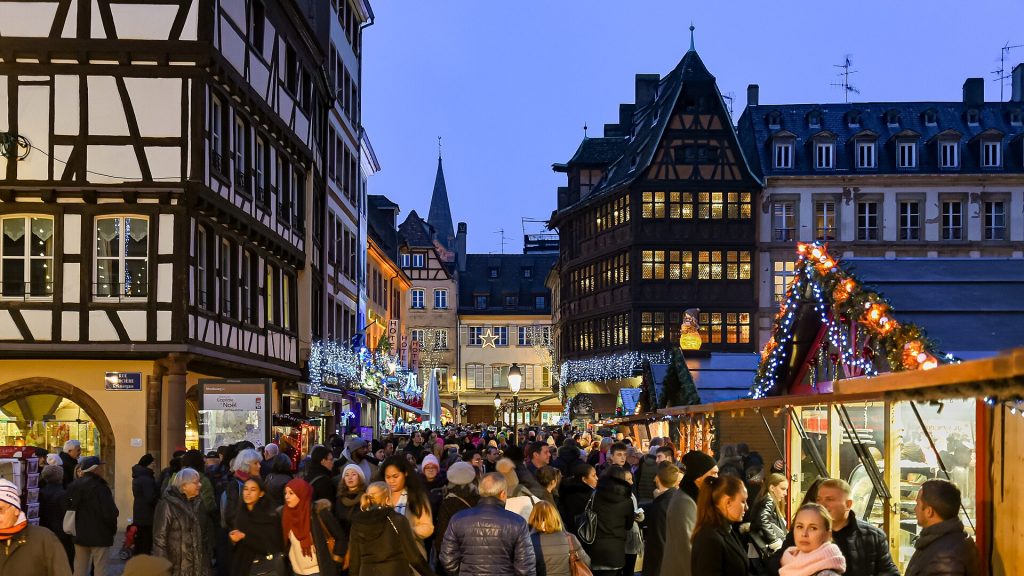
Many German, Swiss and French markets keep the old rule that the market ends on Christmas Eve or earlier. Nuremberg, Munich, Dresden and Strasbourg all close on 24 December, usually at lunchtime or in the afternoon: Nuremberg and Munich at 2pm, Dresden at 2pm, and Strasbourg’s chalets at 6pm. Cologne’s Cathedral market and Basel close on 23 December.
For a trip between Christmas and New Year, choose from this 2026 list:
- To 26 December: Vienna Rathausplatz.
- To 31 December: Berlin Gendarmenmarkt, Budapest Vörösmarty tér.
- To 1 January 2027: Salzburg, Advent Bazilika in Budapest.
- To 3 January 2027: Brussels, Bratislava, Edinburgh, Cologne harbour market, and Colmar’s Place Rapp food market and big wheel.
- To 6 January 2027: Tallinn, Prague Old Town Square and Wenceslas Square.
- To 10 January 2027: Heinzels Wintermärchen in Cologne’s Altstadt.
Even these markets may close or open shorter hours on 24–26 December and 1 January. Salzburg, for example, opens 9am to 3pm on 24 December and 11am to 6pm on 25 and 26 December, and Berlin’s Gendarmenmarkt closes at 6pm on Christmas Eve.
Markets still waiting on 2026 dates
Four big names had not published firm 2026 dates on their official pages when we checked. Copenhagen’s Tivoli usually begins its Christmas season in mid-November; the 2025–26 season ran from 14 November to 4 January. Zurich’s indoor Polarzauber market at the main station was listed as seasonally closed until 19 November 2026, so expect it to reopen around then. Bruges’ Winter Glow ran from 21 November 2025 to 4 January 2026. Kraków’s Main Market Square market opened on 28 November 2025 with 105 stalls and ran until 1 January 2026.
Treat these past dates as a guide to the pattern, not a promise. If one of these cities is the focus of your trip, book flexible accommodation until the organiser confirms the dates. For Kraków, check the City of Kraków’s official site, krakow.pl; for Bruges, visitbruges.be; for Tivoli, tivoli.dk; and for Zurich, zuerich.com.
A suggested route: four markets in six days by train
The densest cluster of first-rate markets lies along the Danube and in central Germany. Here is one route for the opening week of 2026:
Days 1–2 (Mon 23–Tue 24 November), Vienna. Rathausplatz has been open since 13 November, so the market is in full swing. Day 3 (Wed 25), Salzburg. Take the train west for the market around the cathedral, open since 19 November. Day 4 (Thu 26), Munich. Spend the evening on Marienplatz. Day 5 (Fri 27), Nuremberg. Arrive in good time for the opening prologue on the Hauptmarkt at 5.30pm. Day 6 (Sat 28), Dresden. The Striezelmarkt has been open since 25 November, and the evening before the 1st Sunday of Advent is a lively time to be there.
A western alternative links Cologne (Cathedral market from 16 November), Strasbourg and Colmar (Friday 27 November onwards) and Basel (from 26 November), which are close together by rail. For a post-Christmas trip, Prague, Bratislava, Vienna and Budapest work well because their main markets stay open after 25 December. Our guide to the best places to visit in Europe has more ideas for building a longer trip.
Practical tips for timing your visit
Go on a weekday, early. Most German and Austrian markets open at 10 or 11am. Mornings and early afternoons from Monday to Thursday are far calmer than Friday and Saturday evenings. Berlin’s Gendarmenmarkt, which charges €2 entry, is free for everyone from 11am to 2pm on weekdays, except on 24–26 and 31 December.
Watch the 24 December cut-off. If you arrive on Christmas Eve, assume most German markets close by mid-afternoon.
Book central hotels early. Opening weekends in Nuremberg, Strasbourg and Dresden fill fast. The first weekend of Advent, 28–29 November 2026, is usually the busiest of all.
Bring cash and a bag. Many stalls accept cards now, but not all. Mulled wine usually comes in a mug with a deposit, refunded when you return the mug.
Re-check before you travel. Organisers sometimes adjust hours in the final weeks, so open each market’s official page a few days before you go.

Plan your Christmas market trip
- Vienna: tickets and tours on Tiqets · activities on Klook
- Prague: tickets and tours on Tiqets · activities on Klook
- Budapest: tickets and tours on Tiqets · activities on Klook
- Strasbourg: tickets and tours on Tiqets · activities on Klook
- Arriving by plane: pre-book an airport transfer with Welcome Pickups
- Mobile data: get a travel eSIM from Airalo
Some of these are affiliate links: if you book through them we may earn a small commission, at no extra cost to you.
Frequently asked questions
When do Christmas markets start in Europe in 2026?
The first big markets open on Friday 13 November 2026: Vienna’s Rathausplatz, both central Budapest markets and Cologne’s harbour market. Most traditional markets open between 23 and 28 November, in the week before the 1st Sunday of Advent on 29 November. These include Dresden (25 November), Nuremberg, Strasbourg and Brussels (27 November) and Prague’s Old Town Square (28 November).
What is the best week to visit Europe’s Christmas markets?
The week from 30 November to 4 December 2026 is a strong choice. Every major market in our table that has confirmed dates is open by then, and the opening-weekend crowds have gone. Weekday visits within that week are calmest. If you want to see Nuremberg’s opening prologue instead, plan to be there on Friday 27 November.
Are Christmas markets open on 25 December?
Most German, Swiss and Alsatian markets are not: Nuremberg, Munich, Dresden and Strasbourg close on 24 December, and Cologne Cathedral and Basel on 23 December. Some markets do open on Christmas Day with shorter hours. Salzburg opens 11am to 6pm on 25 December, and Colmar’s markets were listed as open 10am to 7pm. Check each market’s own holiday hours.
Which Christmas markets are open in January 2027?
Tallinn and Prague’s Old Town Square and Wenceslas Square run until 6 January 2027. Cologne’s Heinzels Wintermärchen in the Altstadt continues until 10 January. Brussels, Bratislava, Edinburgh’s Christmas and Cologne’s harbour market close on 3 January, and Salzburg and Budapest’s Advent Bazilika close on 1 January.
Why do some markets show TBC?
We list only dates that the organiser or the city has published for 2026. When we checked in early November 2026, firm 2026 dates were not available for Copenhagen’s Tivoli, Zurich’s Polarzauber, Bruges’ Winter Glow or Kraków’s Main Square market. We have given the 2025–26 dates as a guide and will update the table once official dates appear.
Photos: Elekes Andor, CC BY-SA 4.0, via Wikimedia Commons; Jorge Franganillo, CC BY 2.0, via Wikimedia Commons; Hynek Moravec, CC BY 2.5, via Wikimedia Commons; Araldica81, CC BY-SA 4.0, via Wikimedia Commons; Basotxerri, CC BY-SA 4.0, via Wikimedia Commons
Planning a bigger trip? See our guide to the 25 best places to visit in Europe, from city breaks to fjords.