Updated
Most European itineraries follow the same well-worn grooves: capitals, cathedrals, famous beaches. But scattered across the continent are places that look as if they belong in a different world. There is a chapel decorated with human bones, a forest where every tree bends the same way, a village wedged under a cliff and an amusement park at the bottom of a salt mine.
This guide gathers ten of the most unusual travel destinations in Europe, chosen because each one is genuinely strange or striking rather than simply off the beaten track. All are open to visitors and reachable without an expedition, and most fit easily into a wider trip. For each, we explain what makes it unusual, how to get there and how to visit well.
- Best for: curious travellers, photographers and anyone tired of the usual highlights.
- When to go: spring and autumn suit most of these places; the Norwegian hike is summer only.
- Getting there: nearly all are a day trip from a city or regional airport, often easier by car.
- Respect: several are religious or memorial sites, so dress modestly and keep noise down.
- Booking tip: buy timed tickets online where possible, as the most famous sites now get busy.
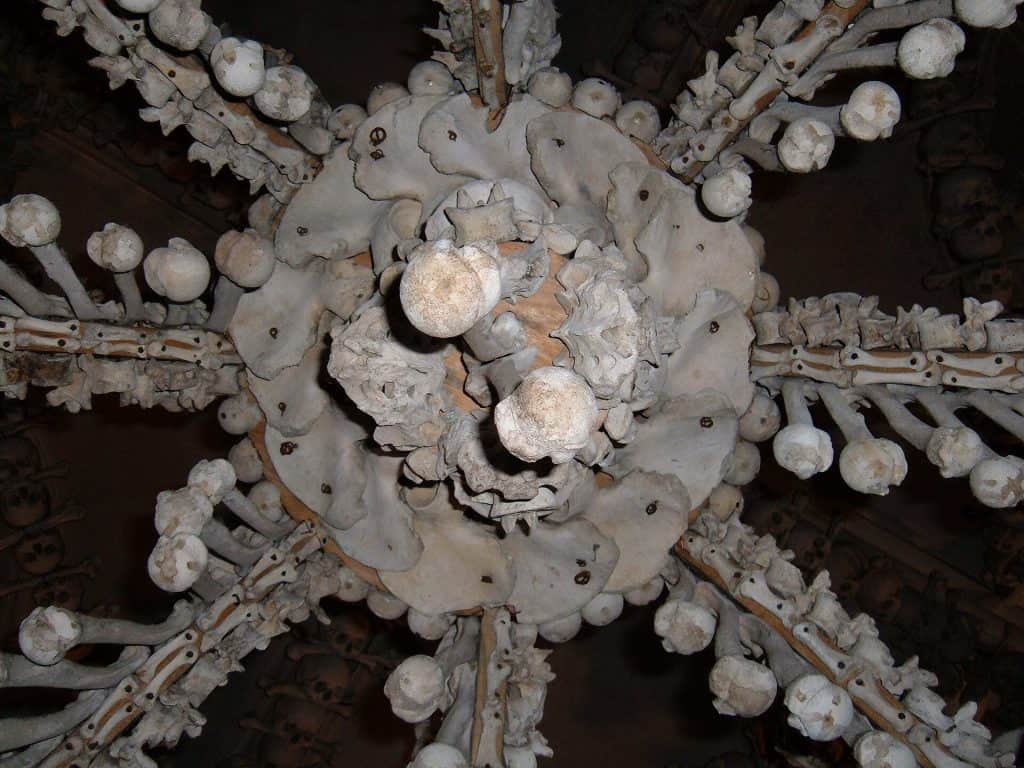
1. Sedlec Ossuary, Czech Republic
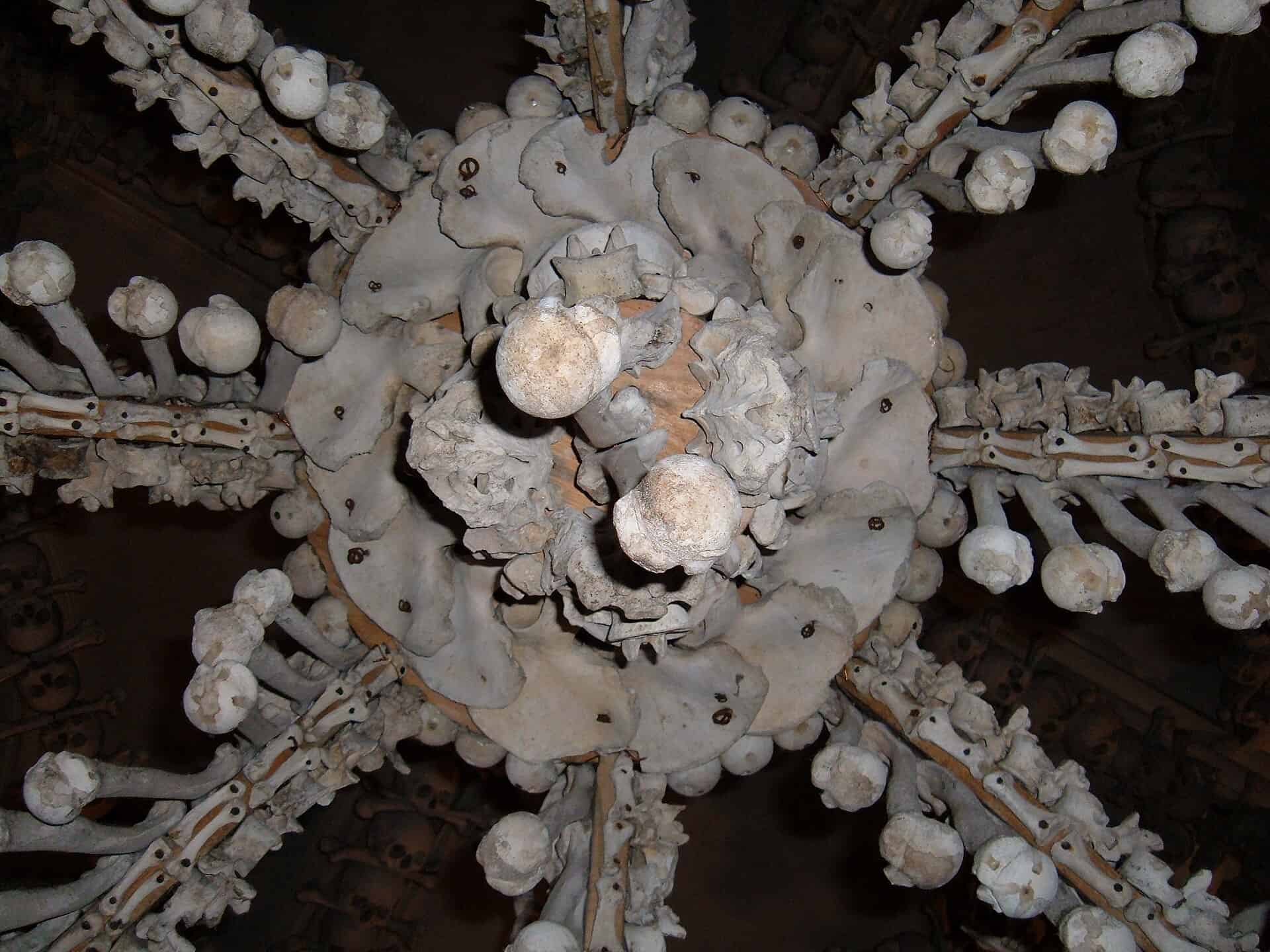
Beneath a small Gothic cemetery chapel in Sedlec, a suburb of Kutná Hora, lie the bones of an estimated 40,000 to 70,000 people. In 1870 the Schwarzenberg family employed a woodcarver, František Rint, to put the heaps of bones in order, and he arranged them into extraordinary decorations. A chandelier said to contain at least one of every bone in the human body hangs from the centre, there is a Schwarzenberg coat of arms made of bones, and Rint signed his work in bone near the entrance.
It is macabre, but it is also a place of prayer, so behave accordingly. Kutná Hora is about 52 km east of Prague and makes an easy day trip by train. Its historic centre, a UNESCO World Heritage Site since 1995, includes the soaring Gothic St Barbara’s Church, built on the wealth of medieval silver mines.
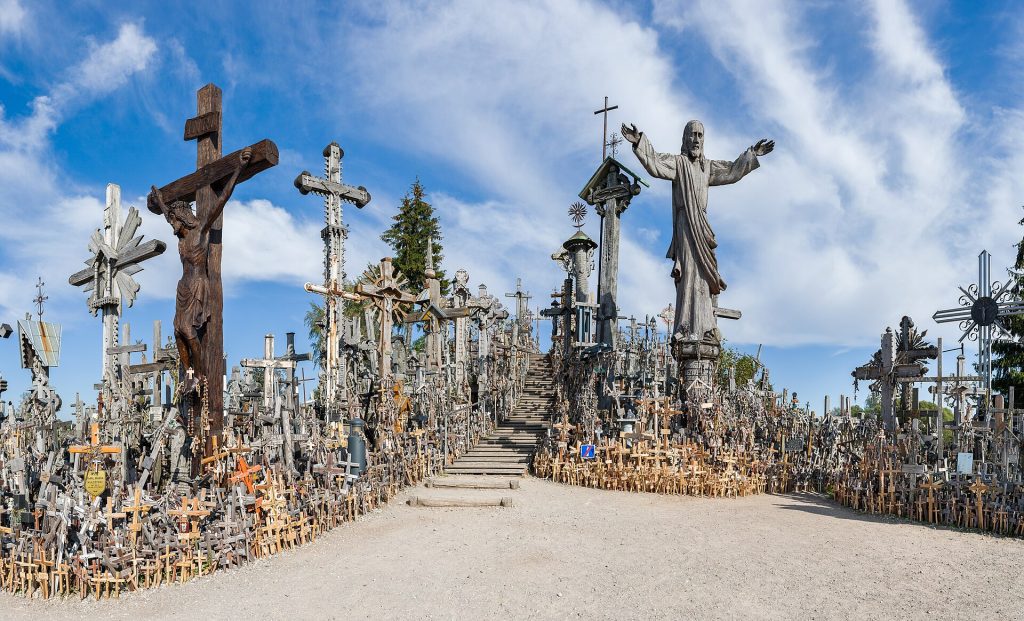
2. Hill of Crosses, Lithuania
About 12 km north of Šiauliai, a low former hill fort is covered with so many crosses that no one knows the exact number; estimates passed 100,000 in 2006. Large carved crucifixes stand among thousands of small crosses, rosaries and pictures, and the wind makes them click and rattle.
The first crosses are thought to have been placed after the 1831 uprising by families who could not recover the bodies of fallen rebels. In the Soviet period the authorities bulldozed the hill three times, and each time people returned, often at night, to plant new crosses. Pope John Paul II visited in 1993. Visitors are welcome to leave a cross of their own; there are stalls nearby. Go early or late in the day for the most atmospheric light.
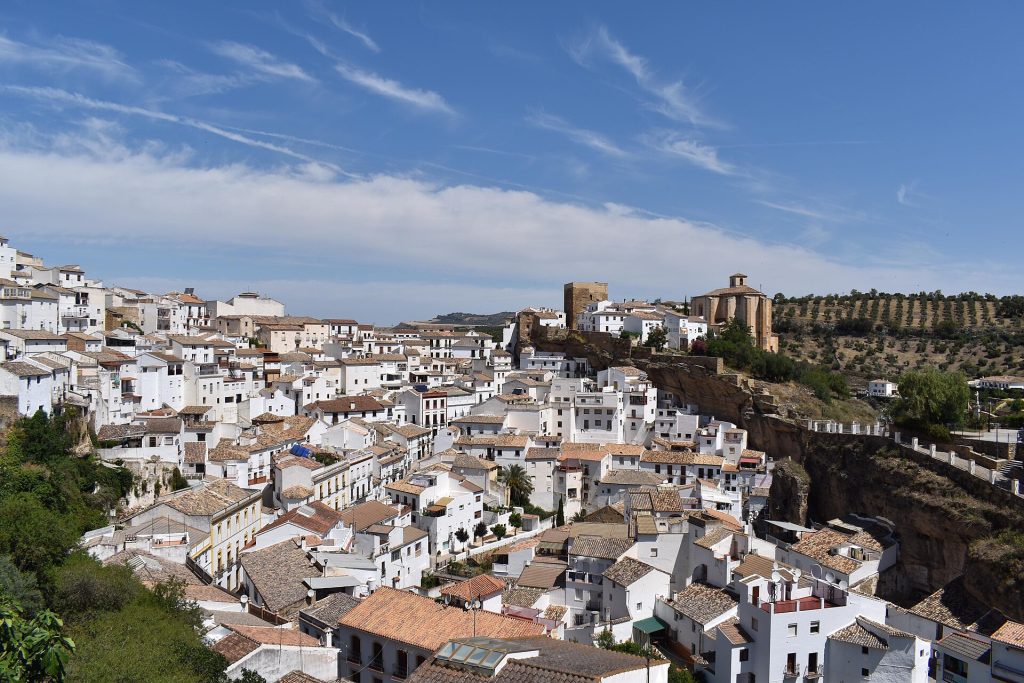
3. Setenil de las Bodegas, Spain
Most Andalusian white villages sit on hilltops. Setenil de las Bodegas, in the province of Cádiz, sits inside a gorge, with its houses built straight into the rock formation above the Río Guadalporcún. In several streets the cliff forms the roof, so that bars and homes appear to be crushed beneath a giant stone wave.
The two best-known lanes, Cuevas del Sol and Cuevas de la Sombra, show the contrast between the sunny and shaded sides of the gorge. Setenil lies north-west of Ronda and combines well with a tour of the white villages. Parking in the centre is very limited, so leave the car at the edge of the village and walk in.
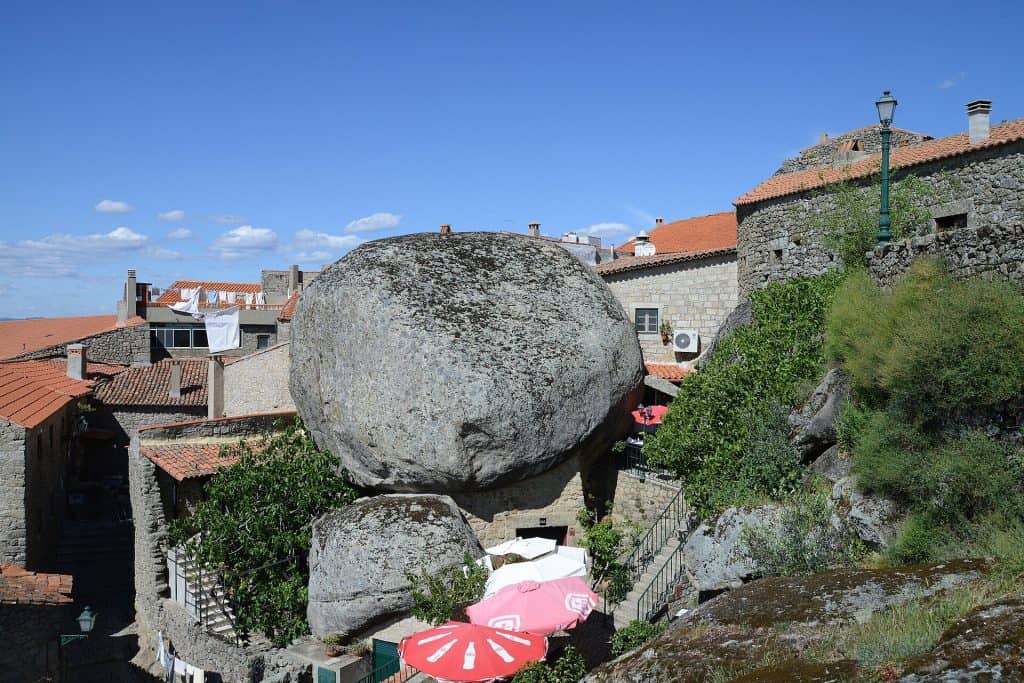
4. Monsanto, Portugal
On a steep hillside in the Castelo Branco district of central Portugal, the village of Monsanto has been built around, between and underneath huge granite boulders. Some houses use a rock as a wall, others have a single boulder as their roof. In 1938 a national contest named it “the most Portuguese village in Portugal”.
Follow the cobbled lanes up to the ruined castle at the top for wide views across the plains towards Spain. The castle was rebuilt in the Middle Ages but wrecked in the 19th century by an explosion in its ammunition store. Monsanto is a long drive from Lisbon or Porto, so it is best combined with the other historic villages of the region, such as Idanha-a-Velha nearby.
5. Salina Turda, Romania
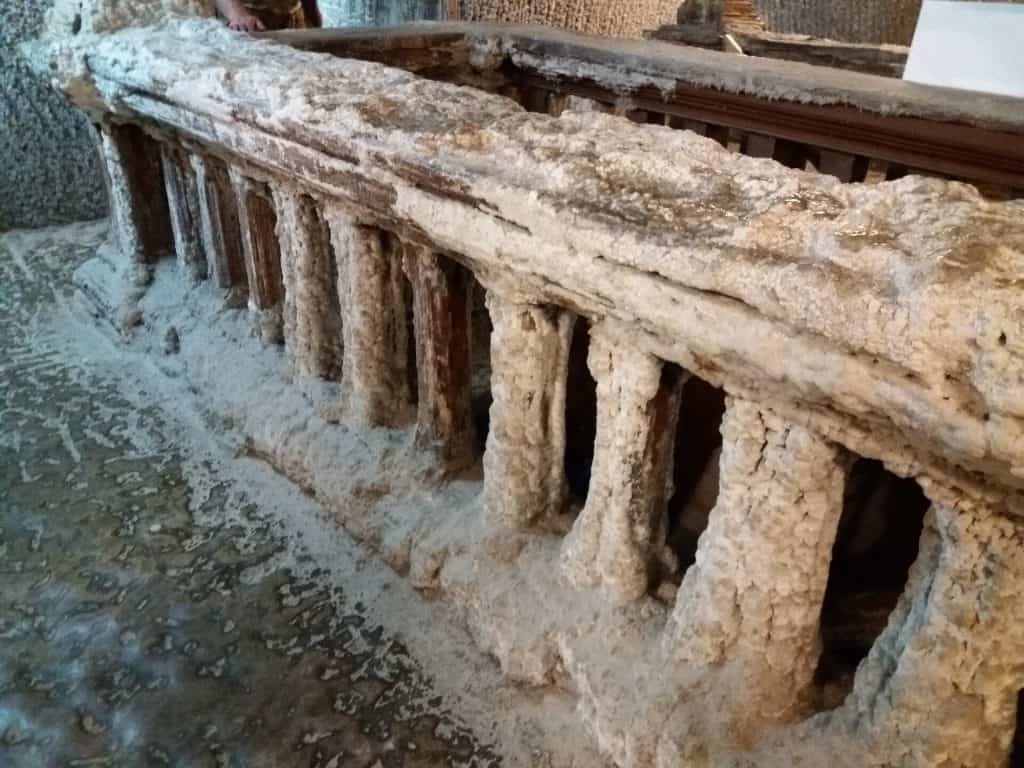
Salt has been mined at Turda, in Transylvania, since antiquity, and the first document referring to the mine dates from 1271. After mining ended, the chambers served as a shelter during the Second World War and later as a cheese store. Since a major renovation that reopened it in 2010, it has become one of Europe’s oddest attractions.
Deep underground, in vast chambers with ceilings around 50 m high, you will find a Ferris wheel, a mini-golf course, a bowling alley, a small amphitheatre and boats on an underground lake. The temperature stays at around 11 to 12°C all year, so bring a jumper even in August. Turda is around 30 km from Cluj-Napoca.
6. Meteora, Greece
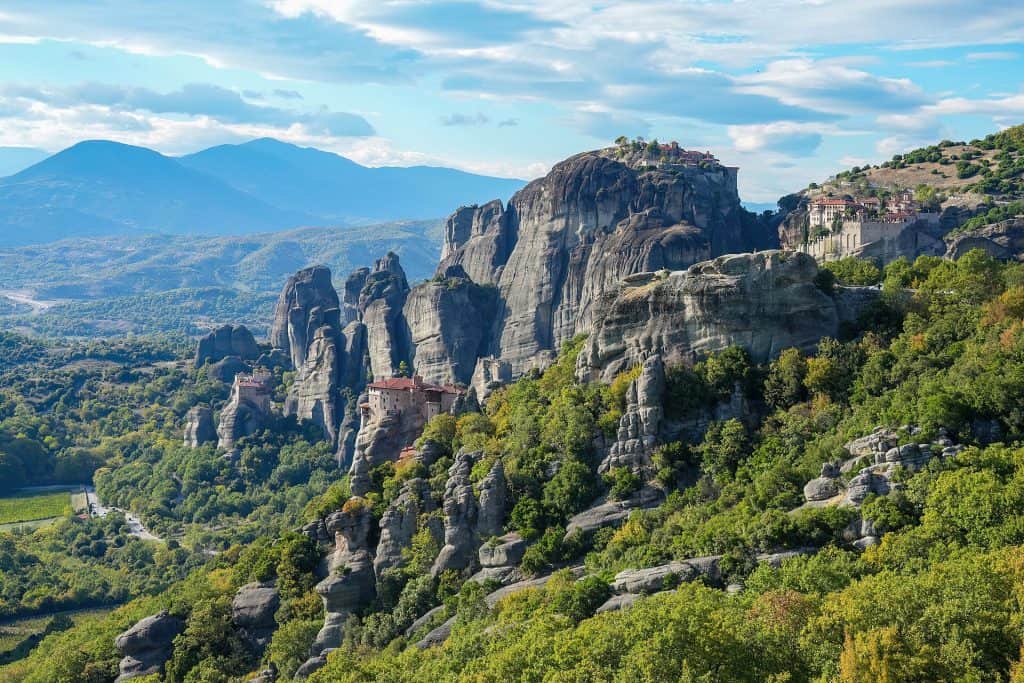
In central Greece, above the town of Kalabaka, monks built monasteries on top of sheer rock pillars. At their peak in the 16th century there were 24 of them. Until the 1920s, when steps were cut into the rock, monks and supplies were hauled up in nets and baskets or climbed long ladders. Six monasteries survive, and Meteora has been a UNESCO World Heritage Site since 1988.
The monasteries take turns to close on different days of the week, so check which are open before you plan your visit. Shoulders and knees must be covered, and women are generally asked to wear a skirt; wraps are often available at the entrance. For the best light, walk the old footpaths from Kastraki at sunrise or stay for sunset.
7. Crooked Forest, Poland
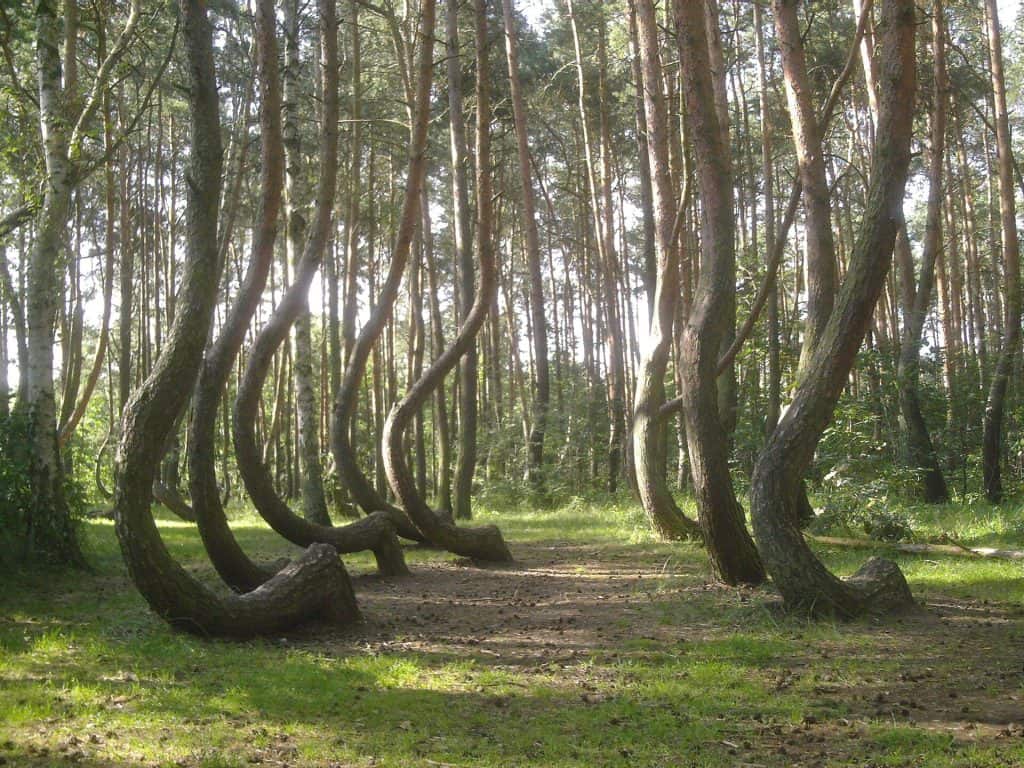
Near the village of Nowe Czarnowo, close to Gryfino in western Poland, stands a grove of around 400 Scots pines. Each one bends sharply just above the ground, curves north, then grows upright again, so that the trunks look like a row of question marks. The trees were planted around 1930, when the area was part of Germany.
No one knows for certain why they grew this way. The most common theory is that foresters deliberately shaped them to produce curved timber for furniture or boatbuilding, but no records confirm it. The forest is a protected natural monument. It is a short drive south of Szczecin, and Berlin is close enough for a long day trip.
8. Kjeragbolten, Norway
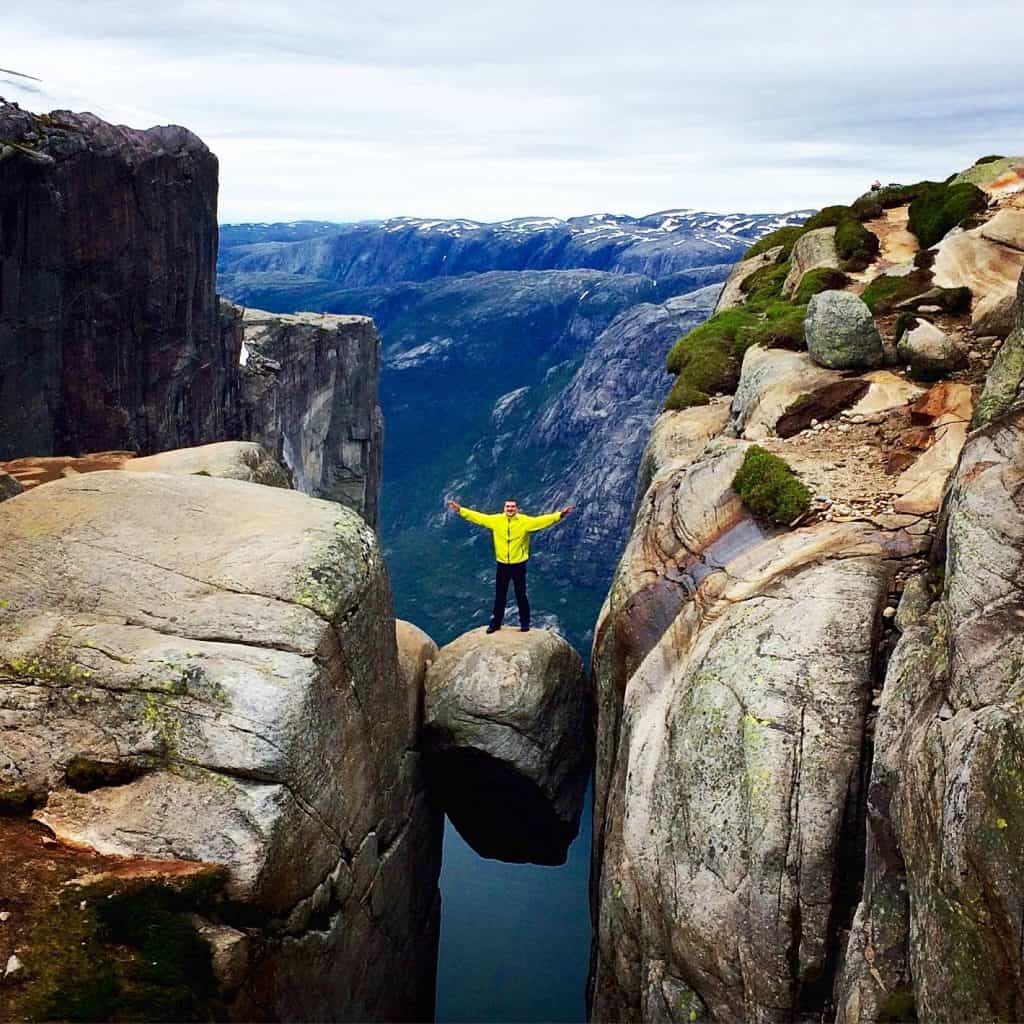
High on the Kjerag massif above the Lysefjord, a glacial boulder of around 5 cubic metres is jammed in a crack in the rock, hanging above a drop of 984 m. Hikers line up to step out onto it for a photograph, a moment that is far more nerve-racking in person than it looks.
Reaching it is a serious hike: about 11 km return from the Øygardstøl car park, with around 800 m of ascent, and six to ten hours on the trail. Some steep sections have fixed wires to haul yourself up, and the rock is slippery in rain. The mountain road usually opens around mid-May and closes in October or November. You can reach the trailhead by car via Sirdal or on the car ferry from Stavanger to Lysebotn, and a summer bus runs from Stavanger. Stepping onto the boulder is entirely optional, and the views from the plateau are reward enough.
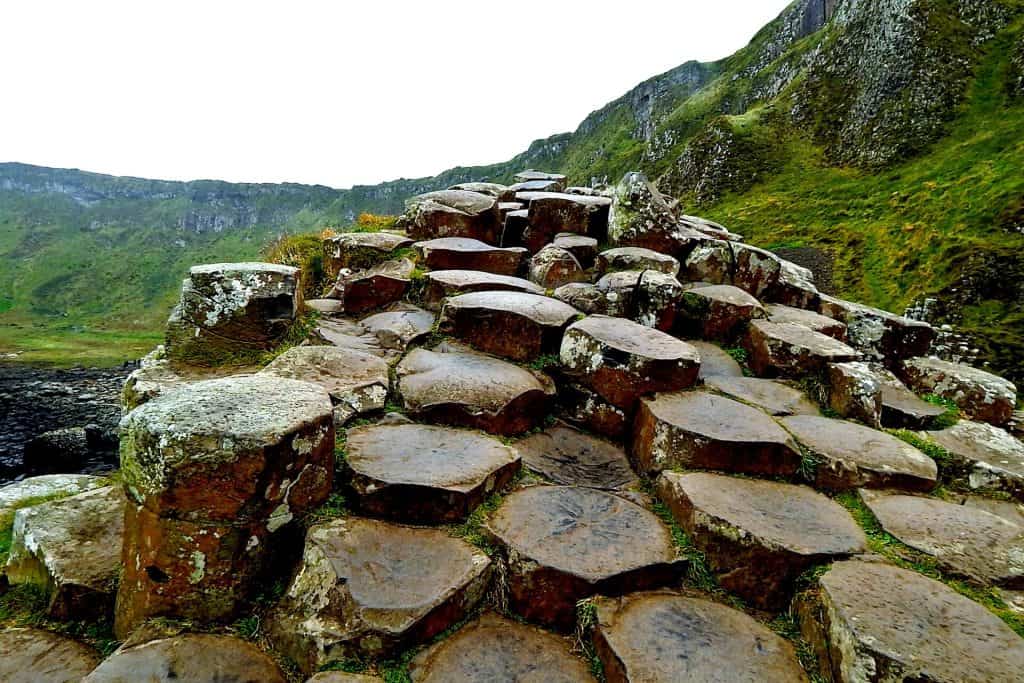
9. Giant’s Causeway, Northern Ireland
On the north coast of County Antrim, about 5 km north-east of Bushmills, roughly 40,000 interlocking basalt columns step down into the sea. Most are hexagonal, and they formed 50 to 60 million years ago when lava cooled and cracked. Irish legend gives a better story: the giant Finn McCool built the causeway to reach his Scottish rival Benandonner. Similar columns appear at Fingal’s Cave on the island of Staffa across the water.
The site became a UNESCO World Heritage Site in 1986 and is managed by the National Trust. Access to the stones is free; the visitor centre charges a fee. Come early or late to avoid the coach tours, and walk the cliff-top path for the best overview.
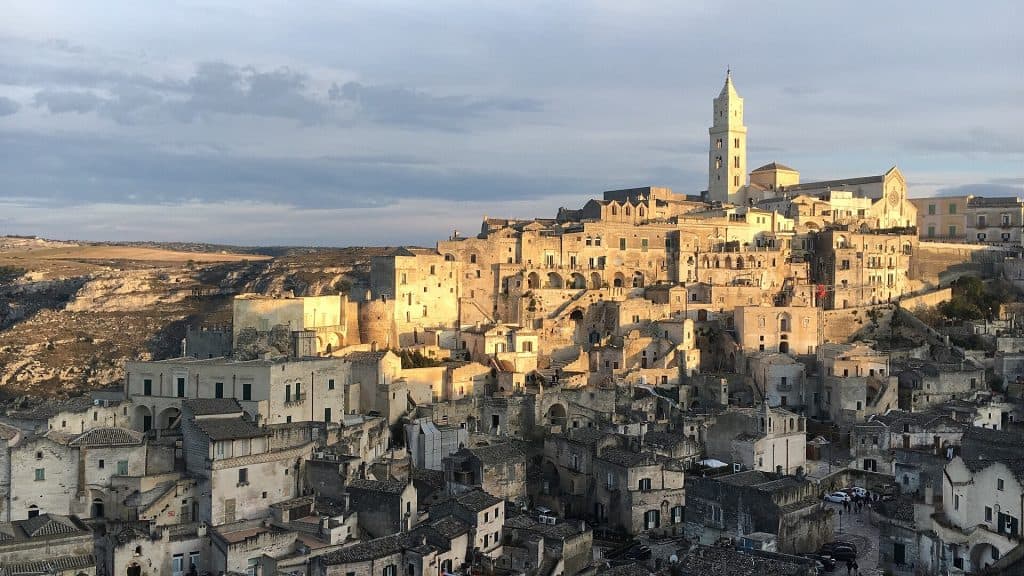
10. Matera, Italy
The Sassi di Matera, in the southern region of Basilicata, are two ancient districts of houses, churches and cellars carved into the soft rock of a ravine. People lived in these caves for thousands of years. By the mid-20th century conditions were so poor that, in the 1950s, the government moved most residents to new housing elsewhere in the city.
The turnaround has been remarkable. The Sassi became a UNESCO World Heritage Site in 1993, together with the nearby Park of the Rupestrian Churches, and Matera was a European Capital of Culture in 2019. Today you can sleep in a cave hotel, visit frescoed rock churches and look across the ravine at the city lit up at night.
Planning your trip
Combine them with nearby highlights
Most of these places pair naturally with a better-known destination: Sedlec with Prague, Setenil with Ronda and Seville, Salina Turda with Cluj-Napoca, Kjeragbolten with Stavanger and the Pulpit Rock hike, and the Giant’s Causeway with the rest of the Causeway Coast.
Getting around
Public transport reaches Kutná Hora, Matera and Kalabaka easily. For Monsanto, Setenil, the Crooked Forest and Kjerag, a hire car gives you far more freedom, though tours run from nearby cities.
Visiting tips
- Check current opening times and ticket rules before you go, as they change seasonally.
- Dress modestly for religious sites such as Sedlec, Meteora and the Hill of Crosses.
- Bring proper boots, water and food for Kjerag, and turn back if the weather turns.
- Bring warm layers for Salina Turda, whatever the weather outside.
Plan your trip
- Czech Republic: tickets and tours on Tiqets · activities on Klook
- Lithuania: tickets and tours on Tiqets · activities on Klook
- Spain: tickets and tours on Tiqets · activities on Klook
- Arriving by plane: pre-book an airport transfer with Welcome Pickups
- Road trip: compare car hire on Localrent
- Mobile data: get a travel eSIM from Airalo
Some of these are affiliate links: if you book through them we may earn a small commission, at no extra cost to you.
Planning a bigger trip? See our guide to the 25 best places to visit in Europe, from city breaks to fjords.
Keep exploring
- Europe’s Most Unusual River Bridges to Walk Across: 8 Crossings
- The Most Unusual Things to Do in Paris: 10 Offbeat Ideas
Frequently asked questions
What is the strangest place to visit in Europe?
For pure strangeness, the Sedlec Ossuary in the Czech Republic and the Crooked Forest in Poland are hard to beat. One is decorated with the bones of tens of thousands of people; the other is a grove of pines that all bend the same way for reasons nobody can fully explain.
Is the Sedlec Ossuary worth visiting?
Yes. The chapel is small and a visit takes under an hour, but it is unlike anywhere else, and Kutná Hora itself, with St Barbara’s Church and its historic centre, easily fills a day trip from Prague.
Is it safe to stand on Kjeragbolten?
Thousands of people do it every summer, but there is a 984 m drop and no barrier, so the risk is real. Only step on in dry, calm conditions, take your time, and do not feel obliged; the hike is worth it for the views alone.
Photos: BrokenSphere, CC BY-SA 3.0, via Wikimedia Commons; Diliff, CC BY-SA 3.0, via Wikimedia Commons; Wiki2Fred, CC BY-SA 4.0, via Wikimedia Commons; Alvesgaspar, CC BY-SA 4.0, via Wikimedia Commons; Pomptidom, CC BY-SA 4.0, via Wikimedia Commons; Giles Laurent, CC BY-SA 4.0, via Wikimedia Commons; Artur Strzelczyk, CC BY-SA 3.0, via Wikimedia Commons; Scoundrelgeo, CC BY-SA 4.0, via Wikimedia Commons; Suzanne Mischyshyn, CC BY-SA 2.0, via Wikimedia Commons; Gigi.Parentini, CC BY-SA 4.0, via Wikimedia Commons.