Updated
Bulgaria’s Black Sea coast runs for roughly 380 kilometres from the Romanian border in the north to the Turkish border in the south, and it holds two very different kinds of beach holiday. One is the package resort: long, gently shelving sand, rows of loungers, high-rise hotels and, in places, a loud night scene. The other is the wild coast of river mouths, dunes and coves reached by dirt track, with few or no facilities.
This guide is honest about both. It starts with the three big resorts most visitors book, says plainly who each one suits, then works through the quieter beaches from north to south, and ends with the historic towns that make the best bases if you want old streets as well as sand.
Bulgarian beaches at a glance
- Best for families: Albena, the northern and southern ends of Sunny Beach, and the shallow bays around Sozopol.
- Best for nightlife: Sunny Beach, followed by Golden Sands.
- Best wild beaches: Irakli, Karadere, the Veleka mouth at Sinemorets, Silistar and the long strand at Durankulak.
- When to go: late June to early September for warm water and lifeguards; June and September are calmer and cheaper.
- Airports: Varna for the northern coast, Burgas for the southern half.
- Getting around: buses link the towns and resorts, but the wild beaches really need a car.
1. Sunny Beach: biggest, busiest, loudest
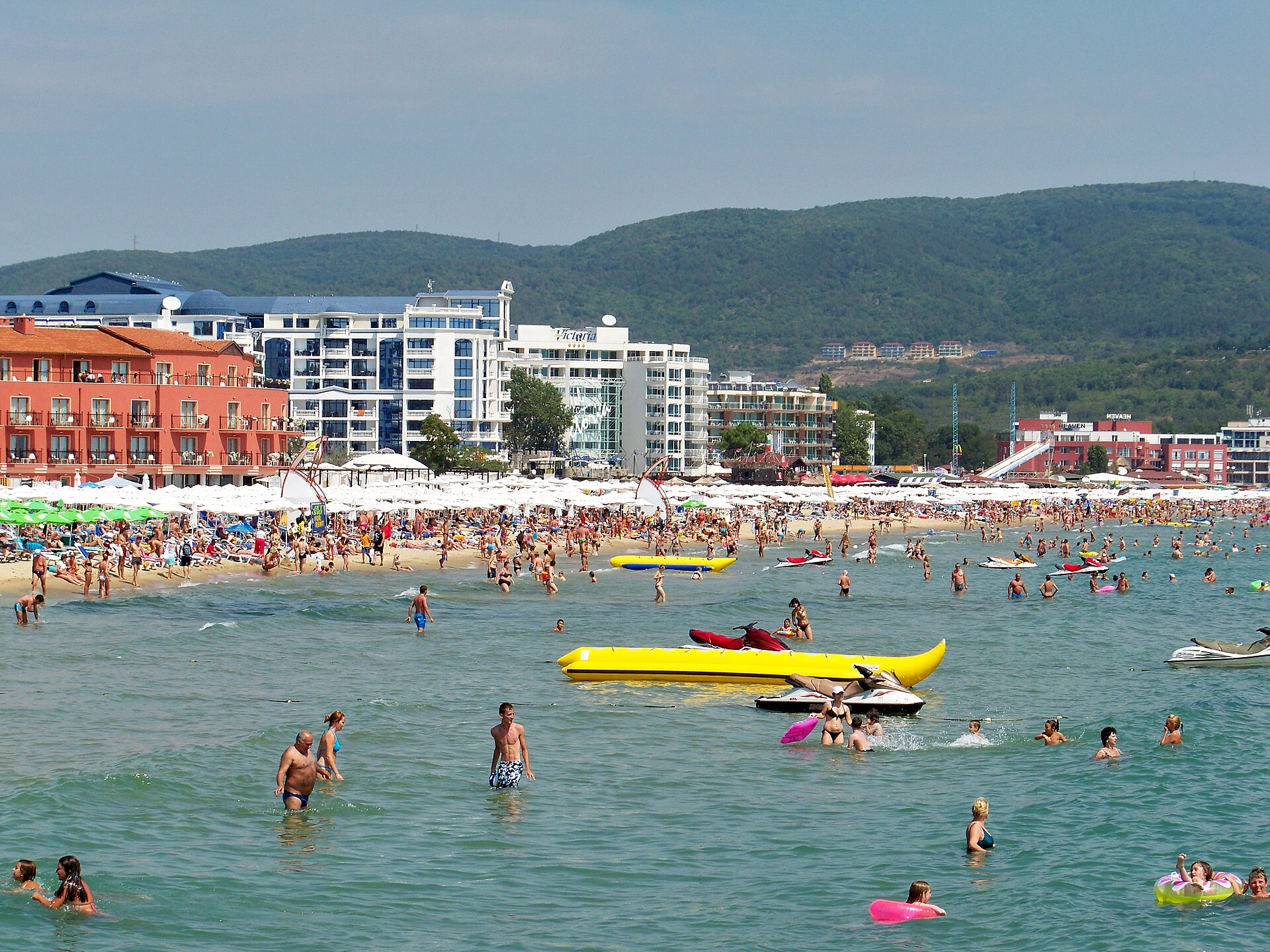
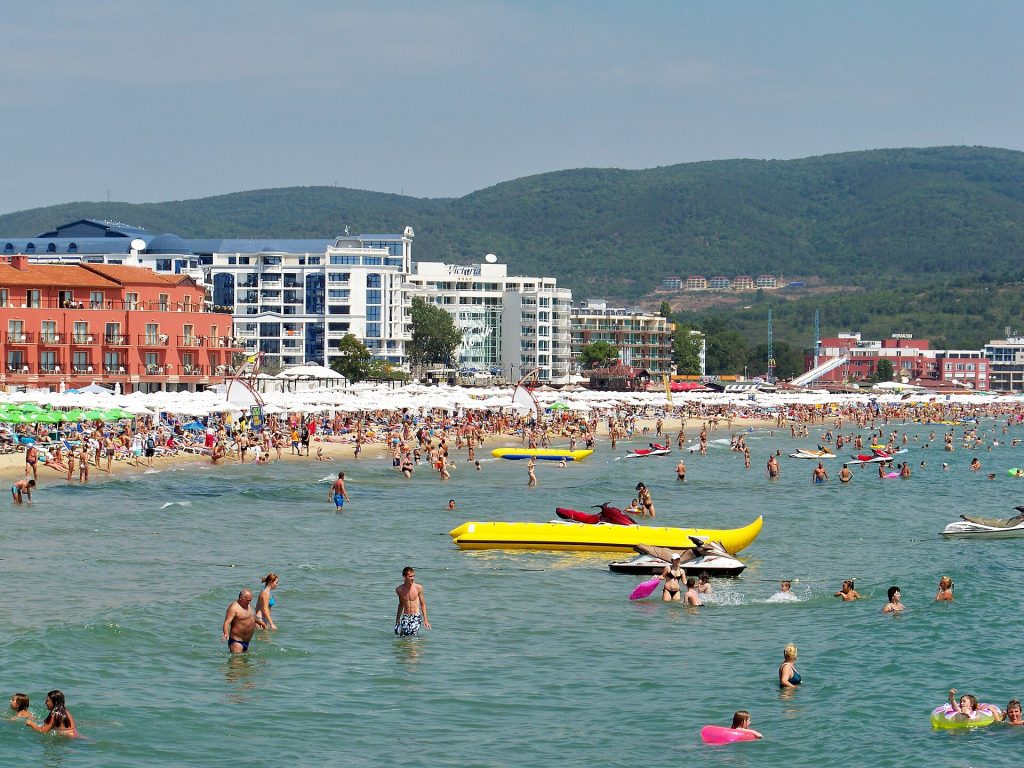
Sunny Beach (Slanchev Bryag) is Bulgaria’s largest resort, a wall of hotels behind a sandy beach of around 8 kilometres, about 35 kilometres north of Burgas. The sand is fine and the water shelves slowly, which is why many families come. It is also the country’s party capital, with a dense strip of clubs, bars and cheap drinks aimed at young groups and stag parties, and the noise in the centre carries well after midnight.
Be clear about what you are booking. In July and August the central stretch is crowded from end to end, and touts and pushy restaurant staff are part of the scene. Families generally do better at the quieter northern end towards Sveti Vlas or at the southern end towards Nessebar, away from the main nightlife strip.
2. Golden Sands: a resort backed by forest
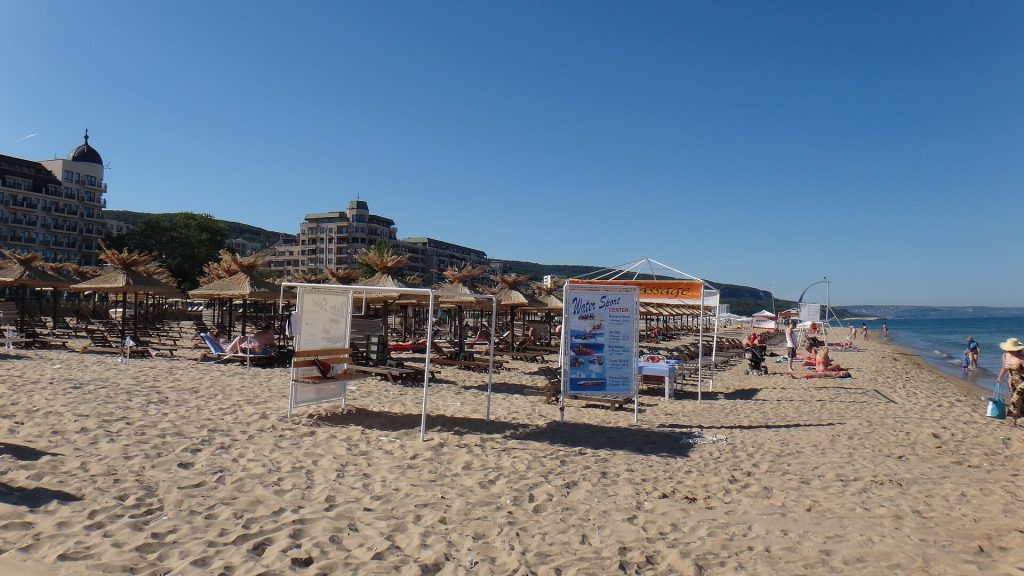
Golden Sands (Zlatni Pyasatsi), about 17 kilometres north of Varna, opened in 1957 and is the second of the big three. Its beach is around 3.5 kilometres of wide, pale sand, and the resort is more compact than Sunny Beach, with large hotels packed close to the shore and a busy nightlife zone of its own. It is crowded in high summer, though a notch calmer than Sunny Beach.
What sets it apart is the setting. The wooded hills directly behind form the Golden Sands Nature Park, protected since 1943 and crossed by marked paths. Inside it is the Aladzha Monastery, a medieval complex of cells and chapels cut into a limestone cliff, an easy half-day escape from the beach.
3. Albena: the family resort
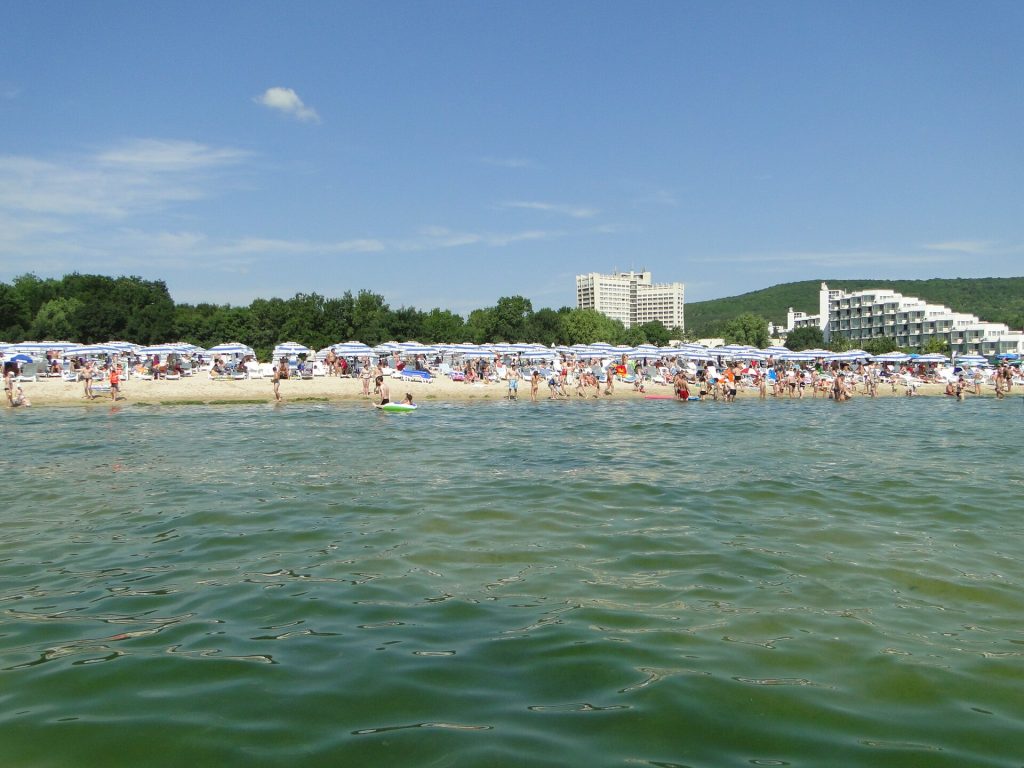
Albena, around 30 kilometres north of Varna, was built in the late 1960s as a planned resort and still feels more managed and spacious than the other two. The beach is about 5 kilometres long and unusually wide, the sea is shallow for a long way out and the evenings are quieter. It suits families with young children and anyone wanting an organised, quiet stay.
The trade-off is that Albena is self-contained, with few local streets to explore. For a change of scene, the town of Balchik is a short drive north (see the bases section below).
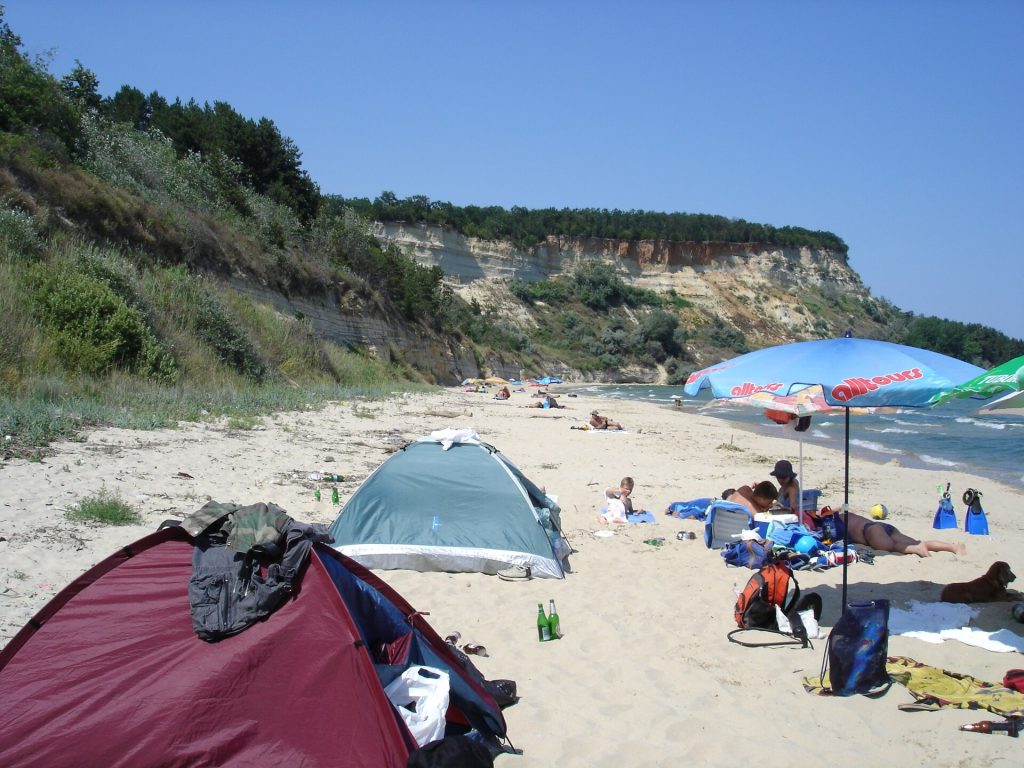
4. Kamchia and Shkorpilovtsi: the long beach south of Varna
South of Varna the resorts thin out quickly. Where the Kamchia river reaches the sea, it winds through a floodplain forest known as the longoz, part of the Kamchia nature reserve and the neighbouring Longoza protected area. In summer small boats usually take visitors a short way up the river.
From the river mouth a single beach runs south past the village of Shkorpilovtsi for roughly 12 kilometres, one of the longest continuous stretches of sand on the coast. There are hotels, campsites and beach bars near Kamchia and Shkorpilovtsi, but walk a kilometre in either direction and the crowds fall away. Open beaches like this can have strong currents when the wind blows onshore, so swim near a lifeguard post when flags are up.
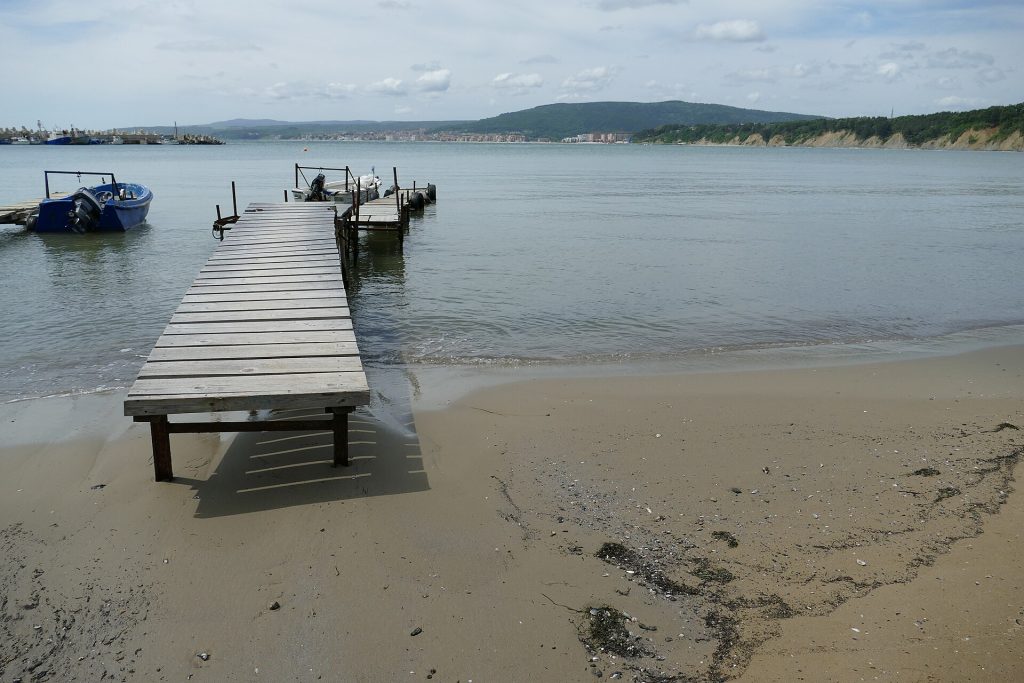
5. Karadere: wild, for now
Just north of the small town of Byala, Karadere is a long, empty curve of sand below green hills, reached by rough dirt tracks. There are no hotels, no fixed facilities and usually no lifeguards; people come with tents, campervans and their own water.
Its future has been argued over for years. The area overlaps Natura 2000 sites for birds and coastal habitats, and plans for a large resort here led to national protests in 2014. Those plans have since stalled, but the question of development has not been settled for good, so check the current situation before you go.
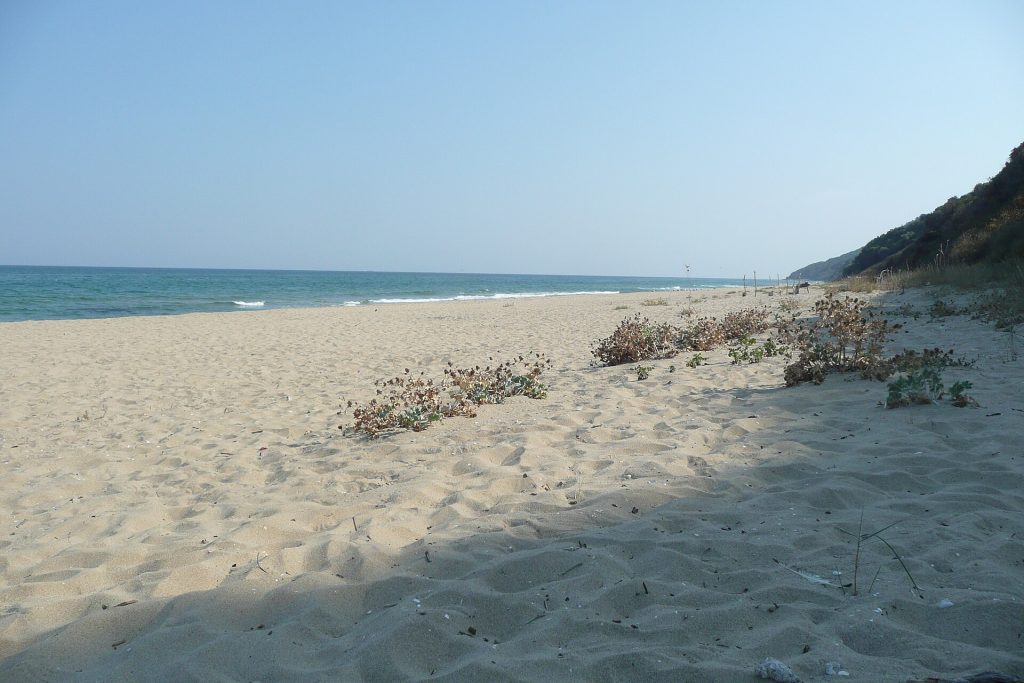
6. Irakli and Cape Emine
Irakli lies south of Obzor, reached by a turning off the main coast road, and is the best known of Bulgaria’s wild beaches. A sandy bay is backed by woodland, and a small river meets the sea at its northern end. The northern part has a few simple bars and places to stay; the southern part is quieter and more natural, with rocks and coves running towards Cape Emine, where the Balkan range drops into the sea.
Irakli has a complicated history. Part of the area falls within the Emine-Irakli Natura 2000 site, and holiday-complex projects behind the beach have been challenged in court and halted after protests, most visibly around 2012 and 2013. Some building has gone ahead nevertheless, so do not expect a completely untouched shore. Note that camping outside designated sites is generally not allowed on Bulgarian beaches, and rules are enforced more strictly than they once were; check locally.
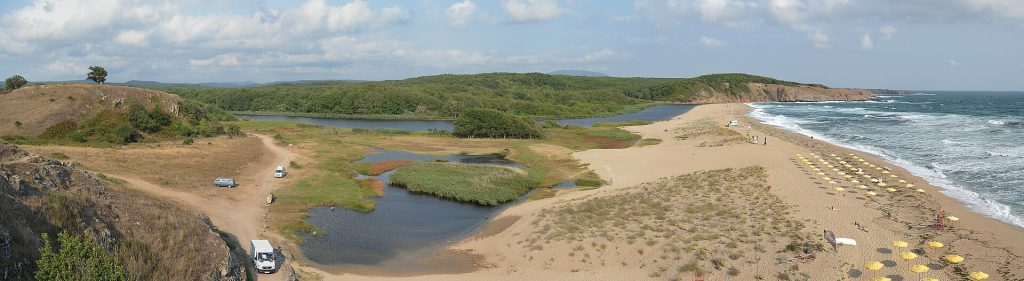
7. Sinemorets and the Veleka river mouth
Far to the south, inside the Strandzha Nature Park, Sinemorets is a village of guesthouses on a headland between two beaches. Butamyata, the more sheltered of the two, has loungers, bars and lifeguards in season. The more memorable one is Veleka beach to the north, where the Veleka river curves round a narrow sand spit before meeting the sea, so you can swim in fresh river water on one side and the Black Sea on the other.
A path follows the river through woodland to the mouth, roughly half an hour or more on foot from the village, and there are cliff walks along the headland. Rules for swimming and fires around the river mouth can change, so read the signs.
Silistar
Between Sinemorets and Rezovo, Silistar is a small sandy cove in a protected area declared in 1992, reached by a dirt road through the forest. There is a campsite nearby but little else. It fills up at August weekends and is almost empty outside the peak weeks.
8. Krapets and Durankulak: the far north
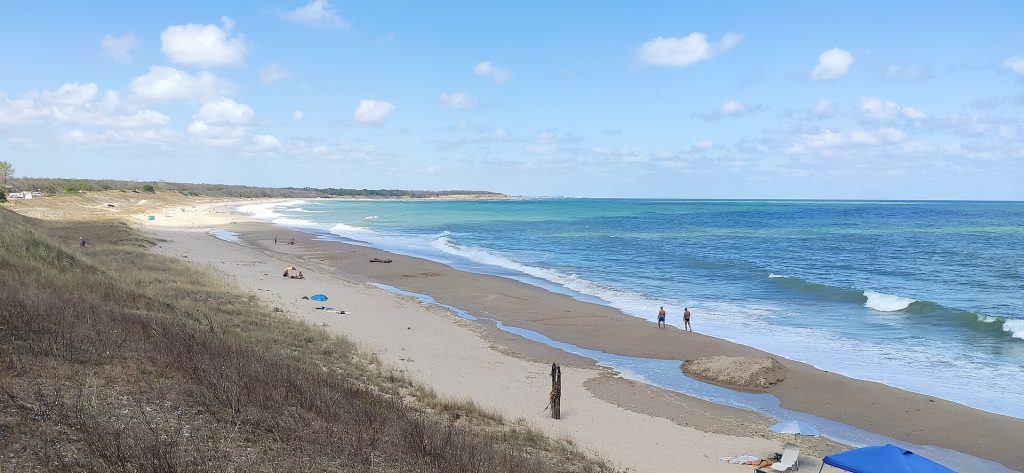
The northernmost stretch of the coast, past Cape Kaliakra and Shabla, is flat, open and windy, with long sandy beaches backed by dunes and almost no large hotels. Krapets is a small village with guesthouses at the southern end; the beach runs north towards Durankulak with plenty of room to spread out.
Behind the dunes is Lake Durankulak, a brackish lake separated from the sea by a narrow sand bar and listed as a Ramsar wetland. It is a nature reserve, so swimming there is not allowed, but it is a significant site for birds on the Via Pontica migration route. In winter it and nearby Shabla Lake hold large flocks of red-breasted geese. Bring shade and water.
Historic bases: Nessebar, Sozopol and Balchik
If you want history within reach of the beach, three towns stand out.
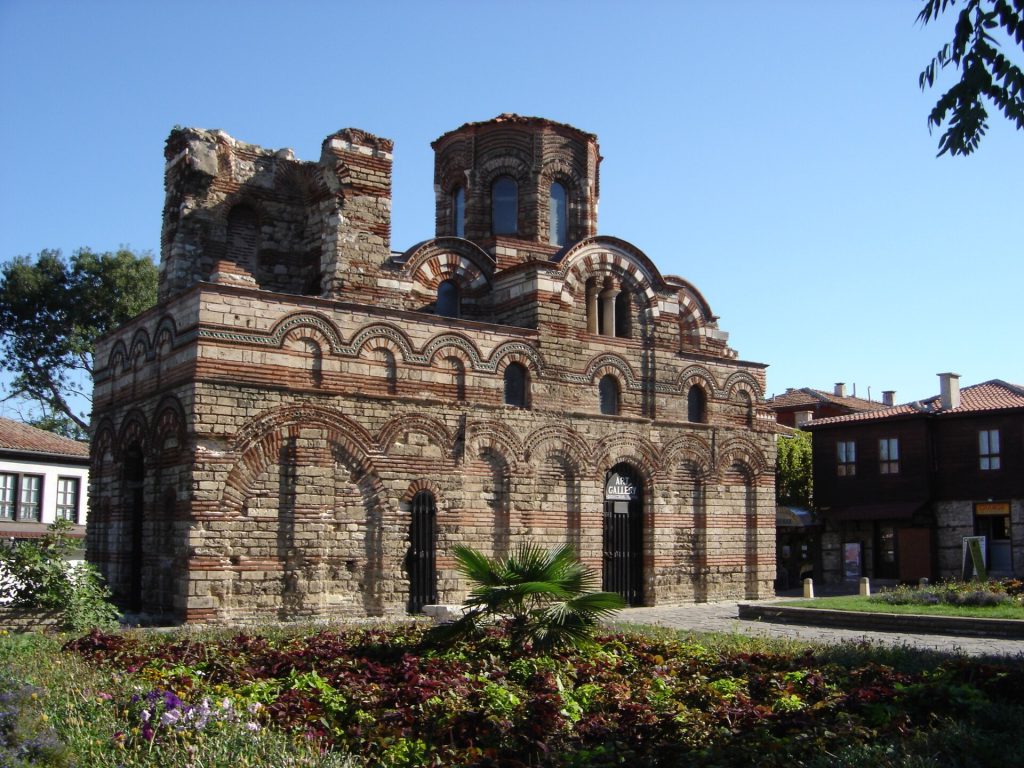
- Nessebar: an old town on a rocky peninsula joined to the mainland by a narrow isthmus, a UNESCO World Heritage Site since 1983, packed with medieval churches. It sits right next to Sunny Beach, so it is crowded by day; stay overnight to see it quiet.
- Sozopol: founded by Greek settlers as Apollonia Pontica, with an old town of stone and timber houses on its own peninsula, small town beaches and Harmanite beach in the newer part. Kavatsite, about 3 kilometres south, is a longer sandy beach in a protected area, often busy in August.
- Balchik: a terraced town north of Albena, known for the seaside palace and gardens built for Queen Marie of Romania from the mid-1920s, now a botanical garden.
Getting there and around
Varna and Burgas both have airports with summer flights from much of Europe. Varna is closer to Golden Sands, Albena, Balchik and the far north; Burgas is closer to Sunny Beach, Nessebar, Sozopol and Strandzha.
Regular buses link Varna and Burgas with the resorts and coastal towns, and minibuses run between smaller places in summer. To reach Karadere, Irakli’s quieter end, Silistar or the dune beaches in the north, hiring a car is far easier. Some access roads are unpaved.
When to go and beach tips
- Season: July and August are hottest and busiest. June and early September usually bring warm weather, fewer people and lower rates, though the sea is cooler in June.
- Off season: many resort hotels and beach bars close from autumn to spring; towns like Varna, Burgas and Sozopol stay open.
- Safety: swim near lifeguard posts on the big beaches and respect the flags. A red flag means no swimming. Wild beaches are usually unguarded.
- Loungers: on organised beaches, loungers and umbrellas are rented, but you can still lay your own towel in the free areas.
- Money: Bulgaria adopted the euro in January 2026. Small beach bars may prefer cash.
Plan your trip to Bulgaria
- Tickets and tours in Bulgaria: tickets and tours on Tiqets · activities on Klook
- Arriving by plane: pre-book an airport transfer with Welcome Pickups
- Road trip: compare car hire on Localrent
- Mobile data: get a travel eSIM from Airalo
Some of these are affiliate links: if you book through them we may earn a small commission, at no extra cost to you.
Planning a bigger trip? See our guide to the 25 best places to visit in Europe, from city breaks to fjords.
Keep exploring
- Skopelos Travel Guide: Chora, Glossa, Beaches, Hikes and Ferries
- Alicante City Guide: Old Town, Beaches, Day Trips and Where to Stay
- Corfu Travel Guide: Old Town, Where to Stay, Villages and Beaches
Frequently asked questions
What is the best beach in Bulgaria?
It depends on what you want. For an easy family holiday with facilities, Albena is the safest choice. For natural scenery, the Veleka river mouth at Sinemorets and the beaches of Irakli and Karadere are the ones Bulgarians themselves rate most highly.
Is Sunny Beach suitable for families?
It can be, if you choose a hotel at the northern or southern end away from the central nightlife strip. The beach itself is shallow and well guarded. In July and August the centre is loud and crowded late into the night, so families wanting calm may prefer Albena or Sozopol.
Is the Black Sea warm enough to swim in Bulgaria?
Yes, from about late June to mid-September the water is usually comfortable for swimming, and warmest in late July and August. In early June and late September it can feel cool, especially after a spell of onshore wind.
Photos: www.vacacionesbulgaria.com, CC BY-SA 4.0, via Wikimedia Commons; karel291, CC BY 3.0, via Wikimedia Commons; Nikolai Karaneschev, CC BY 3.0, via Wikimedia Commons; Svilen Enev Svik, CC BY-SA 3.0, via Wikimedia Commons; Kritzolina, CC BY-SA 4.0, via Wikimedia Commons; Paul Stephenson from London, CC BY 2.0, via Wikimedia Commons; Pudelek (Marcin Szala), CC BY-SA 3.0, via Wikimedia Commons; Alwcur, CC BY-SA 4.0, via Wikimedia Commons; Gérard Janot, CC BY-SA 3.0, via Wikimedia Commons.