Updated
Spain rewards the short city break better than almost anywhere in Europe. Meals run late, bars spill on to the pavement, and most city centres are compact enough to cross on foot between lunch and the evening’s first glass of wine. A long weekend is plenty to get the measure of a place, provided you choose one where the eating, drinking and street life are the main event.
This list picks seven Spanish cities that work best for exactly that kind of trip: two to four days, little planning, lots of time at the table. We have deliberately left Barcelona, Seville and Valencia out, as they have full guides of their own, and kept the architecture heavyweights such as Toledo, Córdoba and Granada to a short mention.
Spain’s best city breaks at a glance
- Best all-rounder: Madrid, for art, food and nightlife in one place.
- Best for sun and a beach in town: Málaga, Cádiz and Alicante.
- Best for food and wine: Logroño, with Pamplona and Zaragoza close behind.
- How long: two nights for the smaller cities, three or four for Madrid.
- When to go: April to June and September to October; the south coast also works in winter.
- Eating hours: lunch from about 2pm, dinner rarely before 9pm.
1. Madrid
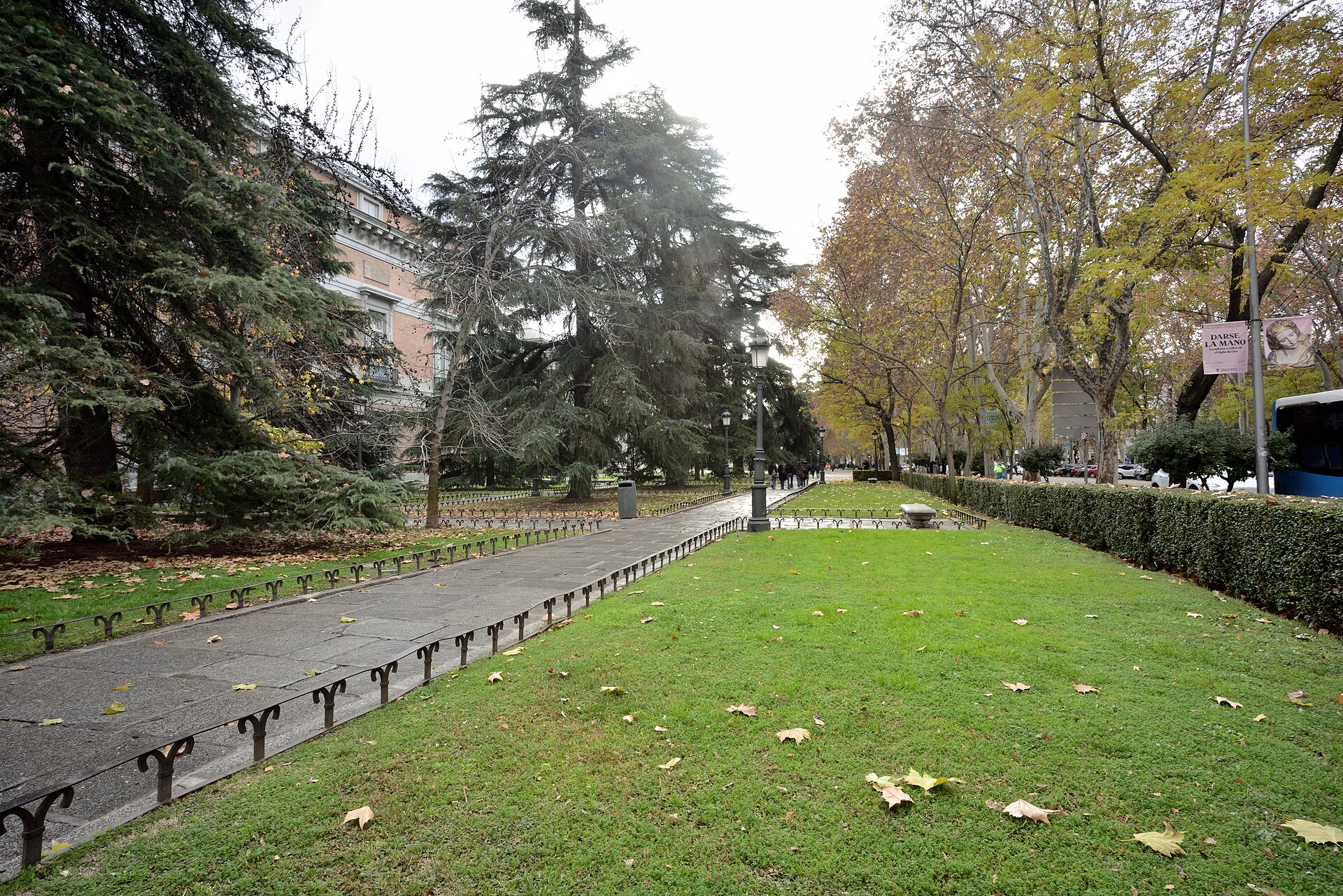
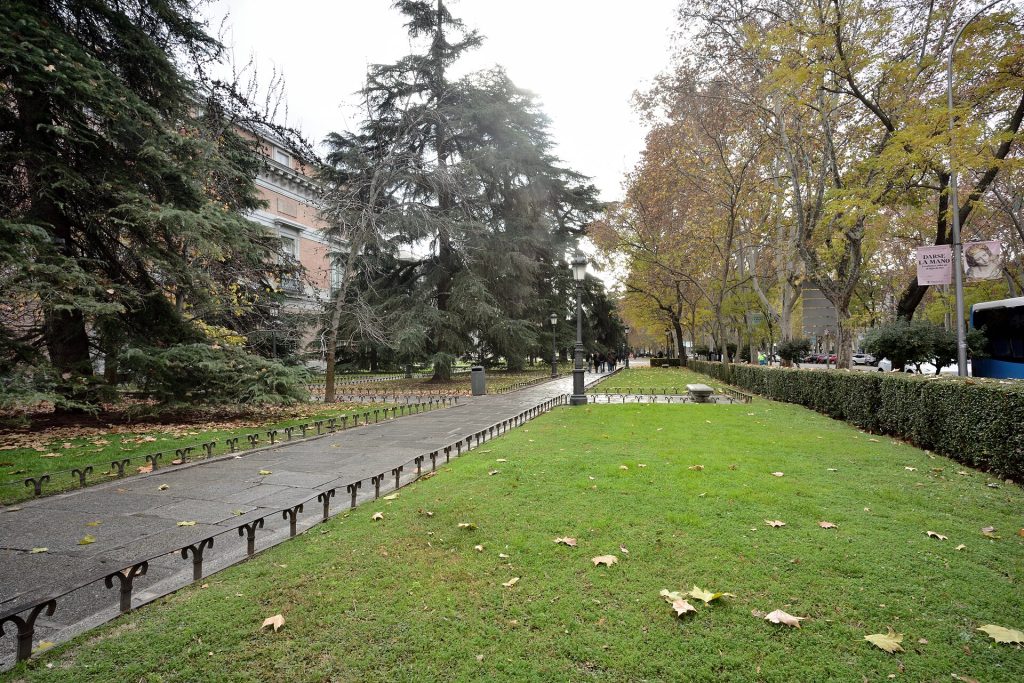
The capital is the one Spanish city that genuinely runs all day and most of the night. Mornings belong to the art museums on the Paseo del Prado: the Prado itself for Velázquez and Goya, the Reina Sofía for Picasso’s Guernica, and the Thyssen-Bornemisza in between. In 2021 UNESCO inscribed the Paseo del Prado and the Retiro park together as a World Heritage cultural landscape, and the Retiro is where Madrid goes to walk off lunch.
For food, head south from the Plaza Mayor to La Latina. Calle Cava Baja is lined with taverns, and on Sunday mornings the El Rastro flea market fills the streets downhill, after which half the city drifts to the bars for a vermouth. Sobrino de Botín, on Calle de Cuchilleros, is listed by Guinness World Records as the world’s oldest restaurant, dating from 1725; book ahead for roast suckling pig. At night, Malasaña and Chueca have the densest spread of bars, and nobody thinks of going out much before midnight.
2. Málaga
Málaga used to be the airport you left as quickly as possible for the Costa del Sol. It is now one of the most rewarding weekend cities in the south. Picasso was born here in 1881, and the Museo Picasso Málaga opened in 2003 in the Buenavista Palace, a short walk from his birthplace on Plaza de la Merced. The Centre Pompidou Málaga, the first branch of the Paris museum outside France, opened in 2015 under a coloured glass cube on the port.
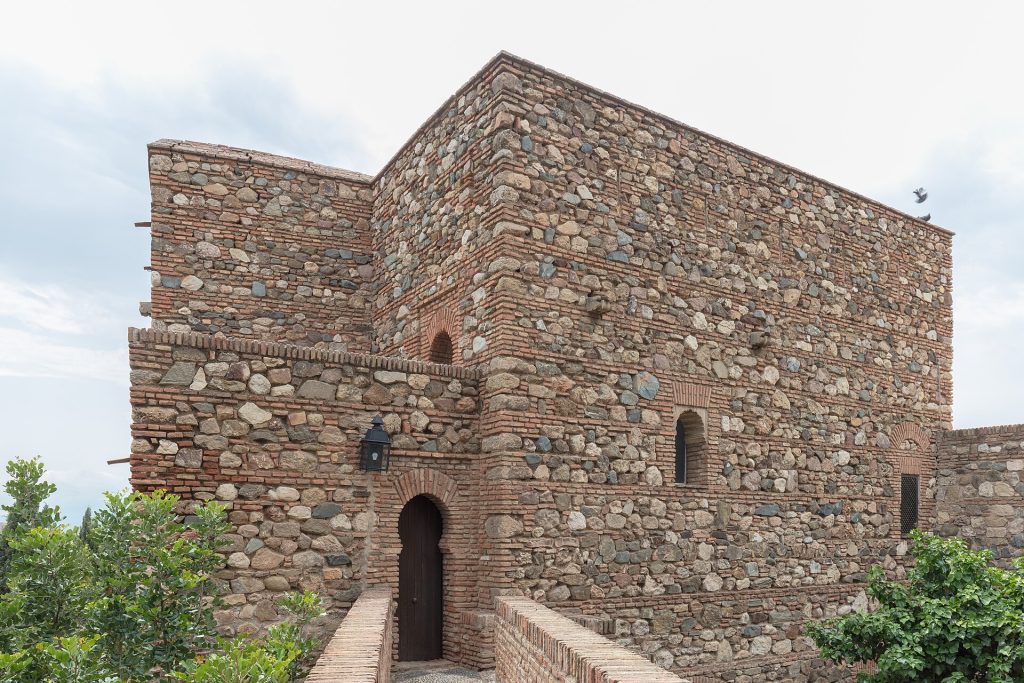
The Moorish Alcazaba climbs the hill above a Roman theatre, and a steep path continues up to the Gibralfaro castle for the best view over the bullring, the port and the sea. Eat your way through the Atarazanas market, then take a bus east to the old fishing districts of Pedregalejo and El Palo, where sardines are grilled on skewers over beach fires. The airport train takes about 12 minutes to the centre, which makes Málaga one of the easiest short breaks in Spain.
3. Cádiz, with Jerez
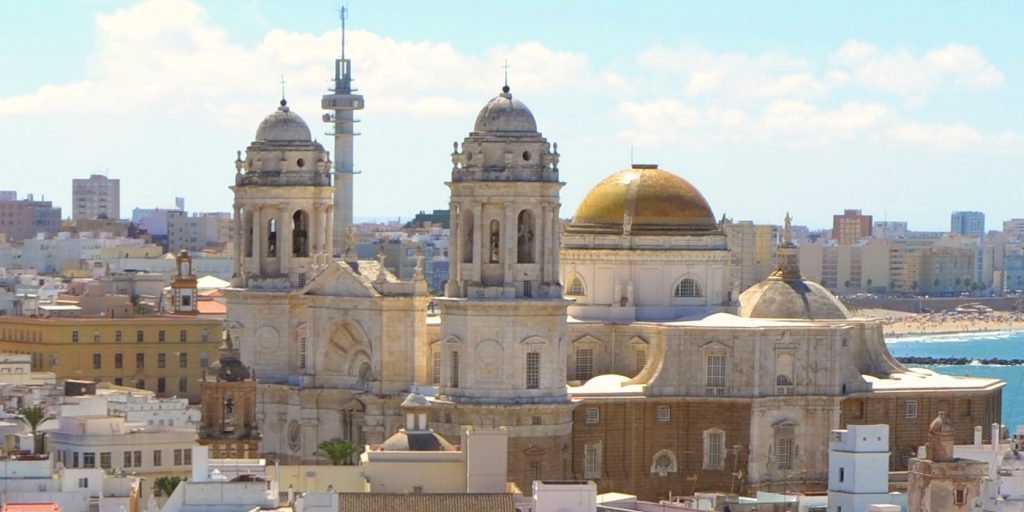
Cádiz sits at the end of a narrow spit of land, almost surrounded by the Atlantic, and its old town is a tight grid of pale houses, small squares and lookout towers. The Phoenicians founded it as Gadir around 3,000 years ago, and it has a fair claim to be one of the oldest continuously inhabited cities in western Europe. Climb the Torre Tavira, at the highest point of the old town, where a camera obscura projects a live image of the rooftops.
Life here is outdoors and unhurried. Swim at La Caleta, the small beach between two castles, then eat fried fish from a paper cone or tortillitas de camarones, crisp shrimp fritters, in the bars around the Mercado Central and the Barrio de la Viña. Cádiz Carnival, in February, is famous across Spain for its satirical singing groups. Jerez de la Frontera is a short train ride inland and adds sherry bodega tours and flamenco to the trip; it fits comfortably into a day.
4. Zaragoza
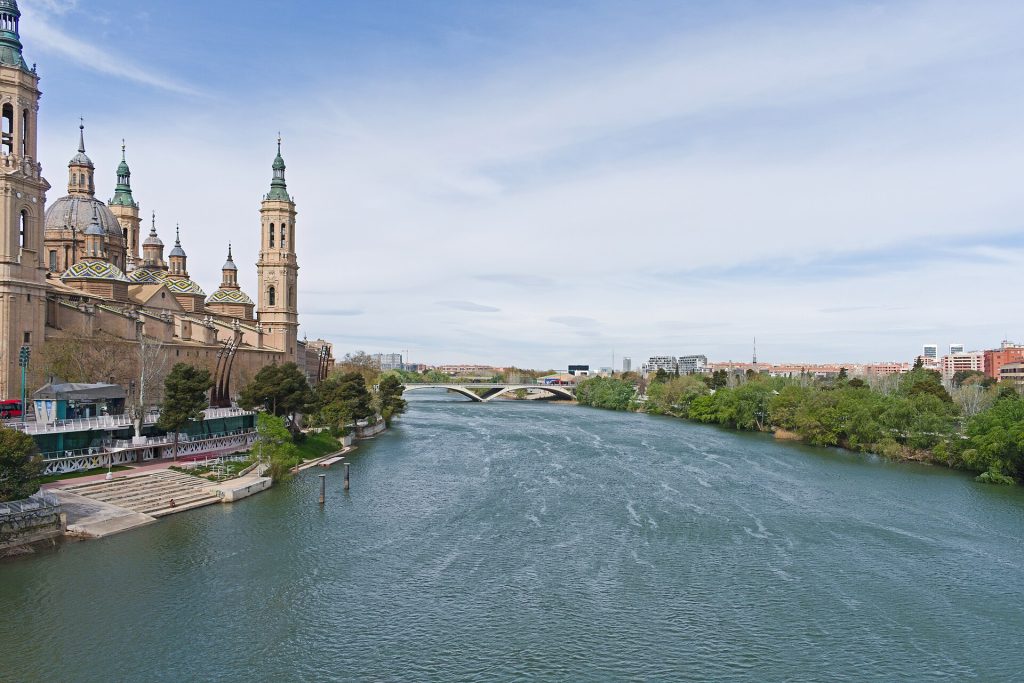
Spain’s fifth-largest city sits halfway between Madrid and Barcelona on the high-speed line, around an hour and a quarter from the capital, yet relatively few foreign visitors stop. They miss a lot. The Basílica del Pilar, with its tiled domes along the River Ebro, is free to enter and has frescoes by a young Goya, who came from a village nearby. On the western side of the centre, the Aljafería is an 11th-century Islamic palace that now also houses the regional parliament of Aragon.
The evening is spent in El Tubo, a knot of narrow lanes off Calle Alfonso I packed with tapas bars. Look out for ternasco de Aragón, roast young lamb, and the regional wines from Cariñena and Somontano. The city fills for the Fiestas del Pilar in October. Zaragoza-Delicias station is some way out, so allow time for a bus or taxi into the old town.
5. Logroño
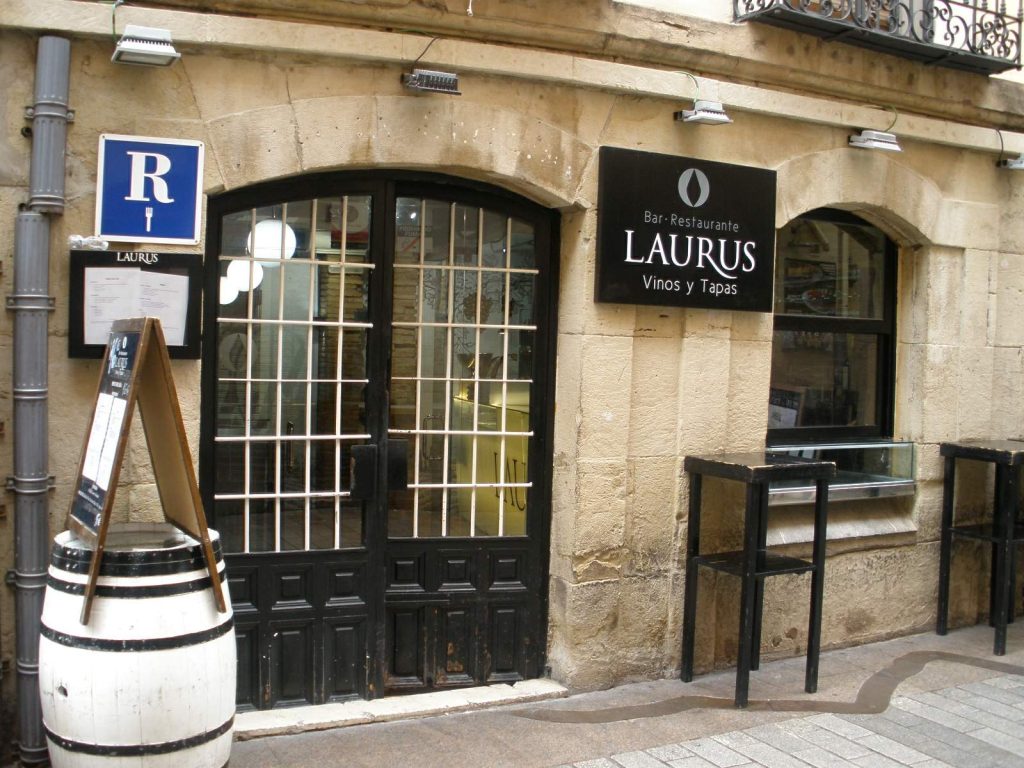
The capital of La Rioja is small, quiet by day and quite different after 8pm, when Calle del Laurel and its side lanes fill up. More than 60 bars are packed into a couple of hundred metres, and many of them are known for a single pincho: grilled mushrooms, spicy potatoes, a slice of fried ear. The routine is to order one bite and a glass of Rioja at the counter, pay, and move on. Calle San Juan, a few streets away, is a slightly calmer alternative.
By day, walk the old town around the co-cathedral of Santa María de la Redonda and follow the scallop-shell markers of the Camino de Santiago, which crosses the Ebro into the city on the stone bridge. The wine town of Haro makes an easy half-day trip. Around 21 September the city celebrates San Mateo and the start of the grape harvest, with a ceremonial treading of the first grapes. Trains run from Madrid and Zaragoza, and buses from Bilbao and San Sebastián.
6. Pamplona
Most people know Pamplona for one week a year. San Fermín runs from 6 to 14 July, with the bull runs each morning from the 7th along a route of under a kilometre from Calle Santo Domingo to the bullring. The festival is loud, crowded and divides opinion, and hotel rooms are booked a year ahead at several times the usual rate. If you want to see the city, come at another time.
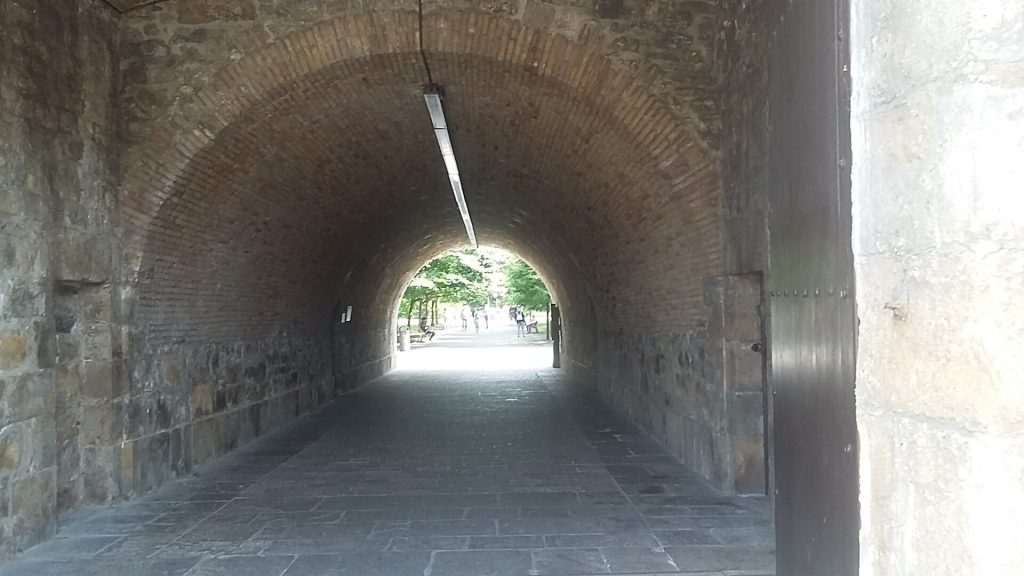
Outside July, Pamplona is a handsome, manageable capital with a café culture of its own. Café Iruña on the Plaza del Castillo opened in 1888 and features in Hemingway’s novel Fiesta. The streets of the old quarter, especially Calle Estafeta and Calle San Nicolás, are lined with pintxo bars that rival those of San Sebastián. Walk the ramparts that wrap round the old town, then cross to the Ciudadela, a five-pointed citadel begun in 1571 under Philip II and now a public park.
7. Alicante
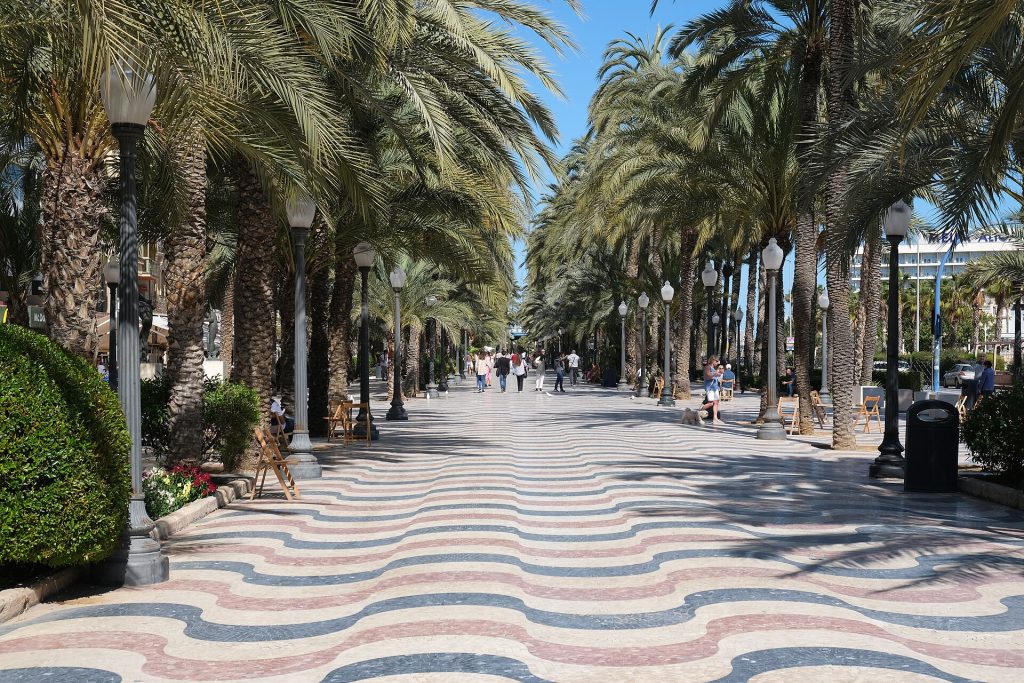
Alicante is the easiest winter-sun city break on this list, with a big airport close by and a beach right in the centre. The seafront Explanada de España is paved with more than six million marble tiles in a wave pattern, shaded by palms and busy with evening strollers. Above it, the Castillo de Santa Bárbara crowns Mount Benacantil, 166 metres high; a lift cut into the rock rises from opposite Postiguet beach, or you can walk up through the old quarter.
That old quarter, known simply as El Barrio, is the heart of the nightlife, its steep lanes filling with bars late into the night. Alicante is a rice town, so order arroz a banda or a rice cooked with rabbit and snails, and visit the Mercado Central in the morning. In late June the Hogueras de San Juan fill the streets with giant figures that are burned on the night of 24 June. Boats run in season to the small island of Tabarca, a good half-day out.
More cities if you have time
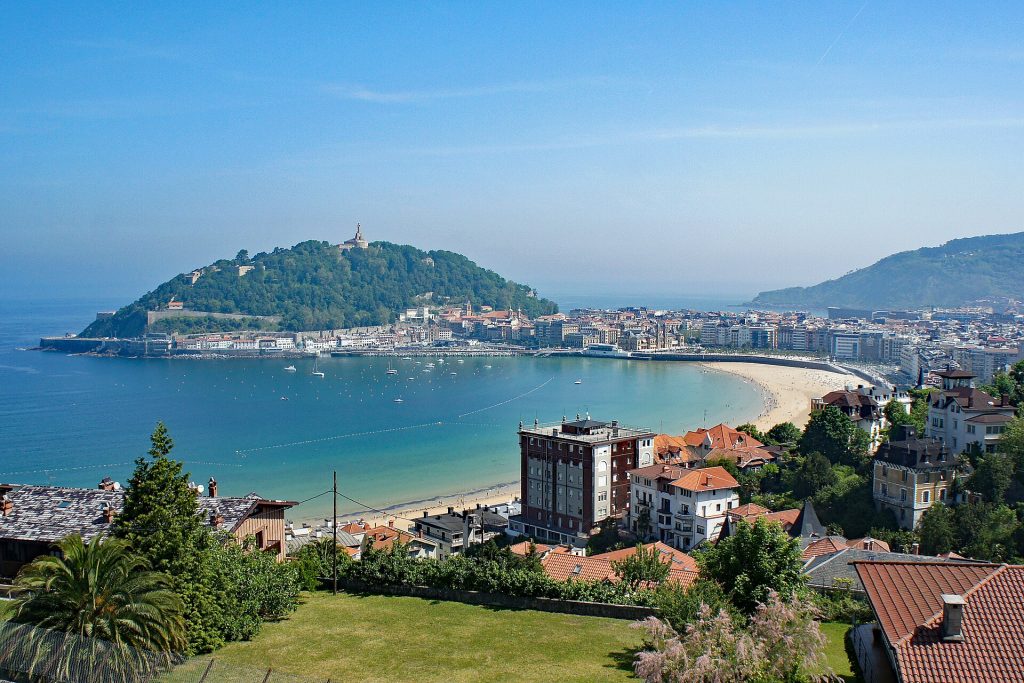
- San Sebastián: for many people the best food city in Spain, with pintxo bars throughout the Parte Vieja and the beach of La Concha. We cover it, with Bilbao, in our guide to Spanish cities for summer.
- Bilbao: the Guggenheim and an old town full of pintxo bars.
- Granada: famous for the tradition of a free tapa with each drink, as well as the Alhambra.
- Salamanca: a university city with a big student nightlife around one of Spain’s finest main squares.
Planning a Spanish city break
Madrid is the hub. High-speed trains link it with Málaga, Zaragoza, Alicante and many other cities, often in under three hours. Málaga, Alicante and Madrid all have large airports with flights across Europe; for Cádiz, the nearest are Jerez and Seville, and for Logroño and Pamplona most visitors fly into Bilbao or Madrid. Two cities pair easily in one trip: Málaga with Cádiz via Seville, Logroño with Pamplona or San Sebastián, Zaragoza on a Madrid to Barcelona journey.
- Adjust your clock: lunch is the main meal and dinner starts late. Many kitchens close between lunch and evening service.
- How tapas work: in the north, pintxos sit on the bar and you order or point; in the south, tapas come from a menu or are listed on a board.
- Festival weeks: San Fermín, the Hogueras, San Mateo and Cádiz Carnival are worth timing a trip around, but book rooms months ahead.
- Heat: July and August are very hot inland, especially in Madrid and Zaragoza. The coast is easier, but busy.
- Sundays and Mondays: some bars and markets close, and many museums close on Mondays. Check current times.
Plan your trip
- Spain: tickets and tours on Tiqets · activities on Klook
- Madrid: tickets and tours on Tiqets · activities on Klook
- Málaga: tickets and tours on Tiqets · activities on Klook
- Arriving by plane: pre-book an airport transfer with Welcome Pickups
- Road trip: compare car hire on Localrent
- Mobile data: get a travel eSIM from Airalo
Some of these are affiliate links: if you book through them we may earn a small commission, at no extra cost to you.
Planning a bigger trip? See our guide to the 25 best places to visit in Europe, from city breaks to fjords.
Keep exploring
- The Best Spanish Islands to Explore: 6 Quieter Alternatives
- Best Places in Spain for a Holiday: Which Coast or Island Suits You
- Spain’s Most Characterful Small Towns: 10 Places Worth a Night
Frequently asked questions
What is the best Spanish city for a weekend break?
Madrid offers the most in a short time, with world-class museums, food and nightlife close together. For a first trip to the south with sun and an easy airport transfer, Málaga is hard to beat.
Which Spanish city has the best tapas?
San Sebastián and Logroño are the usual answers for pintxos, and Logroño is cheaper and less crowded. In the south, Cádiz is excellent for fried fish, and Granada is known for serving a free tapa with each drink.
How many days do you need for a Spanish city break?
Two nights is enough for Logroño, Pamplona, Zaragoza or Cádiz. Allow three for Málaga or Alicante if you want beach time, and three or four for Madrid.
Photos: Javier Perez Montes, CC BY-SA 4.0, via Wikimedia Commons; Diego Delso, CC BY-SA 4.0, via Wikimedia Commons; Emilio J. Rodríguez Posada, CC BY-SA 2.0, via Wikimedia Commons; Ymblanter, CC BY-SA 4.0, via Wikimedia Commons; Zarateman, CC0, via Wikimedia Commons; JLVwiki, CC BY-SA 4.0, via Wikimedia Commons; kallerna, CC BY-SA 4.0, via Wikimedia Commons; Mariordo (Mario Roberto Durán Ortiz), CC BY-SA 4.0, via Wikimedia Commons.