Updated
Summer in Europe tends to funnel everyone into the same handful of cities and islands. The result is queues, heat and accommodation that sells out months in advance. Yet the continent is full of places that are at their best in June, July and August and still feel spacious: Arctic islands where the sun never sets, Baltic dunes, Atlantic cliff paths and mountain lakes cool enough to make a swim feel like an event.
This list deliberately skips the big names. It mixes cooler northern escapes for anyone who struggles with heat, a few southern coasts that reward a little extra effort, and one city whose biggest party of the year falls in July. Each entry covers what makes it special in summer, how to get there and how to avoid the busiest days.
- Best for: travellers who want summer weather without the most crowded resorts.
- Coolest options: Lofoten, the Stockholm archipelago, the Curonian Spit, Brittany and Asturias.
- Warmest swimming: Sardinia’s Gulf of Orosei and the Mani peninsula in Greece.
- Book ahead: island ferries, Lofoten cabins and anything in August, when much of Europe is on holiday.
- Quietest weeks: June and early September are noticeably calmer than mid-July to late August.
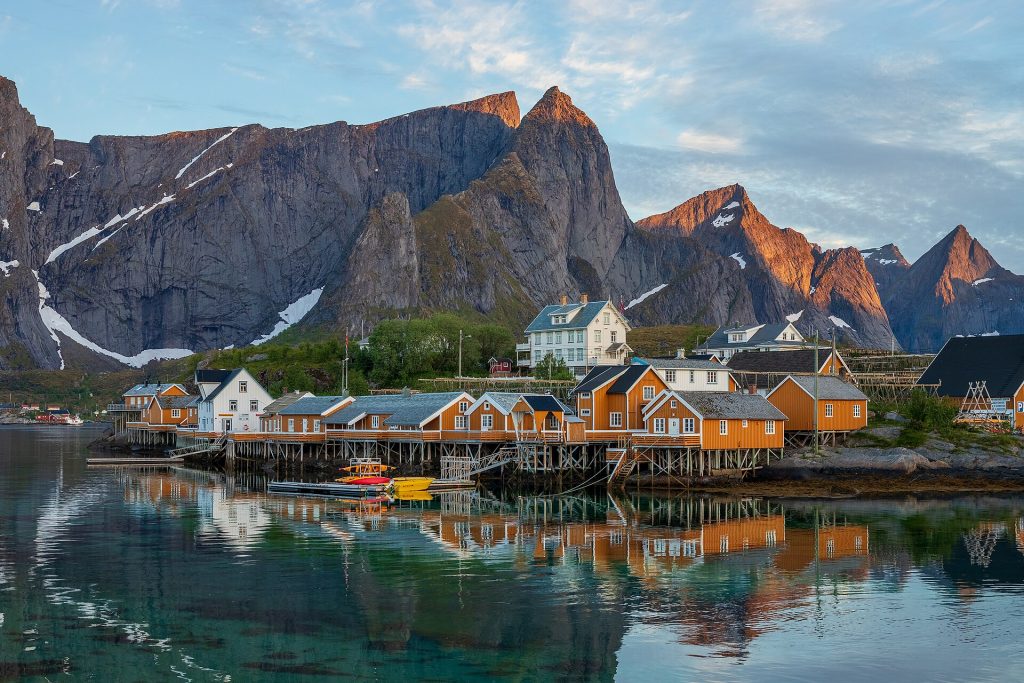
1. Lofoten Islands, Norway
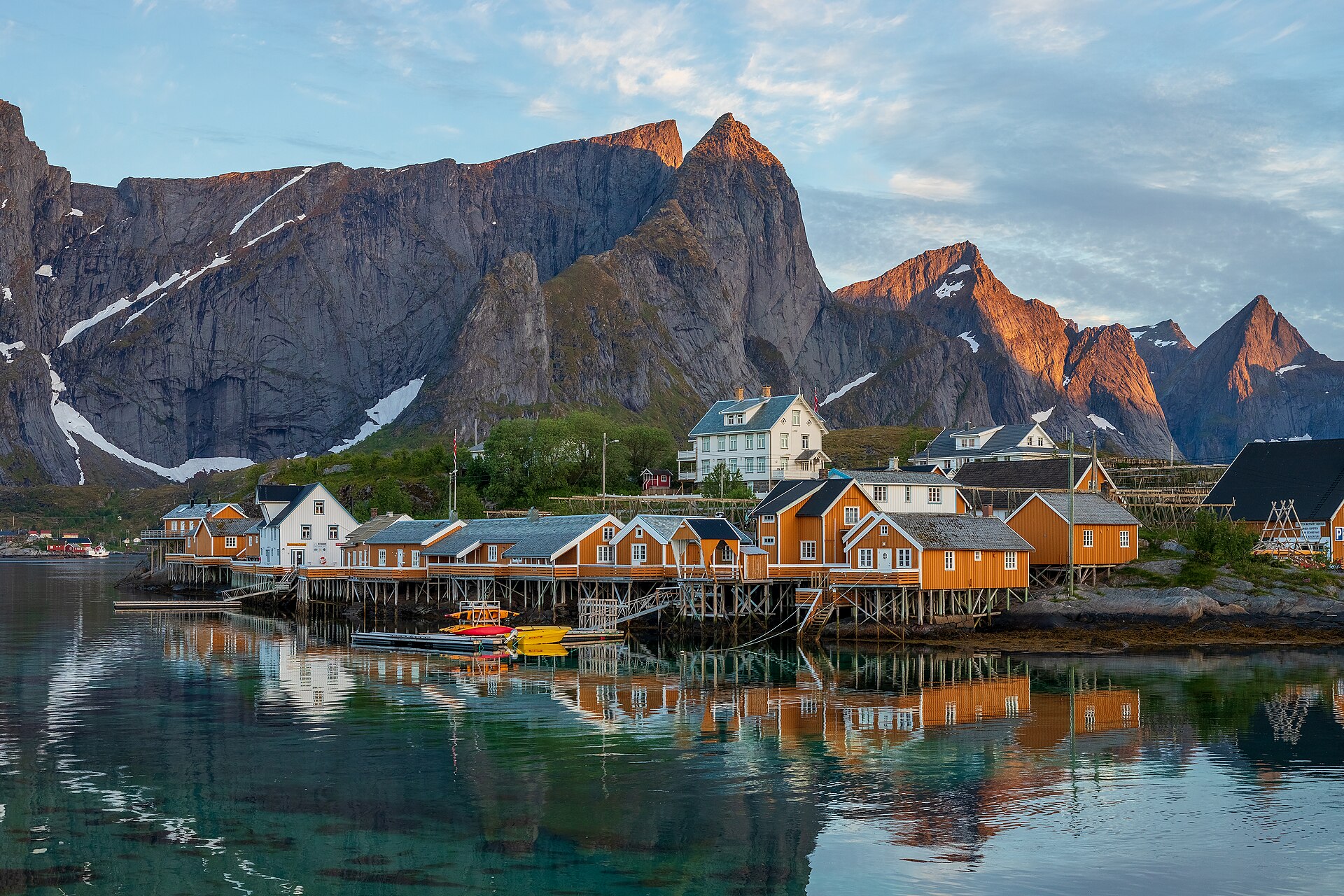
Lofoten is the obvious answer for anyone who finds southern European summers too hot. The islands lie well inside the Arctic Circle, and around Svolvær the sun stays above the horizon from late May to mid-July. Daytime highs in July average around 16°C, perfect for hiking, cycling and kayaking, even if the sea stays bracing.
The E10 road links the main islands by bridges and tunnels, running past fishing villages such as Henningsvær, Reine and Å. Many visitors stay in rorbuer, the traditional red fishermen’s cabins built over the water. Arrive by car ferry from Bodø to Moskenes, or fly into Svolvær or Leknes. There is no railway on the islands, so a car or a bike is the easiest way to explore.
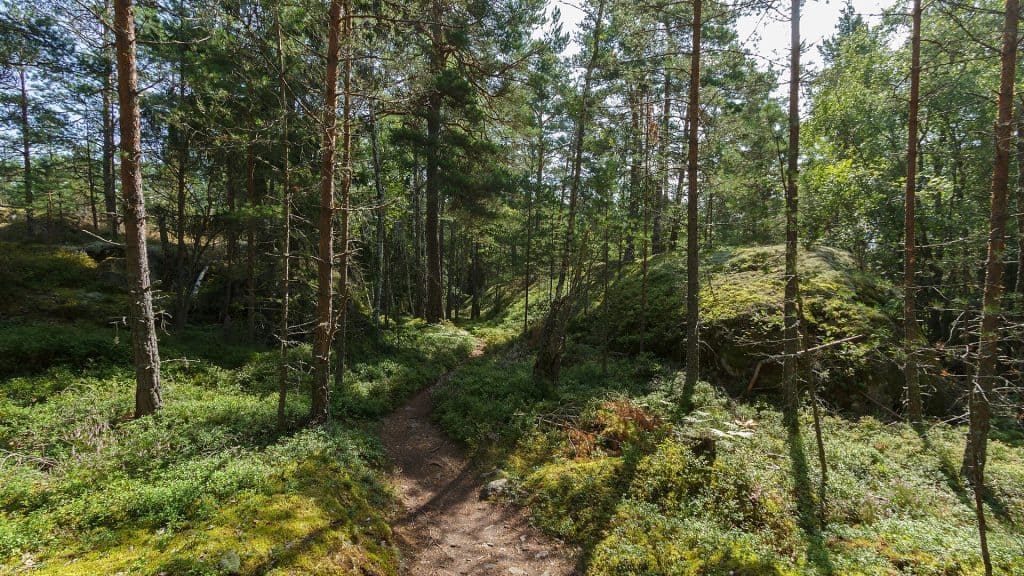
2. Stockholm Archipelago, Sweden
More than 24,000 islands, islets and skerries scatter east of Stockholm for around 60 km out into the Baltic. Summer is when Swedes head out to them, and the season revolves around swimming off smooth granite rocks, long light evenings and Midsummer celebrations in late June.
The public ferry company Waxholmsbolaget runs regular routes from central Stockholm. Vaxholm, with its fortress, is an easy half-day trip; Grinda is a car-free island with walking paths and swimming spots; Sandhamn is the sailing hub further out; and Utö is good for cycling. Sweden’s right of public access allows responsible walking and camping in much of the countryside, but read the rules first and respect private gardens.
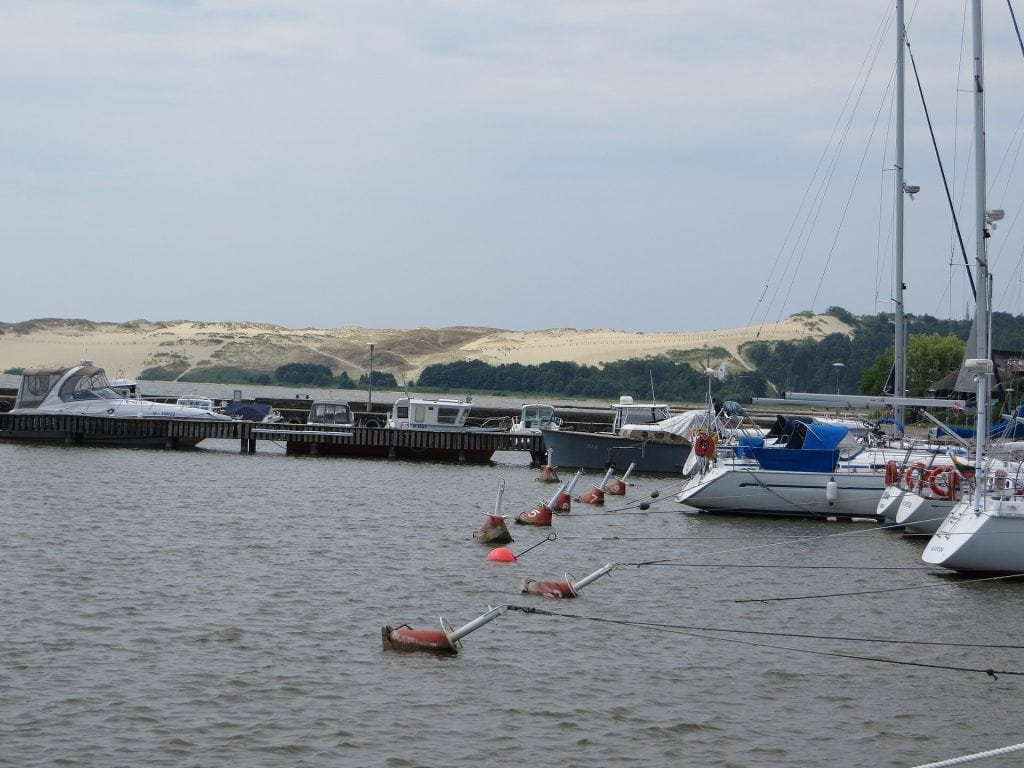
3. Curonian Spit, Lithuania
This narrow, 98 km sandbar separates the Curonian Lagoon from the Baltic Sea, with pine forest, white beaches and enormous dunes in between. It became a UNESCO World Heritage Site in 2000, and the Lithuanian part is a national park. The Parnidis dune near Nida rises to about 52 metres and gives views across the lagoon.
Nida, the largest settlement, has painted wooden houses and the summer home where Thomas Mann spent the summers of 1930 to 1932, now a memorial museum. Car ferries cross from Klaipėda to Smiltynė in a few minutes, and the spit is ideal for cycling. Baltic water is cool even in August, but the beaches are long enough to find space on the hottest weekend.
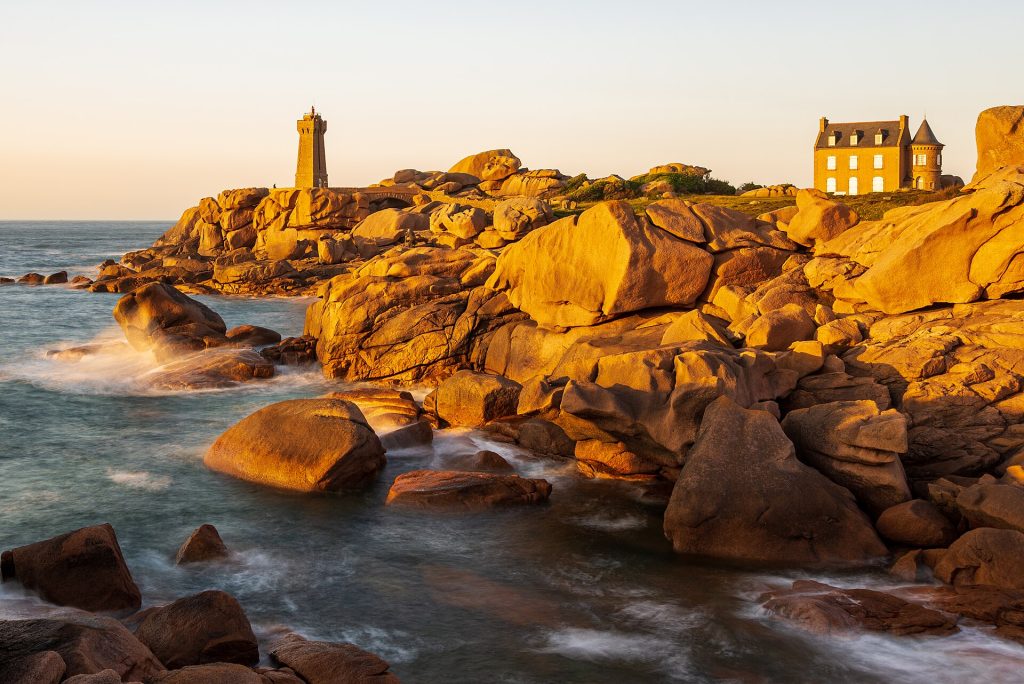
4. Pink Granite Coast, Brittany, France
On Brittany’s northern shore, in the Côtes-d’Armor department, the sea has worn the local granite into rounded, rose-coloured boulders stacked in improbable shapes. The Côte de Granit Rose stretches for more than 30 km, and its best-known section runs between Perros-Guirec, Ploumanac’h and Trégastel.
Walk the coastal path past the Ploumanac’h lighthouse in the evening, when the low sun turns the rocks deepest pink. Boat trips from Perros-Guirec visit the Sept-Îles, a bird reserve offshore. Summer here is mild rather than hot, the tides are dramatic, and the beaches at Trestraou and Saint-Guirec are sheltered enough for swimming.
5. Asturias and the Picos de Europa, Spain
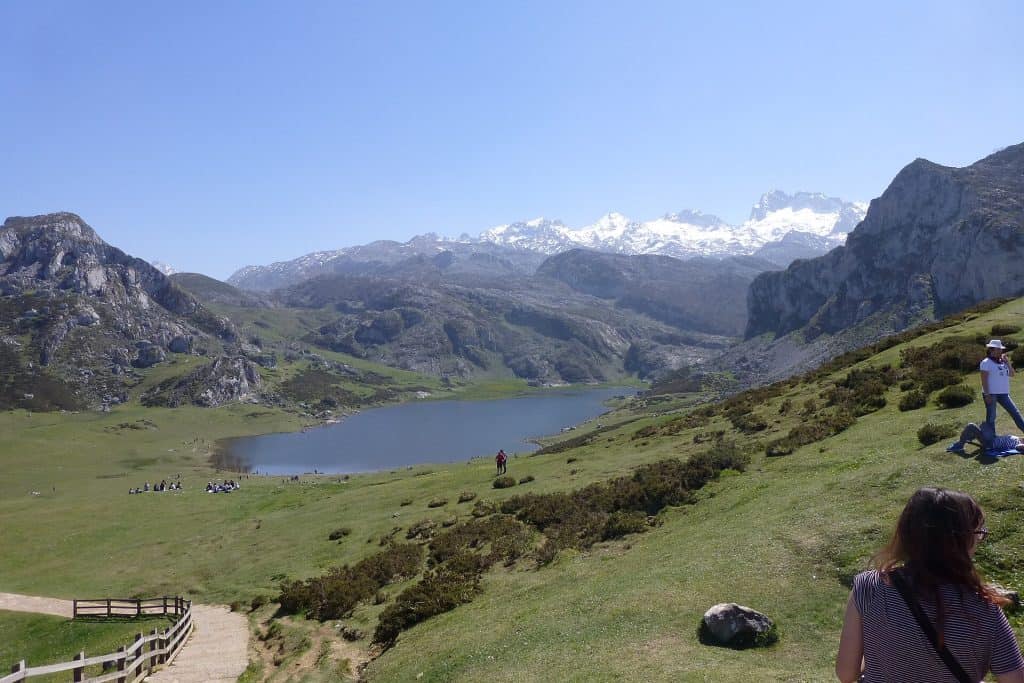
While southern Spain bakes, Asturias stays green and comfortably warm. The region pairs a rugged coastline of coves and fishing villages, such as Cudillero and Llanes, with the limestone peaks of the Picos de Europa. The national park dates from 1918, when it became Spain’s first, and was originally centred on the Lakes of Covadonga.
In peak season, private cars are restricted on the road up to the lakes, so use the park buses and check current arrangements. The Cares gorge path, cut into the cliffs between Poncebos and Caín, is one of Spain’s classic walks. Evenings are for cider poured from a height into the glass in the traditional way.
6. Lake Bohinj, Slovenia
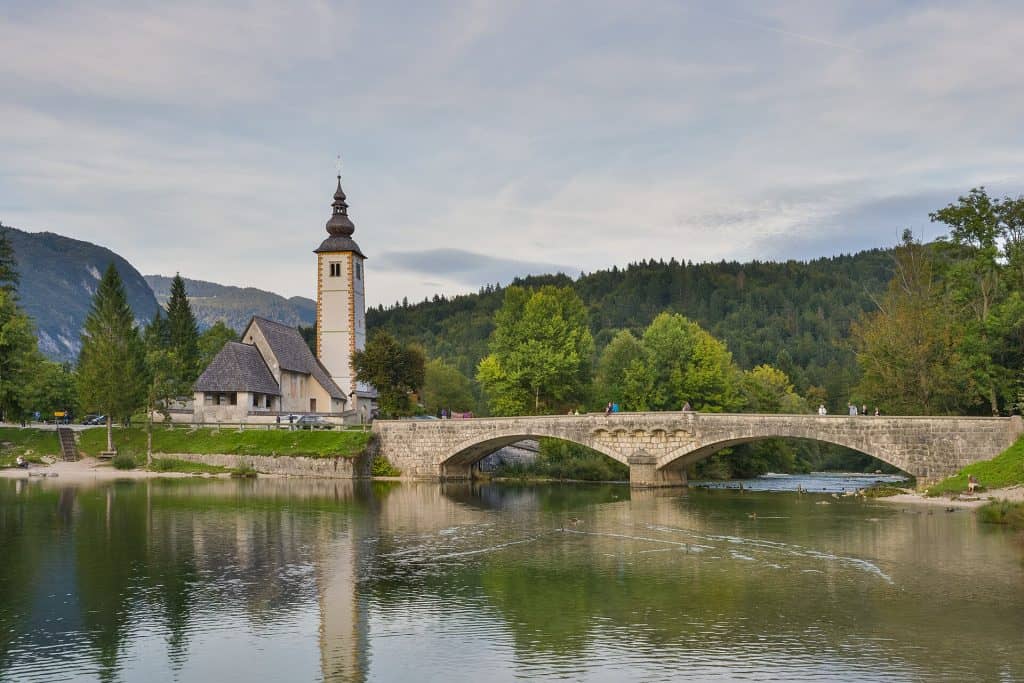
Lake Bled gets the crowds; Bohinj, about half an hour’s drive further into the Julian Alps, gets the space. It is Slovenia’s largest permanent lake, around 4.2 km long, and lies inside Triglav National Park. The water is clear and cold, and the shore has plenty of quiet spots for swimming and paddleboarding.
At the eastern end, the stone Church of St John the Baptist stands by the bridge at Ribčev Laz. From the western end, a short walk with a lot of steps leads to the Savica waterfall, which drops about 78 metres. For high views, ride the Vogel cable car on the southern side. Bohinj is a good base for hiking in Triglav National Park.
7. Gulf of Orosei, Sardinia
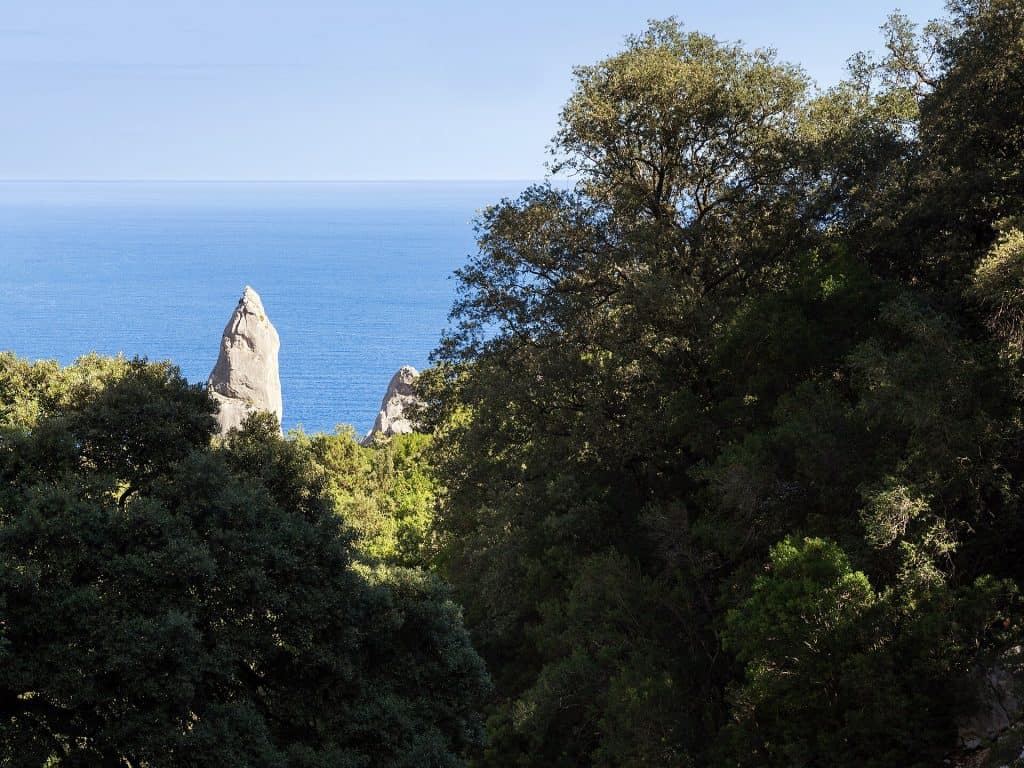
On Sardinia’s east coast, the Gulf of Orosei is a long arc of limestone cliffs broken by coves that are reachable only by boat or on foot. The most famous, Cala Goloritzè, sits beneath a limestone pinnacle about 143 metres high and has been a protected natural monument since 1993.
Reaching Goloritzè on foot means a steep path of about an hour and a half each way, and visitors must book a place online in advance. Motorboats cannot come close to the beach, so most sea visitors rent boats from Santa Maria Navarrese or Arbatax and anchor further off. Cala Gonone, further north, is the base for boat trips to Cala Luna and the sea caves. Go in June or September to avoid August crowds.
8. Mani Peninsula, Greece
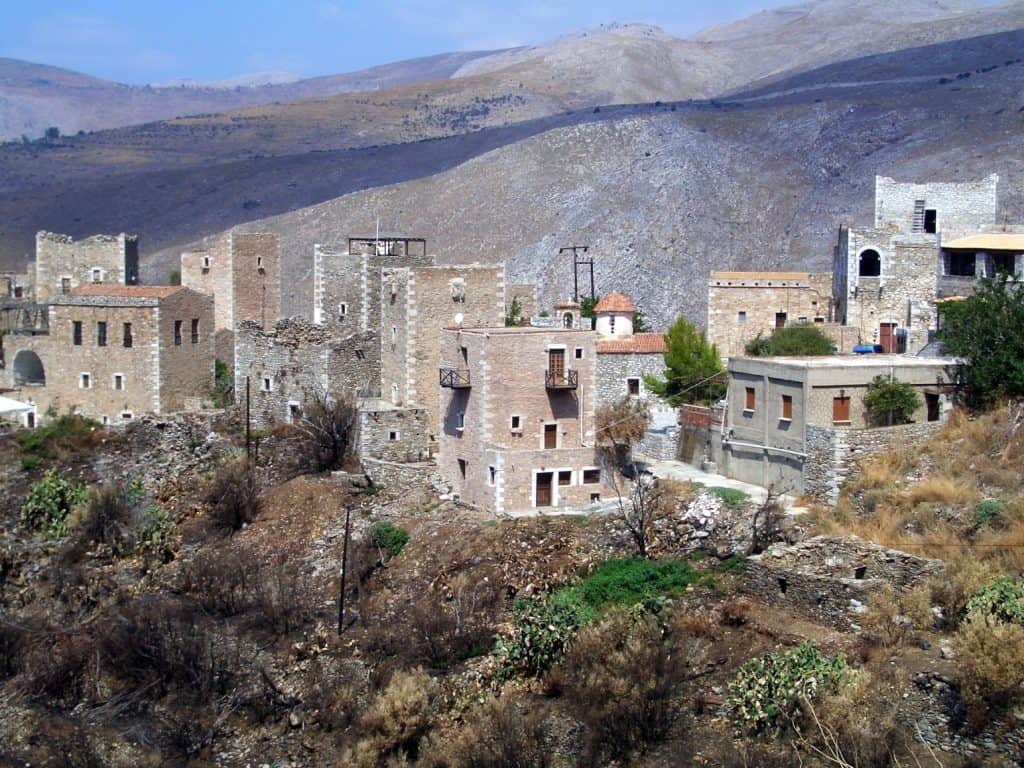
The middle finger of the Peloponnese is one of the wildest corners of mainland Greece. Its villages are built around stone tower houses, once fortified family compounds, and the Mani was historically known as the land of many towers. Vathia is the most photographed tower village, and Areopoli is where Maniots gathered on 17 March 1821 to rise against Ottoman rule.
Swim in clear water at Limeni or Gerolimenas, take a boat ride through the underground lake at the Diros caves, and drive to Cape Tainaron, the southernmost point of mainland Greece, where ruins of a temple to Poseidon remain. The landscape is dry and exposed, so plan sightseeing for early morning and evening.
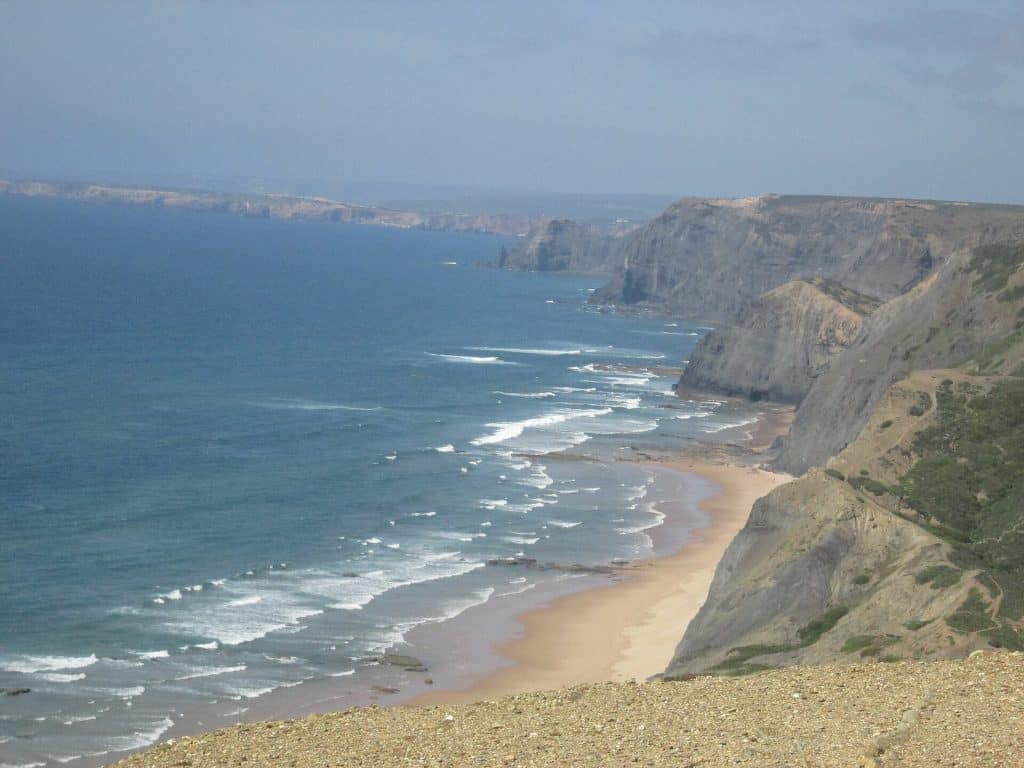
9. Alentejo and Vicentine Coast, Portugal
South-west Portugal’s Atlantic shore offers what the Algarve’s busier resorts do not: empty cliff-backed beaches, low-rise villages and a protected landscape. The Southwest Alentejo and Vicentine Coast Natural Park has covered much of this coastline since 1988, from Porto Covo south towards Cabo de São Vicente.
Walkers come for the Rota Vicentina network, including the Fishermen’s Trail along the clifftops. In summer, walk short sections early in the day, as the sand is hot and shade is scarce. Villages such as Vila Nova de Milfontes, Zambujeira do Mar and Odeceixe make good bases. The Atlantic is cooler than the Mediterranean, and some beaches have strong currents, so swim where lifeguards are present.
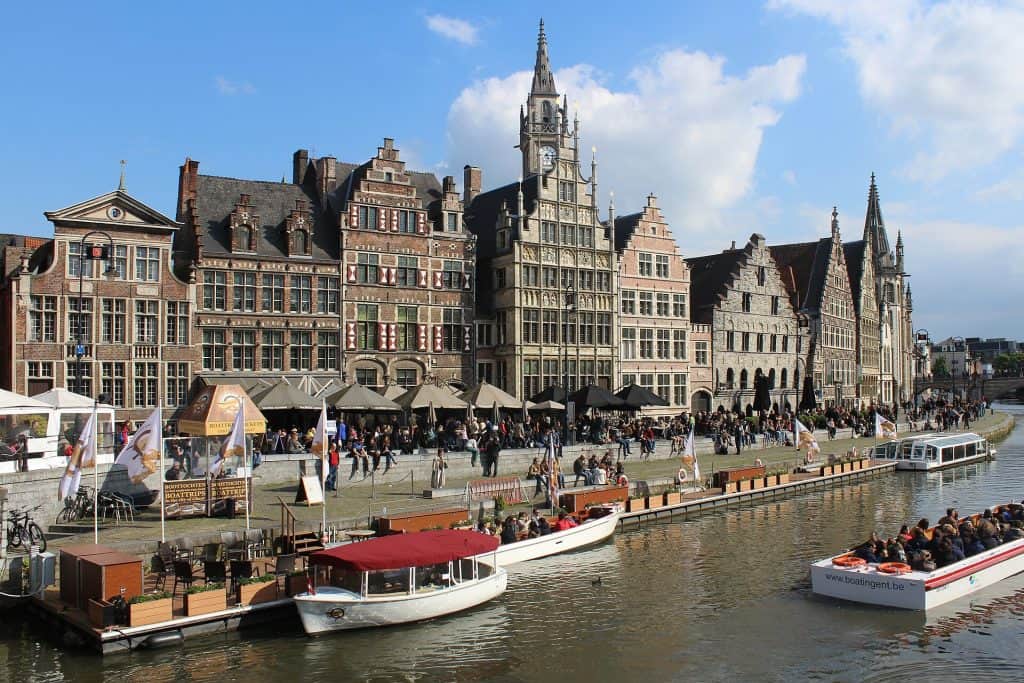
10. Ghent, Belgium
If you want one city on a summer trip, make it Ghent. It has the canals and medieval architecture that draw people to Bruges, with a large student population and far fewer day-trippers. Its highlights include the Gravensteen castle, the guild houses on the Graslei and Korenlei, and the Ghent Altarpiece by the van Eyck brothers in St Bavo’s Cathedral.
In July the city hosts the Gentse Feesten, a ten-day festival of music, theatre and street performance timed around Belgian National Day on 21 July. Most events are free and the old town turns into one large stage. If you prefer a quieter visit, come in June or late August. Trains from Brussels take around half an hour.
Tips for a summer trip in Europe
- Book early for August: it is the main holiday month in much of Europe, so ferries, campsites and small guesthouses fill up fast.
- Think about heat: southern destinations regularly see heatwaves. Build your day around early starts, a long lunch and evening sightseeing.
- Use public transport where possible: several places on this list, including Covadonga and Cala Goloritzè, limit access in peak season.
- Pack layers: northern destinations can be cool and windy even in July, especially on boats.
- Respect protected areas: stick to paths on dunes and cliffs, take litter home and follow local rules on camping and fires.
Plan your trip
- Lofoten: tickets and tours on Tiqets · activities on Klook
- Stockholm: tickets and tours on Tiqets · activities on Klook
- Curonian Spit: tickets and tours on Tiqets · activities on Klook
- Arriving by plane: pre-book an airport transfer with Welcome Pickups
- Road trip: compare car hire on Localrent
- Mobile data: get a travel eSIM from Airalo
Some of these are affiliate links: if you book through them we may earn a small commission, at no extra cost to you.
Planning a bigger trip? See our guide to the 25 best places to visit in Europe, from city breaks to fjords.
Keep exploring
- Anti-Summer Europe: 8 Cool, Uncrowded Places for July and August
- Cool Summer Destinations in Europe: 7 Escapes From the Heat and Crowds
- Albania in Summer: 8 Places to Go, From the Riviera to the Alps
Frequently asked questions
Where in Europe is not too hot in summer?
Northern Norway, the Swedish and Finnish coasts, the Baltic states, Brittany, northern Spain and the Alps all have comfortable summer temperatures, typically in the high teens to mid-twenties Celsius.
Where is the least crowded place in Europe in summer?
Crowds depend more on timing than place, but areas without big airports or cruise ports stay calmer. The Curonian Spit, the Mani peninsula and the Vicentine coast are good examples.
When is the best time for a summer holiday in Europe?
June and the first half of September give long days and warm weather with fewer people and lower prices than the peak from mid-July to late August.
Photos: Ximonic (Simo Räsänen), CC BY-SA 4.0, via Wikimedia Commons; PierreSelim, CC BY 3.0, via Wikimedia Commons; Bernt Rostad from Oslo, Norway, CC BY 2.0, via Wikimedia Commons; Pierre Guezingar from Coray, France, CC BY 2.0, via Wikimedia Commons; Txo, CC BY-SA 4.0, via Wikimedia Commons; Abrget47j, CC BY-SA 3.0, via Wikimedia Commons; Unukorno, CC BY 4.0, via Wikimedia Commons; Wladyslaw, CC BY-SA 3.0, via Wikimedia Commons; Cheila Cruz, CC BY-SA 3.0, via Wikimedia Commons; Martinvl, CC BY-SA 4.0, via Wikimedia Commons.