Updated · Facts and prices checked against official sources
Europe is one of the most peaceful regions in the world to travel in, and a handful of its countries consistently sit at the very top of international safety rankings. Crime is low, public transport is reliable, healthcare is good and emergency services answer quickly. For a first solo trip, a family holiday or a winter break, these are the places where you can spend less time worrying and more time looking around.
This guide uses the 2026 Global Peace Index as its starting point and lists the European countries that rank highest, in order. For each one we explain what makes it easy for visitors and, just as usefully, which risks are real there. In Iceland it is the weather, not crime. In Lisbon and Prague it is pickpockets, not violence.
Safest countries in Europe at a glance
- Ranking used: the Global Peace Index 2026, published in June 2026 by the Institute for Economics and Peace, covering 163 countries and territories.
- Top European countries: Iceland (1st), Switzerland (3rd), Slovenia (4th), Ireland (5th), Austria (6th) and Portugal (7th).
- Best for: solo travellers, families, first trips abroad and nervous flyers who want an easy landing.
- Biggest real risks: petty theft in busy city centres, mountain weather and strong Atlantic surf.
- Emergency number: 112 works across the EU and in Iceland and Switzerland.
How this list works
The Global Peace Index ranks countries on 23 indicators grouped into three areas: safety and security, ongoing conflict and militarisation. It looks at things like violent crime, homicide rates, political instability and military spending. That makes it a good measure of how peaceful a country is overall, though it is not a tourist safety score as such. A country can rank lower because of its military spending or foreign deployments while its streets remain perfectly calm for visitors.
We have listed the nine highest-ranked European countries in the 2026 edition, in their index order. Before any trip, also read your own government’s travel advice for the country, which covers current local issues the index does not.
1. Iceland (ranked 1st)
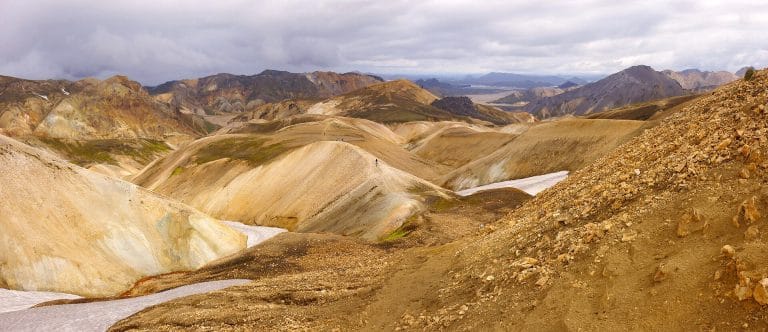
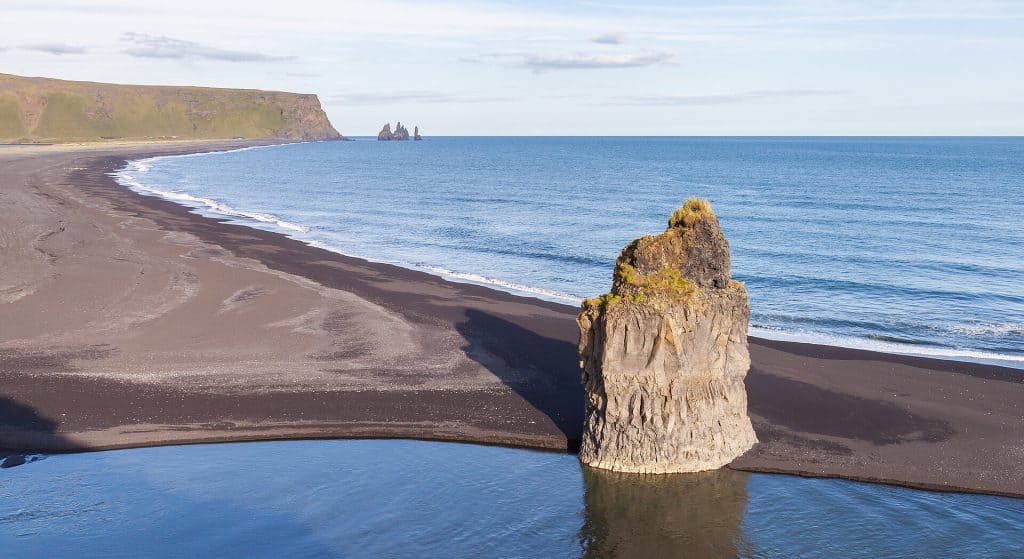
Iceland tops the 2026 Global Peace Index, as it has for many years. Violent crime is rare, Reykjavík feels relaxed at any hour and most visitors never have a problem with people. The danger in Iceland comes from nature, and it is worth taking seriously.
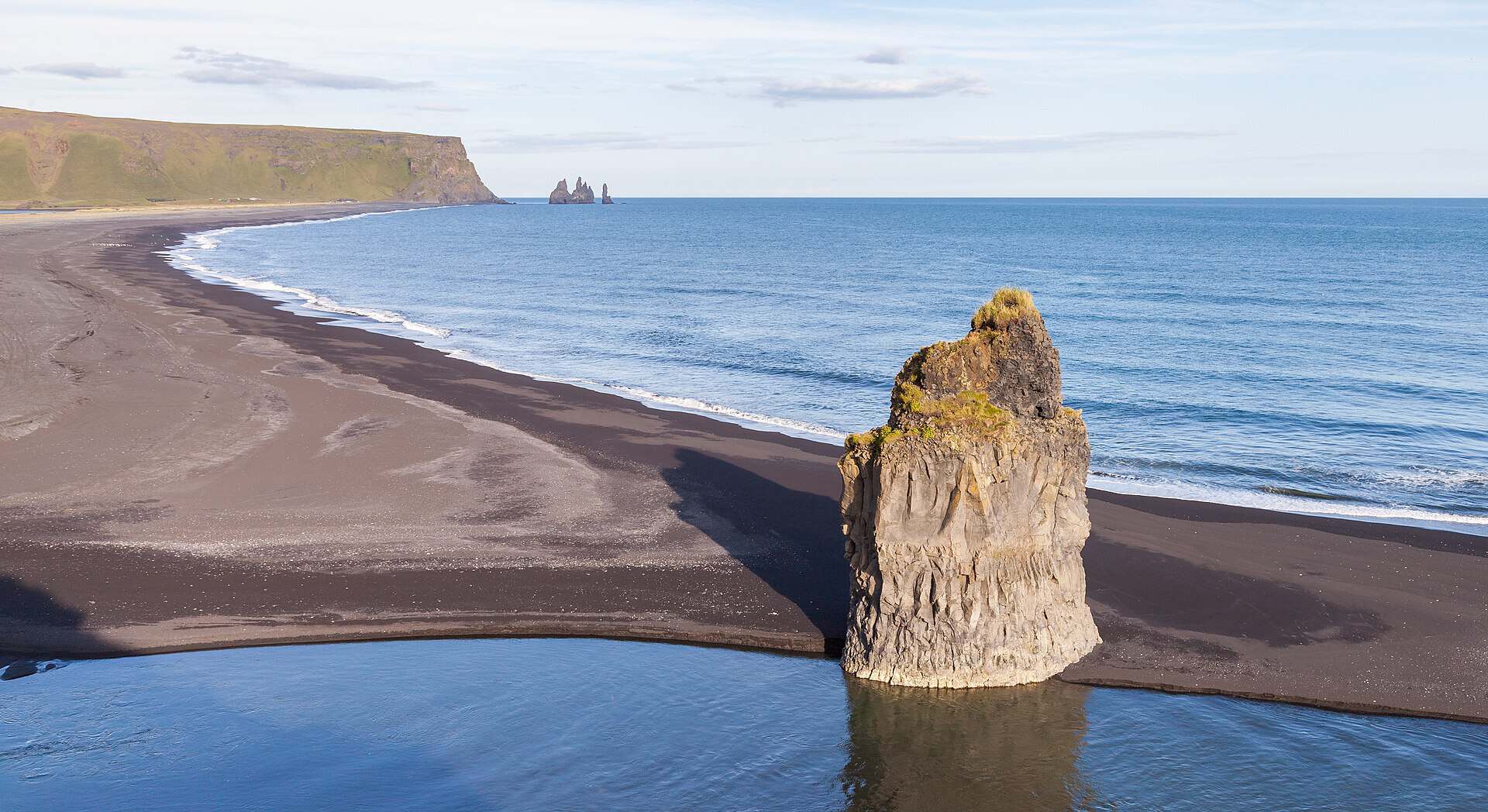
Weather changes fast, and roads in the interior (the F-roads) are open only in summer and need a four-wheel-drive vehicle. On south-coast black-sand beaches such as Reynisfjara, sudden large waves known as sneaker waves have swept people into the sea, so stay well back from the water’s edge. Walk on glaciers only with a qualified guide. Before driving or hiking, check road conditions and weather warnings and consider leaving a travel plan on the official Safetravel service.
2. Switzerland (ranked 3rd)
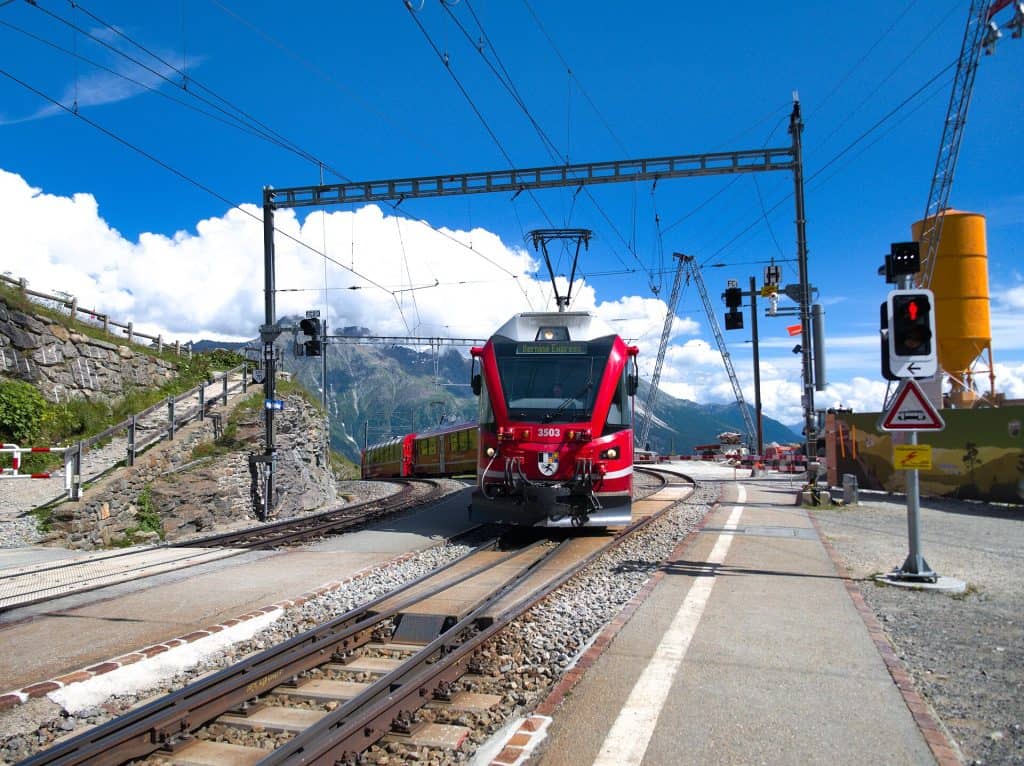
Switzerland combines very low crime with some of the best public transport in the world. Trains, buses, boats and mountain railways connect on a single timetable, so you rarely need to drive. Cities like Zurich, Bern, Lucerne and Geneva are clean, orderly and easy to walk.
As in Iceland, the main risks are outdoors. Mountain weather can turn quickly, even in summer, and some popular trails cross steep, exposed ground. Stick to marked paths, turn back if conditions change and in winter follow the official avalanche bulletins if you leave groomed pistes. Watch your bags on busy station platforms, where opportunistic theft does occur.
3. Slovenia (ranked 4th)
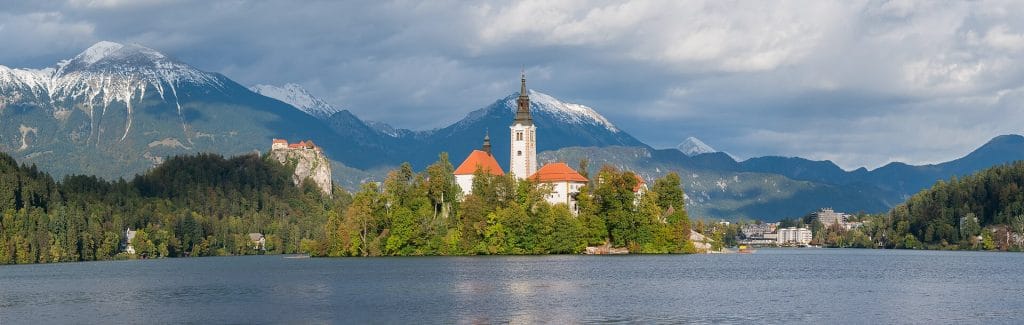
Slovenia is small, green and calm, and it ranks fourth in the world. Ljubljana, the capital, is one of the most relaxed cities in Europe: its central square and surrounding streets have been closed to traffic since 2007, and it was European Green Capital in 2016. In the evening the riverside cafés fill with locals rather than tour groups.
Distances are short, so from Ljubljana you can reach Lake Bled, the Julian Alps or the Adriatic coast in a day trip. The usual mountain precautions apply in Triglav National Park. Otherwise, the main thing to manage is summer crowds at Bled and on the coast.
4. Ireland (ranked 5th)
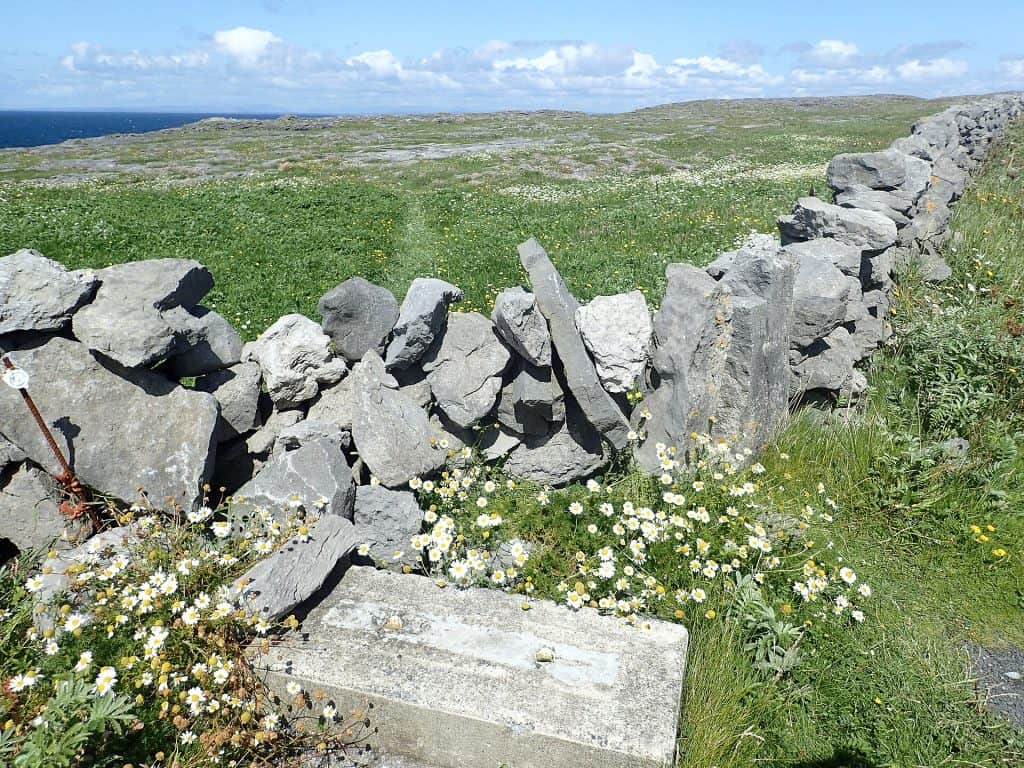
Ireland is fifth in the 2026 index and one of the easiest countries in Europe for English-speaking visitors. Dublin, Galway and Cork are friendly and walkable, and the countryside along the Wild Atlantic Way is quiet outside the main summer weeks.
Two practical points. Ireland is in the EU but not in the Schengen Area, so expect a passport check even when flying from mainland Europe. And traffic drives on the left, on rural roads that are often narrow and twisting. On clifftop paths, keep well back from the edge in wind and rain. In Dublin, the usual city-centre care with phones and bags is enough.
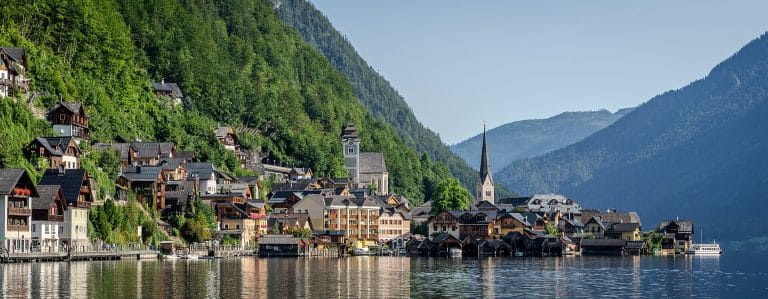
5. Austria (ranked 6th)
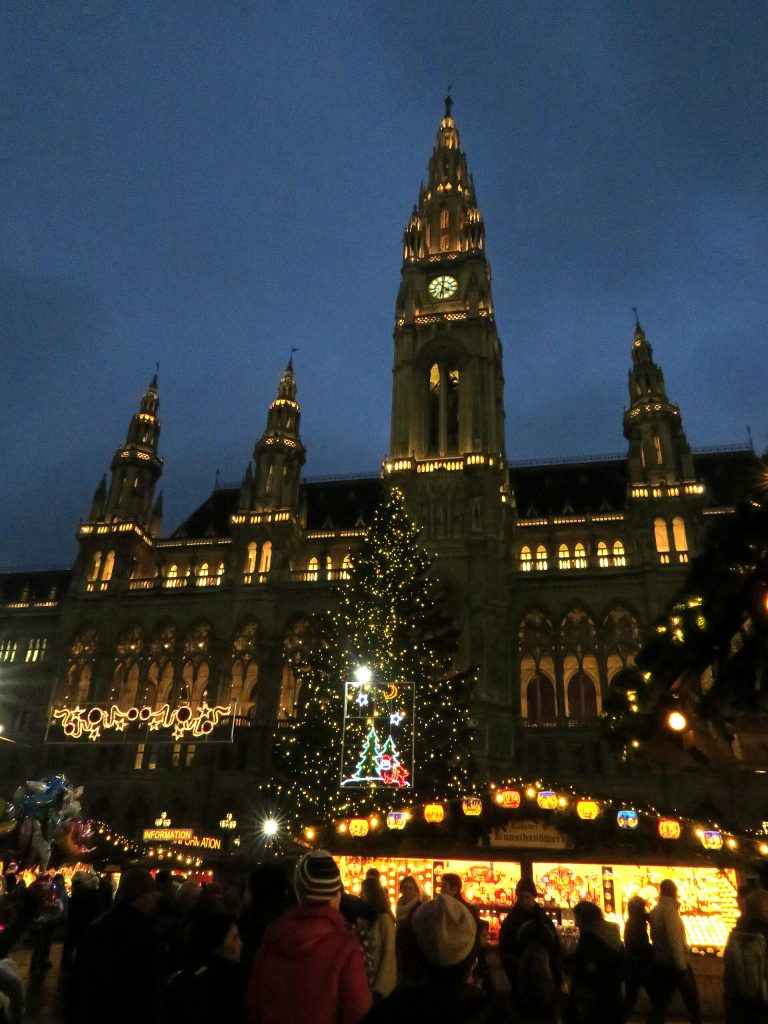
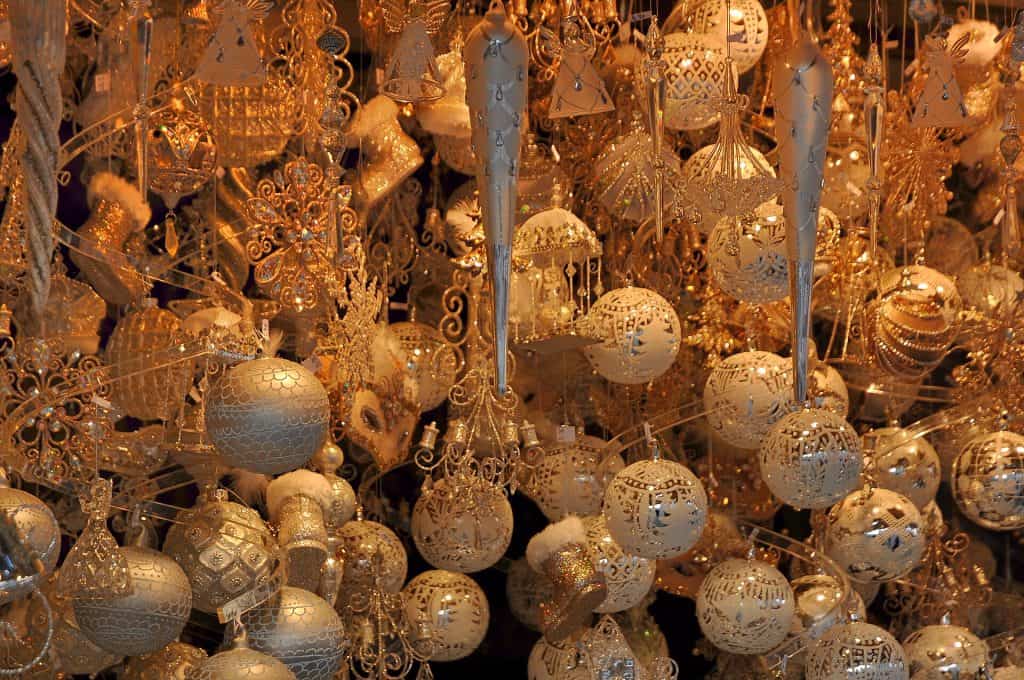
Austria ranks sixth, and Vienna in particular is a very comfortable city for visitors. The public transport network is dense and simple, the centre is compact, and coffee houses, museums and concert halls give you plenty to do in any weather. From November, Vienna’s Christmas markets make it one of the most popular winter breaks in Europe.
Salzburg, Innsbruck and the lakes of the Salzkammergut are just as calm. In the Alps, follow the same rules as in Switzerland: marked trails, a weather check before you set out and proper footwear. At crowded Christmas markets, keep wallets in a front pocket or a zipped bag.
6. Portugal (ranked 7th)
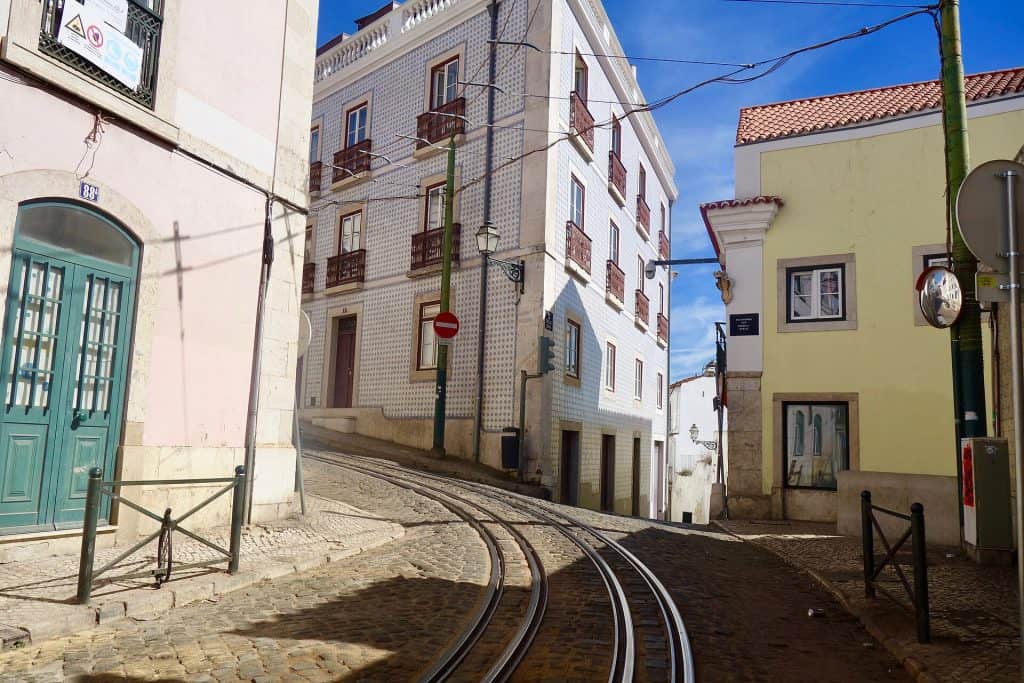
Portugal is seventh in the world and offers something the countries above it cannot: mild winters. Lisbon, Porto, the Algarve and the islands of Madeira and the Azores are all easy, welcoming places to travel, and violent crime against visitors is rare.
Pickpocketing is the main problem in Lisbon, especially on the crowded historic tram lines and in the busiest viewpoints and squares. On the Atlantic coast, waves and currents can be strong, so swim at beaches with lifeguards and follow the flags. On Madeira, the levada walks along irrigation channels are wonderful, but some sections are narrow with sheer drops, and trail closures after heavy rain should be respected.
7. Finland (ranked 9th)
Finland ranks ninth. Helsinki is orderly and quiet, the islands of the archipelago are easy to reach by ferry, and the lakes and forests are open to everyone under the traditional right of public access, which lets you walk and pick berries on most land.
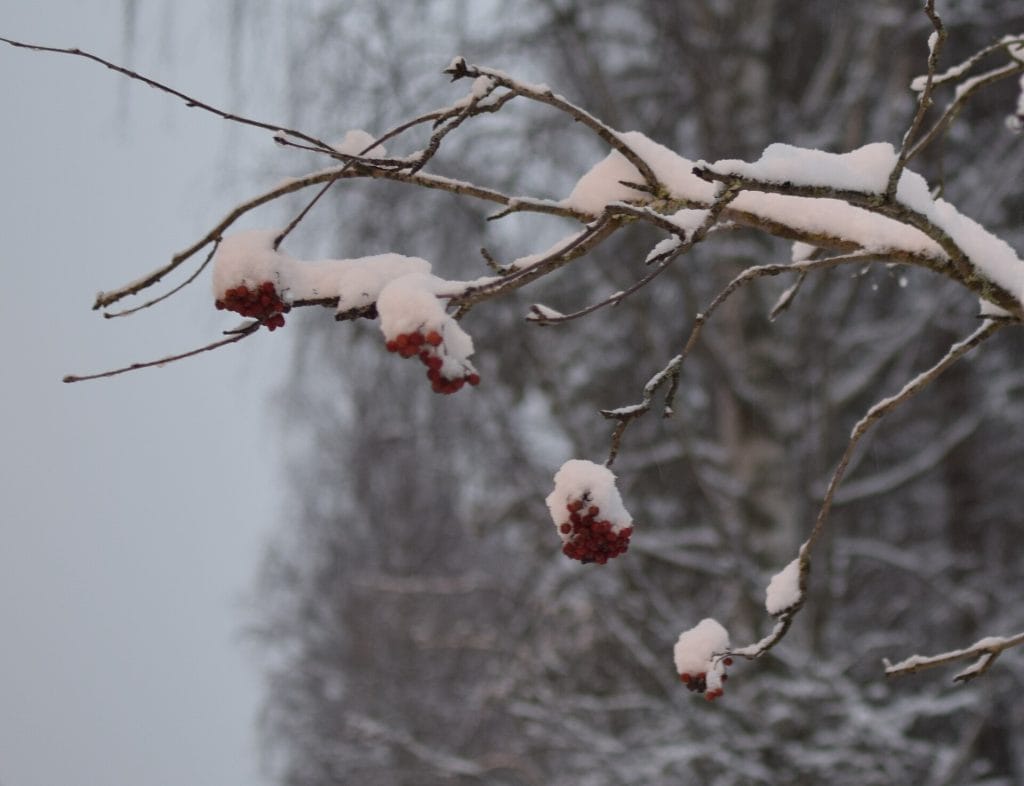
In winter, the challenge is the cold. Lapland temperatures can fall far below freezing, and daylight is short. Book husky, reindeer or snowmobile trips with established operators who provide warm clothing, and do not walk onto frozen lakes unless you know the ice is safe.
8. Denmark (ranked 11th)
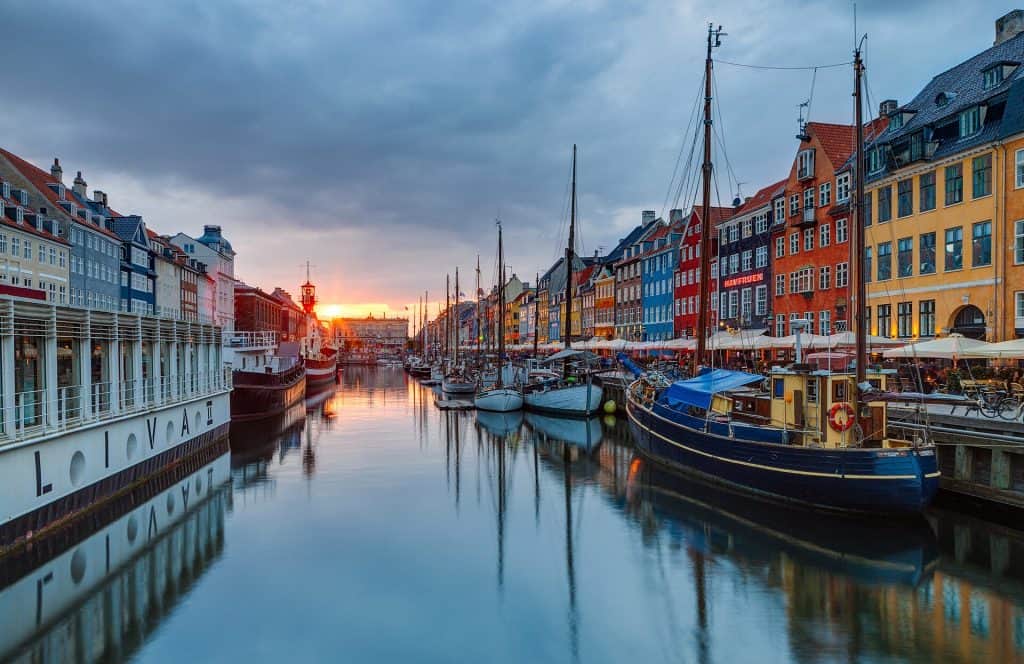
Denmark is eleventh in the 2026 index. Copenhagen is safe, compact and built around bicycles, which makes it an easy city to explore on two wheels or on foot. The one hazard that surprises visitors is the bike traffic itself: cycle lanes are busy and fast, so look before you step off the pavement.
Beyond the capital, Aarhus, the island of Bornholm and the long beaches of Jutland are all very relaxed. As anywhere popular, keep an eye on your belongings around Copenhagen Central Station and the busiest shopping streets.
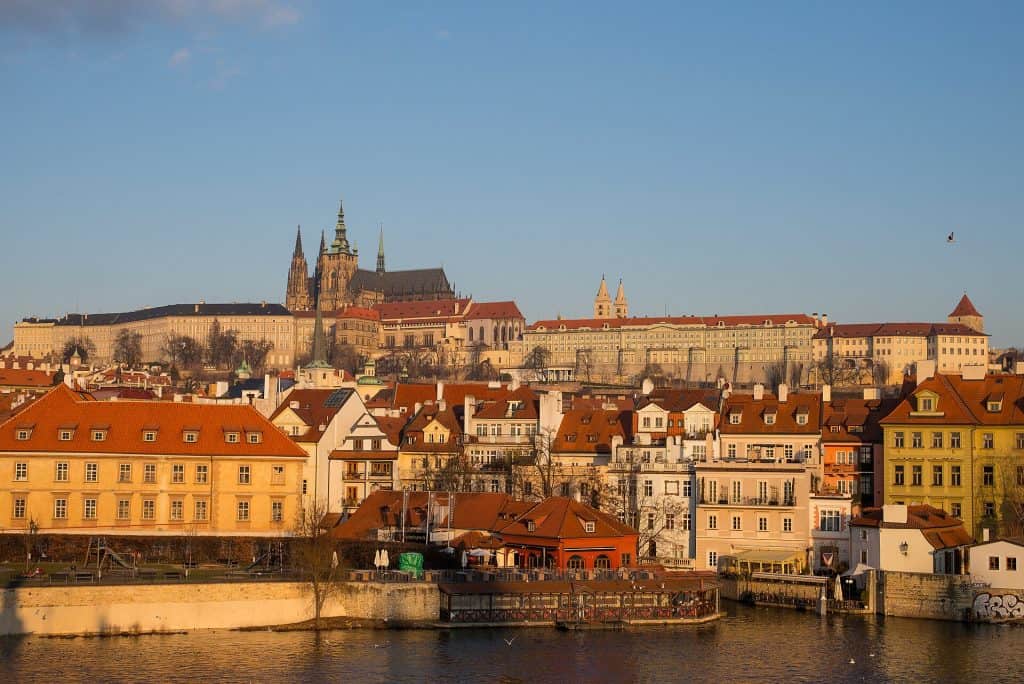
9. Czech Republic (ranked 13th)
The Czech Republic ranks thirteenth. Prague receives huge numbers of visitors but remains a safe city, and its trams and metro make it easy to get around. In December, the Christmas markets on Old Town Square and Wenceslas Square are among the best known in Europe.
The common problems are minor but annoying. Pickpockets work in crowded areas, including Charles Bridge and busy trams. Use a ride-hailing app or an official taxi rank rather than hailing a car on the street, and change money only at reputable exchange offices or banks. Outside Prague, towns such as Český Krumlov and Kutná Hora are quieter still.
Other high-ranking European countries
Several more European countries sit in the top 25 of the 2026 Global Peace Index, so the list above is far from the only option. Hungary is 15th, the Netherlands 17th, Latvia 19th, Belgium 21st, Poland 22nd, Croatia 23rd, Lithuania 24th and Estonia 25th. Warsaw, Riga and Tallinn in particular are good-value winter city breaks with well-known Christmas markets.
How to stay safe anywhere in Europe
- Check official advice: read your government’s travel advice before booking and again before you leave.
- Get insurance: buy travel insurance that covers medical treatment and repatriation. EU citizens should also carry the European Health Insurance Card, and UK residents the GHIC.
- Carry less: take one card and a little cash out each day, and leave passports in the hotel safe unless you need them.
- Watch the classic spots: crowded trams, station platforms, busy viewpoints and outdoor café tables are where most thefts happen.
- Respect nature: in mountains and on the Atlantic coast, check the forecast, stay on marked paths and swim where there are lifeguards.
- Save the number: 112 reaches emergency services across the EU, plus Iceland and Switzerland.
Plan your trip
- Iceland: tickets and tours on Tiqets · activities on Klook
- Switzerland: tickets and tours on Tiqets · activities on Klook
- Slovenia: tickets and tours on Tiqets · activities on Klook
- Arriving by plane: pre-book an airport transfer with Welcome Pickups
- Road trip: compare car hire on Localrent
- Mobile data: get a travel eSIM from Airalo
Some of these are affiliate links: if you book through them we may earn a small commission, at no extra cost to you.
Planning a bigger trip? See our guide to the 25 best places to visit in Europe, from city breaks to fjords.
Keep exploring
- Hot-Air Balloon Rides in Europe: 7 Best Places, Seasons and Safety
- Safest Places in Europe for Women Travelling Solo: 8 Cities and Tips
- Adventure in Iceland: 8 Guided Trips on Ice, Lava and Whitewater
Frequently asked questions
What is the safest country in Europe to visit?
Iceland ranks first in the world in the 2026 Global Peace Index, making it the highest-ranked European country. Switzerland (3rd) and Slovenia (4th) follow. In Iceland, the main risks for visitors come from weather and terrain rather than crime.
Is the Global Peace Index a measure of tourist safety?
Not exactly. It measures how peaceful a country is overall, including crime, conflict and militarisation. It is a useful guide, but for current local risks such as strikes, protests or extreme weather, check your government’s travel advice.
Why do the UK and France rank lower?
Both rank well below the Nordic and Alpine countries. The index scores militarisation and involvement in conflicts abroad as well as crime at home, and indicators like these have little effect on a typical visitor’s trip. London and Paris remain popular, generally safe cities, although pickpocketing in busy areas is common.
Photos: Diego Delso, CC BY-SA 4.0, via Wikimedia Commons; Tiia Monto, CC BY-SA 3.0, via Wikimedia Commons; Krzysztof Golik, CC BY-SA 4.0, via Wikimedia Commons; Marathon, CC BY-SA 2.0, via Wikimedia Commons; böhringer friedrich, CC BY-SA 3.0 at, via Wikimedia Commons; Sonse, CC BY 2.0, via Wikimedia Commons; Sadenäyttely, CC BY-SA 4.0, via Wikimedia Commons; Moahim, CC BY-SA 4.0, via Wikimedia Commons; R Boed from The Netherlands, CC BY 2.0, via Wikimedia Commons.