Updated
Plenty of cities have a famous church, a beach and good food. What makes Barcelona different is its everyday rituals and its calendar: the Sunday vermut before lunch, human towers rising in front of the city hall, a whole neighbourhood decorating its streets by hand every August, and a spring day when the city swaps books and roses. Much of it is free and tied to specific days, so plan a little.
This guide leaves the Gaudí buildings and the big museums to our separate guide to Barcelona’s art and architecture. Instead it picks ten experiences rooted in Catalan life, with notes on where and when to catch them.
Barcelona experiences at a glance
- Best for: food lovers, festival-goers and anyone who has already done the main sights.
- Key dates: Sant Jordi on 23 April, the Festa Major de Gràcia in mid-August, La Mercè around 24 September.
- Best day of the week: Sunday, for vermut, the Sant Antoni book market and sardana dancing outside the cathedral.
- Getting around: on foot in the old town, metro and bus for Gràcia, Montjuïc and the Bunkers.
- Book ahead: football tickets and the stadium museum; everything else is mostly free and walk-up.
1. Go for a vermut on Sunday
In Barcelona, “fer el vermut” means more than drinking vermouth. It is the late-morning ritual of meeting friends for a glass of sweet red vermut over ice with an olive and a slice of orange, plus a few small plates, before a long family lunch. The custom grew up around Sunday mass, and the wine town of Reus has long been linked with Catalan vermouth.
After decades out of fashion, it came back strongly in the 2010s. The best places to join in are the streets around the Mercat de Sant Antoni, the bars of Poble-sec and the squares of Gràcia. Order a vermut de la casa (house vermouth, often on tap), add a tin of berberechos (cockles), olives and crisps with a splash of hot sauce. Noon to around 2pm on a Sunday is peak hour.
2. Shop and eat in the city’s markets
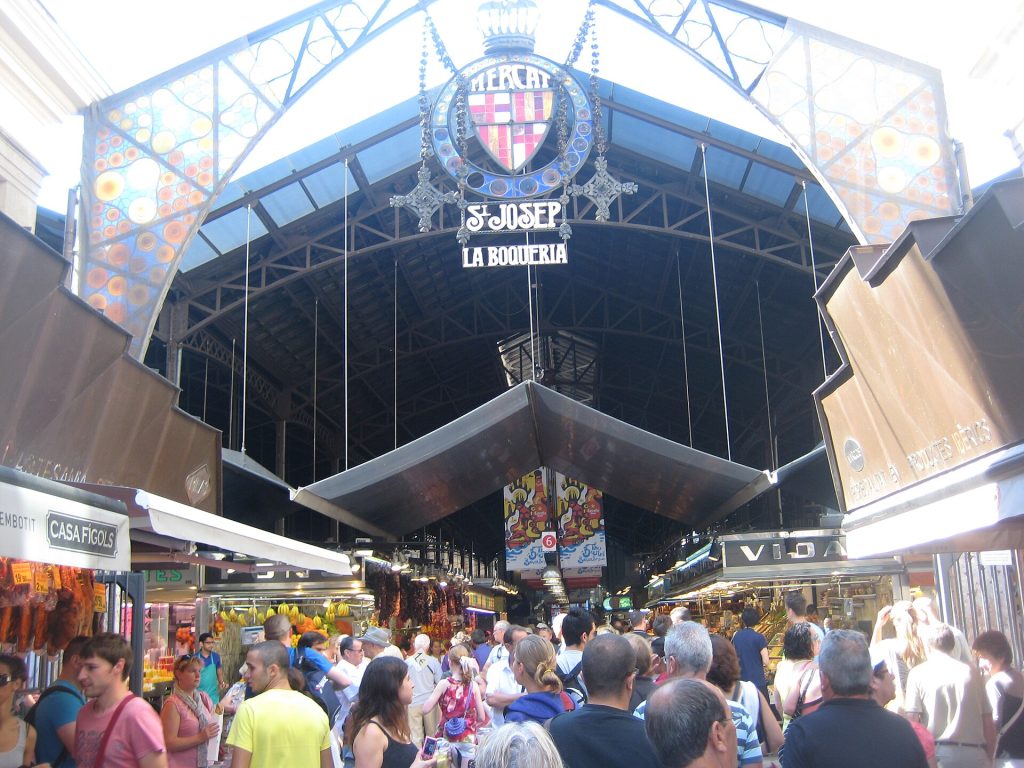
Barcelona’s municipal markets are still where many locals buy fish, meat and vegetables. La Boqueria, just off La Rambla, is the most famous. Its origins go back to the 1840s, and the iron roof over the hall dates from 1914. Go early, walk past the juice stalls at the front and eat at a counter bar deeper inside. It closes on Sundays.
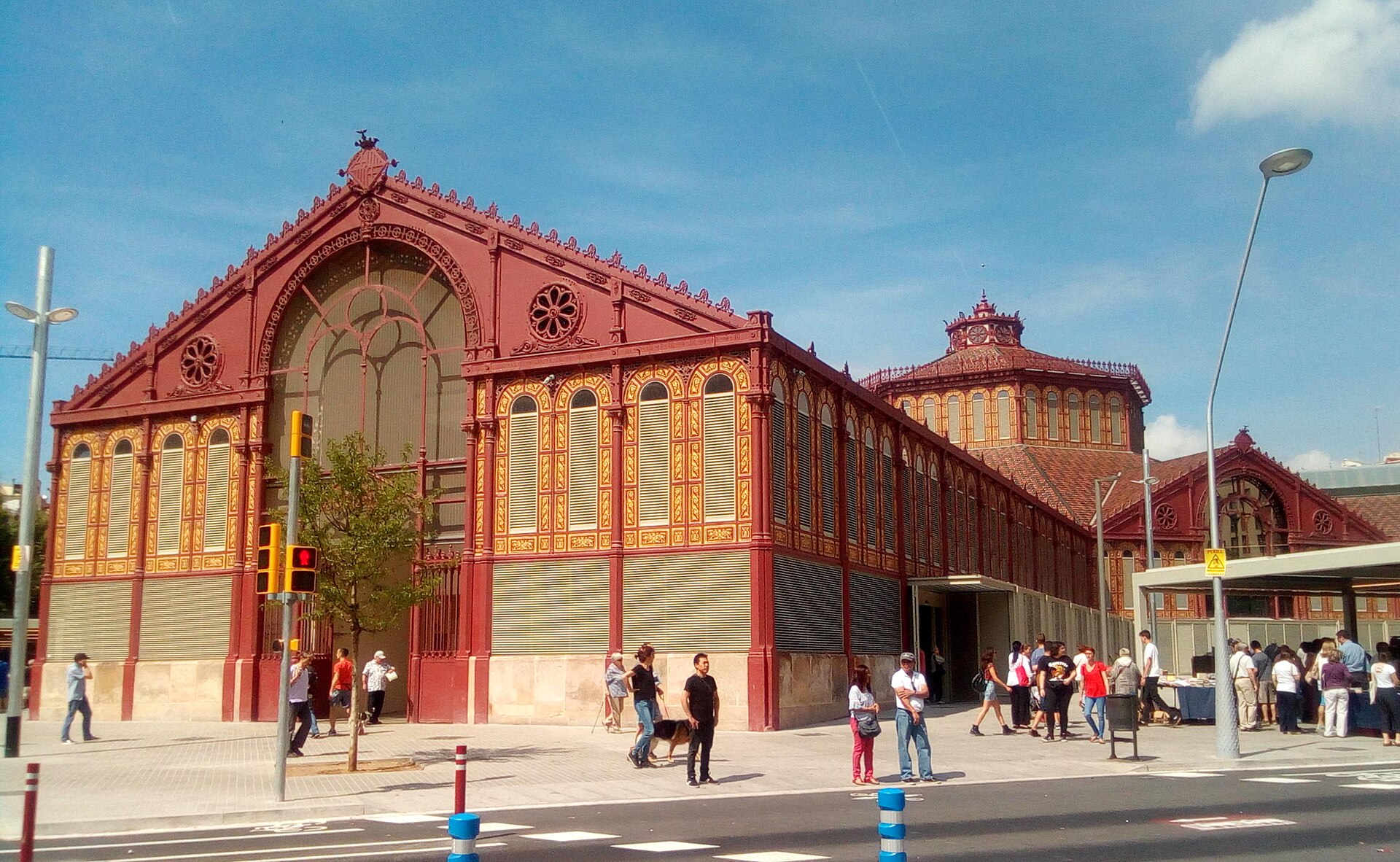
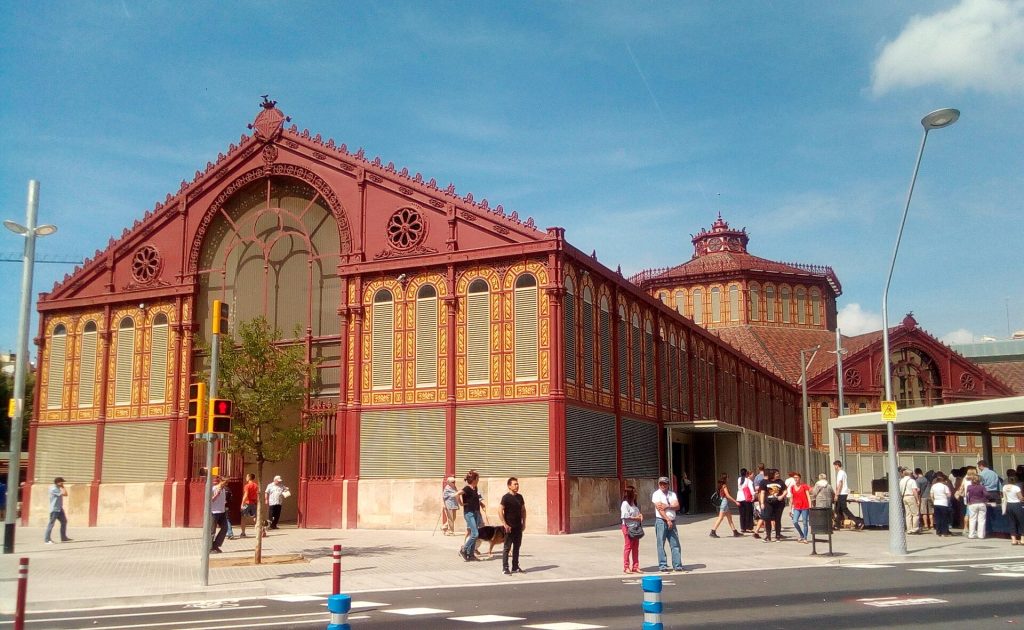
For a more local feel, go to Sant Antoni, a cross-shaped 19th-century iron market that reopened in 2018 after nine years of renovation. On Sunday mornings its perimeter fills with the Dominical, a second-hand market for books, comics, postcards and old magazines that has run since the first half of the 20th century. Santa Caterina, near the cathedral, is a calmer third choice.
3. Watch castells and the sardana
Castells are human towers, built by teams called colles, sometimes reaching nine or ten storeys, with a small child climbing to the top to raise a hand before the tower is taken down. UNESCO added them to its list of the Intangible Cultural Heritage of Humanity in 2010. In Barcelona the best place to see them is Plaça de Sant Jaume, between the Catalan government palace and the city hall, during La Mercè: local colles perform on 24 September and the main exhibition day usually falls on the nearest Sunday. Arrive early, as the square fills fast.
A few minutes away, on Avinguda de la Catedral, you can often see the sardana, the Catalan circle dance. Groups join hands and dance to a cobla, a small band of wind instruments, usually around midday on Sunday and sometimes on Saturday evenings. Times vary, so check the city’s culture agenda.
4. Walk the streets during the Festa Major de Gràcia
Gràcia was a separate town until the late 19th century and still feels like one. For a week in mid-August, usually 15 to 21 August, it holds its festa major, and the centrepiece is a competition between the residents of individual streets and squares, who spend months making decorations on a secret theme.
The decorations are unveiled on 15 August and prizes are awarded during the week. Streets also run concerts and communal meals, alongside giants, correfoc fire runs and castells. Go by day to see the decorations; at night the streets get very crowded.
5. Join in Sant Jordi on 23 April
Sant Jordi (Saint George) is the patron saint of Catalonia, and his day is one of the city’s best. Tradition says you give a rose to someone you love, and over the 20th century booksellers added the custom of giving a book. Today both go in every direction, and the city fills with rose and book stalls and authors signing copies. The 23 April date is also why UNESCO chose it as World Book Day.
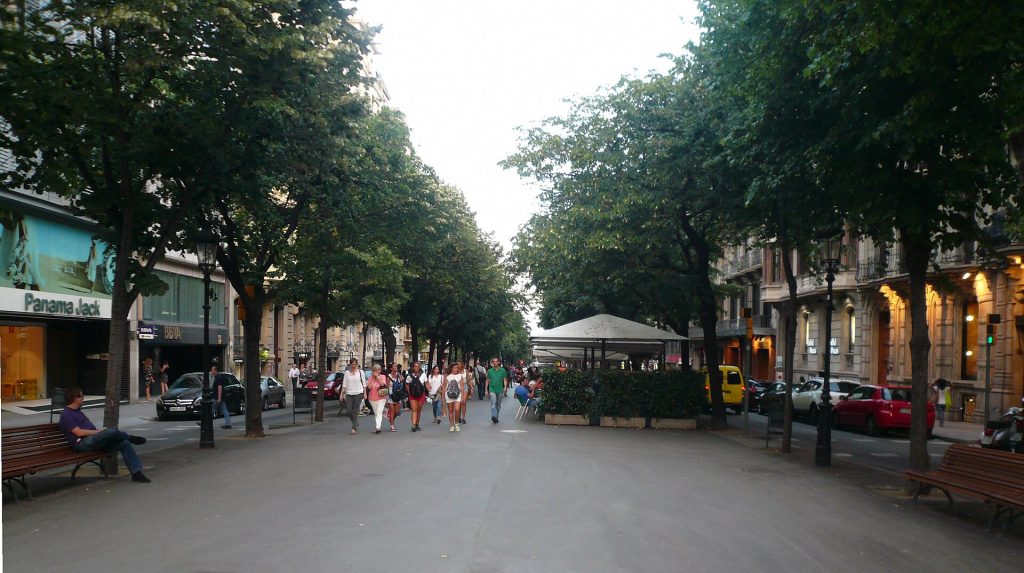
The busiest stretches are La Rambla, Passeig de Gràcia and Rambla de Catalunya. It is a working day, so crowds peak at lunchtime and after work; go in the morning.
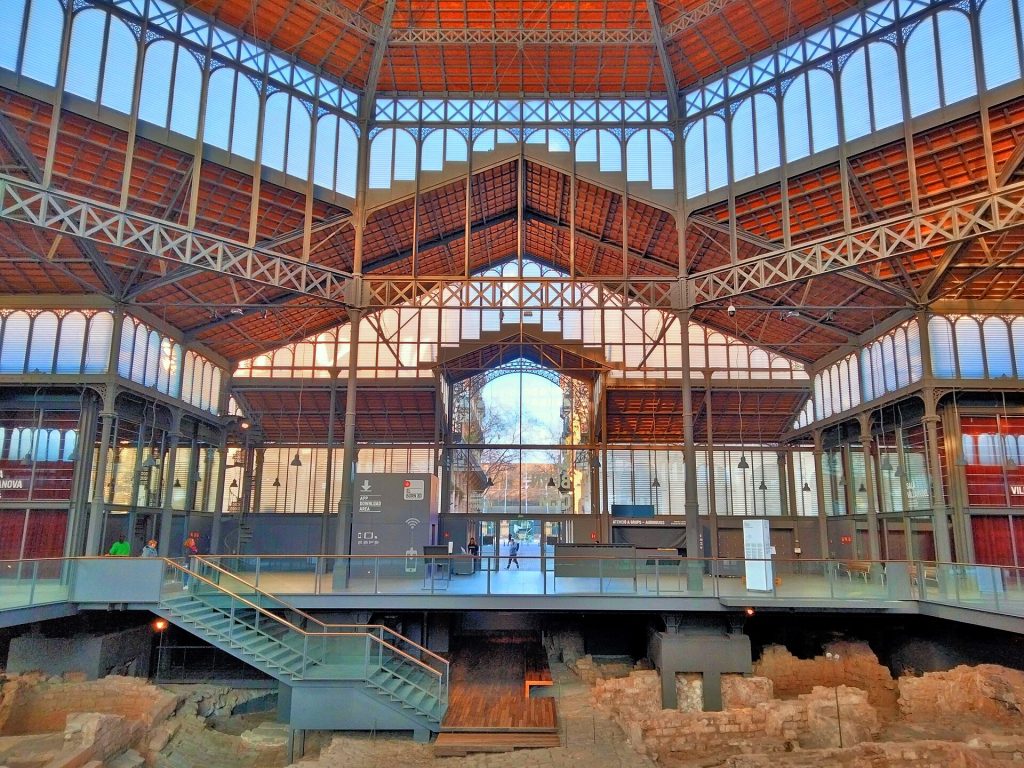
6. Eat tapas in El Born
El Born, the eastern part of the old town, is a tangle of medieval lanes around Santa Maria del Mar and Passeig del Born, and one of the best areas for an evening of small plates. Look for pa amb tomàquet (bread rubbed with tomato and olive oil), patatas bravas, croquetes and anchovies. El Xampanyet, a tiled bar near the Picasso Museum, is always packed.
Before you eat, step into El Born Centre de Cultura i Memòria, the former Born market. The iron hall was completed in 1876, and when work began on converting it in 2001, the excavations uncovered the streets and houses of the neighbourhood demolished after the siege of Barcelona in 1714. You can look down on the remains from walkways inside.
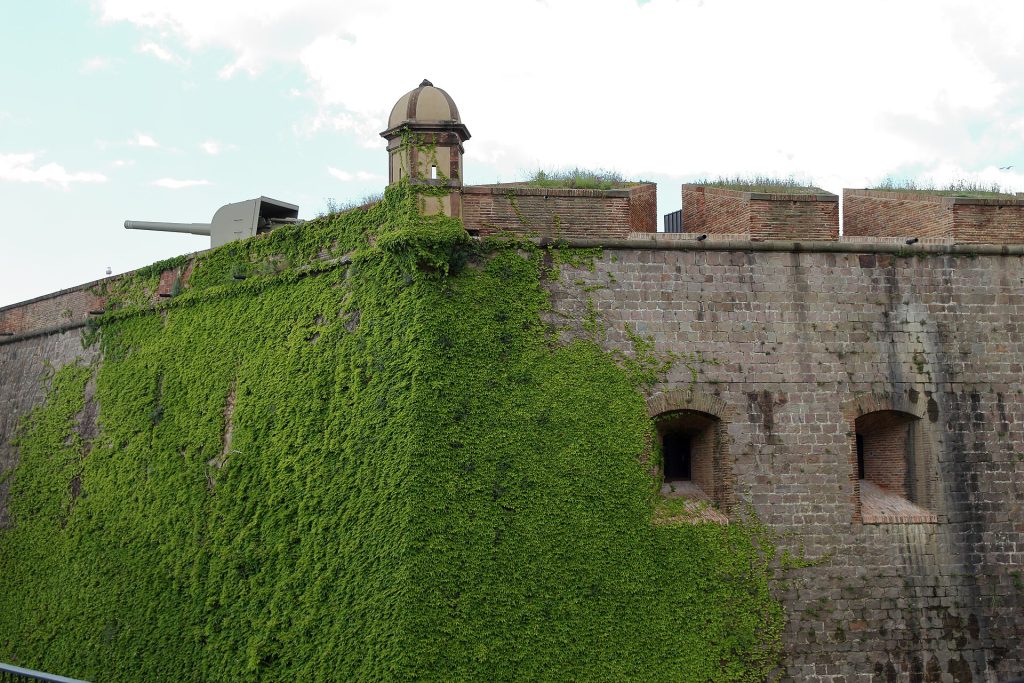
7. Spend a day on Montjuïc
Montjuïc is the green hill rising above the port, and it holds more than most visitors expect: the 1992 Olympic venues, gardens, museums and a hilltop fortress with sea views. The easiest way up is the funicular from Paral·lel metro station, which is part of the public transport network, followed by the Telefèric de Montjuïc cable car to the castle.
Walk back down through the gardens towards Plaça d’Espanya, ideally timed for the Magic Fountain. Its music and light shows returned in 2025 after a long pause caused by drought, running on selected evenings; check the current schedule before you go.
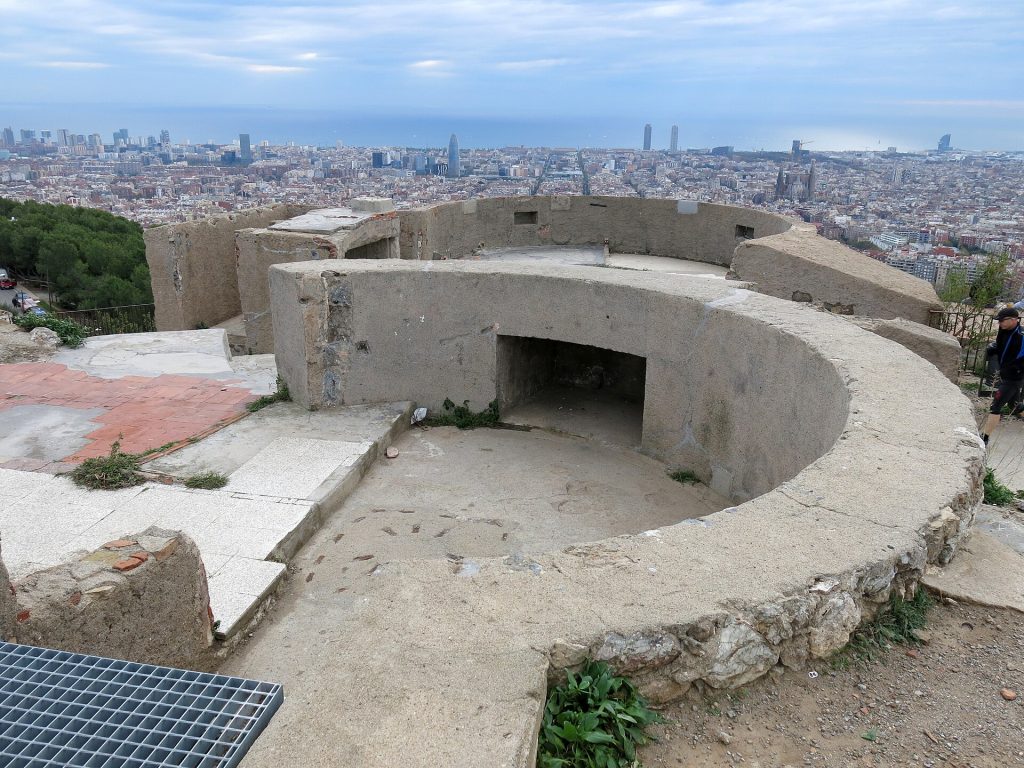
8. Climb to the Bunkers del Carmel
The Bunkers del Carmel on Turó de la Rovira give one of the widest views of Barcelona. The concrete structures are the remains of an anti-aircraft battery built during the Spanish Civil War. After the war, people built shacks among the ruins, and the settlement lasted until the 1990s. The Barcelona History Museum (MUHBA) has restored the site and runs a small exhibition there.
The hilltop became so popular for sunset gatherings that the city closed it at night from 2023, so it is open in daytime only, closing early in the evening. In summer that is before sunset. Go in the morning or late afternoon, and wear proper shoes.
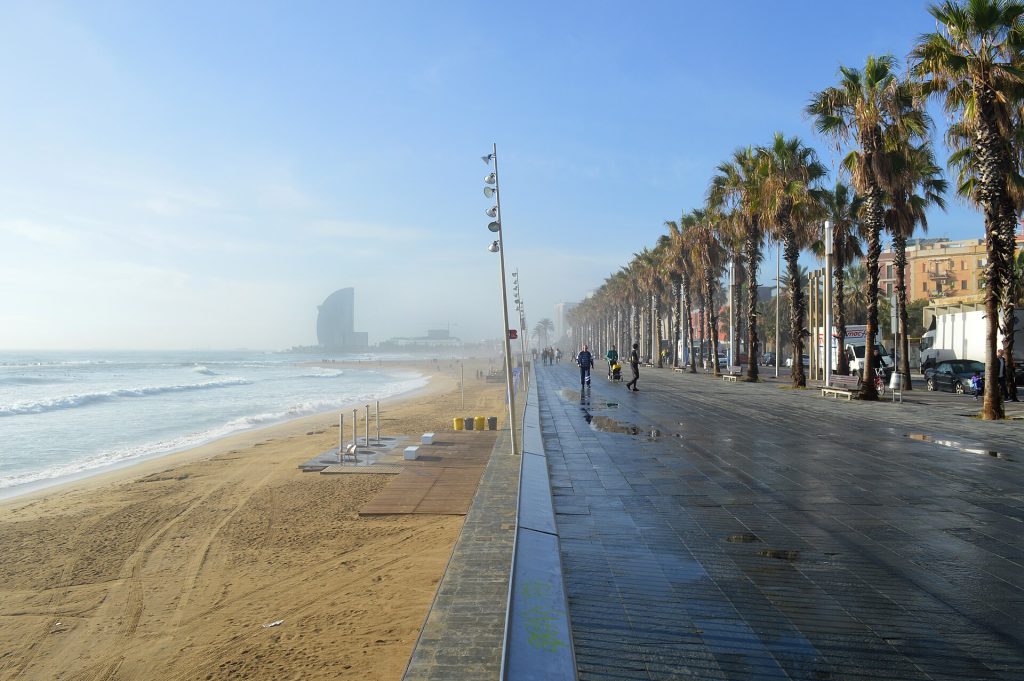
9. Eat seafood and swim at Barceloneta
Barceloneta is an 18th-century fishermen’s quarter on a triangle of land between the port and the sea, laid out in long, narrow blocks with washing hung from the balconies. Its old bodegas are the place to try the bomba, a breaded ball of potato and meat with spicy sauce.
On the seafront, restaurants serve arròs negre (rice cooked with squid ink), fideuà and paella, traditionally eaten at lunch rather than dinner. Barceloneta beach is the closest to the centre and the busiest; walk north along the promenade past the Olympic Port for more space.
10. See FC Barcelona at the Camp Nou
For many in the city, FC Barcelona is “més que un club”, more than a club. The team returned to the rebuilt Spotify Camp Nou in November 2025 after more than two years away, and the stadium is reopening in phases. Capacity was raised to about 62,600 in 2026, with the full stadium planned to hold around 105,000 once work is complete.
Buy match tickets only through the club’s official channels, as touts and unofficial resellers are common. While work continues, the classic stadium tour has been replaced by the club’s museum and an immersive tour; check what is open before you go. Otherwise, watch a big match in a neighbourhood bar.
Planning around the calendar
- Sundays: vermut, the Sant Antoni book market and the sardana. La Boqueria and many shops are closed.
- 23 April: Sant Jordi, with book and rose stalls across the centre.
- Mid-August: the Festa Major de Gràcia, followed by the smaller festa of Sants.
- Around 24 September: La Mercè, the city’s biggest festival, with castells, giants, correfocs and free concerts.
Practical tips
- Meal times: lunch from about 2pm, dinner from 9pm. Vermut fills the gap before lunch.
- Getting around: the metro reaches every area in this guide, and a T-casual ten-journey card is cheaper than single tickets.
- Pickpockets: take care on La Rambla, in the metro and on the beach, and during festivals.
Plan your trip to Barcelona
- Tickets and tours in Barcelona: tickets and tours on Tiqets · activities on Klook
- Arriving by plane: pre-book an airport transfer with Welcome Pickups
- Road trip: compare car hire on Localrent
- Mobile data: get a travel eSIM from Airalo
Some of these are affiliate links: if you book through them we may earn a small commission, at no extra cost to you.
Planning a bigger trip? See our guide to the 25 best places to visit in Europe, from city breaks to fjords.
Keep exploring
- Local Barcelona: 7 Neighbourhood Experiences Away from the Crowds
- Barcelona Art and Architecture: Gaudí, Modernisme and Museums
- Exploring Barcelona on a City Trip: A Practical Guide
Frequently asked questions
What is Barcelona famous for apart from Gaudí?
Its food markets, the Sunday vermut, castells, the beaches at Barceloneta, FC Barcelona and festivals such as Sant Jordi, the Festa Major de Gràcia and La Mercè.
When can you see castells in Barcelona?
The surest time is La Mercè in late September, when colles build towers in Plaça de Sant Jaume on 24 September and usually again on the nearest Sunday. They also appear at neighbourhood festivals, including Gràcia in August.
Is La Boqueria worth visiting?
Yes, if you go early on a weekday and eat at one of the counter bars inside. It is very crowded from late morning. For a calmer, more local market, try Sant Antoni or Santa Caterina instead.
Photos: Canaan, CC BY-SA 4.0, via Wikimedia Commons; МаратД, CC BY-SA 4.0, via Wikimedia Commons; pere prlpz, CC BY-SA 3.0, via Wikimedia Commons; Enric, CC BY-SA 4.0, via Wikimedia Commons; Lahi, CC BY-SA 4.0, via Wikimedia Commons; DimiTalen, CC0, via Wikimedia Commons.