Updated
England has hundreds of castles, from Norman keeps built to hold down a conquered country to Victorian rebuilds dressed up as medieval fortresses. Some are roofless ruins on cliffs, some are still family homes, and one is a working royal residence. They are spread across the country, so the easiest way to see several is to pick a region.
These are ten of the most rewarding, chosen for history, setting and how much there is to see on the day. For each one we note who runs it, because that decides how you pay: English Heritage and National Trust sites are free for their members, while private castles sell their own tickets. Wales and Scotland are left out on purpose.
England’s castles at a glance
- Best for families: Warwick and Alnwick.
- Best ruins: Corfe, Kenilworth and Tintagel.
- Best coastal setting: Bamburgh in Northumberland and Tintagel in Cornwall.
- Easiest from London: Windsor by train, then Leeds, Dover and Bodiam in Kent and East Sussex.
- When to go: April to October; several castles open fewer days in winter.
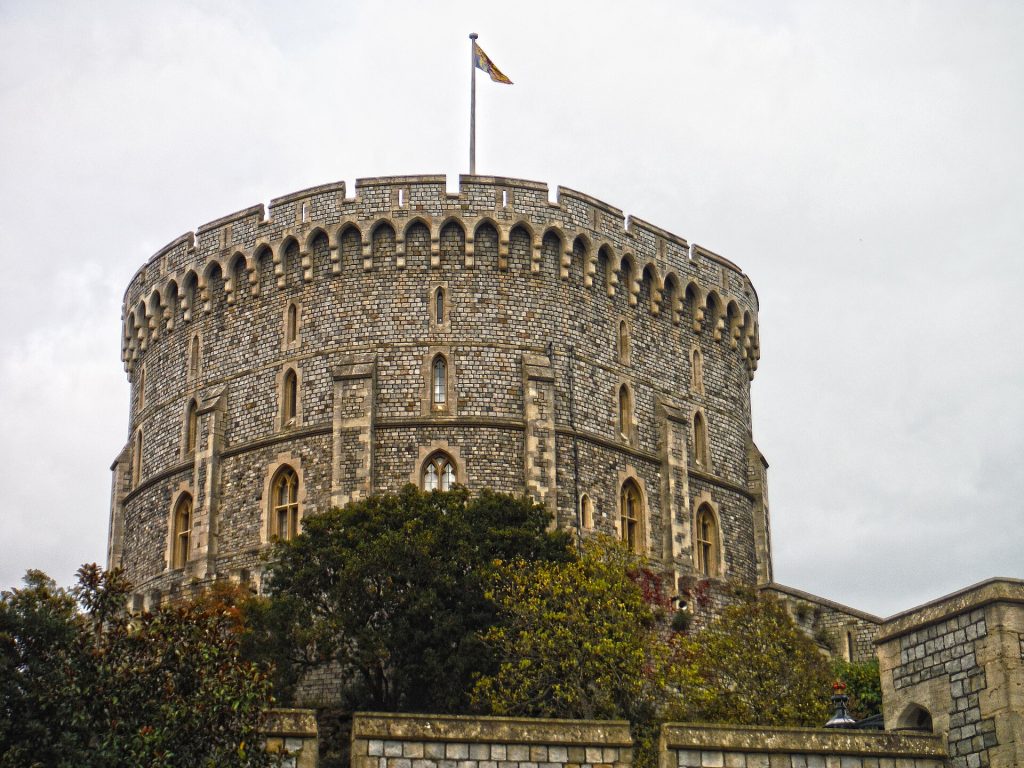
1. Windsor Castle, Berkshire
Run by: the Royal Collection Trust, for the royal household.
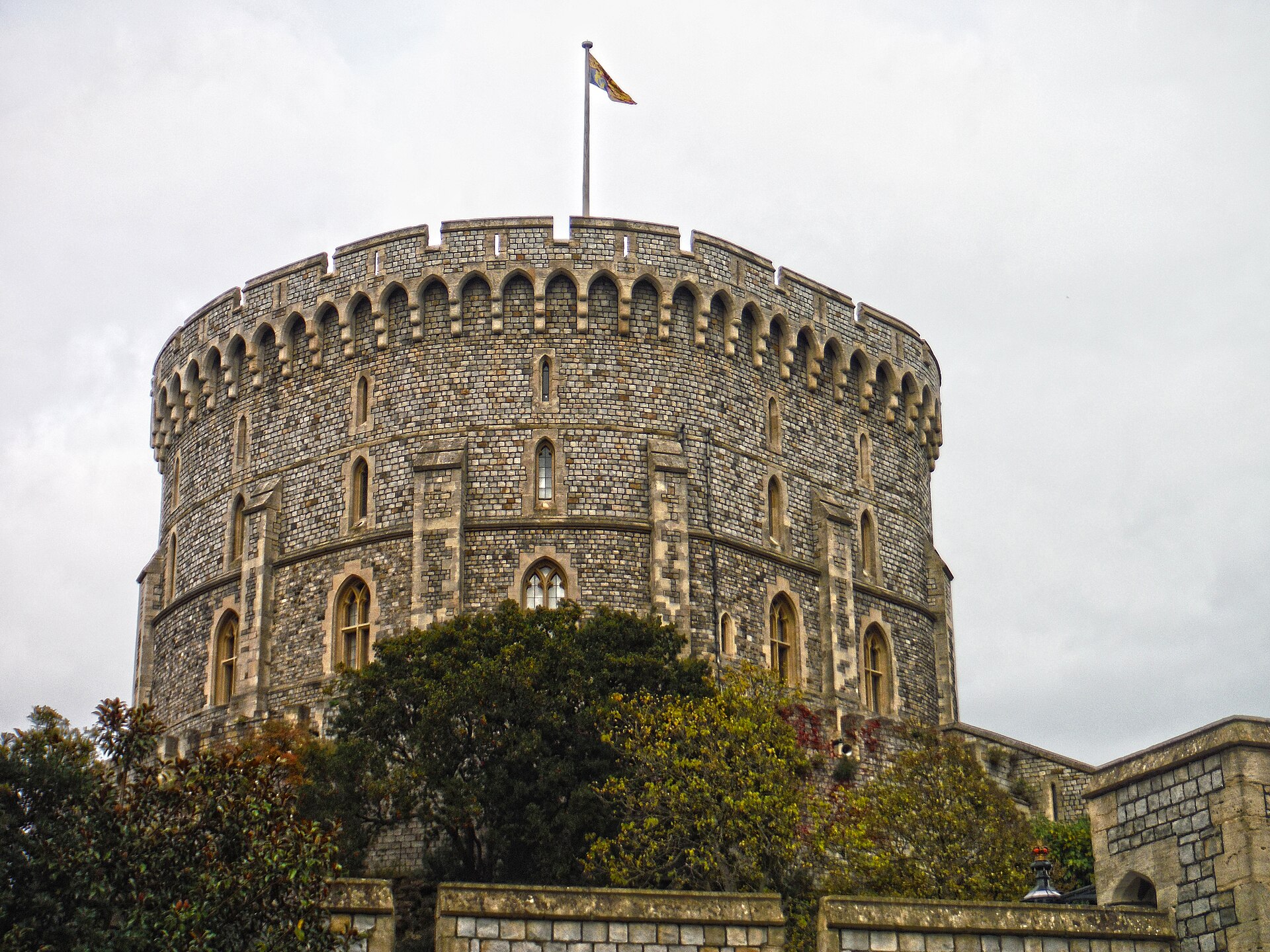
William the Conqueror built a timber castle above the Thames around 1070, and Windsor has been occupied ever since, which is why it is often called the oldest and largest inhabited castle in the world. The Round Tower stands where his wooden fort stood. Visits take in the State Apartments, hung with paintings from the Royal Collection, and St George’s Chapel, begun under Edward IV in 1475. Henry VIII, Charles I and Queen Elizabeth II are among the monarchs buried there.
Trains run from London Waterloo, or via Slough, to two stations a short walk from the gates. As a working palace, parts can close at short notice for official events, so check before you travel. St George’s Chapel is closed to sightseers on Sundays.
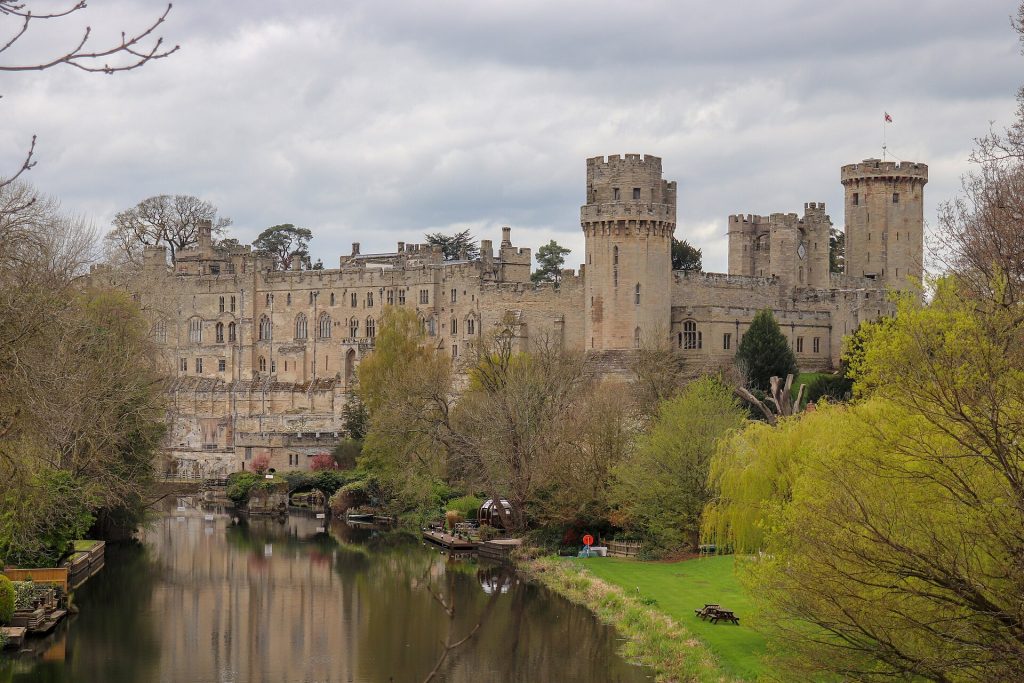
2. Warwick Castle, Warwickshire
Run by: Merlin Entertainments, as a commercial attraction.
William the Conqueror founded a motte and bailey here in 1068, and the stone castle that replaced it is one of the best preserved in England. Caesar’s Tower and Guy’s Tower, both 14th century, are the view everyone photographs from the bridge over the Avon. Since 1978 the castle has been run by the company behind Madame Tussauds, now part of Merlin, so expect live shows, birds of prey, costumed staff and a full size working trebuchet on the riverbank.
It is the busiest and priciest castle here, and the one children enjoy most. Book online, give it a full day, and leave an hour for the old town. Warwick station is about 15 minutes away on foot.
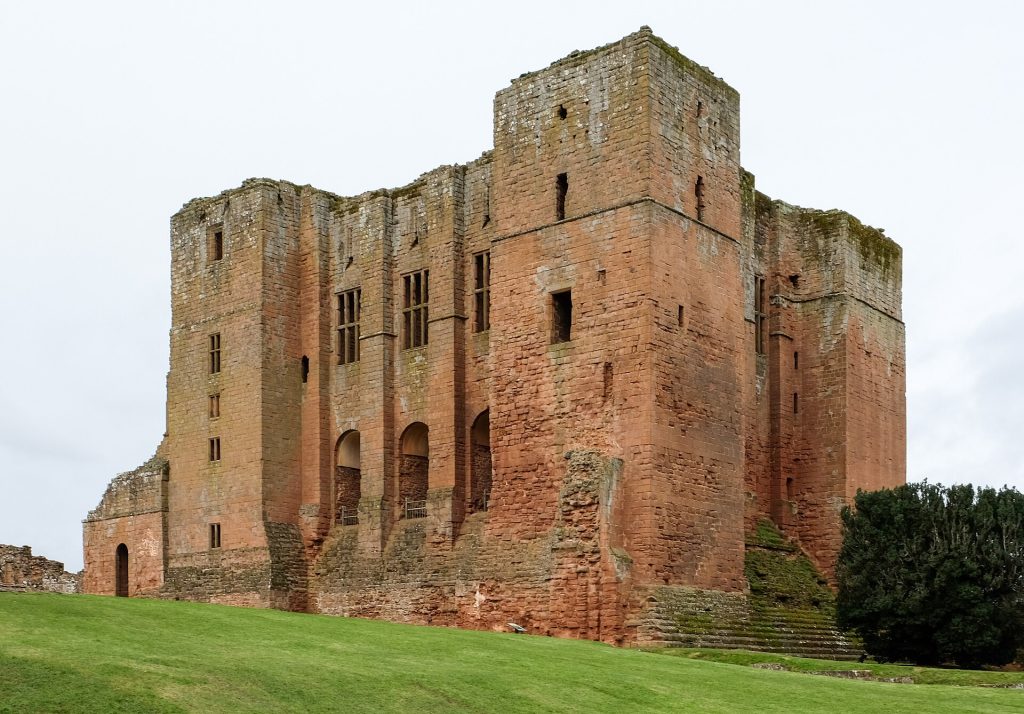
3. Kenilworth Castle, Warwickshire
Run by: English Heritage.
A few miles north of Warwick, Kenilworth is the opposite experience: a vast red sandstone ruin with no shows and room to wander. In 1266 it held out against royal forces for 172 days, thought to be the longest siege in medieval English history. Three centuries later Robert Dudley, Earl of Leicester, turned it into a palace to court Elizabeth I, who stayed for nearly three weeks in July 1575.
English Heritage recreated Dudley’s Elizabethan garden in 2009 from an eyewitness letter, complete with an aviary and a carved marble fountain. With a car, Kenilworth and Warwick fit into one day.
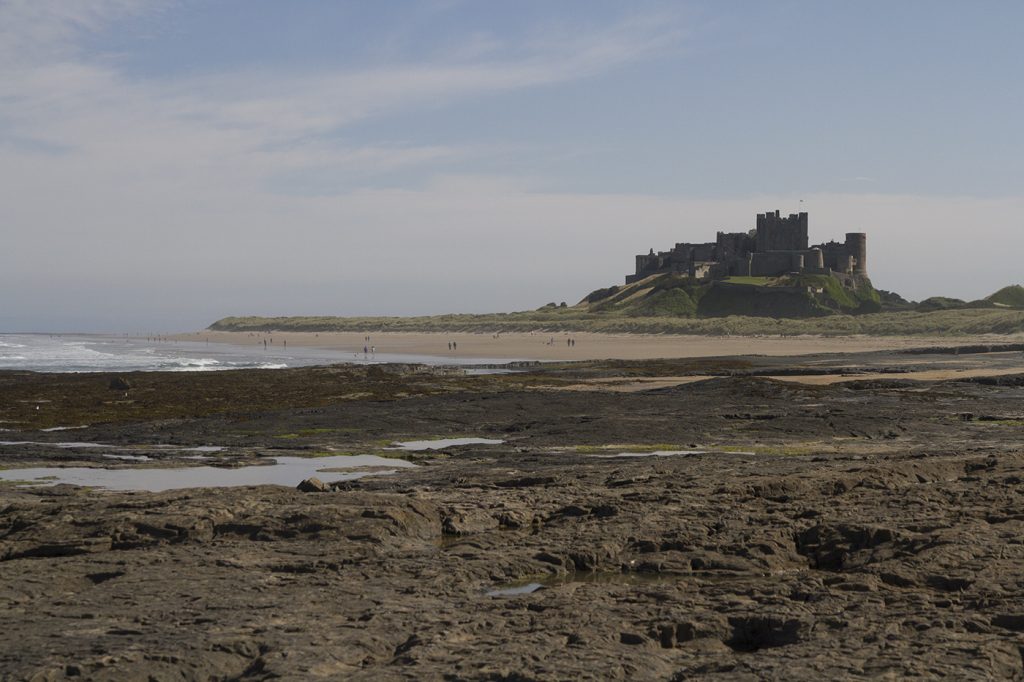
4. Bamburgh Castle, Northumberland
Run by: the Armstrong family, privately.
Bamburgh sits on an outcrop of the Whin Sill, a hard volcanic rock, high above a long sandy beach. Excavations show the site was one of the main strongholds of Anglo Saxon Northumbria. The industrialist William Armstrong bought it in 1894 and restored it heavily, so most interiors, including the panelled King’s Hall, are Victorian.
The best views of the castle are free, from the beach and dunes to the north. From the ramparts you can see the Farne Islands and, on a clear day, Holy Island. There is no station in the village, so most visitors arrive by car or bus.
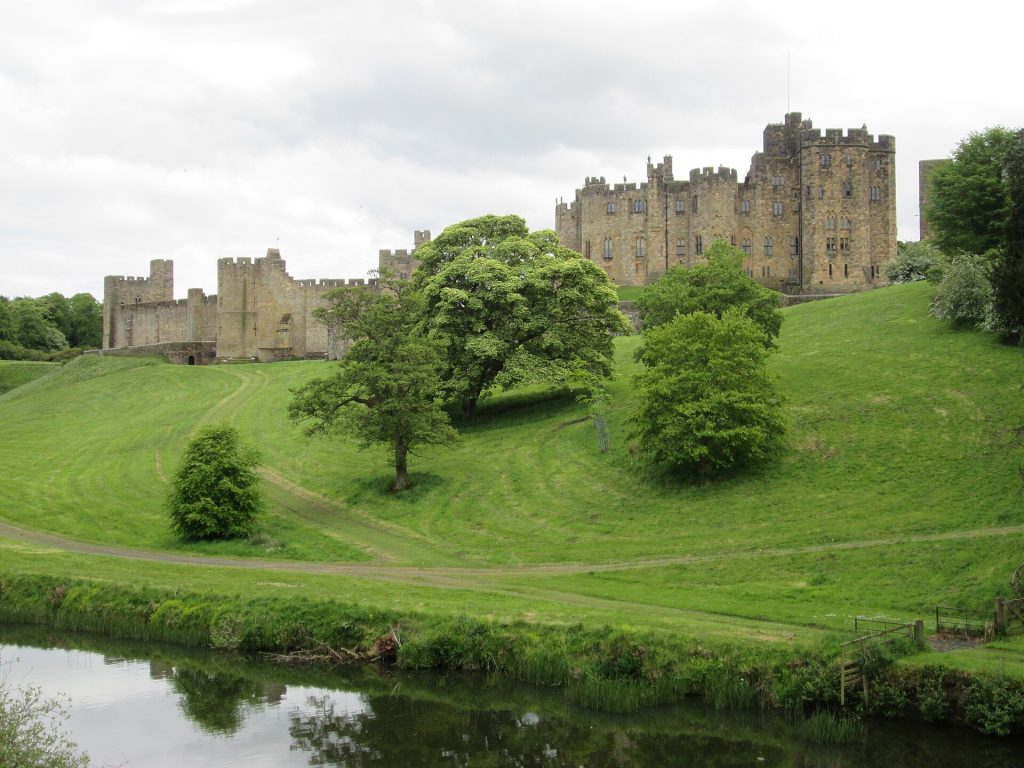
5. Alnwick Castle, Northumberland
Run by: the Percy family, Dukes of Northumberland, who still live there.
The Percys bought Alnwick in 1309, and it remains their family seat. Most visitors know it as Hogwarts: its exterior appeared in the first two Harry Potter films, and broomstick lessons are still held in the Outer Bailey. The state rooms were refitted in an Italian Renaissance style in the 19th century and hold a serious art collection.
The Alnwick Garden next door is a separate charity with its own ticket; its Poison Garden can only be seen on a guided tour. The castle opens seasonally, roughly spring to autumn. Bamburgh is about half an hour’s drive north.
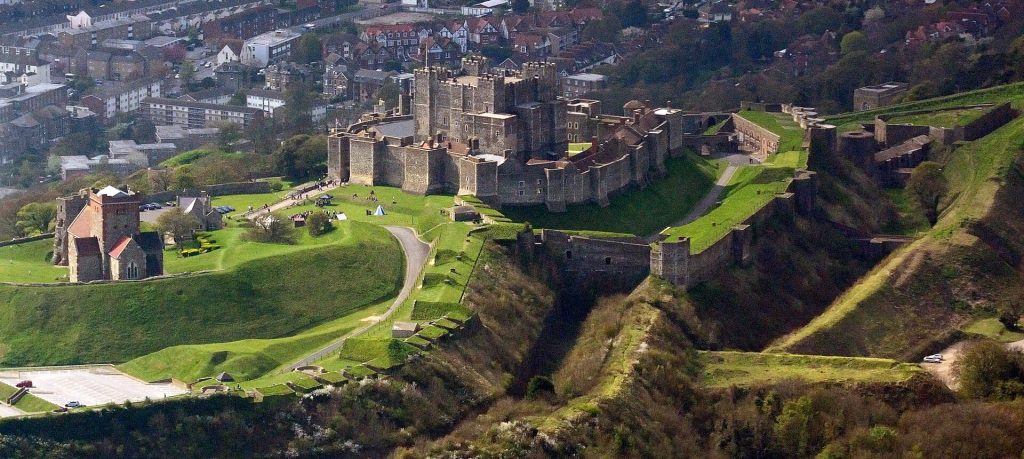
6. Dover Castle, Kent
Run by: English Heritage.
Dover has guarded the shortest crossing to the continent for centuries. Henry II built the Great Tower in the 1180s, and its rooms are furnished to suggest his court. Under the cliffs runs a network of tunnels begun during the Napoleonic Wars, and in 1940 Vice Admiral Bertram Ramsay directed the Dunkirk evacuation from here.
The guided tunnel tours are the highlight and fill quickly in summer, so join the queue soon after arriving. Allow most of a day. The castle is on a steep hill above the town, with a bus from the centre.
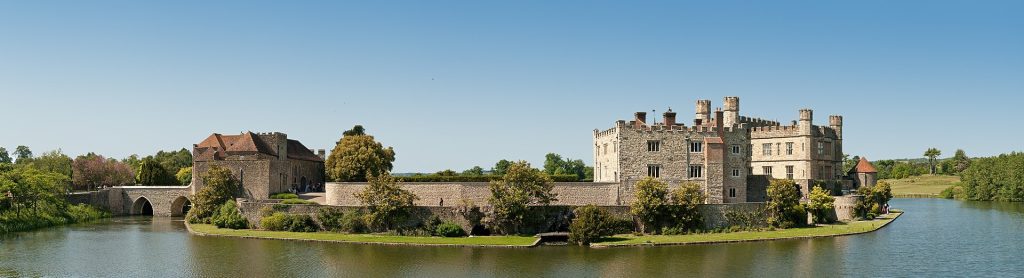
7. Leeds Castle, Kent
Run by: the Leeds Castle Foundation, a private charitable trust.
Not to be confused with the Yorkshire city, Leeds Castle stands on islands in a lake formed by the River Len, near Maidstone. Henry VIII remodelled it for Catherine of Aragon around 1520. Its last owner, Olive, Lady Baillie, bought it in 1926 and restored the interiors; after her death in 1974 it passed to the foundation, which opened it to the public in 1976.
The setting is the draw: parkland, gardens, a yew maze and black swans on the water. Admission tickets have generally been valid for a year, which suits anyone living within reach.
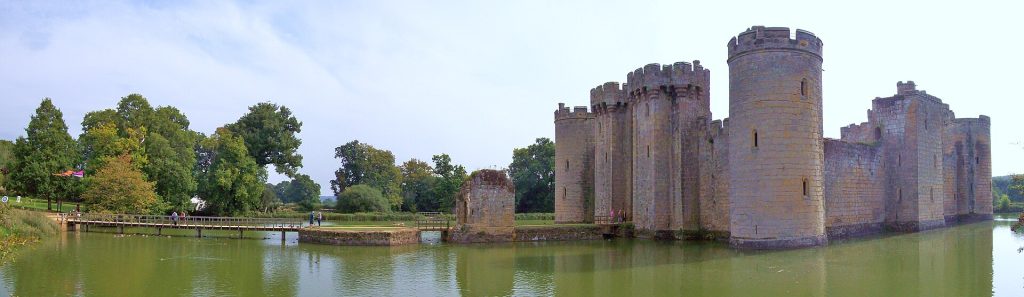
8. Bodiam Castle, East Sussex
Run by: the National Trust.
Bodiam looks the way children draw a castle: square walls, round corner towers, a gatehouse and a wide moat. Sir Edward Dalyngrigge received a licence to fortify it from Richard II in 1385. The inside is largely a shell, but you can climb some towers for views over the Rother valley. Lord Curzon restored it and left it to the National Trust when he died in 1925.
Allow two to three hours. In season, steam trains on the Kent and East Sussex Railway run from Tenterden to Bodiam station, a short walk away.
9. Corfe Castle, Dorset
Run by: the National Trust.
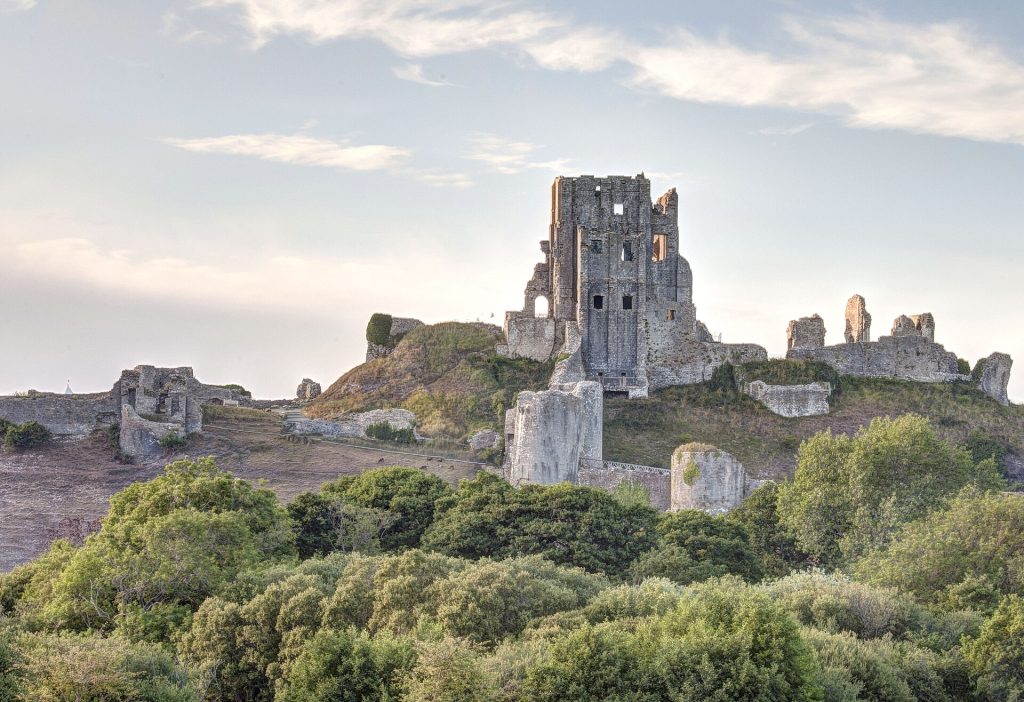
Corfe Castle fills a gap in the Purbeck Hills, its jagged walls visible for miles. In the Civil War, Lady Mary Bankes held it for the king until it fell through betrayal in 1646, after which Parliament ordered it blown up. The tilted, broken towers are the result.
Walk up from the grey stone village and take time over the views. The heritage Swanage Railway stops at Corfe, and arriving by steam from Swanage is the classic approach.
10. Tintagel Castle, Cornwall
Run by: English Heritage.
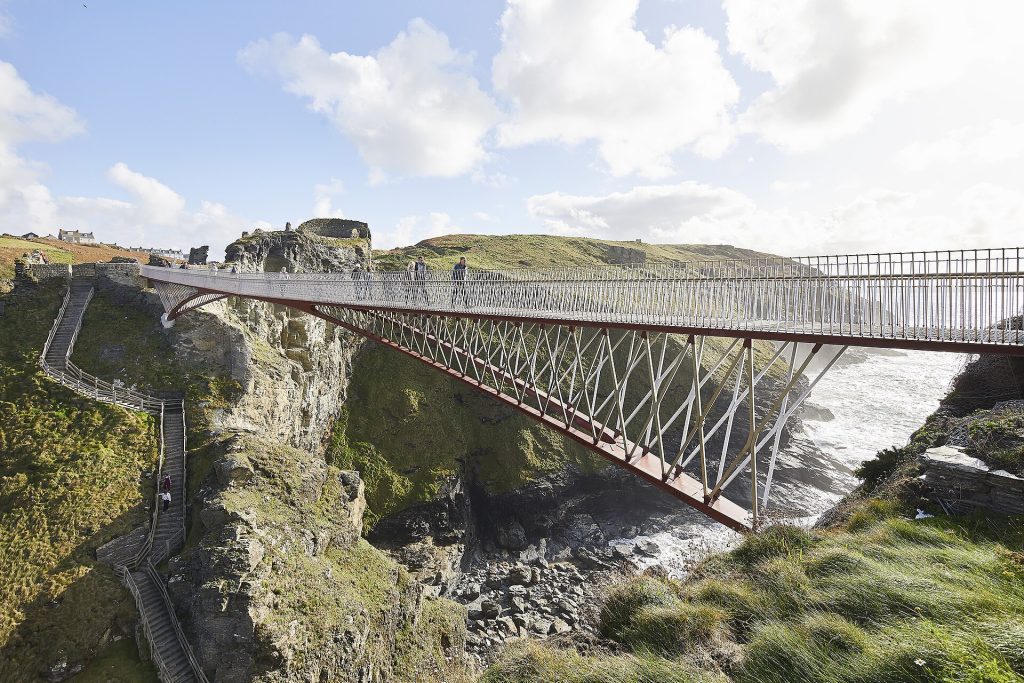
Tintagel is more about place and legend than buildings. Richard, Earl of Cornwall, built a castle here in the 1230s, apparently drawn by stories linking the site with King Arthur. The ruins are split between the mainland and a rocky headland, and in 2019 English Heritage opened a footbridge between the two halves, high above the sea.
Expect steep paths and many steps. Book a timed ticket in advance, and be aware the site can close in high winds. Merlin’s Cave, on the beach below, is reachable at low tide.
More castles worth the detour
- Framlingham Castle, Suffolk (English Heritage): a curtain wall with 13 towers and a wall walk. Mary I was here in 1553 while the throne was in dispute.
- Tower of London (Historic Royal Palaces): the White Tower and the Crown Jewels; go at opening time.
- Dunstanburgh Castle, Northumberland (English Heritage): a lonely ruin reached on foot along the coast from Craster.
- Chillingham Castle, Northumberland (private): known for ghost tours and wild cattle.
Planning a castle trip in England
- Memberships: English Heritage runs Dover, Kenilworth, Tintagel and Framlingham; the National Trust runs Bodiam and Corfe. For several visits, compare annual membership with single tickets.
- Private castles: Warwick, Alnwick, Bamburgh and Leeds are not covered by any membership.
- Group by region: Northumberland, the Midlands, Kent and Sussex, and the south west each make a good two to three day trip.
- Seasons: many sites cut opening days between November and March; school holidays are busiest.
- What to wear: ruins are exposed and uneven, so bring a waterproof and sturdy shoes.
Plan your trip to England
- Tickets and tours in England: tickets and tours on Tiqets · activities on Klook
- Arriving by plane: pre-book an airport transfer with Welcome Pickups
- Road trip: compare car hire on Localrent
- Mobile data: get a travel eSIM from Airalo
Some of these are affiliate links: if you book through them we may earn a small commission, at no extra cost to you.
Planning a bigger trip? See our guide to the 25 best places to visit in Europe, from city breaks to fjords.
Keep exploring
- 7 Castles Near Prague Worth a Day Trip (and Prague Castle Itself)
- 10 Most Beautiful Castles in Italy You Can Actually Visit
- A Haunted European Tour: 10 Castles, Ghost Walks and Spooky Legends
Frequently asked questions
What is the most visited castle in England?
The Tower of London and Windsor Castle usually top the visitor figures, helped by their royal links and closeness to London.
Which English castle is best for children?
Warwick, with its shows and trebuchet. Alnwick, with broomstick lessons, is a close second, and Dover’s wartime tunnels suit older children.
Do I need a membership to visit castles in England?
No. Every castle here sells individual tickets. Membership only pays off if you visit several sites run by the same organisation within a year.
Photos: Lewis Clarke, CC BY-SA 2.0, via Wikimedia Commons; Vauxford, CC BY-SA 4.0, via Wikimedia Commons; DeFacto, CC BY-SA 4.0, via Wikimedia Commons; Malcolm Neal, CC BY-SA 2.0, via Wikimedia Commons; Martin Dawes, CC BY-SA 2.0, via Wikimedia Commons; Lieven Smits, CC BY-SA 3.0, via Wikimedia Commons; Diliff, CC BY-SA 4.0, via Wikimedia Commons; Len Williams, CC BY-SA 2.0, via Wikimedia Commons; Lies Thru a Lens , CC BY 2.0, via Wikimedia Commons; Hufton + Crow Photography, CC BY-SA 4.0, via Wikimedia Commons.