Updated
Most European trips are built around a dozen famous cities, and the small towns in between get skipped. This list goes the other way: eight towns that rarely appear on itineraries, each worth at least a night, then fourteen more in brief, several of which we cover in depth in other guides.
None of these is undiscovered. What they share is a manageable scale outside peak weeks and something specific to see: a Breton onion trade, a stonemasons’ school, a ship of standing stones, a night watchman’s horn.
Unexpected places in Europe at a glance
- In depth: Roscoff, Tarnów, Pučišća, Arosa, Tübingen, Ystad, Nesebar and Valença.
- In brief: fourteen more towns, from Nafplio and Korčula to Bremen and Reine.
- Best time to go: May, June and September for most; Arosa also in winter.
- Getting there: most are on rail or ferry routes; Pučišća is easier with a car.
- How long: one night for most; Arosa and Ystad reward two or three.
1. Roscoff, Brittany, France
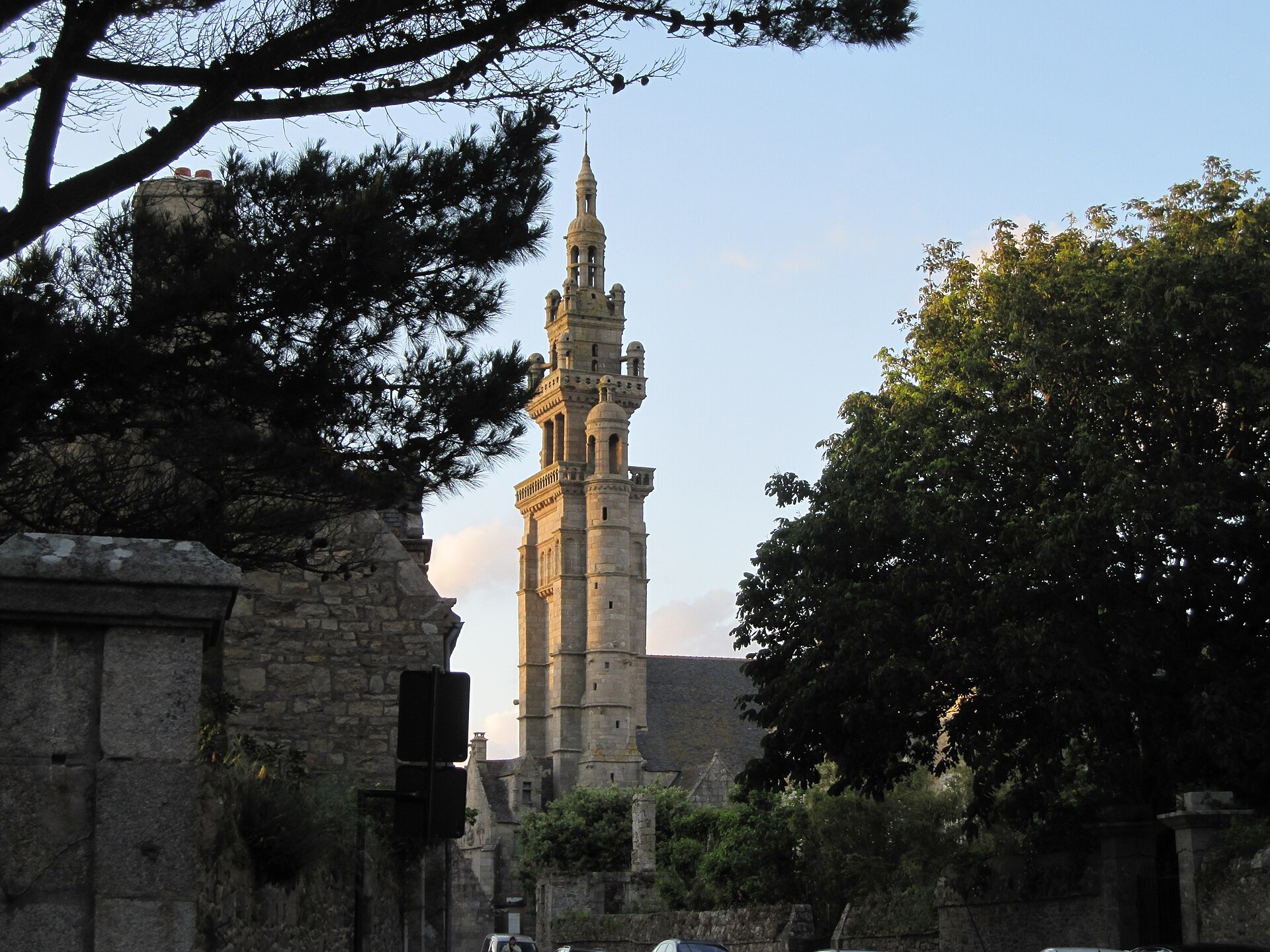
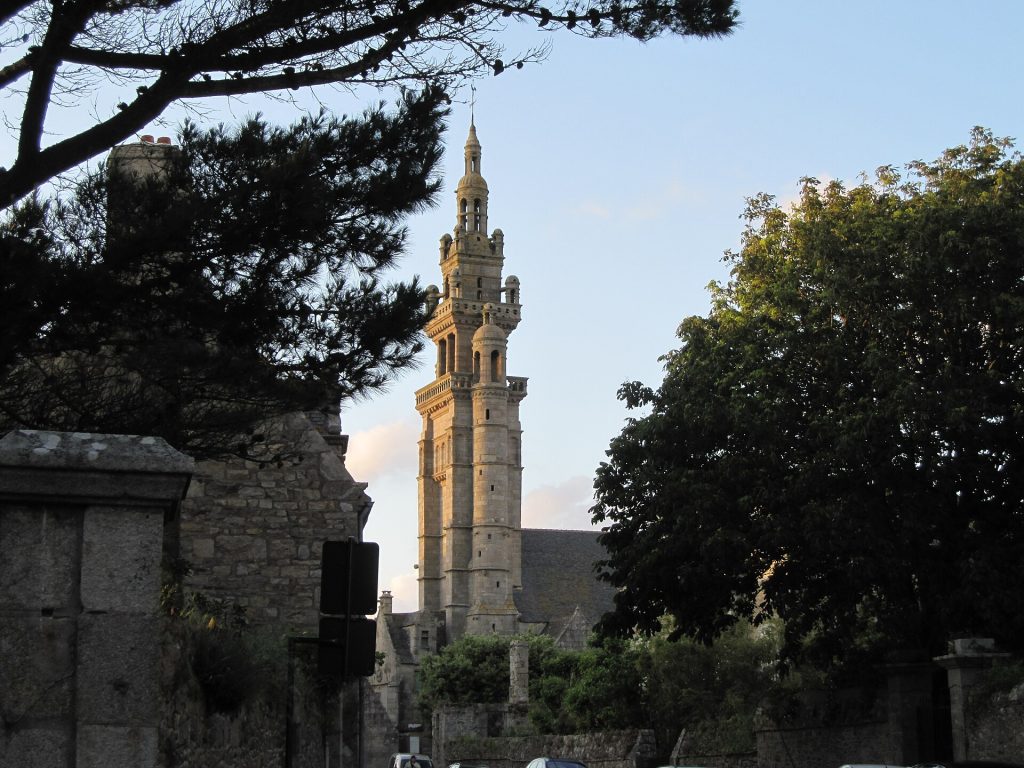
Many British and Irish travellers know Roscoff only as the ferry terminal at the tip of Finistère, with sailings to Plymouth and Cork, and drive straight out of it. The old town a short walk from the port deserves an afternoon. Granite shipowners’ houses line the streets near the old harbour, and the church of Notre-Dame de Croaz Batz, built in the first half of the 16th century, has an openwork Renaissance belfry from the 1570s carved with ships and cannon, a reminder of where Roscoff’s money came from.
The town’s other story is onions. From the 19th century, local farmers crossed the Channel to sell plaited strings of pink Roscoff onions door to door in Britain, and the “Onion Johnnies” became a familiar sight there; a small museum, the Maison des Johnnies, tells their history. For a half day out, passenger boats cross in about 15 minutes to the Île de Batz, a flat island of vegetable fields, sandy coves and a lighthouse.
2. Tarnów, Poland
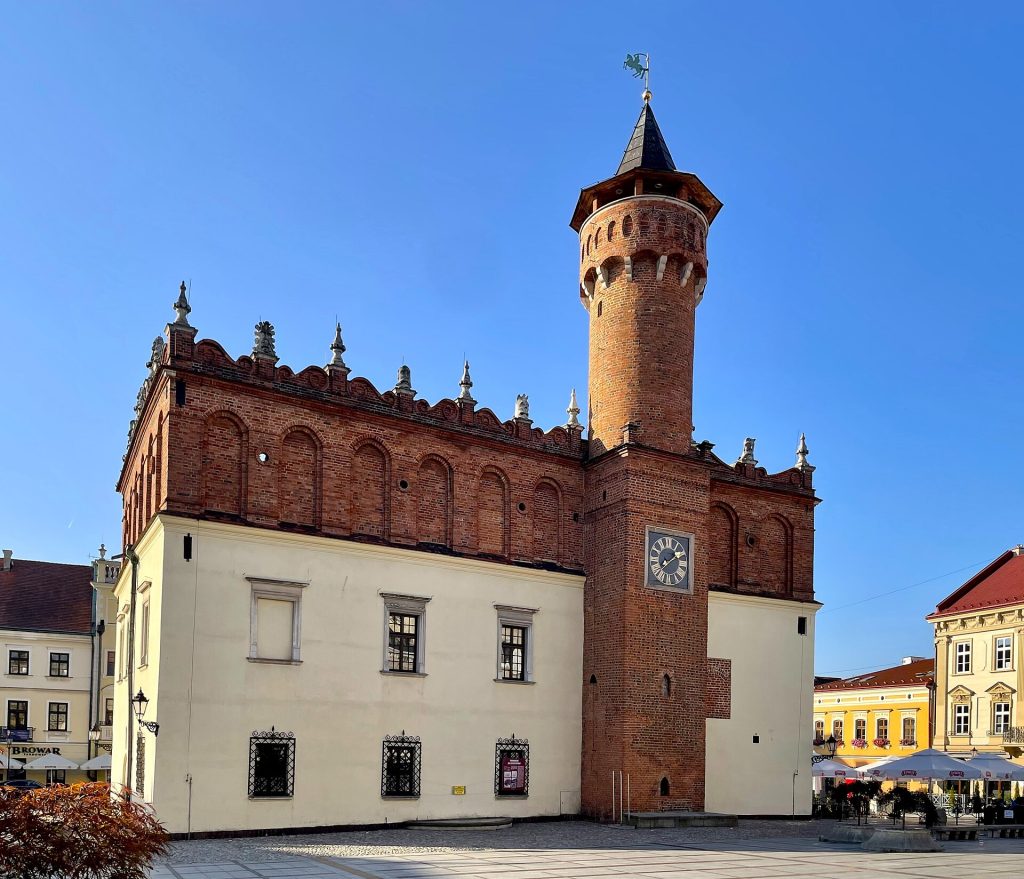
About an hour east of Kraków by train, Tarnów has the kind of compact old town Kraków had before it became one of Europe’s busiest city breaks. Arcaded merchant houses line the Rynek, and the town hall in the middle, remodelled in Renaissance style at the end of the 16th century, is now a museum. The Gothic cathedral nearby holds large Renaissance tombs of the Tarnowski family, who owned the town.
Before the Second World War, a large share of Tarnów’s population was Jewish. The most striking survivor of that community is the brick bimah of the Old Synagogue, standing alone under a canopy after the building around it was destroyed. The first mass transport of prisoners to Auschwitz, of Polish political prisoners, left Tarnów on 14 June 1940, and a memorial marks the spot. The ethnographic museum has a rare permanent exhibition on the history of the Roma. Stay the night: the square is pleasant in the evening and rooms cost less than in Kraków.
3. Pučišća, Brač, Croatia
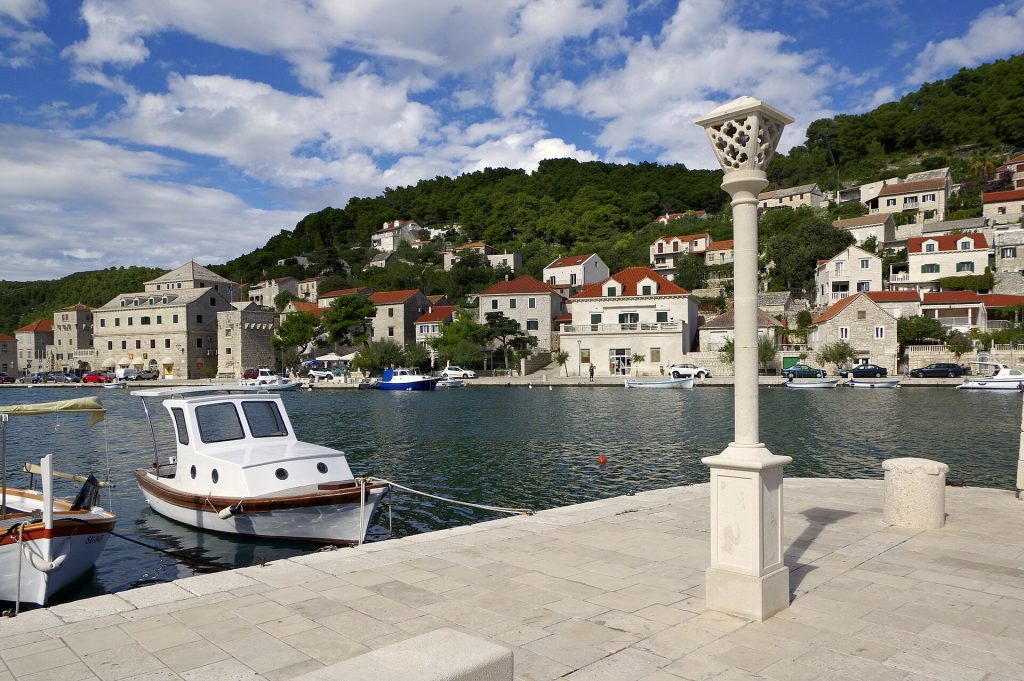
Most visitors to Brač head south to the beach at Bol. Pučišća, on the north coast, sits at the end of a long, narrow inlet and is built almost entirely of the island’s pale limestone, from the fortified towers around the harbour to the quayside paving. Quarries still work the hills behind it, and Brač stone has been used since Roman times, including in Diocletian’s Palace in Split.
The Stonemasonry School, founded in 1909, is one of very few in Europe still teaching traditional hand carving, and students’ work is displayed around its courtyard; ask at the tourist office whether visits are possible. Ferries from Split reach Supetar in about 50 minutes, and Pučišća is under half an hour’s drive east. Swim off the rocks at the mouth of the inlet.
4. Arosa, Switzerland
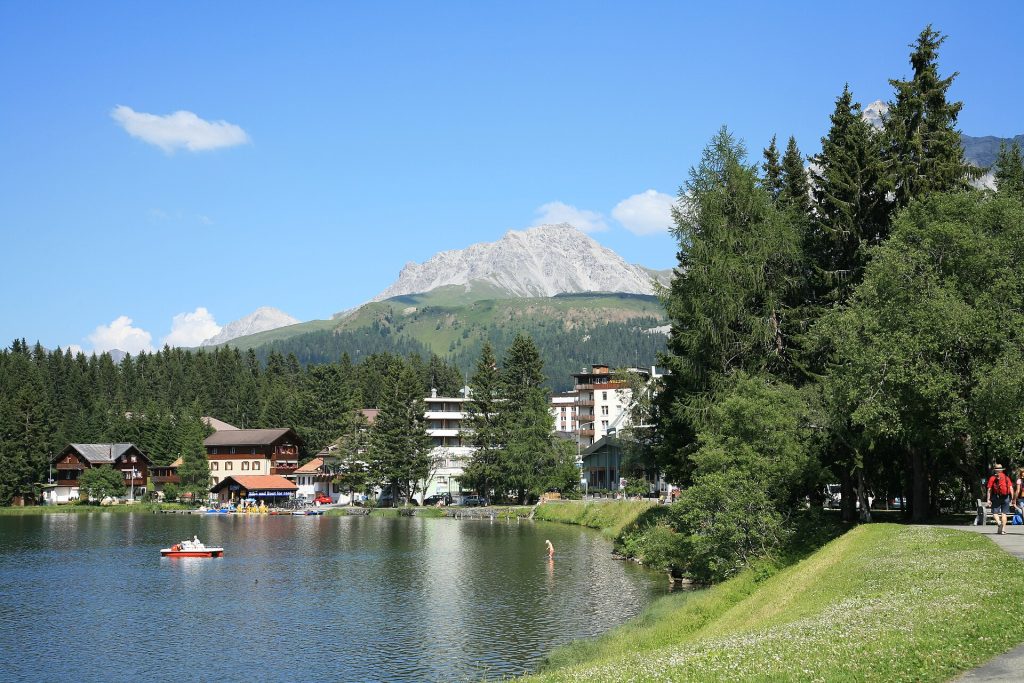
Arosa sits at the head of the Schanfigg valley in Graubünden, at about 1,775 m, and the approach is half the fun. The narrow-gauge railway from Chur climbs around 1,000 m in 26 km and crosses the Langwieser Viaduct, a reinforced concrete arch completed in 1914. Swiss visitors know Arosa well; international travellers mostly head for Zermatt or the Jungfrau region instead.
In summer, paths circle the Obersee and Untersee lakes in the village, and lifts lead towards the Weisshorn for higher trails. The Arosa Bärenland, a sanctuary for rescued brown bears run with the animal welfare charity Four Paws, opened in 2018 near the middle station of the Weisshorn cable car; it closes while the bears hibernate, roughly late autumn to spring. In winter, the ski area links with Lenzerheide by cable car.
5. Tübingen, Germany
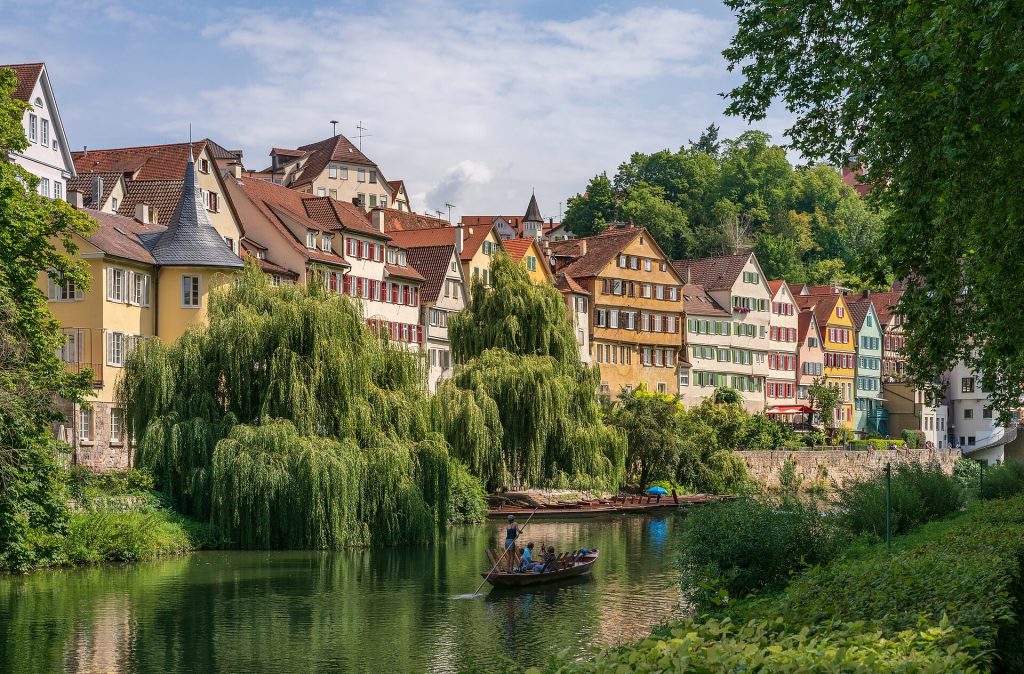
Tübingen is a university town on the Neckar, south of Stuttgart, with a half-timbered old town that came through the war largely intact. The university was founded in 1477, and students keep the bars and bookshops busy. The view everyone comes for is the Neckarfront: pastel houses above the river and the yellow Hölderlinturm, where the poet Friedrich Hölderlin lived from 1807 until his death in 1843.
From spring to early autumn, wooden punts called Stocherkähne glide along the river below, with public trips leaving from near the tower. Climb from the Marktplatz, with its painted town hall, to Hohentübingen Castle for views over the roofs, and walk the plane-tree avenue on the Neckarinsel in the evening. Regional trains from Stuttgart take about an hour.
6. Ystad, Sweden
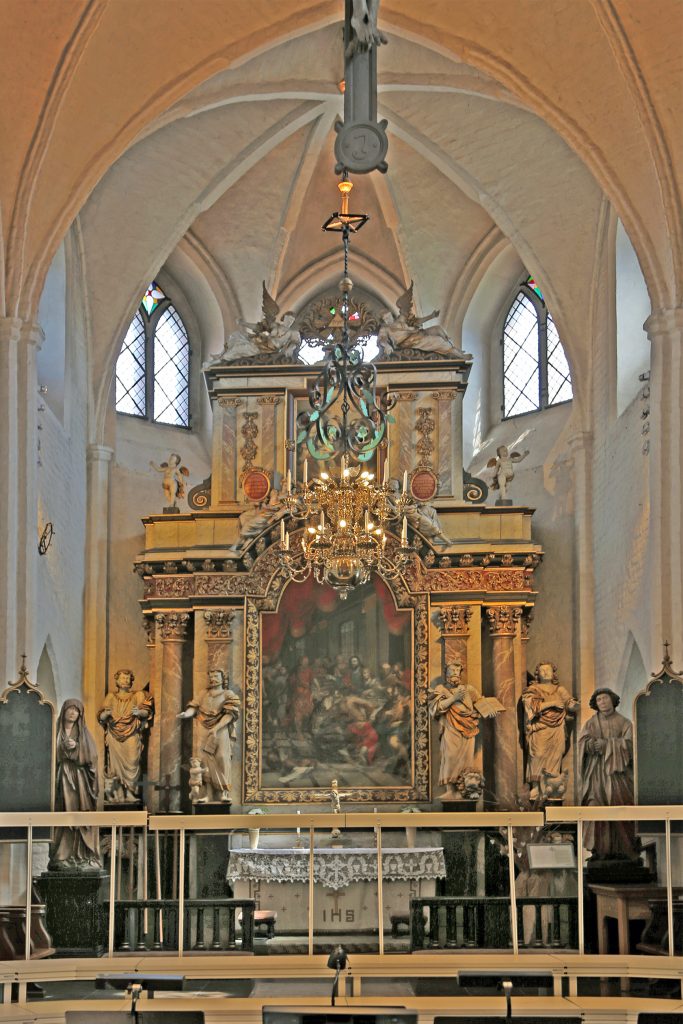
Ystad, on the south coast of Skåne, is best known abroad as the home of Henning Mankell’s detective Kurt Wallander. The real town is gentler than the fiction: cobbled lanes of half-timbered houses, a medieval Franciscan friary that is now a museum, and the brick church of Sankta Maria. There, a watchman blows a horn from the tower every quarter of an hour through the late evening, a tradition kept up for centuries.
The coast is the reason to stay longer. About 10 km east at Kåseberga, Ales Stenar is a ship-shaped setting of 59 large stones, around 67 m long, on a clifftop above the Baltic; its date and purpose are still debated, and local buses run from Ystad station. Trains from Malmö take under an hour, and fast ferries leave for Bornholm.
7. Nesebar, Bulgaria
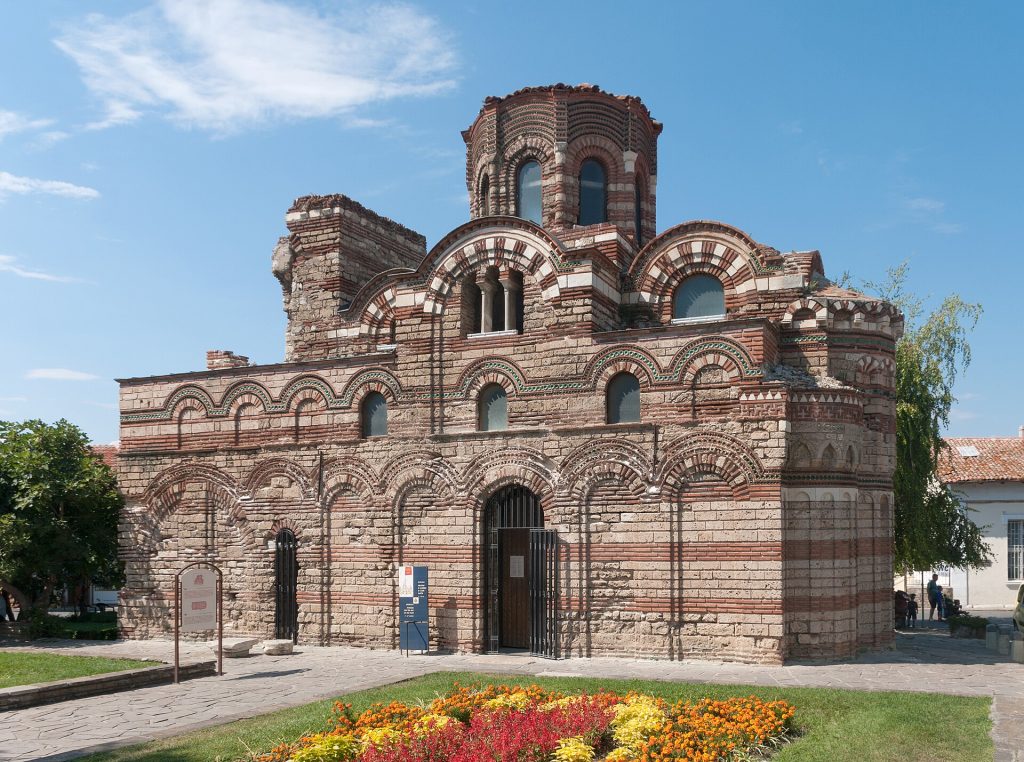
On Bulgaria’s Black Sea coast, old Nesebar fills a small rocky peninsula joined to the mainland by a narrow isthmus. Settled since antiquity, first by Thracians and then as the Greek colony of Messambria, it was listed by UNESCO in 1983 mainly for its medieval churches: around ten survive in some form, built in banded brick and stone with green ceramic decoration. Christ Pantocrator and St John Aliturgetos, the latter a ruin above the sea, are two of the finest.
The catch is location. Sunny Beach, one of Bulgaria’s biggest package resorts, is a few kilometres north, and day visitors crowd the lanes in July and August. Come in May, June or September, or stay on the peninsula and walk it early and after dark. Burgas, with its airport, is about 30 km south.
8. Valença, Portugal
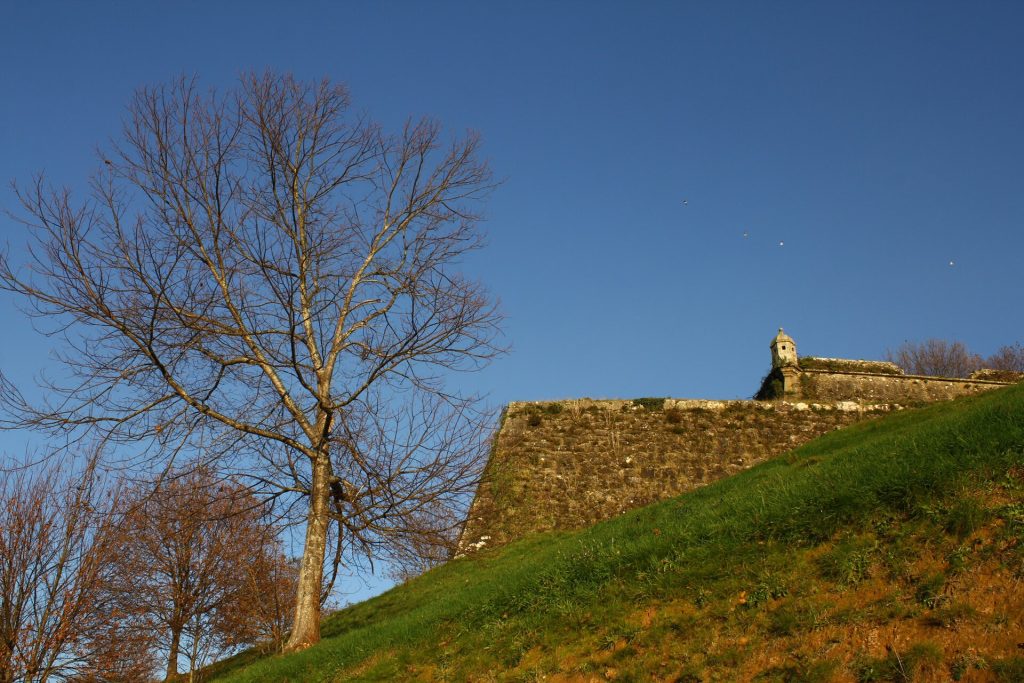
Valença sits on the south bank of the river Minho, facing the Spanish town of Tui. Its old town is enclosed by two linked star-shaped enclosures with a lower outer wall and moat, built mostly in the 17th and 18th centuries on medieval foundations. People still live inside, among churches, cafés and rows of shops selling household textiles that draw Spanish shoppers at weekends.
Walk the ramparts for views of Tui cathedral on its hill opposite, then cross the iron road and rail bridge of 1886 on foot into Spain. Valença is on the Portuguese Way of the Camino de Santiago, and Tui is a popular start for the last stretch to Santiago. Trains from Porto take around two to three hours; check current connections.
14 more unexpected places, in brief
These towns were on our original list. Most have full sections in other guides on the site, so here they get one line each.
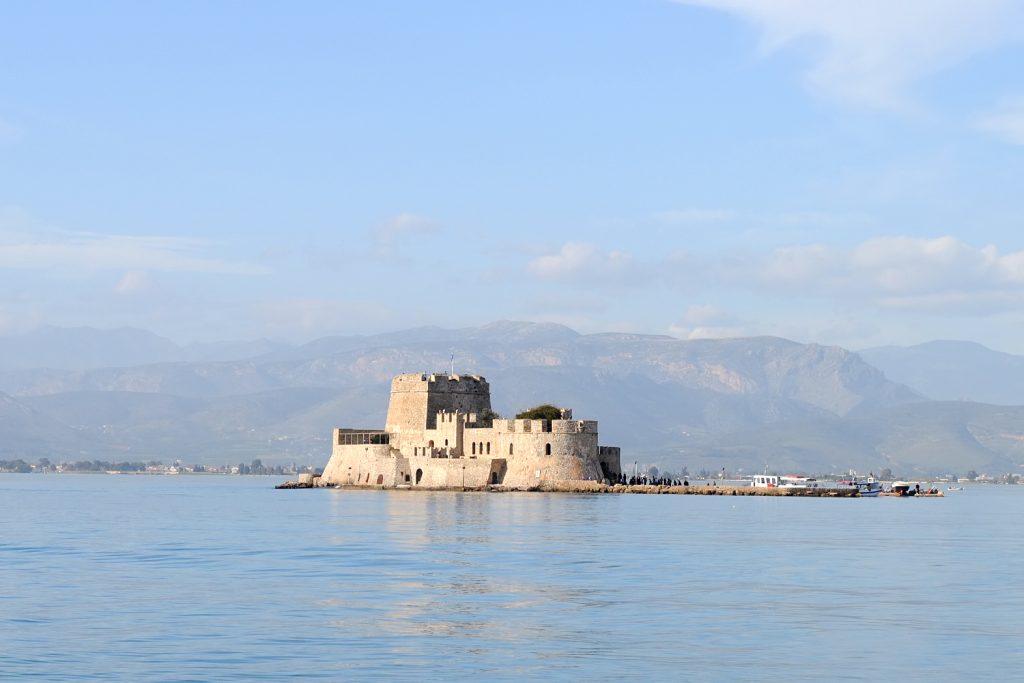
- Nafplio, Greece: the first capital of modern Greece, with Venetian fortresses above the harbour.
- Giethoorn, Netherlands: canals and thatched farmhouses where boats replace cars; go early or out of season.
- Korčula, Croatia: a walled town on a peninsula, its streets laid out in a herringbone plan.
- Bremen, Germany: a Hanseatic city with a UNESCO-listed town hall and Roland statue.
- Toledo, Spain: the hilltop city above the Tagus, a day trip from Madrid that is better with a night.
- Cassis, France: a small port east of Marseille and the gateway to the Calanques.
- Guimarães, Portugal: the town linked with the birth of Portugal, with a castle and medieval centre.
- Anghiari, Italy: a walled hill village in eastern Tuscany above the plain of the 1440 battle.
- Český Krumlov, Czech Republic: a castle town in a loop of the Vltava; stay overnight to miss the day coaches.
- Marsaxlokk, Malta: the island’s main fishing village, full of painted luzzu boats.
- Bibury, England: the Cotswold village of Arlington Row, best early in the morning.
- Albarracín, Spain: a rust-pink village on a rock in Teruel province, easiest by car.
- Mostar, Bosnia and Herzegovina: the rebuilt Old Bridge over the Neretva and an Ottoman old town.
- Reine, Norway: red fishing cabins under steep peaks in the Lofoten islands.
Göreme is in Asian Turkey, so it is left out; Ghent and Manarola, two of the busiest places in their countries, have their own guides.
Planning a trip to Europe’s lesser-known towns
Pair each town with a nearby hub: Roscoff with a ferry crossing or a Brittany road trip, Tarnów with Kraków, Pučišća with Split, Arosa with Chur, Tübingen with Stuttgart, Ystad with Malmö, Nesebar with Burgas and Valença with Porto.
- Stay the night. Day visitors leave by late afternoon, and evenings are when small towns feel most like themselves.
- Check seasonal services. Island boats, punt trips, the Bärenland and rural buses run reduced schedules or close out of season.
- Book small hotels ahead. Towns with few rooms fill quickly around festivals and holiday weekends.
Plan your trip
- Brittany: tickets and tours on Tiqets · activities on Klook
- Poland: tickets and tours on Tiqets · activities on Klook
- Croatia: tickets and tours on Tiqets · activities on Klook
- Arriving by plane: pre-book an airport transfer with Welcome Pickups
- Road trip: compare car hire on Localrent
- Mobile data: get a travel eSIM from Airalo
Some of these are affiliate links: if you book through them we may earn a small commission, at no extra cost to you.
Planning a bigger trip? See our guide to the 25 best places to visit in Europe, from city breaks to fjords.
Keep exploring
- The Europe Instagram Misses: 7 Towns and Regions to Stay a While
- Real Fairy-Tale Places in Europe: Grimm Towns, Castles and Legends
- Border Towns in Europe: 9 Twin Towns and Enclaves Where Cultures Meet
Frequently asked questions
What are some underrated towns in Europe?
Tarnów in Poland, Tübingen in Germany, Ystad in Sweden and Valença in Portugal are good examples: each has a well-preserved historic centre and good transport links but far fewer visitors than the cities nearby.
When is the best time to visit Europe’s smaller towns?
May, June and September usually give the best balance of open attractions, good weather and smaller crowds. Coastal places such as Nesebar and Pučišća are much busier in July and August.
Can you visit these places without a car?
Mostly, yes. Roscoff, Tarnów, Arosa, Tübingen, Ystad and Valença are on rail lines or ferry routes, and Nesebar has frequent buses from Burgas. A car helps on Brač and along the coast around Ystad.
Photos: Niejni, CC BY-SA 3.0, via Wikimedia Commons; Kacper Szymański, CC BY-SA 4.0, via Wikimedia Commons; Berthold Werner, CC BY-SA 4.0, via Wikimedia Commons; W. Bulach, CC BY-SA 4.0, via Wikimedia Commons; Roman Eisele, CC BY-SA 4.0, via Wikimedia Commons; Chrumps, CC BY-SA 4.0, via Wikimedia Commons; Contando Estrelas from Vigo, España / Spain, CC BY-SA 2.0, via Wikimedia Commons; Ava Babili, CC BY-SA 4.0, via Wikimedia Commons.