Updated · Facts and prices checked against official sources
Europe is crowded, farmed and built on, but it still has wild places, some of them larger and emptier than most visitors imagine. In the right national park you can track bison through an ancient forest, watch pelicans over a river delta or walk for days without seeing a road.
These are ten of the wildest places in Europe, chosen for their wildlife and their sense of space as much as their scenery. For each one you’ll find what lives there, how to explore it and the season to go.
Wild Europe at a glance
- Best for big animals: Białowieża (bison), Abruzzo (bears), Doñana (lynx) and the Cairngorms (reindeer).
- Best for birds: the Danube Delta and Doñana.
- True wilderness: Sarek in Swedish Lapland, with no marked trails or huts.
- Easiest for beginners: Triglav and the Hohe Tauern, with good paths and mountain huts.
1. Białowieża Forest (Poland)
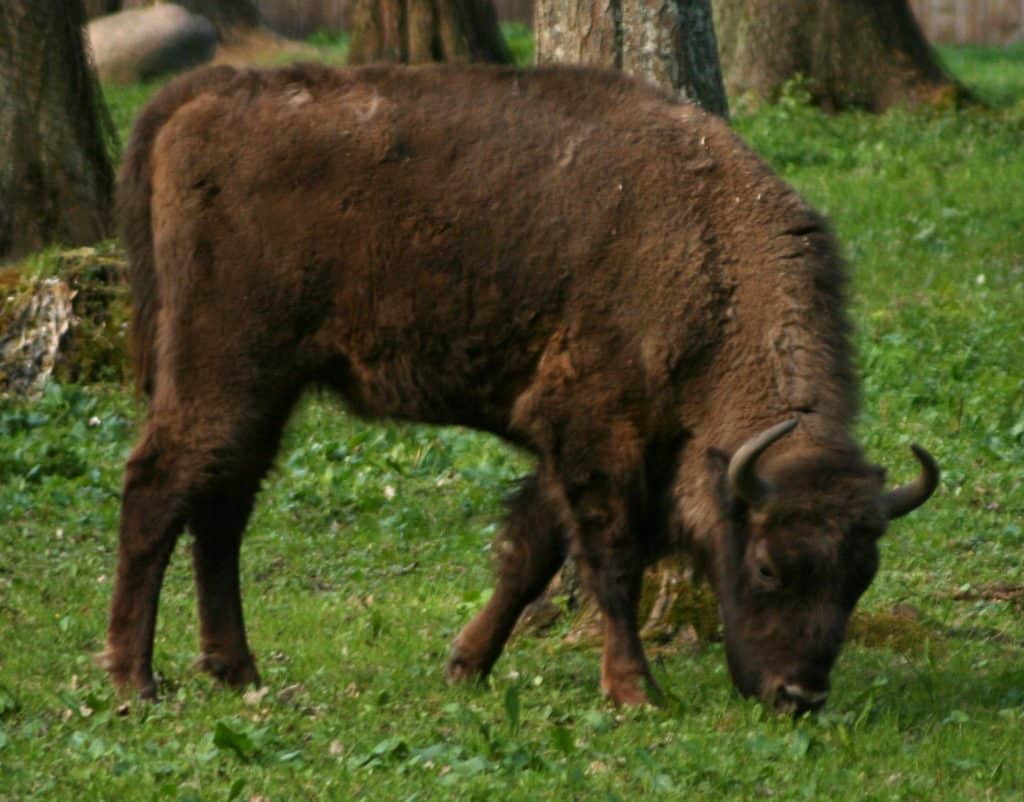
One of the last remnants of the primeval lowland forest that once covered much of Europe straddles the border between Poland and Belarus. It’s home to the largest population of free-living European bison, a species that died out in the wild in the 1920s and was reintroduced here from zoo animals in 1952. Oaks and limes several hundred years old stand among fallen trunks left to rot, as they would in a forest untouched by people.
How to visit: base yourself in the village of Białowieża on the Polish side. The strict reserve can only be entered with a licensed guide, and the bison are easiest to spot in winter, when they gather in meadows.
2. Abruzzo, Lazio and Molise National Park (Italy)
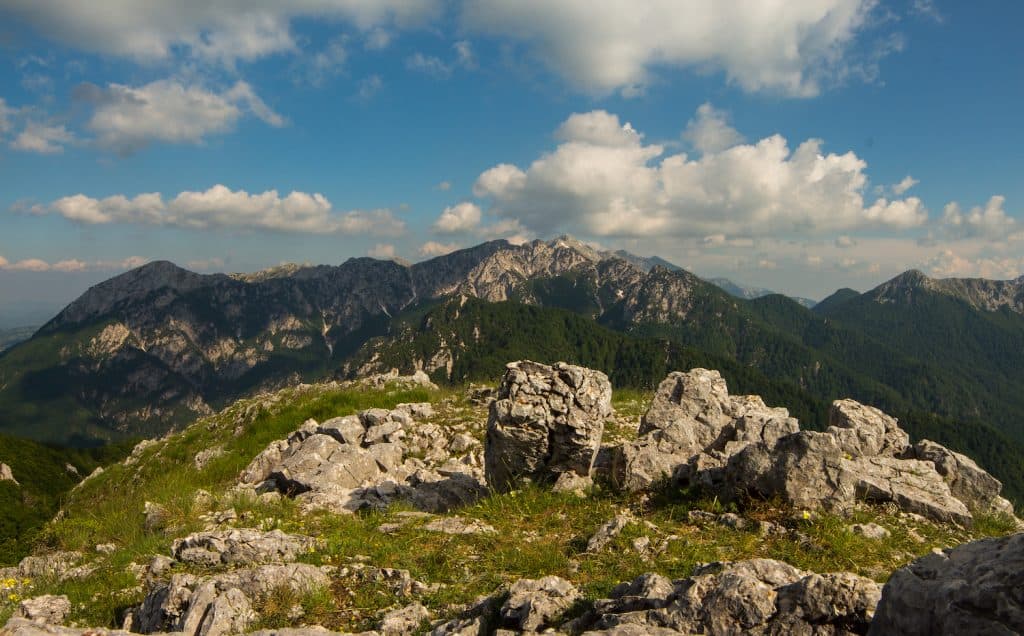
About two and a half hours east of Rome, this old national park in the central Apennines protects the last few dozen Marsican brown bears, a subspecies found nowhere else, along with wolves and Apennine chamois. Its beech forests are part of a UNESCO World Heritage listing of ancient European beech forests. Pescasseroli and Civitella Alfedena are the main bases.
How to visit: some trails require a permit or a guide in summer to protect the wildlife. Go with a local guide in spring or autumn for the best chance of seeing bears, from a respectful distance.
3. Sarek National Park (Sweden)
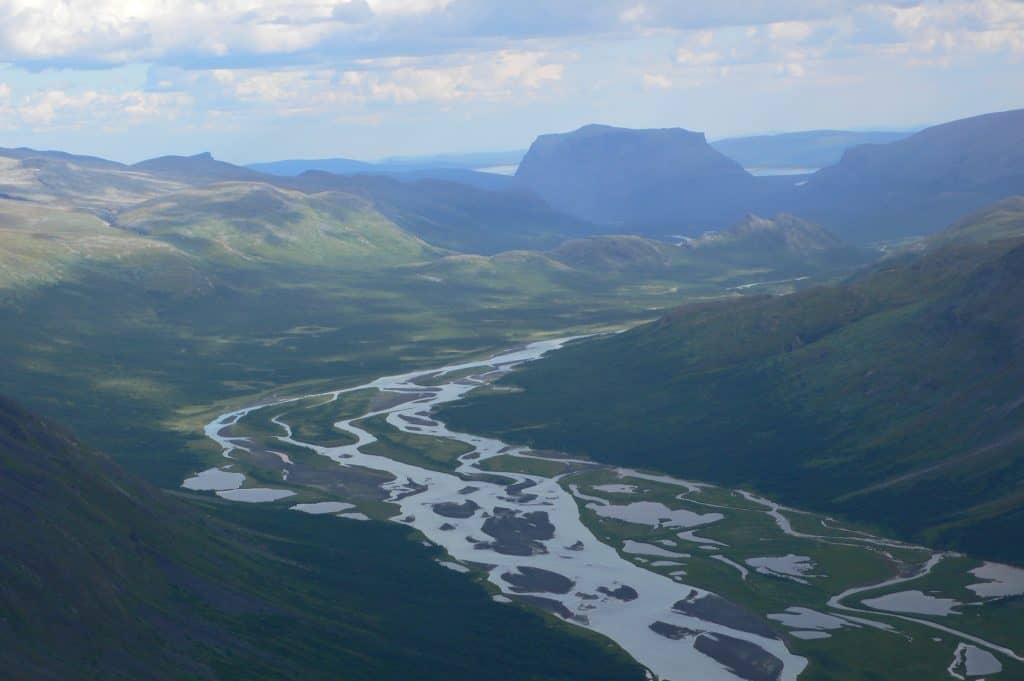
In Swedish Lapland, Sarek is one of the last true wildernesses in Europe: around 2,000 square kilometres of glaciers, peaks and river deltas with no roads, marked trails or huts. It’s part of the Laponia World Heritage Site, listed for both its nature and the Sámi reindeer-herding culture that still uses the land.
How to visit: only experienced hikers should go in, with a tent, map and compass. Others can see a corner of it from the Kungsleden trail or from the Skierfe viewpoint above the Rapa valley.
4. Durmitor National Park (Montenegro)
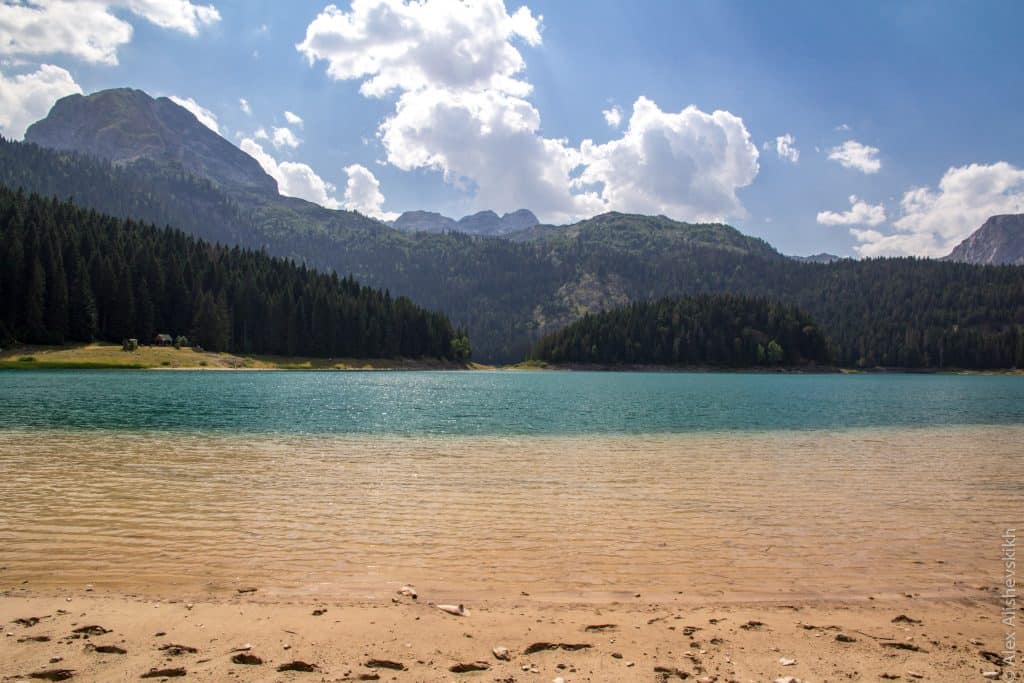
A high limestone massif in northern Montenegro, Durmitor has 18 glacial lakes, peaks above 2,500 metres and the Tara River Canyon, which at about 1,300 metres deep is often described as the deepest canyon in Europe. The Black Lake near Žabljak is the easy walk; rafting on the Tara is the adventure.
How to visit: stay in Žabljak, one of the highest towns in the Balkans. Summer is best for hiking and rafting; the area is a ski resort in winter.
5. Cairngorms National Park (Scotland, UK)
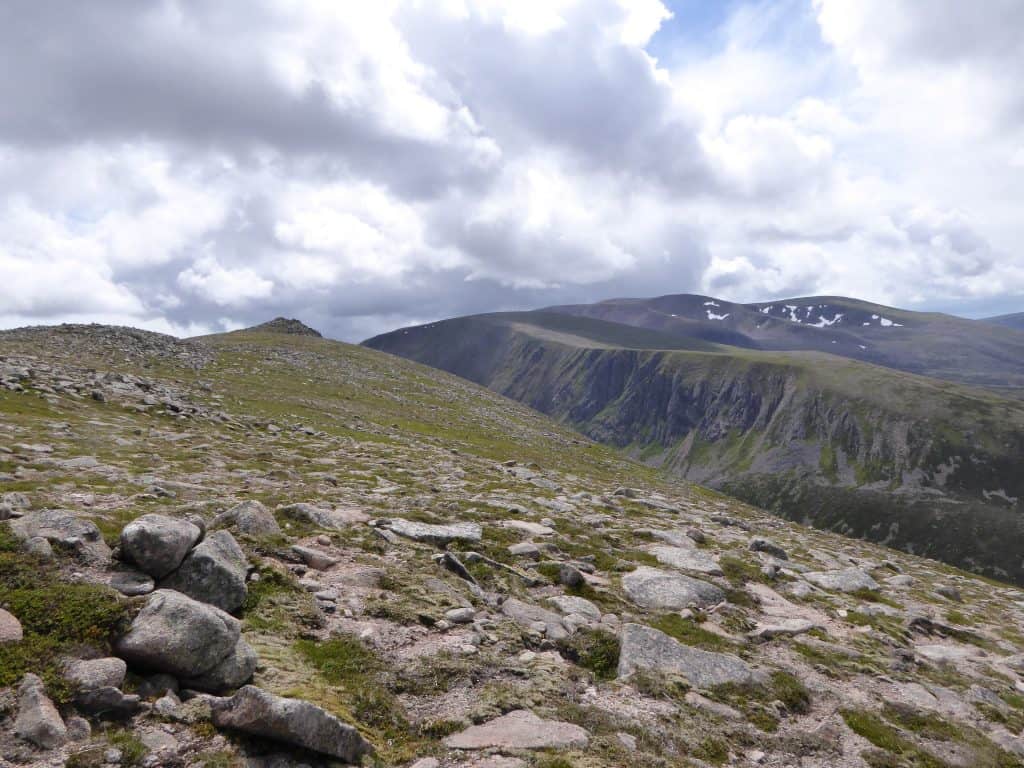
The largest national park in the UK covers a high, subarctic plateau with remnants of the old Caledonian pine forest around it. It’s home to red squirrels, ospreys, capercaillies and the UK’s only free-ranging herd of reindeer, reintroduced in 1952. Aviemore is the main base.
How to visit: walk among the Scots pines at Loch an Eilein or Rothiemurchus, join a visit to the reindeer herd, or hike up to the plateau in summer with proper gear: the weather on top can turn very quickly.
6. Doñana National Park (Spain)
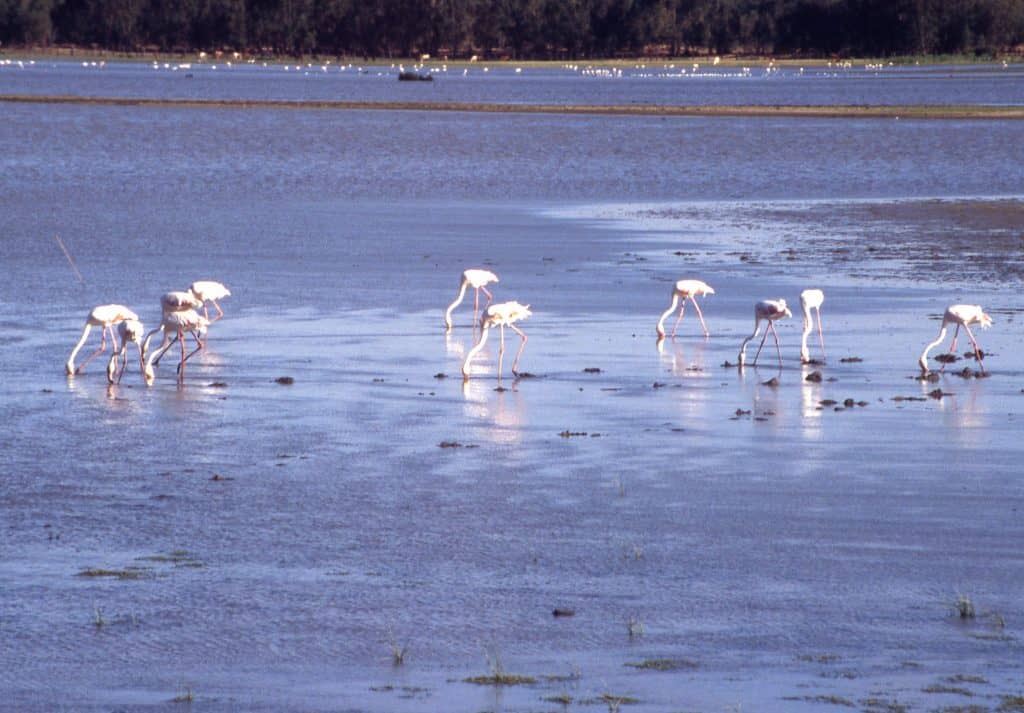
Where the Guadalquivir meets the Atlantic in Andalusia, Doñana is a huge mosaic of marshes, dunes and pine forest. It’s a stopover for hundreds of thousands of migrating birds and one of the last strongholds of the Iberian lynx. The park has been under pressure for years from water extraction for farming, and its future is a regular subject of debate in Spain.
How to visit: most of the core area can only be entered on official 4×4 tours from El Acebuche or El Rocío. Spring and autumn are best for birds.
7. Triglav National Park (Slovenia)
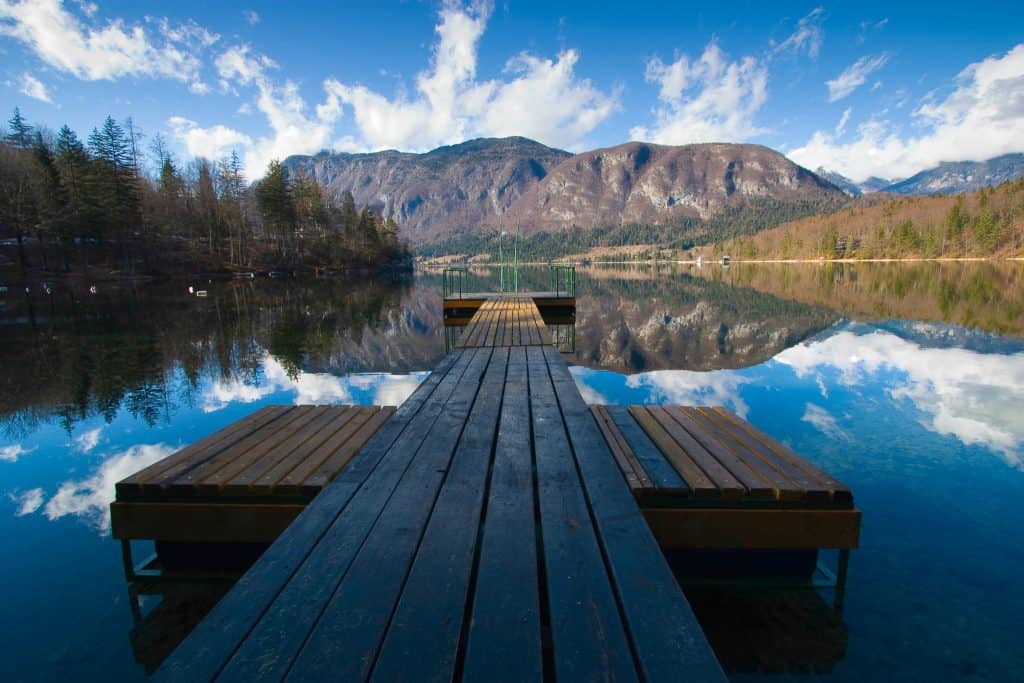
Slovenia’s only national park covers most of the Julian Alps, around Mount Triglav (2,864 metres), the national symbol, which appears on the flag. Lake Bohinj, the Seven Lakes Valley and the emerald Soča river are the highlights, and the paths and mountain huts are good, so this is an easy introduction to the Alps.
How to visit: stay at Lake Bohinj rather than busier Bled, and drive or bus over the Vršič Pass into the Soča valley in summer.
8. Danube Delta (Romania)
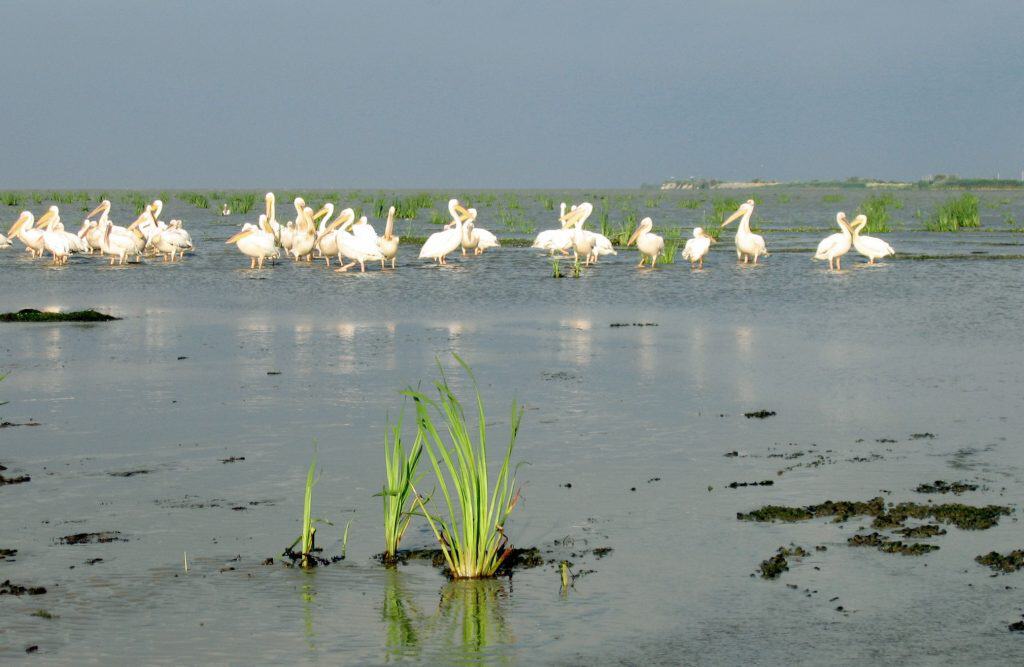
At the end of its long journey across Europe, the Danube splits into three main channels and a maze of canals, lakes and reed beds before reaching the Black Sea. The delta is the second-largest in Europe after the Volga’s and one of the most important wetlands on the continent for birds, including the largest colonies of white pelicans in Europe. It has been on the UNESCO list since 1991.
How to visit: Tulcea is the gateway. Spend at least two nights in a village guesthouse in the delta itself, such as in Sfântu Gheorghe or Mila 23, and go out by small boat at dawn. May and June are best for birds.
9. Hohe Tauern National Park (Austria)
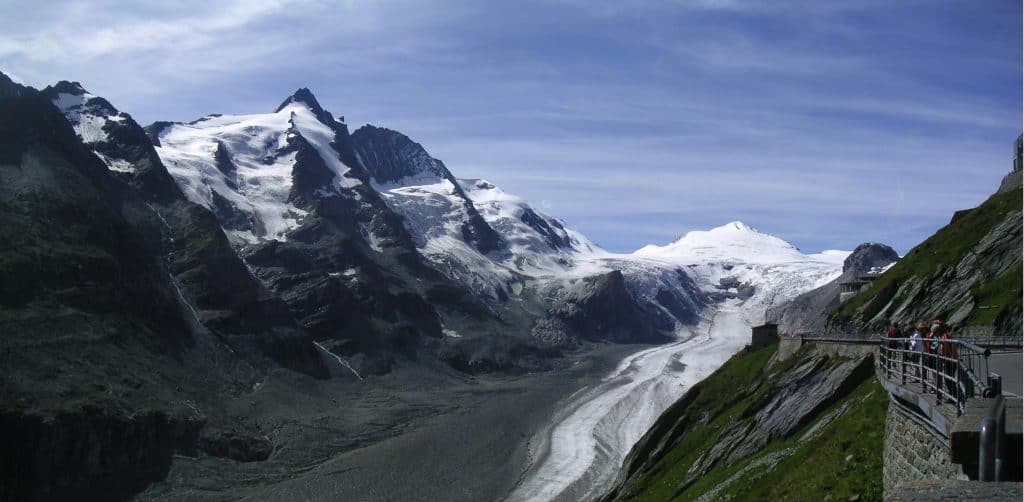
The largest national park in the Alps surrounds the Grossglockner, Austria’s highest mountain at 3,798 metres, and the Pasterze, its largest glacier, which is shrinking fast. The park is home to ibex, marmots, golden eagles and bearded vultures, which were successfully reintroduced here. The Krimml Waterfalls, which drop 380 metres in three stages, are on its western edge.
How to visit: the Grossglockner High Alpine Road (a toll road, open roughly May to October) is the classic drive; the Krimml Waterfalls make an easy walk.
10. Retezat National Park (Romania)
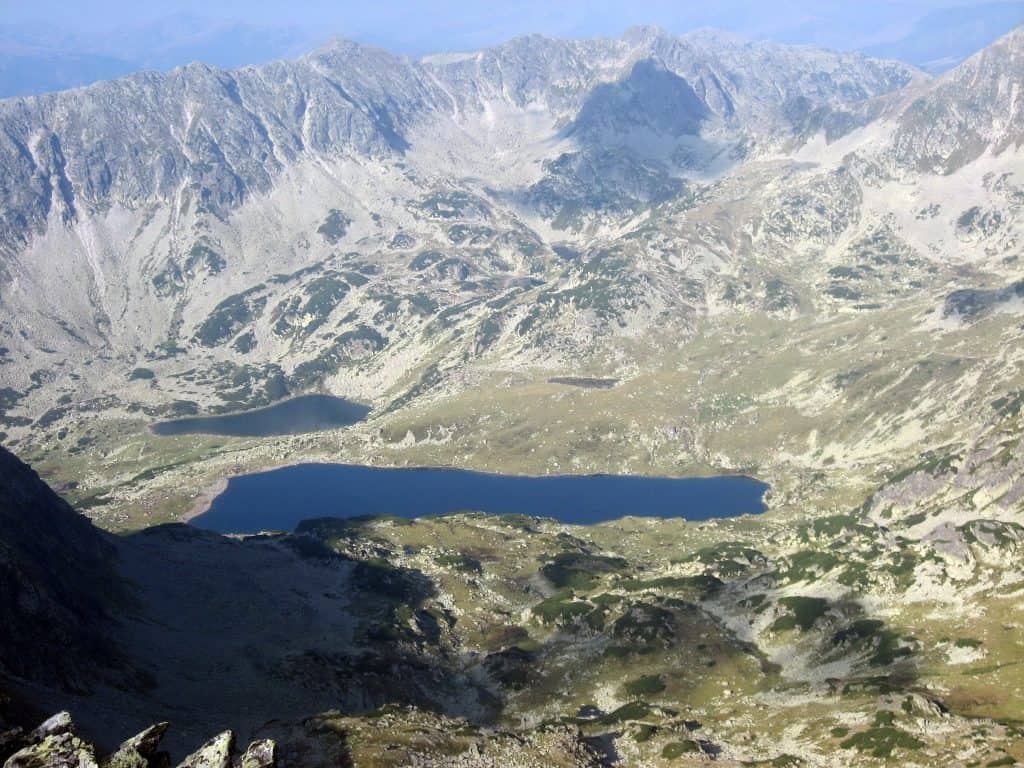
Romania’s oldest national park, established in 1935, sits in the Southern Carpathians and is famous for more than 50 glacial lakes. Bucura is the largest. The Carpathians have some of the largest populations of brown bears, wolves and lynx in Europe, and Retezat is a good place to understand why: forests run for miles with very few roads.
How to visit: it’s a hiking destination with basic huts and campsites. July to September is the season. Follow local advice about bears, store food properly and don’t hike at dusk alone.
How to visit wild places responsibly
- Go with local guides to see wildlife: they know where to look and how not to disturb animals.
- Keep your distance: never feed or approach wild animals, especially bears and bison.
- Follow park rules: permits, closures and restricted zones are there to protect breeding animals and fragile habitats.
- Leave no trace: take all your rubbish home and stay on paths where they exist.
Plan your trip
- Poland: tickets and tours on Tiqets · activities on Klook
- Italy: tickets and tours on Tiqets · activities on Klook
- Sweden: tickets and tours on Tiqets · activities on Klook
- Arriving by plane: pre-book an airport transfer with Welcome Pickups
- Road trip: compare car hire on Localrent
- Mobile data: get a travel eSIM from Airalo
Some of these are affiliate links: if you book through them we may earn a small commission, at no extra cost to you.
Planning a bigger trip? See our guide to the 25 best places to visit in Europe, from city breaks to fjords.
Keep exploring
- 12 Natural Wonders of Europe Worth the Trip, from Plitvice to the Giant’s Causeway.
- 10 European landscapes worth a whole trip, from Lofoten to Val d’Orcia.
- Hot Springs in Europe: 12 of the Best Thermal Baths and Natural Pools for a soak after the hiking.
- Glamping in Europe: 10 of the Best Places to Go, for nights in nature without the tent.
Frequently asked questions
Where is the wildest place in Europe?
Sarek National Park in Swedish Lapland is often called Europe’s last great wilderness, with no roads, trails or huts.
Where can you see bears in Europe?
Romania’s Carpathians, Slovenia, Finland, Slovakia and the Abruzzo region of Italy are among the best places, always with an experienced local guide.
Where can you see European bison in the wild?
Białowieża Forest in Poland has the largest free-roaming population. Smaller herds have been reintroduced in Romania, Slovakia and elsewhere.
Photos: Pleple2000, CC BY-SA 3.0, via Wikimedia Commons; Alex Amariei, CC BY-SA 4.0, via Wikimedia Commons; Daniel Schneller, CC BY-SA 2.5, via Wikimedia Commons; Alex Alishevskikh, CC BY-SA 2.0, via Wikimedia Commons; Alan O'Dowd, CC BY-SA 2.0, via Wikimedia Commons; Smiley.toerist, CC BY-SA 4.0, via Wikimedia Commons; Nir Dremer, CC BY 2.0, via Wikimedia Commons; Acaro, CC BY 2.5, via Wikimedia Commons; Kotu, CC BY-SA 3.0, via Wikimedia Commons; Dezidor, CC BY 3.0, via Wikimedia Commons.