Updated
Most visitors experience Prague as a sequence of sights: the castle, the bridge, the clock. The city’s culture runs deeper than its skyline, though. This is a place where a night at the opera can cost less than dinner, where puppet theatre is recognised by UNESCO, and where the local pub is closer to a living room than a bar. Spend an evening or two on these things and Prague starts to feel like a city people live in, not just a backdrop.
This guide is about Czech culture as you can experience it in Prague: classical music and opera, puppets and black light theatre, beer and pub etiquette, the food worth ordering, the grand cafés and the traditions that mark the year. For a sightseeing plan, see our two-day Prague itinerary and use this as the evening and in-between companion.
- Best for: music lovers, beer drinkers, food-focused travellers and anyone returning to Prague who wants more than the main sights.
- Concert season: the main opera and orchestra seasons run from autumn to early summer; the Prague Spring festival opens on 12 May each year.
- Booking: buy opera and concert tickets from the venues’ own box offices or websites rather than street sellers.
- Useful words: dobrý den (good day), děkuji (thank you), pivo (beer), na zdraví (cheers).
- Language: Czech; English is widely spoken in the centre, less so in neighbourhood pubs.
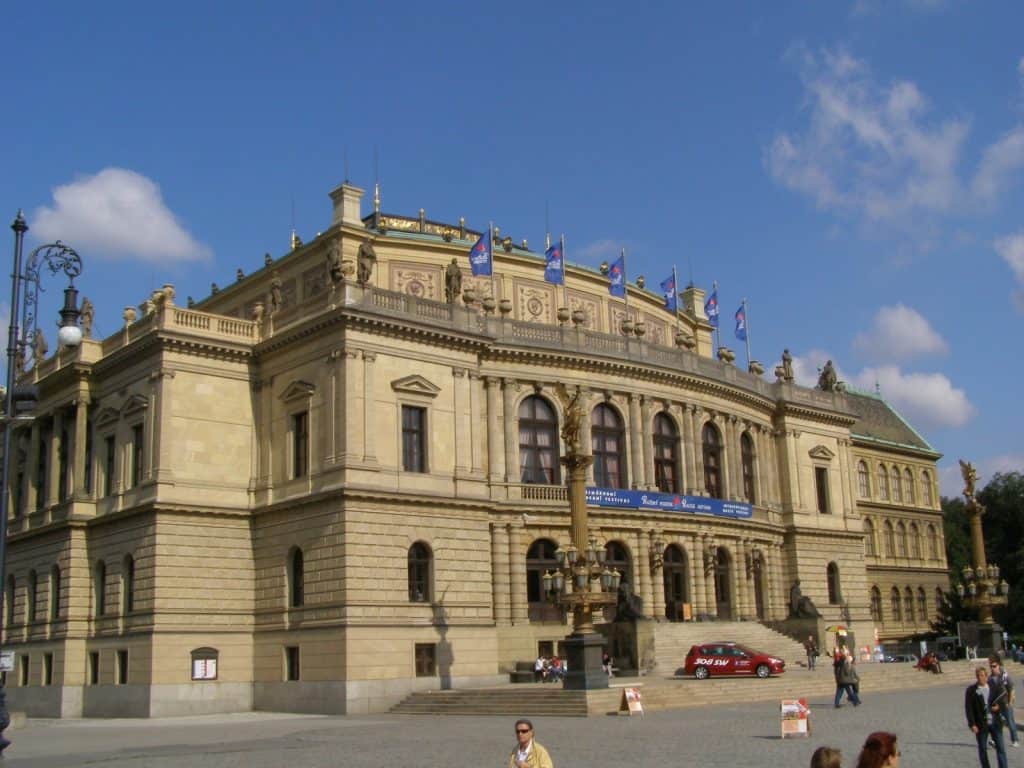
Classical music: Smetana, Dvořák and the Czech Philharmonic
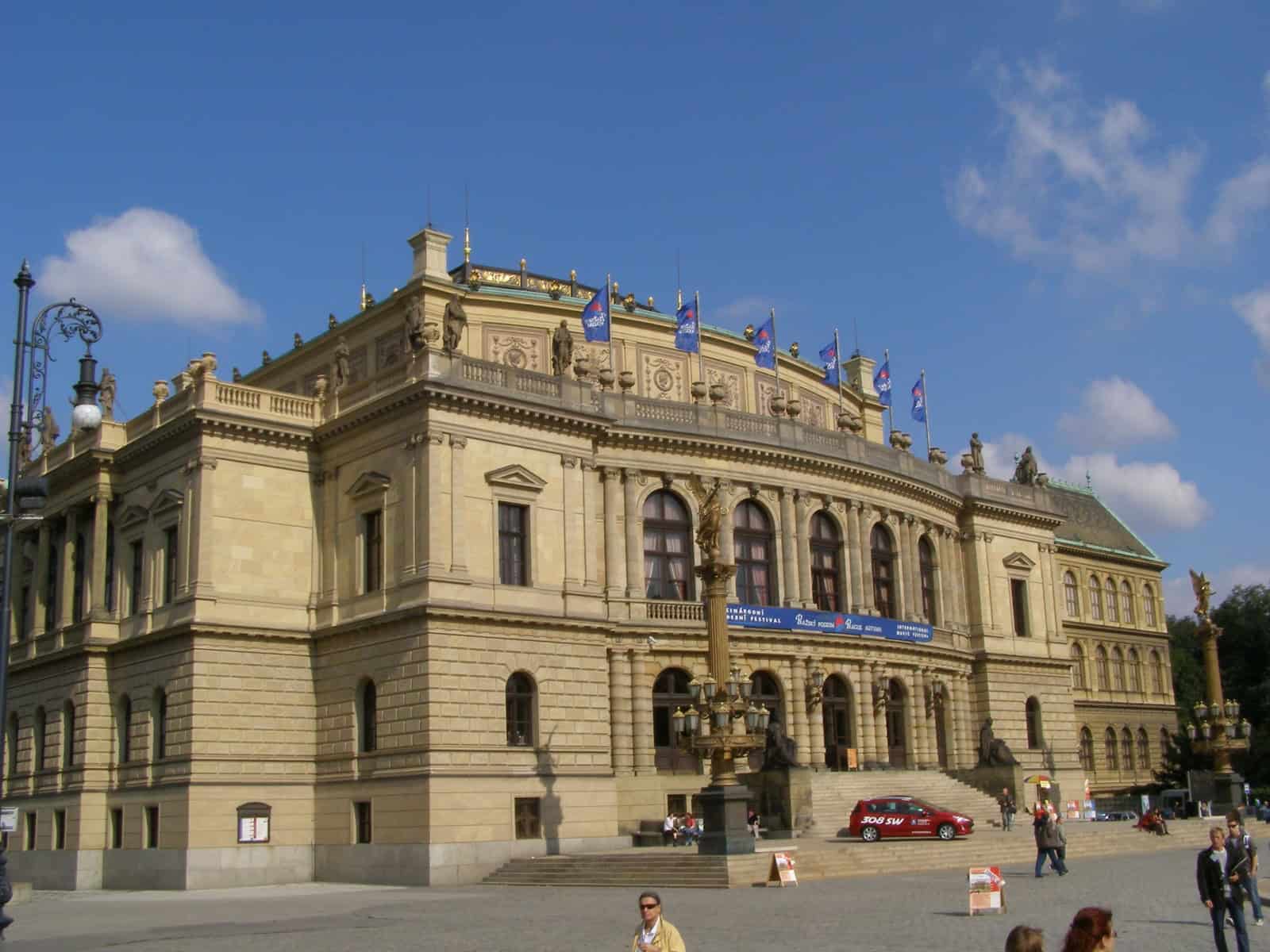
Music sits at the centre of Czech identity. Bedřich Smetana and Antonín Dvořák gave the country a national sound in the 19th century, and their work is still performed constantly. The best place to hear it is the Rudolfinum, a neo-Renaissance concert hall on the Vltava and home of the Czech Philharmonic. Its Dvořák Hall is acoustically superb, and tickets for orchestral concerts are often better value than in Vienna or London.
The other great hall is Smetana Hall in the Municipal House (Obecní dům), an Art Nouveau landmark beside the Powder Tower. Even if you do not attend a concert, the building’s café and guided tours give a look at its stained glass and murals. Each year the Prague Spring International Music Festival, founded in 1946, opens on 12 May, the anniversary of Smetana’s death, with a performance of his cycle Má vlast (My Country).
You will also be offered leaflets for concerts in churches around the Old Town. Some are lovely, some are tourist programmes of the same few pieces. Look for performances by named ensembles with a published programme, and favour venues such as the Rudolfinum or Municipal House if you have only one night.
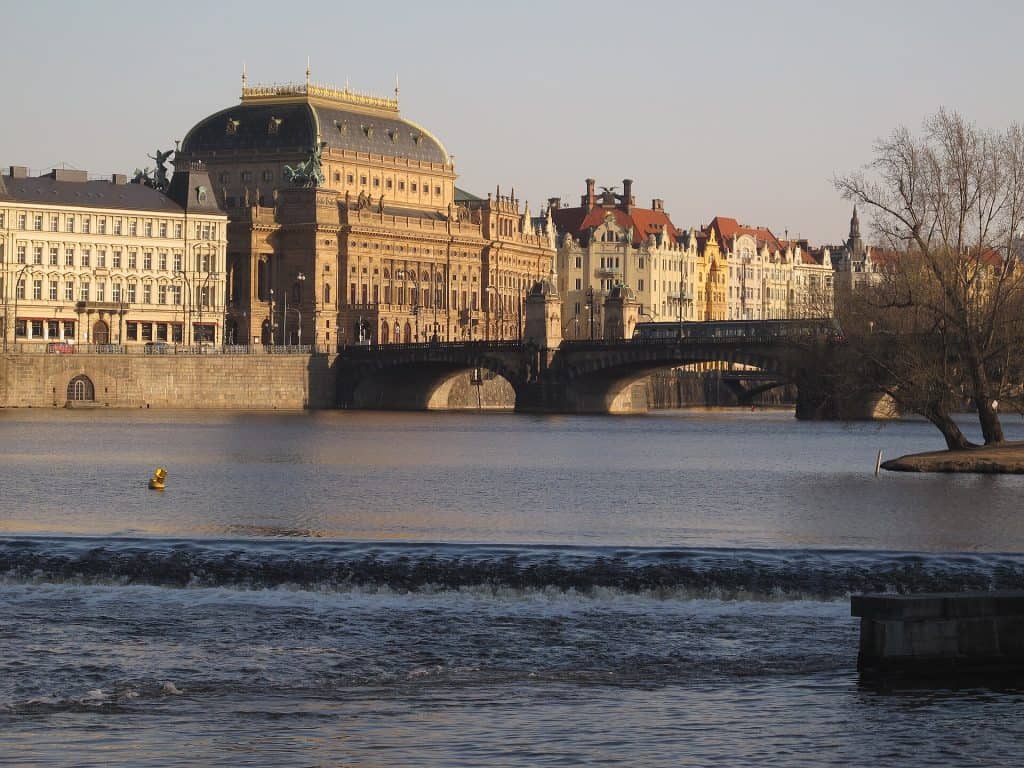
Opera and theatre: the National Theatre and the Estates Theatre
The National Theatre was built with money raised by public collection as a symbol of the Czech national revival. It first opened in June 1881, burned down two months later, and was rebuilt and reopened in 1883, again funded largely by donations. The words Národ sobě (The Nation to Itself) above the stage refer to that history. The company performs opera, ballet and drama here and in two other historic houses, and the gilded auditorium alone is worth the ticket.
The Estates Theatre in the Old Town opened in 1783 and is one of the few theatres where Mozart himself performed that still stands. He conducted the premiere of Don Giovanni here on 29 October 1787, and the opera is still in the repertoire. The State Opera, near the main railway station, completes the trio after a major restoration.
Opera and ballet are often sung in the original language with surtitles, and the National Theatre posts English information online. Dress is smart casual; nobody expects black tie, but shorts and trainers will look out of place.
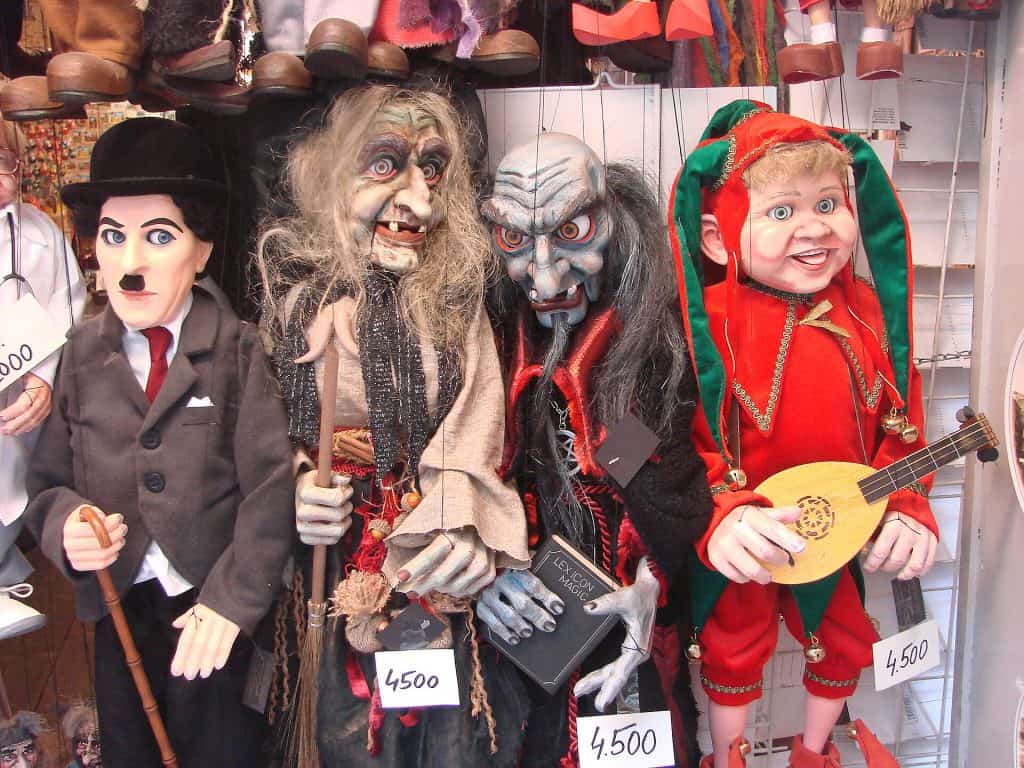
Puppets and black light theatre
Czech puppet theatre goes back centuries, to travelling puppeteer families who toured towns and villages. In 2016 puppetry in Slovakia and Czechia was added to UNESCO’s list of the Intangible Cultural Heritage of Humanity. In Prague, the long-running marionette version of Don Giovanni is the best-known show, and puppet theatres for children put on performances in Czech that work well even without the language.
Black light theatre is the other Prague speciality. Performers in black move objects and fluorescent costumes against a black stage under ultraviolet light, so props seem to float in the dark. The modern form was developed by Jiří Srnec, whose company first performed abroad in 1959, and today around ten companies stage shows in the city. Most are wordless, which makes them easy for visitors and children, though quality varies, so check recent reviews before buying.
For souvenirs, look for hand-carved wooden marionettes in specialist shops rather than mass-produced ones; the difference in finish is obvious once you compare them.
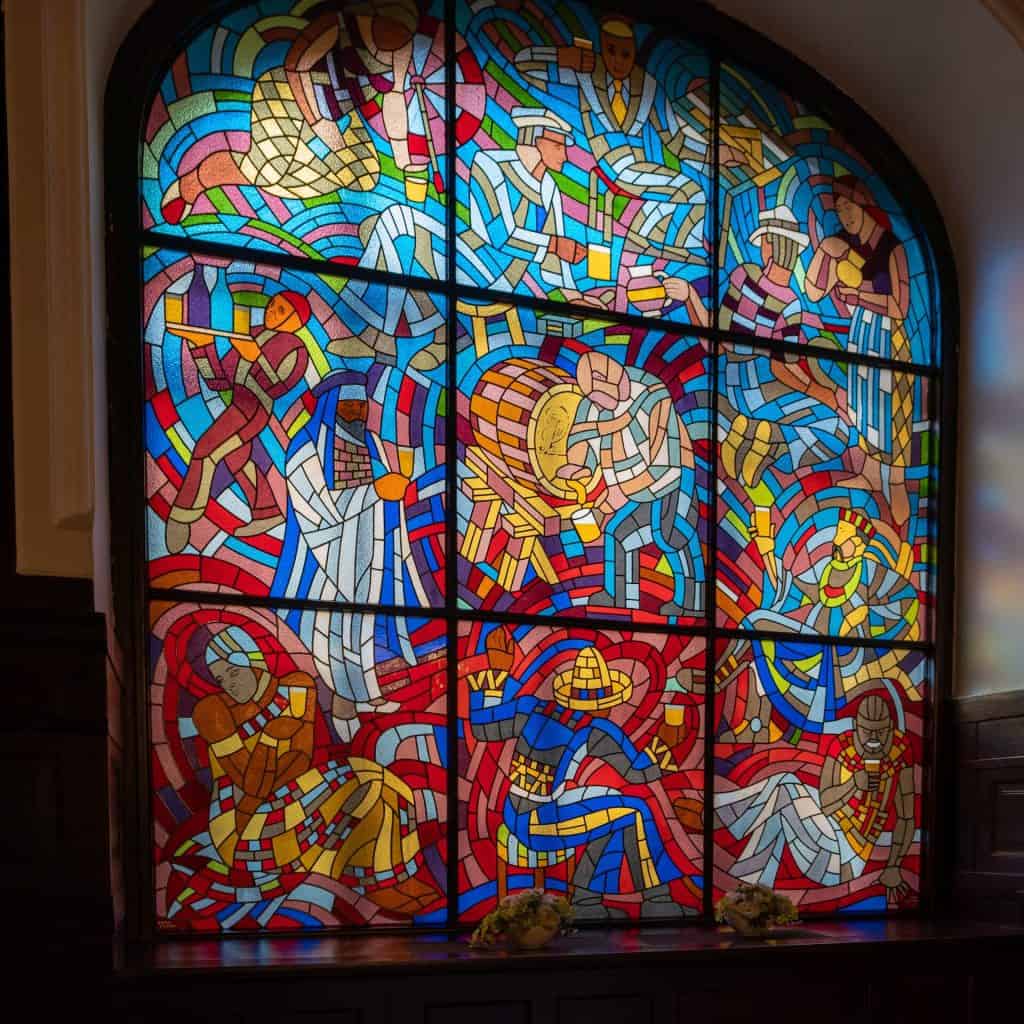
Beer culture and pub etiquette
Czechs are regularly reported to drink more beer per head than any other nation, and the pub (hospoda) is a central part of social life. The style that defines the country is pale lager: the first golden pilsner was brewed in Plzeň in 1842, and Czech pubs still take great care over how it is stored and poured.
What to order
Czech beer is labelled in degrees (°), which measure the original extract, not alcohol. A desítka (10°) is light at about 4 per cent alcohol, while a dvanáctka (12°) is fuller at about 5 per cent. Světlé means pale and tmavé means dark. Many pubs also serve tankové pivo, unpasteurised beer delivered to large tanks in the cellar.
The pour matters too. A hladinka is the standard pour with a firm head, a šnyt is a smaller measure with more foam, and a mlíko is a glass of almost pure foam, drunk quickly and surprisingly sweet.
How the pub works
- Sit down and wait; table service is normal, and sharing a long table with strangers is fine if you ask first.
- Put a beer mat in front of you. A fresh glass often arrives when the old one is nearly empty unless you put the mat on top.
- Your drinks are marked on a paper slip on the table; pay at the end, rounding up or adding around 10 per cent.
- Look the other person in the eye when you say na zdraví.
U Fleků in the New Town has been brewing since 1499 and serves its own dark 13° lager in beer halls with accordion music. It is touristy and pricier than most pubs, but historic. For an everyday experience, try a neighbourhood pub in Vinohrady, Žižkov or Karlín.
Czech food worth ordering
Czech cooking is hearty, built around meat, sauces and dumplings, and it is ideal with beer. The dishes to look for:
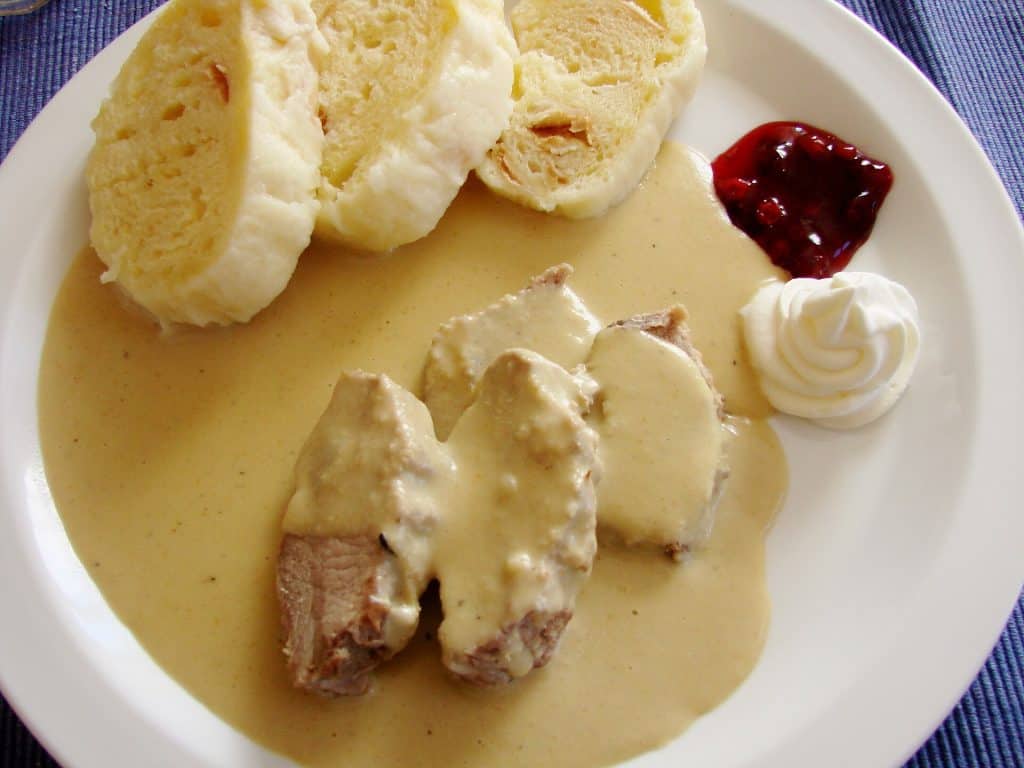
- Svíčková: marinated beef in a creamy root-vegetable sauce, served with bread dumplings, cranberries and a spoonful of whipped cream.
- Vepřo knedlo zelo: roast pork, dumplings and cabbage, often called the most typical Czech dish.
- Guláš: a thick stew of beef or pork with onions and paprika, unlike the soup-style Hungarian version.
- Smažený sýr: breaded fried cheese with tartare sauce, a pub and student favourite.
- Chlebíčky: open sandwiches decorated with ham, egg, salami and vegetables, sold in delis and bakeries.
- Pub snacks: nakládaný hermelín (soft cheese marinated in oil and peppers) and utopenci (pickled sausages).
- Koláče: round yeast pastries filled with fruit, poppy seed or sweet curd cheese.
The sugary chimney cakes (trdelník) sold all over the Old Town are a newer arrival in Prague than the signs suggest; enjoy one if you like, but they are not an old Prague tradition. On Saturday mornings, the farmers’ market on the Náplavka riverbank is a good place to try local cheeses, sausages and pastries.
Grand cafés and coffee culture
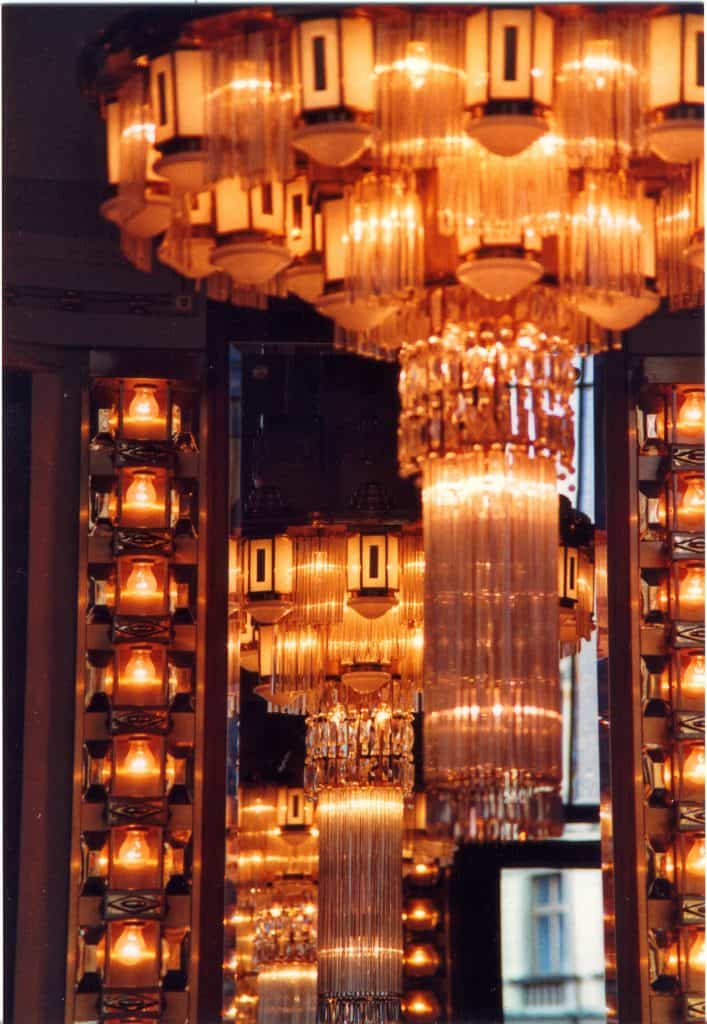
Prague’s grand cafés belong to the same Central European tradition as those of Vienna and Budapest: high ceilings, newspapers, waiters in waistcoats and no pressure to leave. Café Slavia, opposite the National Theatre, has long been a meeting place for writers, actors and dissidents, and its windows look across the river to the castle. Café Louvre on Národní třída, open since 1902, counts Franz Kafka and Albert Einstein among its past guests.
For architecture, the Grand Café Orient occupies the first floor of the House of the Black Madonna, one of the finest Cubist buildings in the city. The Kavárna Obecní dům in the Municipal House is pure Art Nouveau. Order coffee with a slice of větrník or apple strudel and stay as long as you like.
Jazz in Prague
Jazz has deep roots in Prague, and a small but devoted club scene has kept it going for generations. Reduta Jazz Club on Národní třída, founded in 1958, is the most famous venue; US President Bill Clinton played saxophone there during a visit in 1994. Other small clubs around the Old Town host live music most nights, and entry is usually modest.
Traditions through the year
- Easter: markets sell painted eggs and the braided willow switches (pomlázka) used in a playful Easter Monday custom.
- 30 April: pálení čarodějnic, the burning of the witches, with bonfires that mark the end of winter.
- 1 May: couples traditionally kiss under a blossoming tree, and many head to Petřín Hill near the statue of the Romantic poet Karel Hynek Mácha.
- Autumn: look for burčák, a cloudy, partly fermented young wine from Moravia, sold in early autumn.
- 5 December: on St Nicholas’ Eve, groups dressed as St Nicholas, an angel and a devil visit children to ask whether they have been good.
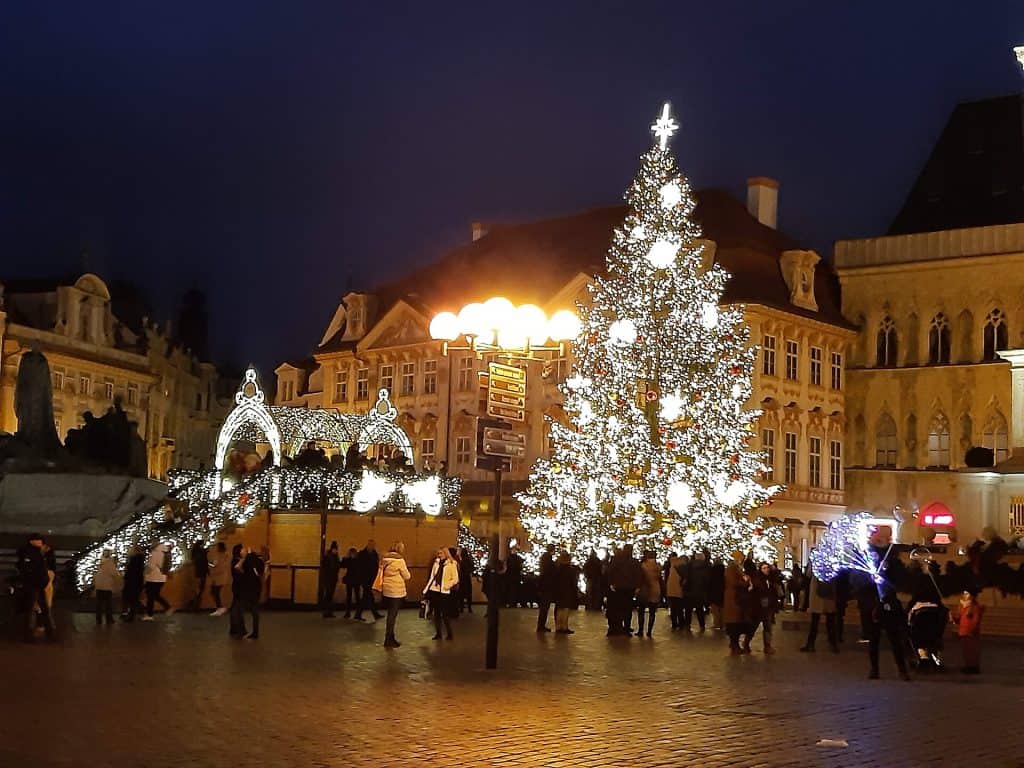
- Christmas: markets fill Old Town Square and Wenceslas Square from late November or early December, and live carp are traditionally sold from tubs in the street for the Christmas Eve dinner.
Practical tips
- Tickets: the National Theatre, Czech Philharmonic and Prague Spring all sell online. Book weeks ahead for popular operas and festival concerts; same-day seats are sometimes available.
- Getting around: trams reach almost every venue mentioned here, and several lines stop at Národní divadlo, right outside the National Theatre and a short walk from Café Slavia and Café Louvre.
- Money: the Czech crown is the currency; cards are widely accepted, but carry a little cash for small pubs and markets.
- Bills: check that service is not already included before adding a tip, especially in the Old Town.
Plan your trip to Prague
- Tickets and tours in Prague: tickets and tours on Tiqets · activities on Klook
- Arriving by plane: pre-book an airport transfer with Welcome Pickups
- Road trip: compare car hire on Localrent
- Mobile data: get a travel eSIM from Airalo
Some of these are affiliate links: if you book through them we may earn a small commission, at no extra cost to you.
Planning a bigger trip? See our guide to the 25 best places to visit in Europe, from city breaks to fjords.
Keep exploring
- 7 Castles Near Prague Worth a Day Trip (and Prague Castle Itself)
- How to Avoid Looking Like a Tourist in Prague: Local Etiquette Tips
- A Weekend in Prague: A 2-Day Itinerary for First-Time Visitors
Frequently asked questions
What is Prague’s culture known for?
Classical music, especially Smetana, Dvořák and Mozart’s links with the city, opera, puppet and black light theatre, beer culture and grand cafés. Its architecture spans Gothic, Baroque, Art Nouveau and Cubism.
Is the opera in Prague expensive?
Generally not by Western European standards. Seats at the National Theatre and Estates Theatre range from inexpensive upper-tier places to premium stalls, so it is worth booking even on a tight budget.
What is the traditional food of Prague?
Svíčková, roast pork with dumplings and cabbage, goulash with dumplings and fried cheese are the classics, with open sandwiches and koláče pastries as everyday snacks.
Photos: Andrzej Otrębski, CC BY-SA 4.0, via Wikimedia Commons; Tadeáš Gregor, CC BY-SA 4.0, via Wikimedia Commons; Adam Jones, Ph.D., CC BY-SA 3.0, via Wikimedia Commons; U.S. Department of State from United States, Public domain, via Wikimedia Commons; Matyáš Havel, CC BY-SA 3.0, via Wikimedia Commons; Txllxt TxllxT, CC BY-SA 4.0, via Wikimedia Commons; Helena Melezínková, CC BY-SA 4.0, via Wikimedia Commons.