Updated
Europe makes more wine than any other continent, and the best way to understand it is to go where it grows. A glass of Riesling tastes different once you have seen the slate slopes above the Mosel, and a Douro port makes more sense after a slow afternoon among the terraces above Pinhão. Many of these landscapes are now UNESCO World Heritage Sites, and most are easy to reach by train, boat or a short drive from a major city.
This guide picks ten wine regions that reward a visit, from famous names such as Bordeaux and Champagne to quieter valleys in Austria and Hungary. For each one we suggest a base, what to taste and how to make the most of a few days. Arrange a designated driver, a tour or a bike, and book cellar visits ahead: many estates only open by appointment.
European wine regions at a glance
- Best for first-timers: Bordeaux, Champagne and Tuscany, which have the most visitor-ready estates and guided tours.
- Best scenery: the Douro Valley, the Mosel and the Wachau, where vineyards climb steep river banks.
- When to go: May, June and September are the sweet spot; harvest usually runs from September into October, when wineries are busy but festive.
- Getting around: join a guided tour, hire a driver or cycle; drink-driving limits are strict across the EU.
- Book ahead: cellar tours, tastings at well-known estates and hotels during harvest.
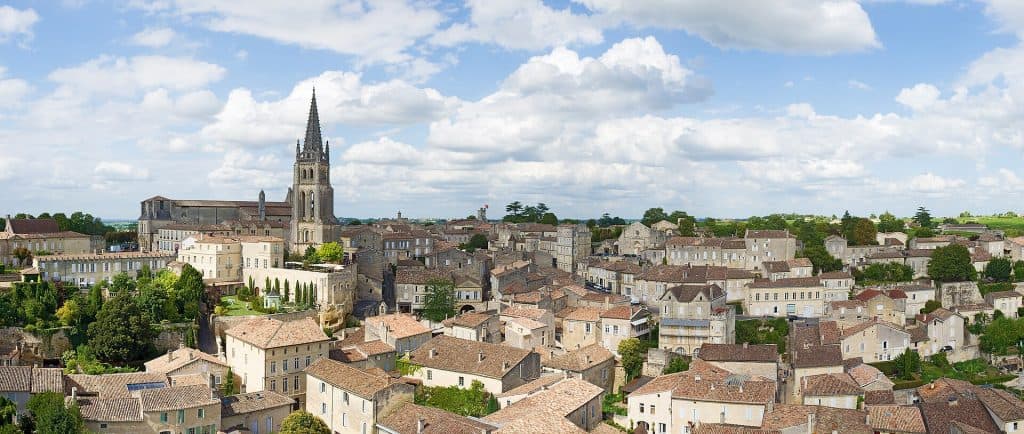
1. Bordeaux and Saint-Émilion, France
Bordeaux is the obvious starting point. The city itself is elegant and walkable, and La Cité du Vin, a wine museum in a swirling building beside the Garonne, opened in 2016 and makes a good introduction to world wine before you head out to the châteaux.
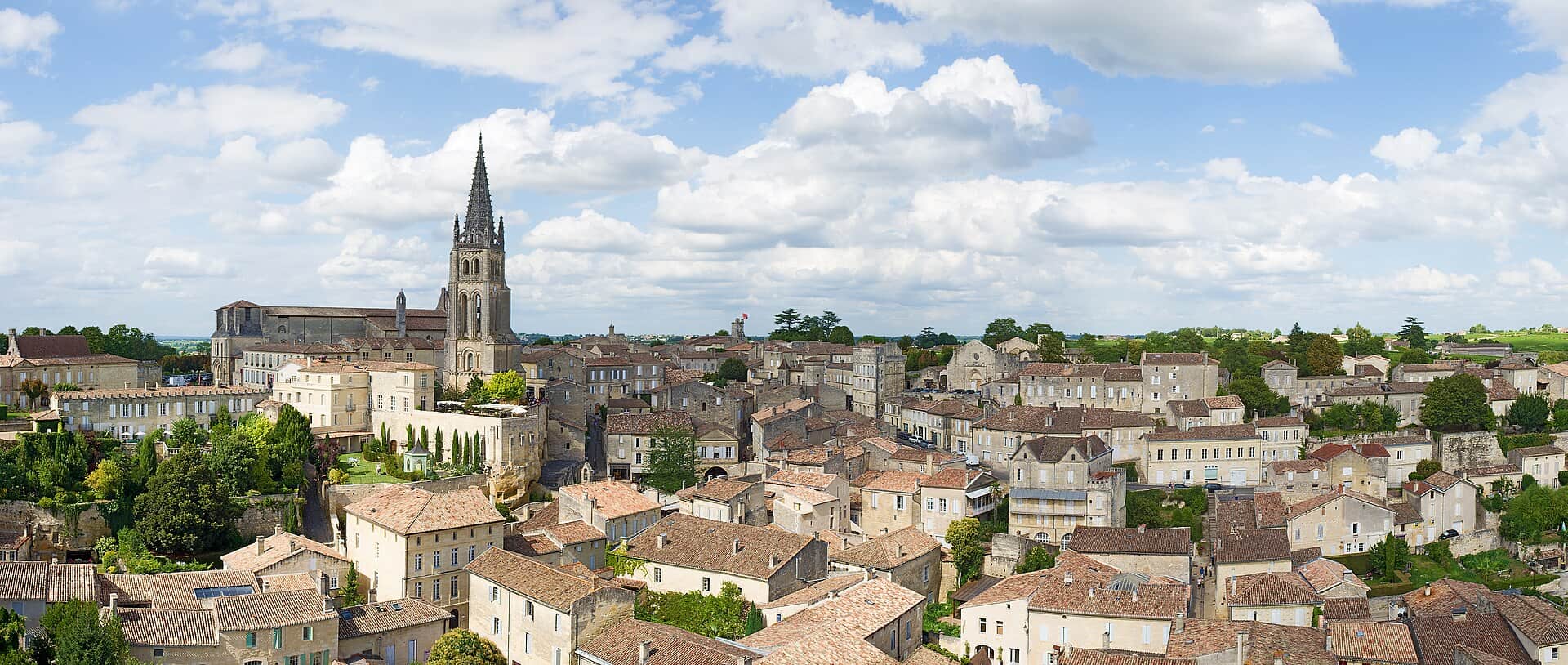
Split your time between the two banks. North of the city, the Médoc is the land of grand châteaux and Cabernet Sauvignon, with famous villages such as Margaux and Pauillac. To the east, Saint-Émilion is a honey-coloured medieval village of steep lanes and an underground monolithic church; the Jurisdiction of Saint-Émilion has been a UNESCO World Heritage Site since 1999. Merlot dominates here. The village is about 40 minutes by train from Bordeaux, which saves anyone from having to drive.
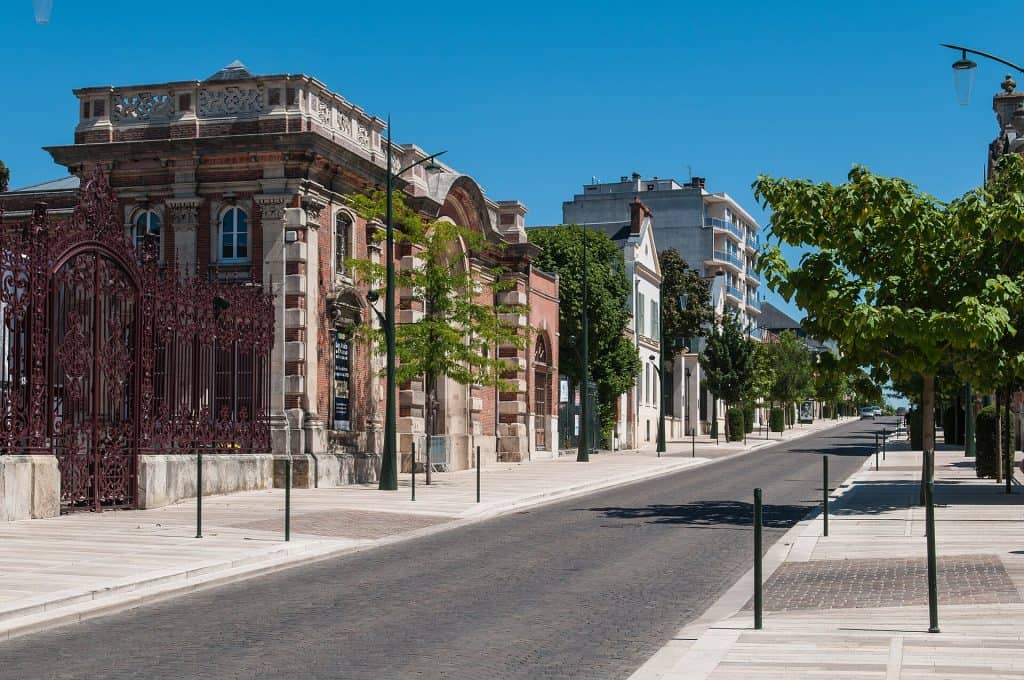
2. Champagne, France
Champagne is one of the easiest wine regions to visit from a capital: fast trains from Paris reach Reims in well under an hour. In 2015 UNESCO listed the Champagne hillsides, houses and cellars, recognising the vineyard slopes, the grand houses and the chalk cellars where the bottles age.
In Reims, several of the big houses run tours deep into their chalk cellars. The cathedral, where French kings were crowned, is worth an hour on its own. In Épernay, the Avenue de Champagne is lined with the headquarters of famous houses. For a different side of the region, drive or cycle into the Montagne de Reims or the Côte des Blancs and visit small grower producers, who make wine from their own grapes and often welcome visitors with less formality.
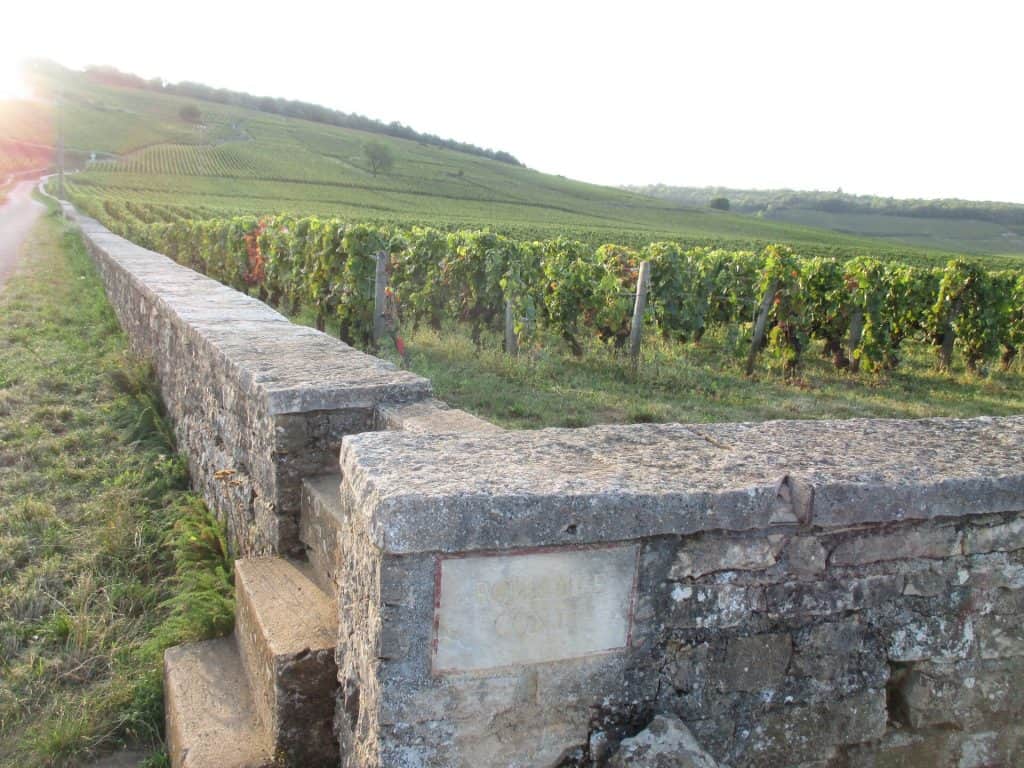
3. Burgundy, France
Burgundy rewards patience. Its fame rests on Pinot Noir and Chardonnay grown in hundreds of small, named plots called climats, and the Climats of Burgundy were inscribed by UNESCO in 2015, the same year as Champagne.
Base yourself in Beaune, a compact town of ramparts and cellars, home to the Hospices de Beaune with its patterned glazed roof. From here the Route des Grands Crus runs north through the Côte de Nuits towards Dijon, passing villages such as Gevrey-Chambertin, Vosne-Romanée and Nuits-Saint-Georges. The roads are quiet enough for cycling, and a dedicated cycle path, the Voie des Vignes, links Beaune with nearby wine villages. Many top domaines do not receive the public, so start with Beaune’s tasting cellars and book visits to smaller estates.
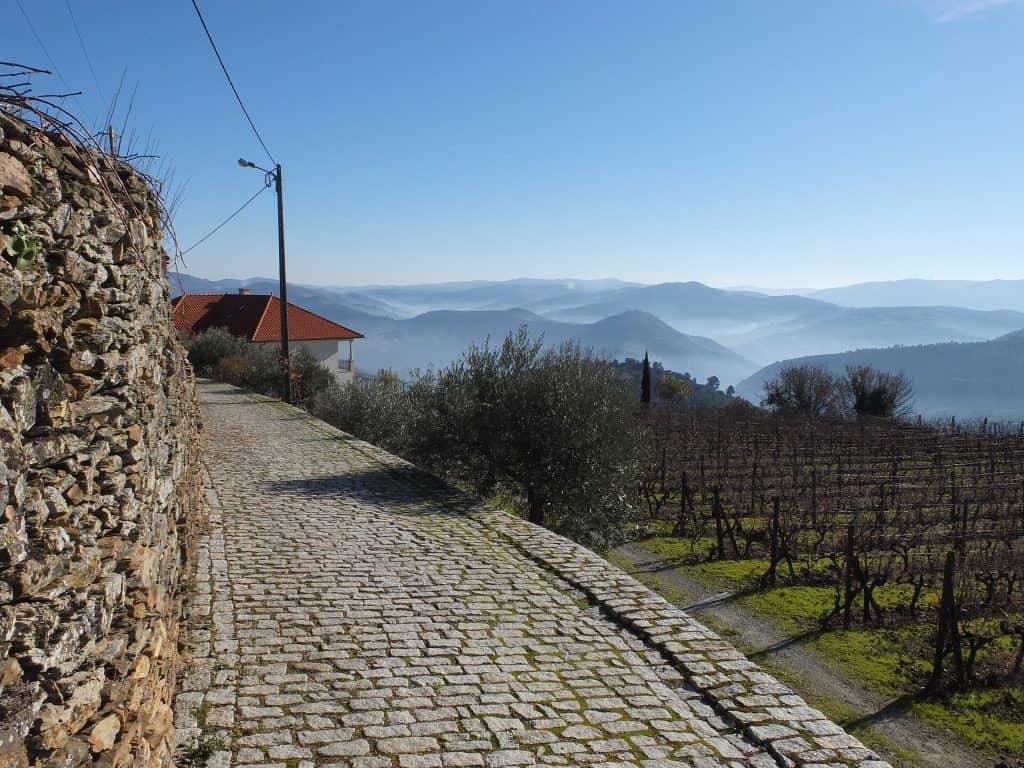
4. Douro Valley, Portugal
The Douro is one of the most spectacular wine landscapes in the world: steep schist terraces stacked above a winding river. It was one of the first demarcated wine regions anywhere, defined in 1756, and the Alto Douro Wine Region became a UNESCO World Heritage Site in 2001.
The region is famous for port, but its dry reds and whites are now just as good a reason to visit. Many quintas offer tastings, lunches and rooms. Peso da Régua and Pinhão make good bases; Pinhão’s railway station is decorated with blue-and-white azulejo tiles showing harvest scenes. Travel up from Porto by train along the river, take a boat trip, or simply drive the winding N222 between Régua and Pinhão. Before or after, cross to Vila Nova de Gaia in Porto to visit the port lodges.
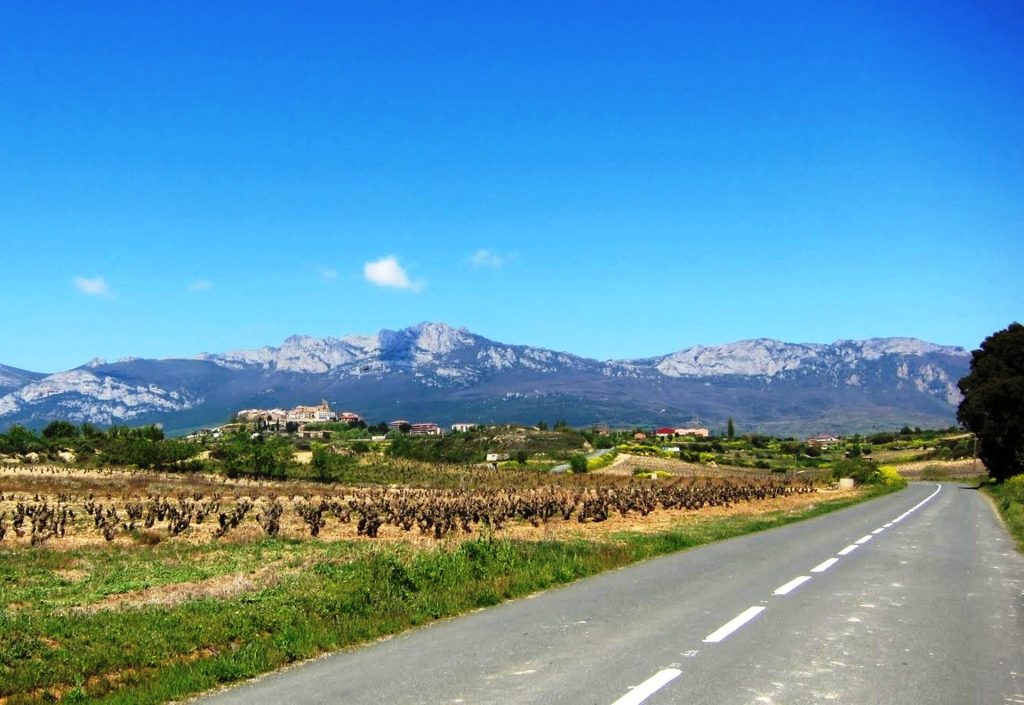
5. Rioja, Spain
Rioja is Spain’s best-known wine region and a very relaxed place to visit, with old bodegas, hilltop villages and some striking modern architecture. Tempranillo is the main grape, aged in oak to produce the familiar crianza, reserva and gran reserva styles.
Haro has a cluster of historic bodegas within walking distance of each other near the station. Laguardia, a walled hilltop town in Rioja Alavesa, sits on a network of old cellars carved beneath its streets. Nearby Elciego is home to the Marqués de Riscal hotel, with its rippling titanium roof designed by Frank Gehry. Logroño, the regional capital, is the place for an evening of tapas; Calle del Laurel and the surrounding lanes are packed with small bars.
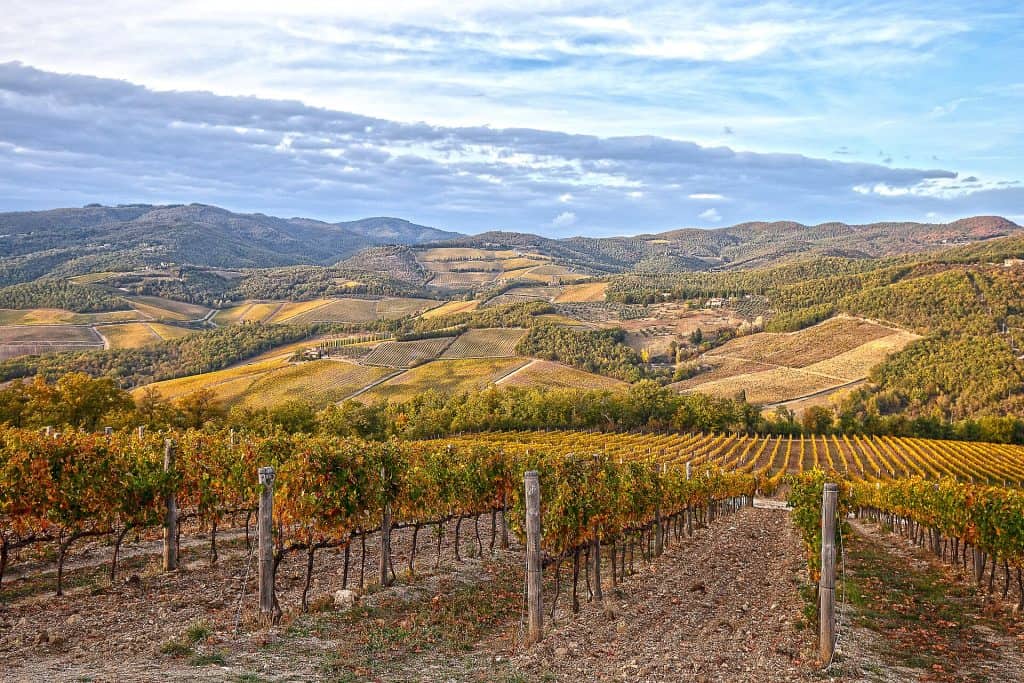
6. Tuscany, Italy
Tuscany combines wine with some of Europe’s finest art cities, which makes it ideal for a mixed trip. The Chianti Classico area lies between Florence and Siena, a landscape of oak woods, cypress avenues and fortified villages such as Greve, Radda and Castellina. Sangiovese is the grape to know.
Further south, the hill towns of Montalcino and Montepulciano produce Brunello di Montalcino and Vino Nobile di Montepulciano. Both are close to the Val d’Orcia, the rolling landscape familiar from postcards, which UNESCO listed in 2004. Stay in an agriturismo, a working farm with rooms, and you will often find wine and olive oil produced on site.
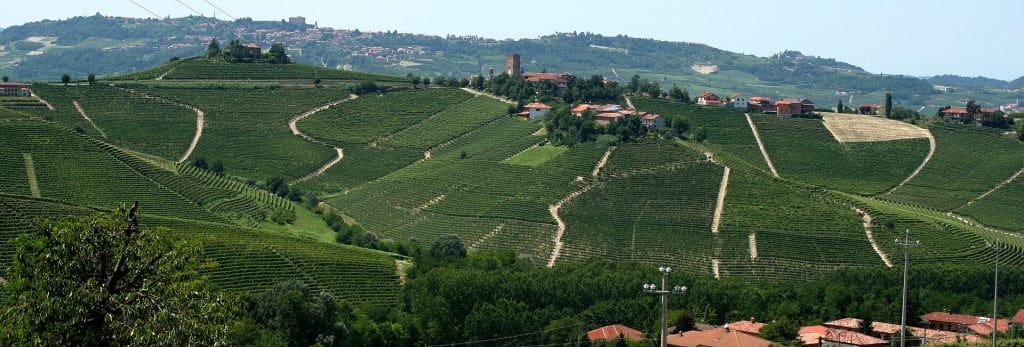
7. Piedmont, Italy
In north-west Italy, the hills of the Langhe produce two of the country’s most prized reds, Barolo and Barbaresco, both made from the Nebbiolo grape. The vineyard landscapes of Langhe-Roero and Monferrato were listed by UNESCO in 2014.
Alba is the natural base, a lively market town at the foot of the hills. Autumn is the best time to come: the harvest coincides with the white truffle season and Alba’s truffle fair, and restaurants put truffles on almost everything. Spend a day in the villages of Barolo, La Morra and Serralunga d’Alba, where castles and church towers look out over a patchwork of vines. The local Dolcetto and Barbera are good everyday wines that cost far less than Barolo.
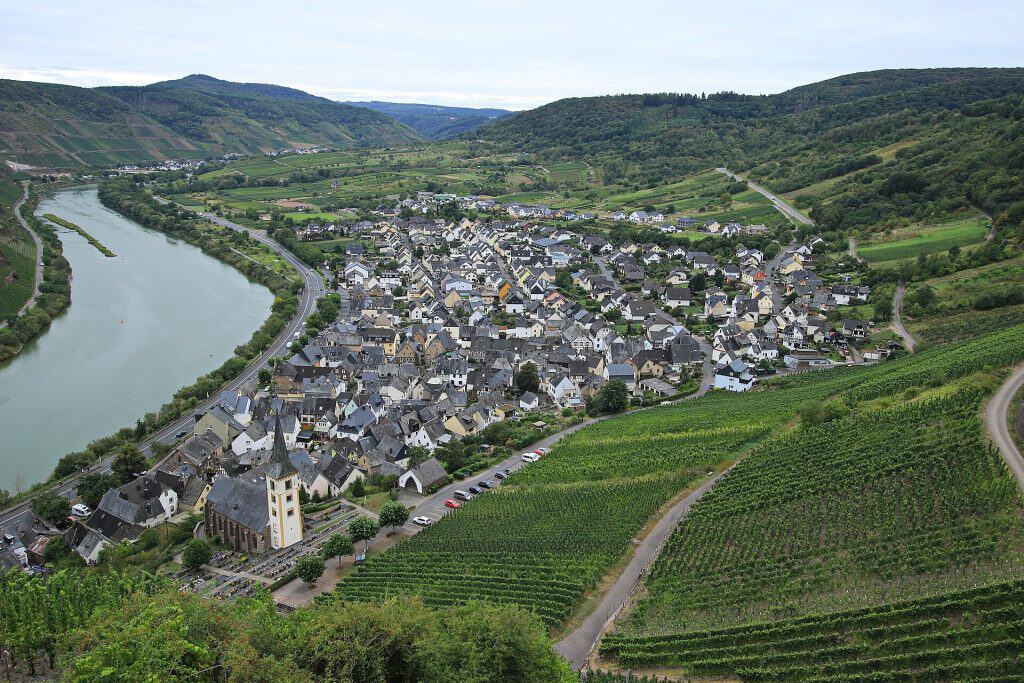
8. Mosel, Germany
The Mosel winds through western Germany in tight loops, with vineyards clinging to slopes so steep that much of the work is still done by hand. The Bremmer Calmont, above the village of Bremm, is often described as Europe’s steepest vineyard, and a marked climbing path crosses it for sure-footed walkers.
This is Riesling country, from bone-dry to lusciously sweet. Bernkastel-Kues and Cochem are the classic bases, both with half-timbered old towns and castles above the river. Many family wineries have their own wine taverns, called Straußwirtschaften, open for part of the year. A cycle path runs along most of the river, and boats link the villages in summer, so you never need to drive between tastings.
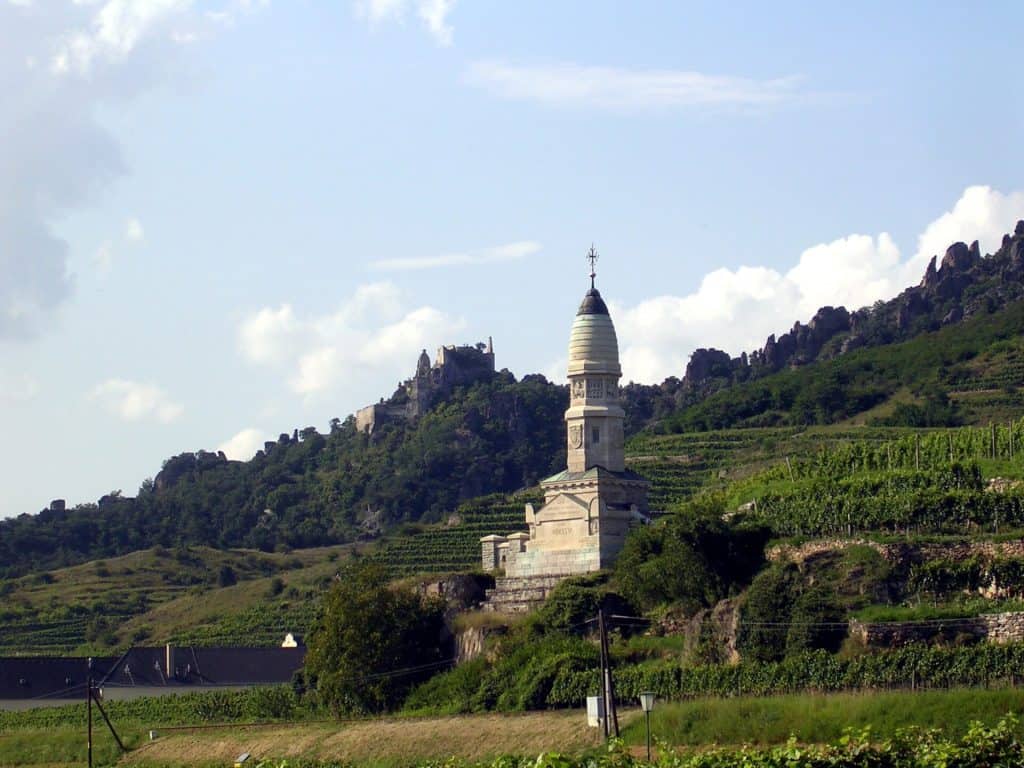
9. Wachau, Austria
An hour or so west of Vienna, the Danube runs through the Wachau, a short valley of terraced vineyards, apricot orchards and baroque churches. The Wachau Cultural Landscape was listed by UNESCO in 2000.
The local stars are Grüner Veltliner and Riesling, classified by ripeness into Steinfeder, Federspiel and Smaragd. Krems at the eastern end and Melk, with its huge Benedictine abbey, at the western end bracket the valley. In between, Dürnstein, Weißenkirchen and Spitz are small wine villages with family-run Heurigen, simple taverns serving the producer’s own wine with cold dishes. The Danube cycle path runs right through the valley, and river boats link the villages.
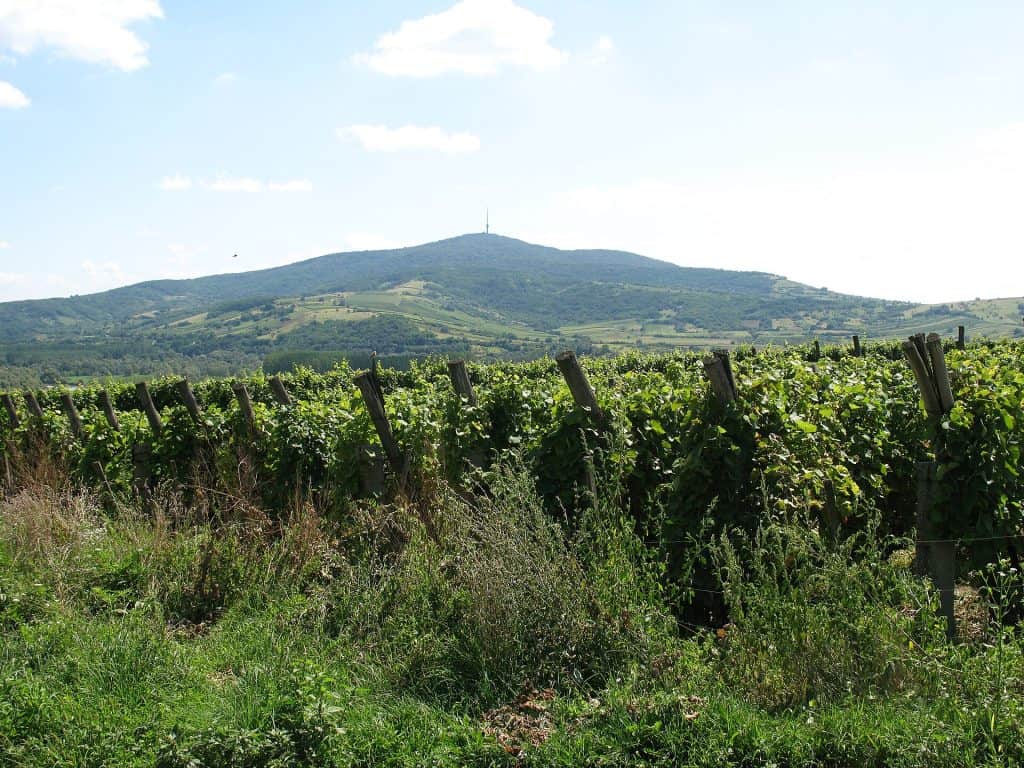
10. Tokaj, Hungary
Tokaj, in north-east Hungary, is the most rewarding lesser-known wine region in this list. It is famous for Tokaji Aszú, a sweet wine made from grapes affected by noble rot, but dry wines from the Furmint grape are now just as interesting. The Tokaj Wine Region Historic Cultural Landscape was listed by UNESCO in 2002.
The region is dotted with old cellars cut into volcanic rock, some lined with black mould that thrives in the damp air. Tokaj town, Tarcal, Mád and Tolcsva make good stops, and prices are friendly compared with Western Europe. Trains run from Budapest to Tokaj, but a car or a local driver makes cellar-hopping much easier.
Planning a wine trip in Europe
When to go
Late spring and early autumn offer the best balance of weather and access. Harvest, generally September to October, is atmospheric, with festivals in many villages, but small producers may be too busy for visitors. Winter is quiet and many estates close, although city tasting rooms stay open.
How to visit wineries
- Book tours and tastings in advance, especially at famous estates and on weekends.
- Plan two or three visits a day at most; tastings take longer than you expect.
- Use the spittoon if you are tasting a lot, and never drive after tasting.
- Ask about shipping before you buy several cases; many estates can arrange delivery within the EU.
- Carrying wine home by air is easiest in checked luggage, well wrapped.
Getting around
Several regions are easy without a car. Saint-Émilion, Reims, Épernay, Beaune, Haro and the Douro all have train stations, and the Mosel and Wachau are made for bikes and boats. Elsewhere, a local guide or driver is worth the cost.
Plan your trip
- Bordeaux: tickets and tours on Tiqets · activities on Klook
- France: tickets and tours on Tiqets · activities on Klook
- Burgundy: tickets and tours on Tiqets · activities on Klook
- Arriving by plane: pre-book an airport transfer with Welcome Pickups
- Road trip: compare car hire on Localrent
- Mobile data: get a travel eSIM from Airalo
Some of these are affiliate links: if you book through them we may earn a small commission, at no extra cost to you.
Planning a bigger trip? See our guide to the 25 best places to visit in Europe, from city breaks to fjords.
Keep exploring
- Volcanic Wine Regions in Europe: 9 Vineyard Landscapes to Visit
- Camargue Villages Guide: Salt Marshes, White Horses and Flamingos
- 10 Lesser-Known Destinations in France: Pilgrim Towns, Uplands, Coasts
Frequently asked questions
What is the best wine region in Europe to visit for the first time?
Bordeaux is a strong choice: the city is a destination in itself, there are many estates set up for visitors, and Saint-Émilion is reachable by train. Champagne is ideal for a short break from Paris.
When is the best time to visit European vineyards?
May to June and September are best for mild weather and open cellars. September and October bring the harvest, which is lively but busy for producers.
Can you visit wine regions without a car?
Yes. Champagne, Bordeaux, Burgundy, the Douro, the Mosel and the Wachau all have rail links, and the Mosel and Wachau have cycle paths and river boats between wine villages. Guided tours fill the gaps elsewhere.
Photos: Didier Descouens, CC BY-SA 4.0, via Wikimedia Commons; Michal Osmenda from Brussels, Belgium, CC BY 2.0, via Wikimedia Commons; Arnaud 25, CC BY-SA 4.0, via Wikimedia Commons; Philip Sheldrake from London, UK, CC BY-SA 2.0, via Wikimedia Commons; Art Anderson, CC BY-SA 3.0, via Wikimedia Commons; Repuli, CC BY-SA 4.0, via Wikimedia Commons; Megan Cole from Vancouver, Canada, CC BY 2.0, via Wikimedia Commons; Kora27, CC BY-SA 4.0, via Wikimedia Commons; Prefers to remain anonymous, Public domain, via Wikimedia Commons; JezW, CC BY-SA 3.0, via Wikimedia Commons.