Europe packs more variety into a short flight than almost anywhere else on earth. In a single week you can go from Lisbon’s tiled hills to Alpine lakes, or from Roman ruins to Norwegian fjords. This guide picks the 25 best places to visit in Europe, grouped by the kind of trip you want: cities, coast and islands, mountains and lakes, or small towns. Each entry says what makes the place worth the trip, when to go and where to find our full guide.
Every pick links to one of our fact-checked travel guides to Europe, so you can go from “where should we go?” to a day-by-day plan in a couple of clicks.
At a glance: the 25 best places to visit in Europe
- Best cities: Lisbon, Seville, Rome, Florence, Paris, Vienna, Prague, Budapest, Edinburgh, Amsterdam
- Best coast and islands: the Amalfi Coast, Cinque Terre, Santorini, Dubrovnik, Madeira, Sicily
- Best mountains and lakes: the Dolomites, the Swiss Alps, Lake Bled, Hallstatt, the Norwegian fjords, Iceland, Plitvice Lakes
- Best small towns and countryside: Provence, Český Krumlov
Best cities in Europe
1. Lisbon, Portugal
Lisbon spreads across steep hills above the Tagus, with yellow trams, tiled façades and free viewpoints (miradouros) at the top of almost every climb. It is one of the sunniest capitals in Europe and good value by Western European standards. Sintra’s palaces are an easy day trip by train.
Best for: food, viewpoints, a mild winter break. When to go: March to June or September to October.
Read more: Lisbon food guide: what to eat and where
2. Seville, Spain
Seville is Andalusia at its most theatrical: the Real Alcázar palace, a vast Gothic cathedral with the Giralda tower, orange trees in the squares and flamenco in Triana. Summer afternoons are fiercely hot, so spring is the classic time to visit.
Best for: architecture, flamenco, tapas. When to go: March to May or October to November.
Read more: Things to do in Seville
3. Rome, Italy
Rome lets you walk from the Colosseum and the Roman Forum to the Pantheon and the Trevi Fountain in an afternoon, then eat very well in Trastevere at night. Book the Vatican Museums ahead: queues without a ticket can be long.
Best for: history, art, food. When to go: April to June or September to October.
Read more: 48 hours in Rome: a first-timer’s itinerary
4. Florence, Italy
Florence is the Renaissance in one compact, walkable centre: Brunelleschi’s dome, the Uffizi, the Ponte Vecchio and Michelangelo’s David at the Accademia. It also makes an excellent base for Tuscan hill towns and wine country.
Best for: art, architecture, Tuscany day trips. When to go: April to June or September to October.
Read more: One day in Florence: a realistic itinerary
5. Paris, France
Paris needs no introduction, but it rewards visitors who step off the main circuit: covered passages, neighbourhood markets, quiet gardens and canal-side cafés. Use the Métro and walk between sights; most central districts are close together.
Best for: museums, food, romance. When to go: April to June or September to October.
Read more: unusual things to do in Paris
6. Vienna, Austria
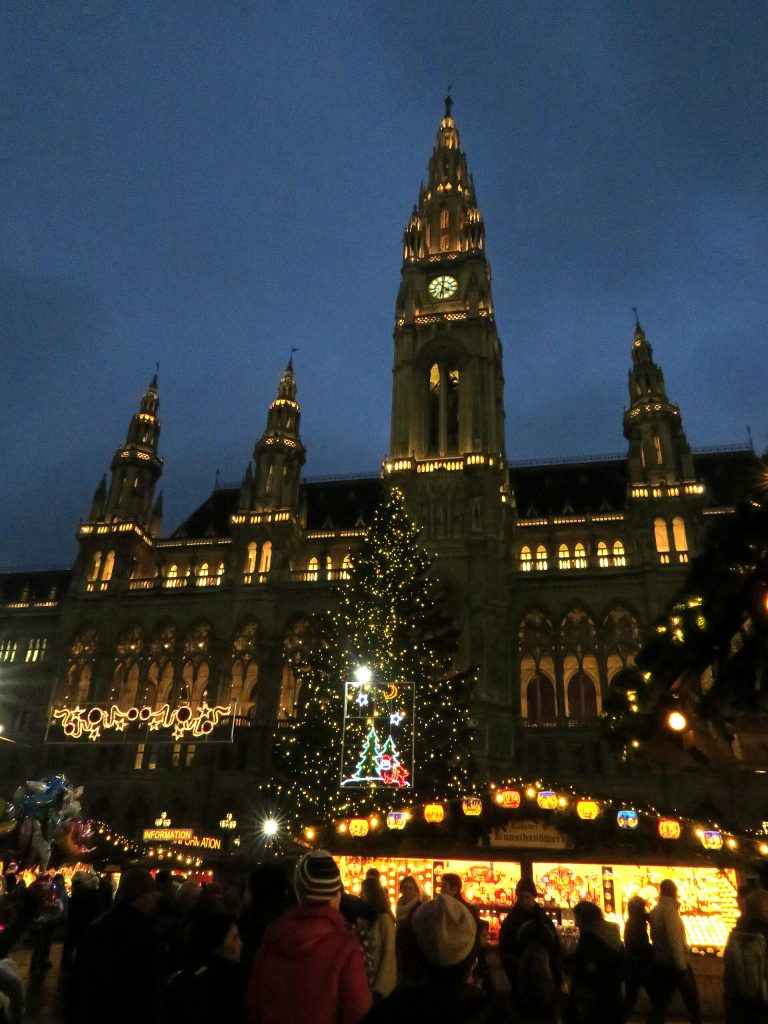
Vienna is imperial palaces, world-class music and a coffee-house culture that UNESCO lists as intangible heritage. In late November and December its Christmas markets make it one of the best winter city breaks in Europe.
Best for: culture, coffee houses, Christmas markets. When to go: April to June, September, or late November to December.
Read more: Vienna landmarks worth your time
7. Prague, Czechia
Prague’s Old Town Square, the astronomical clock, Charles Bridge and the castle district above the Vltava make it one of the best-preserved historic capitals in Europe. Go early in the morning to have the bridge almost to yourself.
Best for: a first city break, architecture, beer. When to go: April to June, September, or December for the markets.
Read more: a weekend in Prague: 2-day itinerary
8. Budapest, Hungary
Budapest straddles the Danube, with hilly Buda on one bank and the grand Parliament building on the Pest side. Its thermal baths, such as Széchenyi and Gellért, are reason enough to visit, and prices are lower than in most Western capitals.
Best for: thermal baths, nightlife, value. When to go: April to June, September to October, or December.
Read more: the most beautiful places in Hungary beyond the capital
9. Edinburgh, Scotland
Edinburgh’s castle sits on an extinct volcano above a medieval Old Town and an elegant Georgian New Town, both together a UNESCO World Heritage Site. In August the city hosts its festivals, including the Fringe, the world’s largest arts festival.
Best for: history, festivals, hiking Arthur’s Seat. When to go: May to September; book early for August.
Read more: Scotland’s most charming small towns
10. Amsterdam, Netherlands
Amsterdam’s 17th-century canal ring is a UNESCO World Heritage Site, lined with gabled merchants’ houses and best seen by bike or boat. The Rijksmuseum, the Van Gogh Museum and the Anne Frank House all need timed tickets booked ahead.
Best for: canals, museums, cycling. When to go: April to May for the tulips, or June to September.
Read more: Europe’s best canal towns
Best coast and islands in Europe
11. The Amalfi Coast, Italy
Pastel villages such as Positano, Amalfi and Ravello cling to cliffs above the Tyrrhenian Sea, linked by a famously narrow coast road and by ferries. Quieter villages like Atrani give you the same views with fewer crowds.
Best for: views, boat trips, lemon everything. When to go: May to June or September.
Read more: Atrani, the Amalfi Coast’s quiet village
12. Cinque Terre, Italy
Five colourful fishing villages on the Ligurian coast, joined by a local train and by hiking paths through terraced vineyards. The area is a national park, and some trails need a park card in high season.
Best for: coastal hiking, photography. When to go: April to June or September to October.
Read more: quiet Cinque Terre: calm villages and hamlets
13. Santorini, Greece
Santorini’s white villages sit on the rim of a flooded volcanic caldera, and Oia’s sunset is one of the most photographed in Europe. It gets very busy on cruise-ship days, so stay overnight and explore early and late.
Best for: sunsets, caldera views, a romantic trip. When to go: May to June or September to October.
Read more: Greek islands with distinct character
14. Dubrovnik, Croatia
Dubrovnik’s old town is ringed by walls you can walk all the way around, with the Adriatic on one side and terracotta roofs on the other. Day trips by boat reach the Elaphiti islands, and the rest of the Croatian coast is easy to combine.
Best for: a walled old town, island hopping. When to go: May to June or September to October.
Read more: top experiences in Croatia
15. Madeira, Portugal
Madeira is a green, mountainous Atlantic island with a mild climate all year. Walk the levadas (old irrigation channels), swim in natural lava pools at Porto Moniz and wander the misty laurel forest at Fanal.
Best for: hiking, nature, winter sun. When to go: all year; spring is especially good for flowers.
Read more: Madeira’s natural lava pools
16. Sicily, Italy
Sicily combines Greek temples, Baroque towns, Mount Etna and some of Italy’s best street food. It is big, so a road trip is the best way to see it: Palermo, Cefalù, the Valley of the Temples, Syracuse and Taormina all fit in a week.
Best for: a road trip, food, ancient history. When to go: April to June or September to October.
Read more: Sicily in a week: a 7-day road trip
Best mountains and lakes in Europe
17. The Dolomites, Italy
The Dolomites are jagged limestone peaks in northern Italy, listed by UNESCO, with some of the best hut-to-hut hiking in Europe. Bases such as Val Gardena and Cortina d’Ampezzo give you cable cars in summer and skiing in winter.
Best for: hiking, mountain drives, skiing. When to go: late June to September for hiking; December to March for skiing.
Read more: hiking in the Dolomites: bases and best hikes
18. The Swiss Alps, Switzerland
Car-free Zermatt below the Matterhorn, the waterfall-lined Lauterbrunnen valley and scenic trains like the Glacier Express make Switzerland the classic Alpine trip. It is expensive, but the public transport is superb.
Best for: scenic trains, mountain views. When to go: June to September, or December to March for snow.
Read more: places in Switzerland that will take your breath away
19. Lake Bled, Slovenia
Lake Bled has a church on a tiny island, a castle on the cliff above and the Julian Alps behind. Row or take a traditional pletna boat to the island, then continue to nearby Lake Bohinj, which is larger and quieter.
Best for: lakes, easy hikes, a short trip from Ljubljana. When to go: May to September.
Read more: charming towns in Slovenia after Bled
20. Hallstatt, Austria
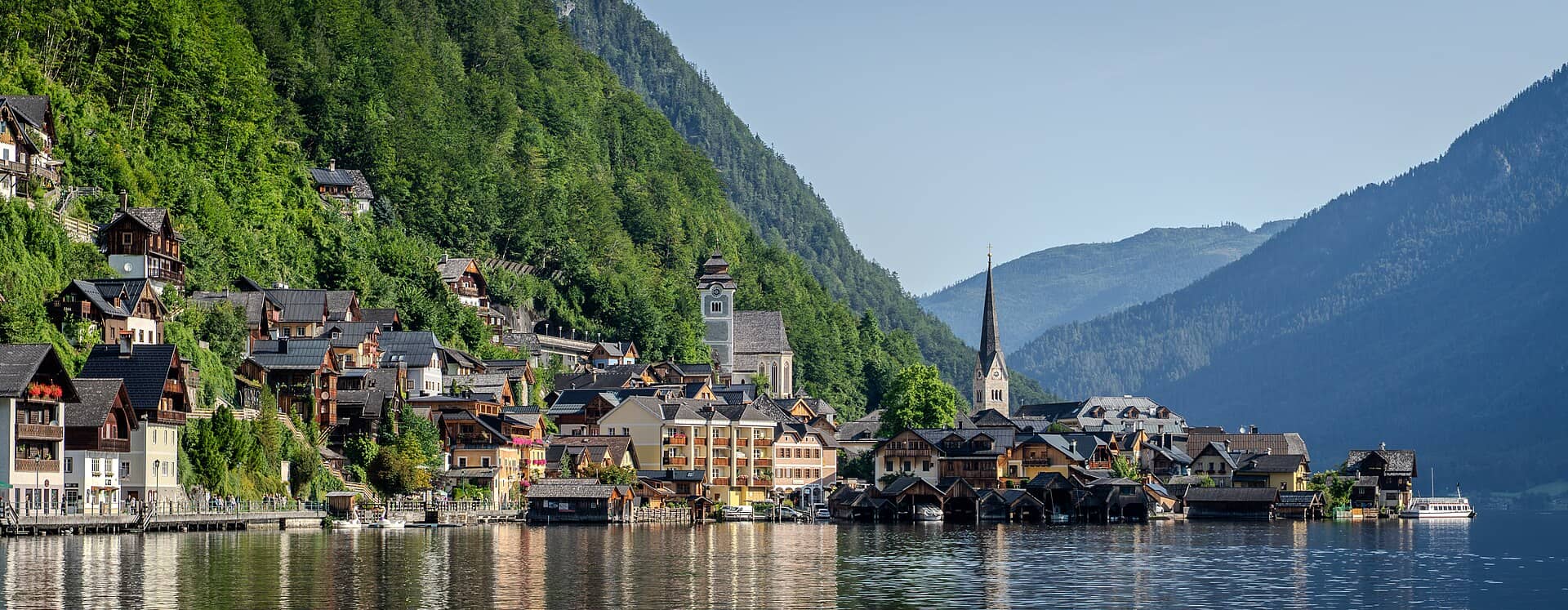
Hallstatt’s pastel houses are squeezed between a lake and steep mountains, in a landscape listed by UNESCO for its long history of salt mining. It is small and gets crowded, so arrive early or stay the night.
Best for: lake and mountain scenery, photography. When to go: May to October; winter is quieter and snowy.
Read more: beautiful mountain towns in Europe
21. The Norwegian fjords, Norway
The Geirangerfjord and the Nærøyfjord are UNESCO-listed for their sheer walls and waterfalls. Combine a fjord cruise with the Flåm Railway, one of the most scenic train rides in Europe.
Best for: dramatic scenery, cruises, hiking. When to go: May to September.
Read more: must-see Scandinavian destinations
22. Iceland
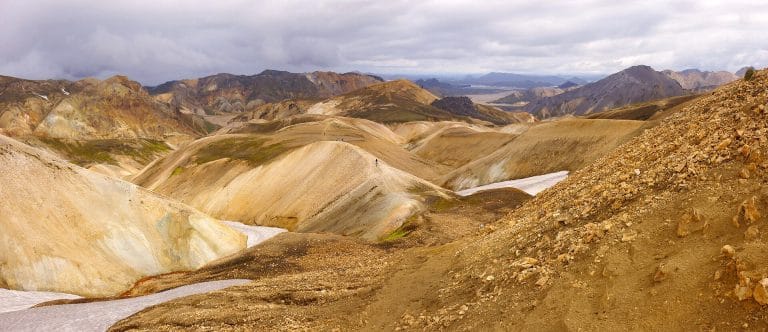
Iceland packs geysers, glaciers, black-sand beaches and waterfalls into one island. The Golden Circle is an easy day from Reykjavík, and the Ring Road takes about a week or more. From late September to March you have a chance of seeing the northern lights.
Best for: road trips, waterfalls, the northern lights. When to go: June to August for long days; September to March for auroras.
Read more: Iceland travel guide
23. Plitvice Lakes, Croatia
Plitvice is Croatia’s oldest national park: a chain of 16 terraced lakes joined by waterfalls, crossed on wooden boardwalks. It is a UNESCO World Heritage Site, and in summer you should book a timed entry ticket in advance.
Best for: waterfalls, easy walks. When to go: April to June or September to October.
Read more: Plitvice Lakes: routes, entrances and tips
Best small towns and countryside in Europe
24. Provence, France
Provence is hilltop villages, Roman ruins, markets and, from late June to July, lavender fields around Valensole and the Sault plateau. Base yourself in Avignon or a village and explore by car.
Best for: villages, food markets, lavender. When to go: late June to July for lavender; May and September for quieter roads.
Read more: the Provence lavender route
25. Český Krumlov, Czechia
Český Krumlov is a medieval town wrapped around a tight bend of the Vltava river, below a huge castle complex. It is a UNESCO World Heritage Site and an easy add-on to a trip to Prague.
Best for: a fairytale old town, castles. When to go: May to September, or December for a snowy, festive feel.
Read more: picturesque medieval towns in Europe
Best places to visit in Europe by season
| Season | Where to go | Why |
|---|---|---|
| Spring (March to May) | Seville, Lisbon, Amsterdam, Sicily | Warm but not hot, flowers and tulips, fewer crowds |
| Summer (June to August) | Norwegian fjords, Iceland, the Dolomites, the Swiss Alps | Long days, open mountain passes and hiking trails |
| Autumn (September to November) | Rome, Florence, Dubrovnik, Santorini | Warm sea, harvest season, smaller crowds |
| Winter (December to February) | Vienna, Prague, Budapest, Madeira | Christmas markets, thermal baths, mild Atlantic sun |
Tips for planning a trip around Europe
- Go in shoulder season. May, June, September and October usually mean better prices and smaller crowds than July and August.
- Use trains for city hops. Many European capitals are a few hours apart by rail, often city centre to city centre.
- Book big sights ahead. The Vatican Museums, the Alhambra, the Anne Frank House and Plitvice in summer can sell out.
- Check entry rules before you travel. Rules for visitors to the Schengen area and the UK change; check the official government website for your nationality.
- Pick two or three bases. Fewer hotel changes means more time actually seeing places.
Plan your trip
- Lisbon: tickets and tours on Tiqets · activities on Klook
- Rome: tickets and tours on Tiqets · activities on Klook
- Paris: tickets and tours on Tiqets · activities on Klook
- Prague: tickets and tours on Tiqets · activities on Klook
- Amsterdam: tickets and tours on Tiqets · activities on Klook
- Iceland: tickets and tours on Tiqets · activities on Klook
- Arriving by plane: pre-book an airport transfer with Welcome Pickups
- Road trip: compare car hire on Localrent
- Mobile data: get a travel eSIM from Airalo
Some of these are affiliate links: if you book through them we may earn a small commission, at no extra cost to you.
Related guides
Frequently asked questions
What is the most beautiful place to visit in Europe?
It depends on what you love. For cities, Prague, Florence and Lisbon are hard to beat; for coastline, the Amalfi Coast and Santorini; for mountains, the Dolomites and the Swiss Alps; for nature, the Norwegian fjords and Iceland.
Where should I go in Europe for the first time?
A classic first trip combines two or three well-connected cities, such as Paris and Amsterdam, Rome and Florence, or Vienna, Prague and Budapest. They are easy to reach by train and have plenty for a first visit.
What is the best month to visit Europe?
May, June and September are the best all-round months: warm weather, long days and fewer crowds than July and August. For Christmas markets go from late November to December; for hiking in the Alps, July to September.
What are the cheapest places to visit in Europe?
Central and Eastern Europe and the Balkans usually offer the best value. Budapest, Kraków, Sofia, Albania and much of Portugal outside Lisbon tend to be cheaper than Western capitals such as Paris, London or Amsterdam.
How many days do you need in Europe?
Allow two to three days per city, and at least a week for a region such as Sicily, Provence or Iceland’s Ring Road. Ten days to two weeks lets you combine three or four places without rushing.
Cover photo: Hallstatt, Austria. David Kernan, CC BY 4.0, via Wikimedia Commons.
Photos: David Kernan, CC BY 4.0, via Wikimedia Commons.