Updated
Mulled wine and wooden chalets are only one side of Christmas in Europe. Behind the markets sit much older customs: nativity cribs built to look like a city’s skyline, a carol first sung in a village church on the Salzach, a peace declared from a balcony every Christmas Eve, thirteen troublesome Icelandic visitors and a Catalan log that is fed for weeks before it is beaten with sticks.
This guide picks nine places where those traditions are the reason to go. Several are at their best on one specific day, so the dates of the key events are given where they are fixed. Market dates are different: they change every year, so check this year’s programme before you book.
Christmas traditions in Europe at a glance
- Best for nativity scenes: Naples and Kraków.
- Best for carols and church services: Oberndorf near Salzburg.
- Fixed dates worth planning around: 5 December (Krampus night), first Thursday of December (Kraków), 13 December (Lucia), 24 December at noon (Turku).
- Best for snow and polar night: Finnish Lapland.
- Good to know: many Christmas Eve and Christmas Day events are family occasions; visitors are welcome at public ones, but book meals and transport early.
1. Naples, Italy: the street of the cribs
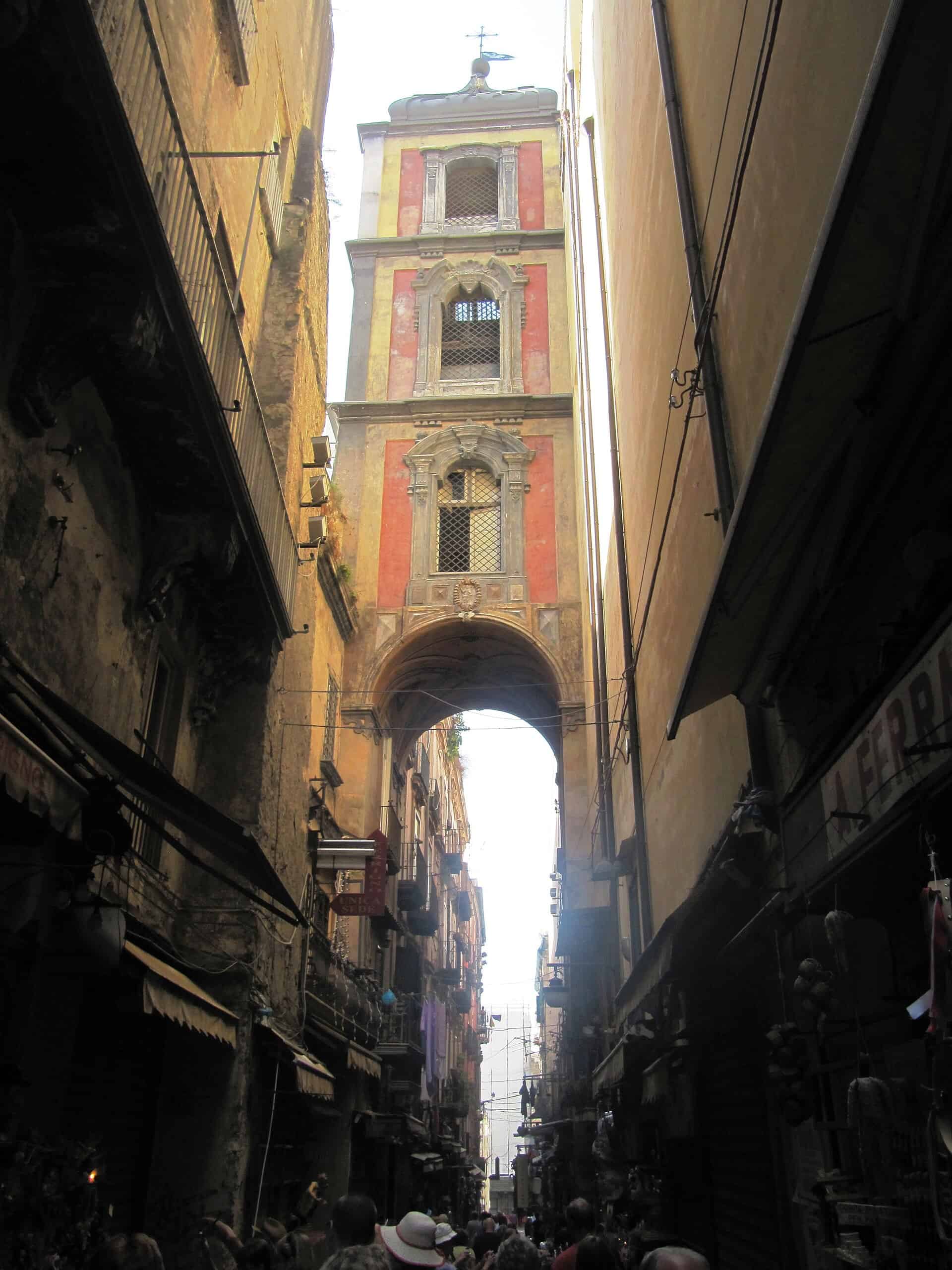
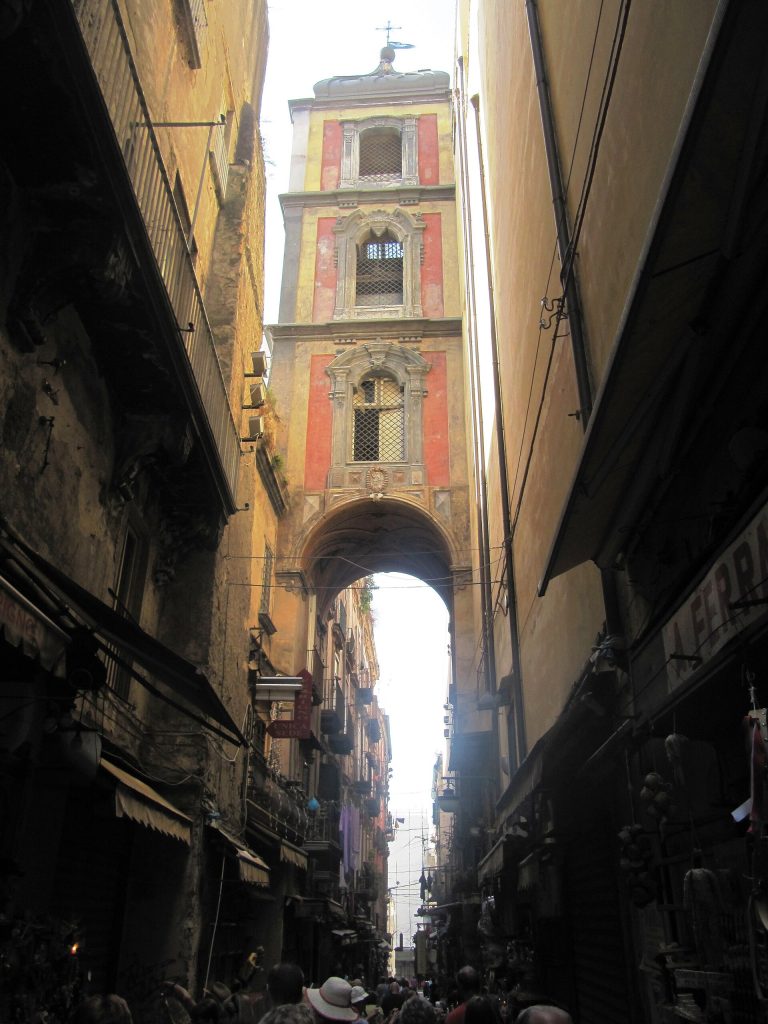
The Neapolitan nativity scene, the presepe, is one of the great Christmas crafts of Europe, and its home is Via San Gregorio Armeno in the historic centre. The narrow street links Via dei Tribunali with Spaccanapoli, following the line of the ancient Greek grid, and its workshops make nativity figures all year round. Some craftsmen also model figures of well-known people from the past year.
The street is busiest from early November to 6 January, and at weekends in December it can be almost impassable. Go on a weekday morning. Halfway along, the church of San Gregorio Armeno, founded around 930, has a bell tower that crosses above the street. The tradition of elaborate Neapolitan cribs dates back to the 18th century, and several churches and museums in the city show historic examples over Christmas.
2. Kraków, Poland: the szopki competition
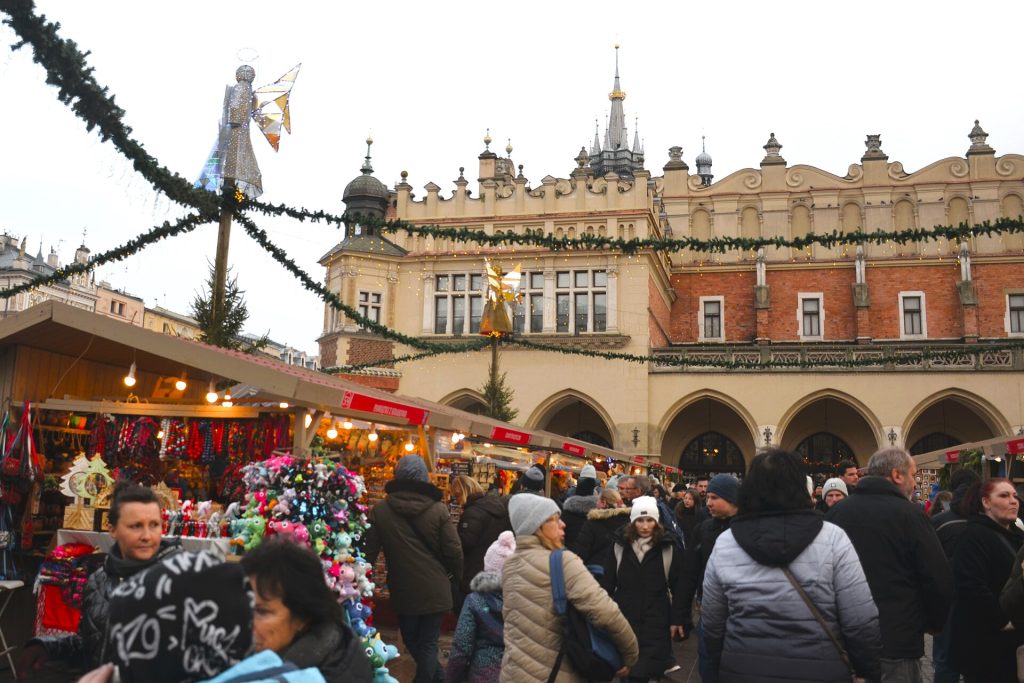
Kraków’s szopki are nativity cribs with a twist: they use the city’s own buildings, especially the spires of St Mary’s Basilica and the domes of Wawel Cathedral, as the setting for the Nativity. Made from card, coloured foil and wood, they can be small enough to hold or taller than a person. The tradition dates back to the 19th century and was added to UNESCO’s list of Intangible Cultural Heritage in 2018.
The city first announced its annual szopki competition in December 1937, and apart from the war years it has been held every year since, on the first Thursday of December. Makers carry their entries to the Main Market Square and set them out beside the Adam Mickiewicz Monument, which makes it the best day of the year to visit. The prize-winning cribs are then displayed at the Historical Museum of Kraków in the Krzysztofory Palace, on the square.
3. Oberndorf, Austria: where Silent Night began
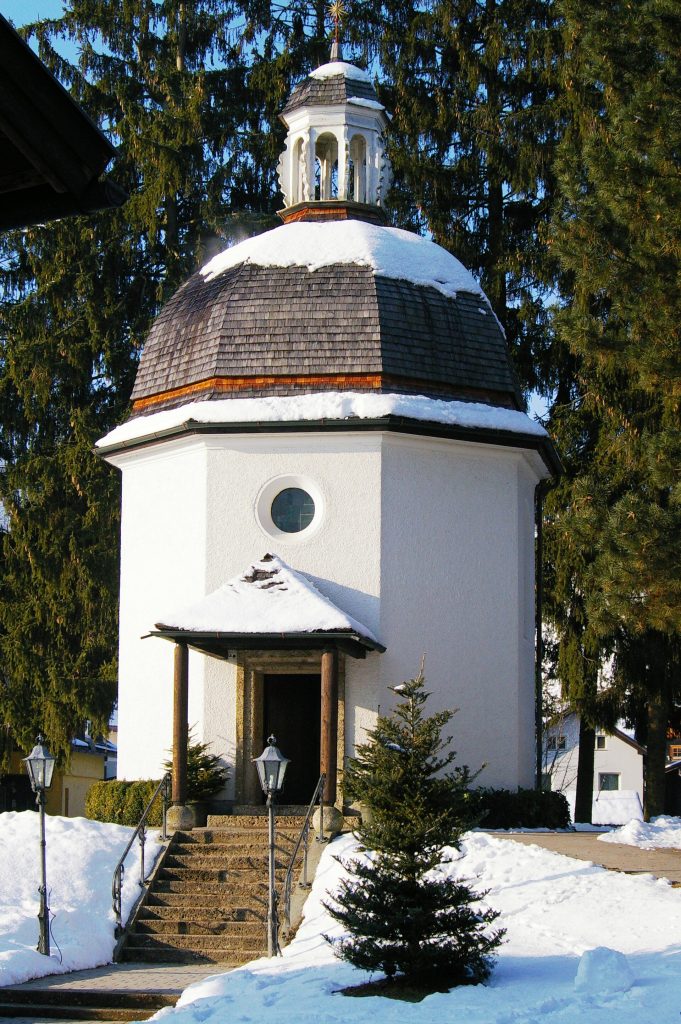
On 24 December 1818, in the church of St Nicholas in Oberndorf, a small town on the River Salzach north of Salzburg, the priest Joseph Mohr and the teacher and organist Franz Xaver Gruber first performed “Stille Nacht”, now known around the world as “Silent Night”. The original church was damaged by floods and demolished in 1913. The small octagonal Silent Night Chapel, completed in 1937, now stands on its site, with a museum next door.
Every Christmas Eve, a memorial service at the chapel in the late afternoon includes the carol sung in several languages. It is a moving occasion but very busy, so arrive early and dress warmly; most people stand outside. Oberndorf is an easy local train ride from Salzburg.
Earlier in the month, the Alpine regions of Austria and Bavaria hold Krampus runs around 5 December, the eve of St Nicholas Day. Young men dressed as the horned Krampus, the dark companion of St Nicholas, parade through town centres. They are loud and deliberately frightening, so keep small children back from the front.
4. Riga, Latvia: a claim to the first Christmas tree
The origin of the decorated Christmas tree is disputed, and Riga is one of the places with a claim. Records show that the Brotherhood of Blackheads, a guild of unmarried merchants, set up a holiday tree in its guild houses in Riga and Tallinn in the 15th and early 16th centuries; on the last night of the festivities it was carried to the town square and danced around. Riga dates its tree to 1510.
The guild’s ornate House of the Blackheads, first built in 1334, was destroyed in the Second World War and rebuilt between 1996 and 2000. It makes a fine backdrop in December, and the old town’s Christmas market sits nearby beside Riga Cathedral.
5. Sweden: Lucia and the Gävle Goat
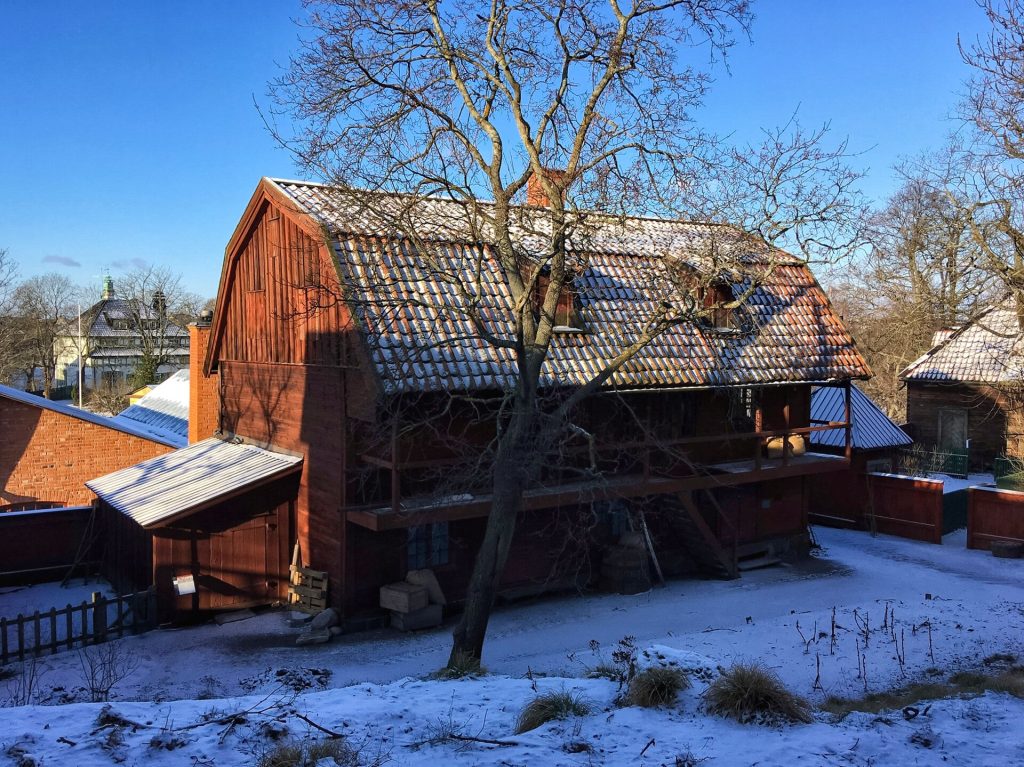
On 13 December, Sweden celebrates Lucia, a festival of light in the darkest weeks of the year. A girl chosen as Lucia, dressed in white with a red sash and a crown of candles, leads a procession of singers carrying candles. Concerts take place in churches across the country, and the national Lucia is crowned at Skansen, the open-air museum in Stockholm. Eat lussekatter, saffron buns, with gingerbread biscuits and glögg.
Under two hours north of Stockholm by train, the town of Gävle has its own very different tradition. Since 1966, a giant straw goat has been put up on Slottstorget, Castle Square, at the start of Advent. Despite security, it has been burnt or damaged in a large share of the years since, which has made it a minor national news story every December.
6. Turku, Finland: the Declaration of Christmas Peace
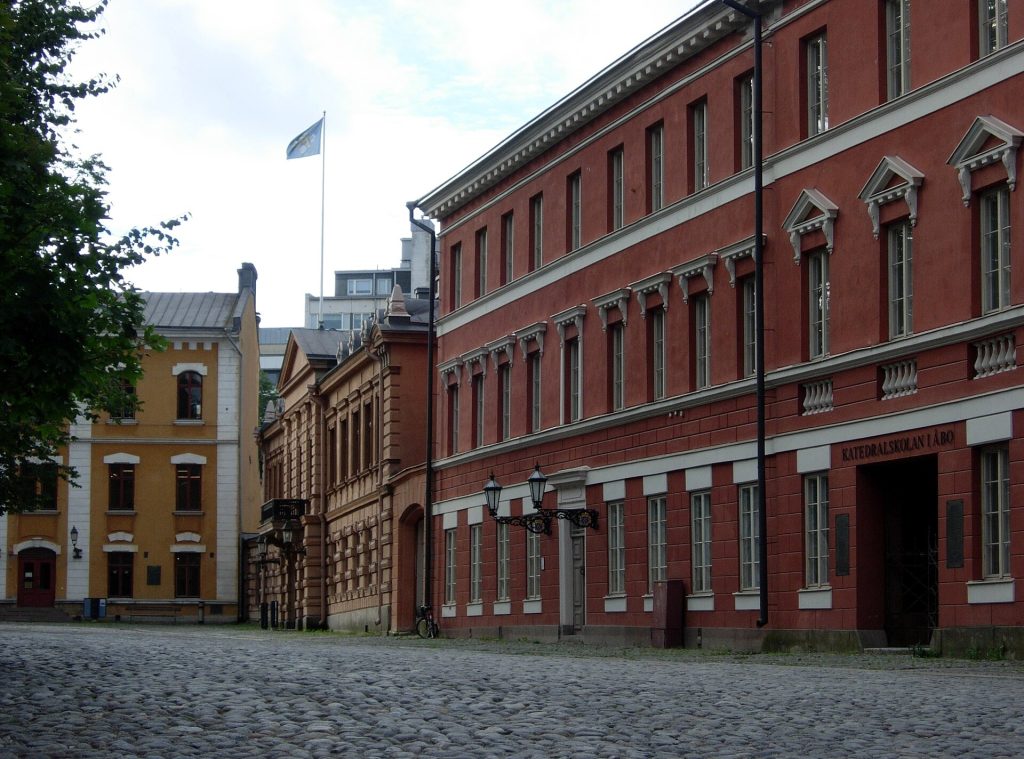
At noon on Christmas Eve, Christmas Peace is declared from the balcony of the Brinkkala Mansion on the Old Great Square in Turku, Finland’s former capital. The custom traces back to medieval law, and the declaration has been read from the Brinkkala balcony since 1886. It has been broadcast on Finnish radio since 1935 and on national television since 1983, and for many Finns it marks the true start of Christmas.
Thousands of people gather in the square to hear it, and the ceremony is framed by hymns and music. The square also hosts a Christmas market in December. Turku is around two hours from Helsinki by train, and other Finnish towns, including Porvoo, Rauma and Pori, hold their own declarations.
7. Finnish Lapland: Christmas in the polar night
Lapland is the place most associated with Santa Claus, but the real draw at Christmas is the light, or the lack of it. In Utsjoki, Finland’s northernmost municipality, the sun does not rise at all from late November to mid-January, a period of about 51 days. Instead there are a few hours of blue and pink twilight around midday, deep snow and, on clear nights, a good chance of the northern lights.
Christmas in Lapland is quiet and cold, built around saunas, candlelit cabins, reindeer, husky trips and cross-country skiing. Small resorts such as Saariselkä, Levi and Ylläs are good bases, with Santa visits and Christmas dinners arranged by hotels. Book many months ahead. Our Finland in winter guide covers Lapland in more depth.
8. Iceland: the Yule Lads and the book flood
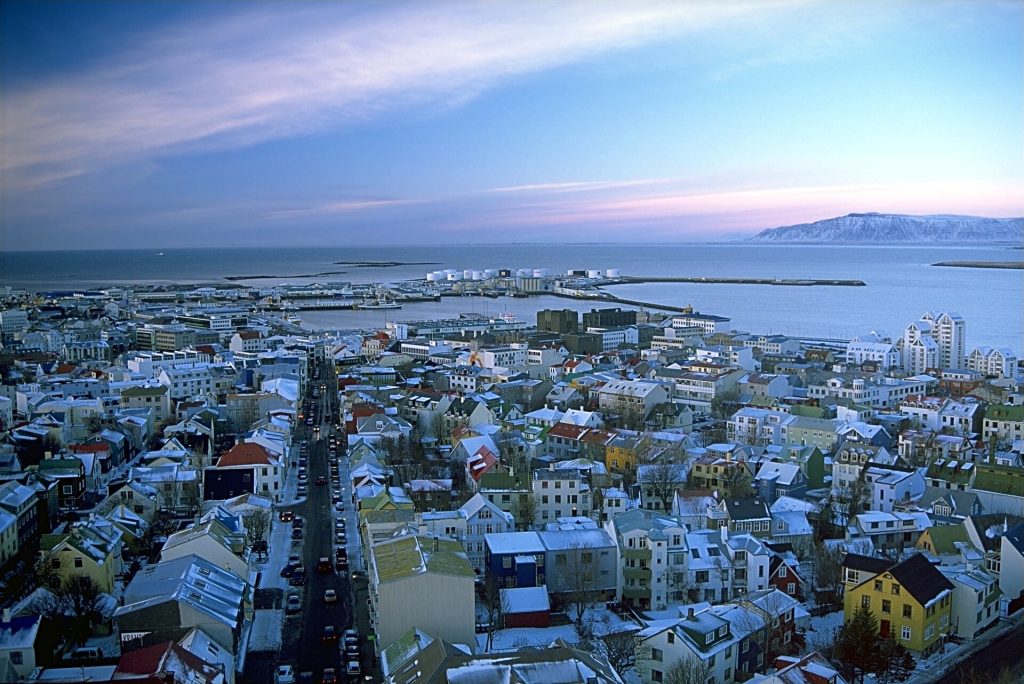
Iceland’s Christmas has its own cast of characters. The 13 Yule Lads, sons of the troll Grýla, arrive one per night from 12 December, each with a particular habit, such as stealing sausages or slamming doors. Children put a shoe on the windowsill and find a small gift in it each morning, or a potato if they have misbehaved. Then there is the Yule Cat, said to eat anyone who has not received new clothes before Christmas.
The other tradition is the Jólabókaflóð, the Christmas book flood. Most new Icelandic books are published in the run-up to Christmas, and a catalogue of new titles is sent to every household. Bookshops in Reykjavík are busy all December, and a new book is a classic Christmas gift.
9. Catalonia, Spain: the Tió de Nadal
In Catalonia, the star of Christmas is a log. The Tió de Nadal is a small hollow log, these days usually given legs, a painted smiling face and a red hat. From 8 December, the feast of the Immaculate Conception, children feed it a little each night and cover it with a blanket. On Christmas Day, or Christmas Eve in some homes, they beat it with sticks while singing traditional songs, and it “produces” sweets, nuts, torró and small presents.
The best place to see tiós for sale, together with the cheeky caganer figures that Catalans hide in their nativity scenes, is the Fira de Santa Llúcia in Barcelona, held in front of the cathedral since 1786. Larger presents in Spain traditionally come later, with the Three Kings on 6 January, when cities hold parades on the evening of 5 January.
Planning a Christmas traditions trip
Many of these customs fall on a single day, so build your trip around it. A practical Advent route could combine Kraków on the first Thursday of December with a few days in Vienna or Salzburg for the Krampus runs and markets. Scandinavia works best from Lucia on 13 December onwards. Christmas Eve itself is the main celebration in much of Central Europe and the Nordic countries, which means many restaurants and shops close early that day and public transport runs a reduced service.
Book early for Lapland, Naples at weekends and anywhere on 24 December. In the north it is dark by mid-afternoon, so plan sightseeing for the middle of the day.
Plan your trip
- Naples: tickets and tours on Tiqets · activities on Klook
- Kraków: tickets and tours on Tiqets · activities on Klook
- Austria: tickets and tours on Tiqets · activities on Klook
- Arriving by plane: pre-book an airport transfer with Welcome Pickups
- Road trip: compare car hire on Localrent
- Mobile data: get a travel eSIM from Airalo
Some of these are affiliate links: if you book through them we may earn a small commission, at no extra cost to you.
Planning a bigger trip? See our guide to the 25 best places to visit in Europe, from city breaks to fjords.
Keep exploring
- Strasbourg Christmas Market Guide: Squares, Food and Tips
- The Best Christmas Markets in Europe: 10 Cities by Country
- Winter for Non-Skiers: 7 Snowy Activities in Europe Without Skis
Frequently asked questions
What is the most Christmassy place in Europe?
It depends what you want. For markets, Germany, Austria and Alsace are hard to beat. For traditions, Naples, Kraków, Oberndorf and Iceland each offer something you will not find elsewhere, and Lapland is the choice for snow and polar night.
When is the Kraków szopki competition?
It is held every year on the first Thursday of December on the Main Market Square, beside the Adam Mickiewicz Monument. The best entries are then displayed at the Historical Museum of Kraków.
Can you visit the Silent Night Chapel on Christmas Eve?
Yes. A memorial service is held at the chapel in Oberndorf every 24 December in the late afternoon, with the carol sung in several languages. It is very popular, so arrive early and expect to stand outside.
Photos: Palickap, CC BY-SA 4.0, via Wikimedia Commons; Silar, CC BY-SA 4.0, via Wikimedia Commons; Werner100359, CC BY-SA 3.0, via Wikimedia Commons; Brian Dooley, CC0, via Wikimedia Commons; Samuli Lintula, CC BY 3.0, via Wikimedia Commons; Andreas Tille, CC BY-SA 3.0, via Wikimedia Commons.